- Northern Vietnam timing in one glance
- If you want cool weather + mountain views
- If you want golden rice terraces
- If you want “water season” terrace reflections
- Best months by traveler goal
- Best for “Mountains + cool air + clear views”
- Best for “Golden terraces (iconic photos)”
- Best for “Flowers + extra seasonal atmosphere”
- Destination-by-destination timing guide
- Mù Cang Chải
- Hoàng Su Phì
- Hà Nội (as your “base” for the North)
- Month-by-month planner (simple, practical)
- January - March
- April - May
- June - July
- August - September
- Mid-September - Early October
- October - November
- December
- What to do (activities that match your timing)
- If you’re coming for rice terraces
- If you’re coming for cool-weather mountains
- Practical planning
- How long you need
- What to pack for Northern Vietnam’s cool season
- FAQs
- Conclusion
Choosing the best time to visit Northern Vietnam is essential if your trip is focused on mountains, rice terraces, cool weather, and scenic outdoor experiences. Unlike Southern Vietnam, where the climate stays warm throughout the year, Northern Vietnam has more noticeable seasonal changes. The weather can shift from misty winter days in the mountains to fresh spring valleys, golden rice terraces in early autumn, and cooler trekking conditions toward the end of the year. Because of this, the timing of your visit can strongly affect what you see, how comfortable your journey feels, and which activities are most rewarding.
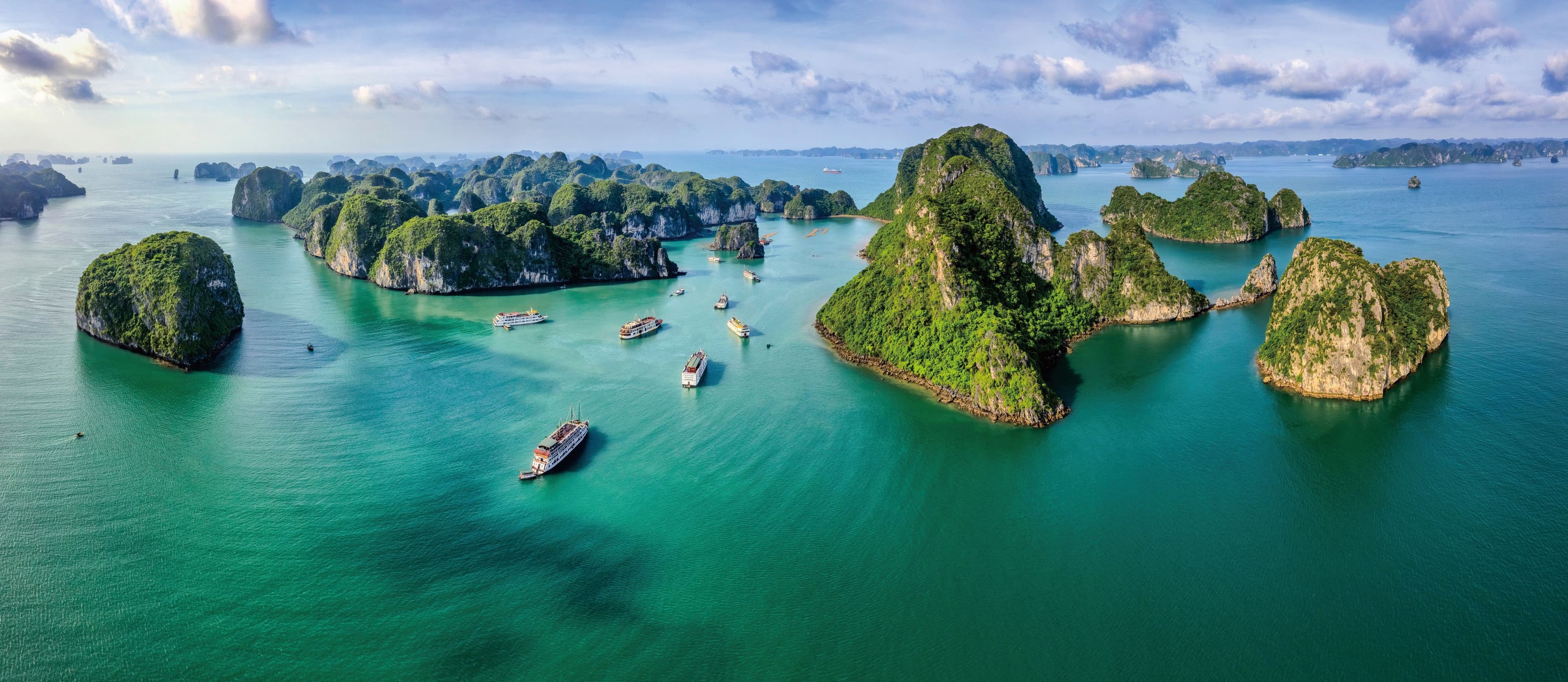
From a practical travel-planning perspective, the best time to visit Northern Vietnam is usually from March to May and from September to November. Spring brings milder weather, blooming landscapes, and comfortable conditions for sightseeing in Hanoi, Ninh Binh, Ha Long Bay, and mountain areas such as Sapa or Ha Giang. Autumn, especially September and October, is often one of the most scenic periods for travelers who want to see golden rice terraces, clearer mountain views, and cooler temperatures for trekking, photography, and cultural village visits. Winter can also be attractive for travelers who enjoy crisp air and quieter mountain routes, although higher areas may feel cold, foggy, or less predictable.
This guide is designed to help travelers choose the right season based on real travel priorities, not only general weather information. It explains when to visit Northern Vietnam for rice terraces, mountain trekking, cool weather, cultural discovery, photography, family travel, and a wider Vietnam itinerary. Instead of giving one simple answer, it looks at how each season affects visibility, road conditions, crowd levels, comfort, and the overall travel experience. With local planning experience, FtripVietnam can help you select the best travel window and design a personalized Northern Vietnam journey that fits your pace, comfort level, preferred landscapes, and the type of mountain experience you want to enjoy.
Northern Vietnam is at its most addictive when the air turns crisp, the mountains pop into sharp focus, and the rice terraces glow like gold staircases. The trick is timing: cool-weather season isn’t the same as golden rice season, and the best trip depends on what you want to see most.
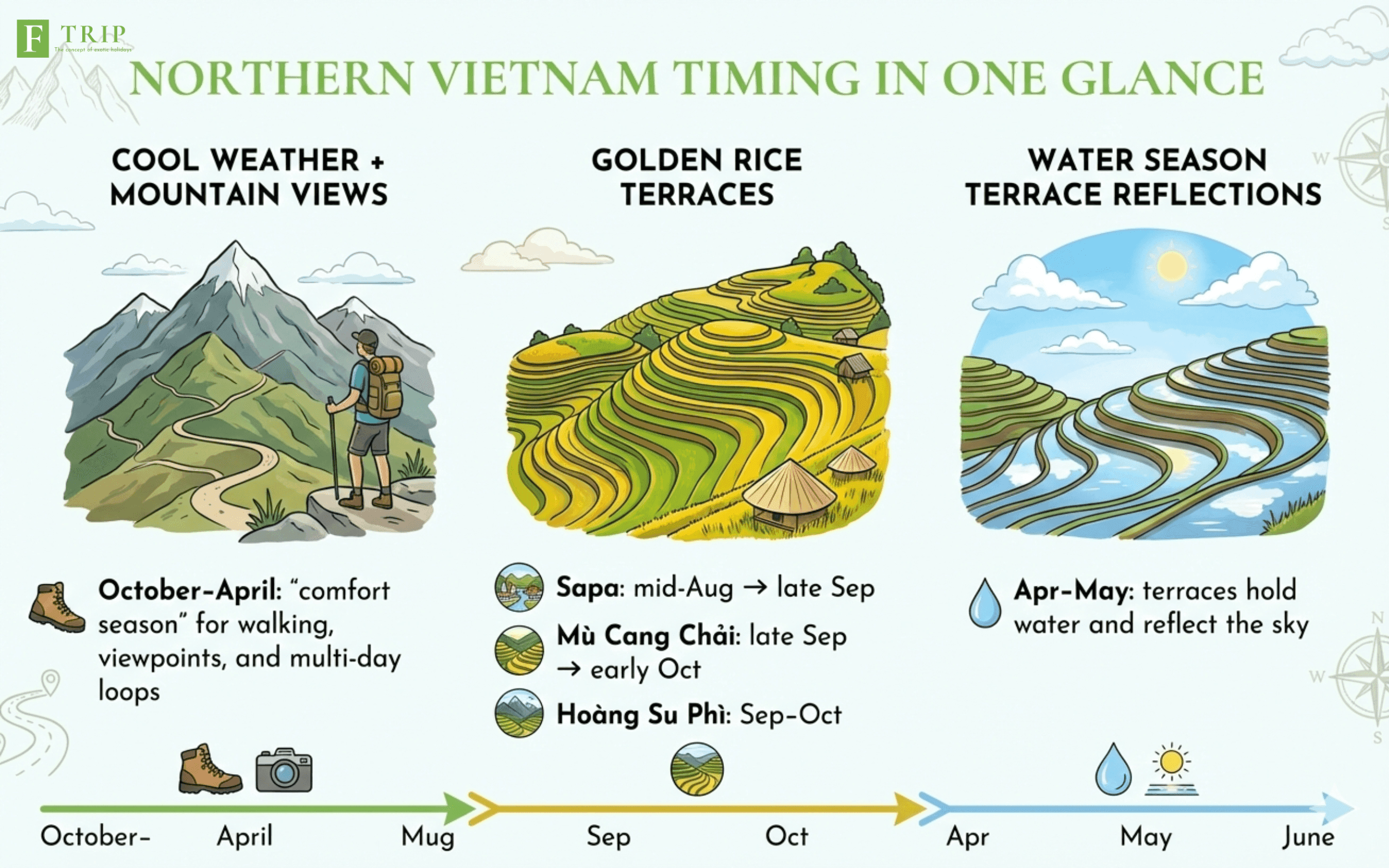
Northern Vietnam timing in one glance
Use this as your fast decision filter:
If you want cool weather + mountain views
October - April is the safest “comfort season” for walking, viewpoints, and multi-day loops - especially if you’re sensitive to heat and humidity.
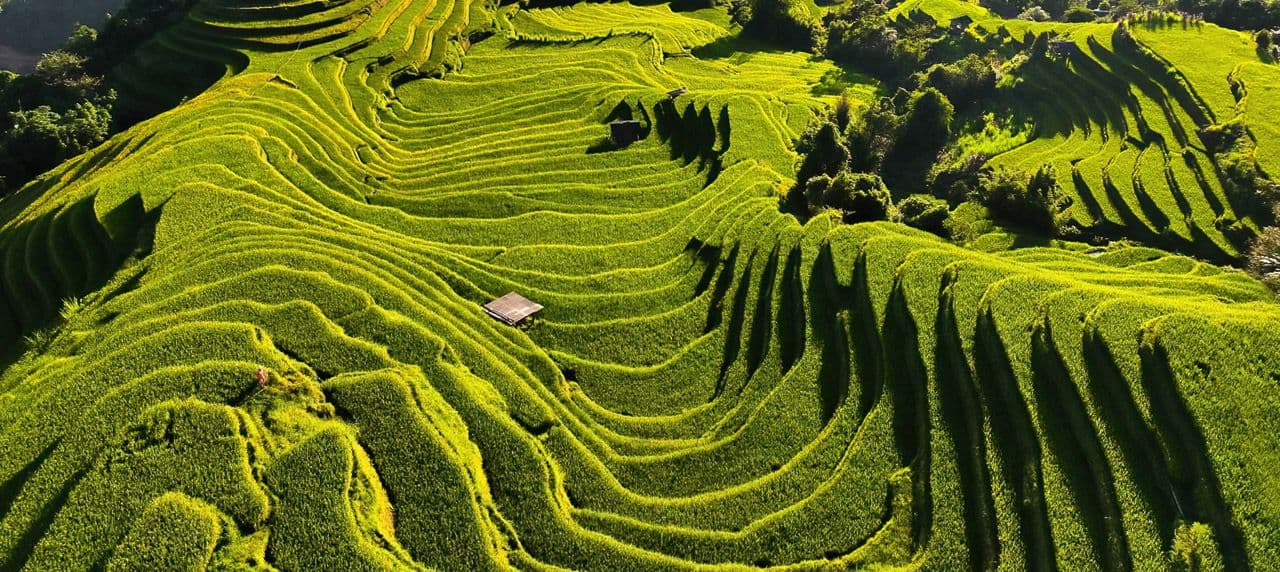
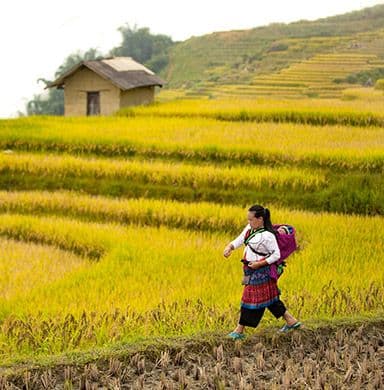
If you want golden rice terraces
- Sapa: mid-Aug → late Sep
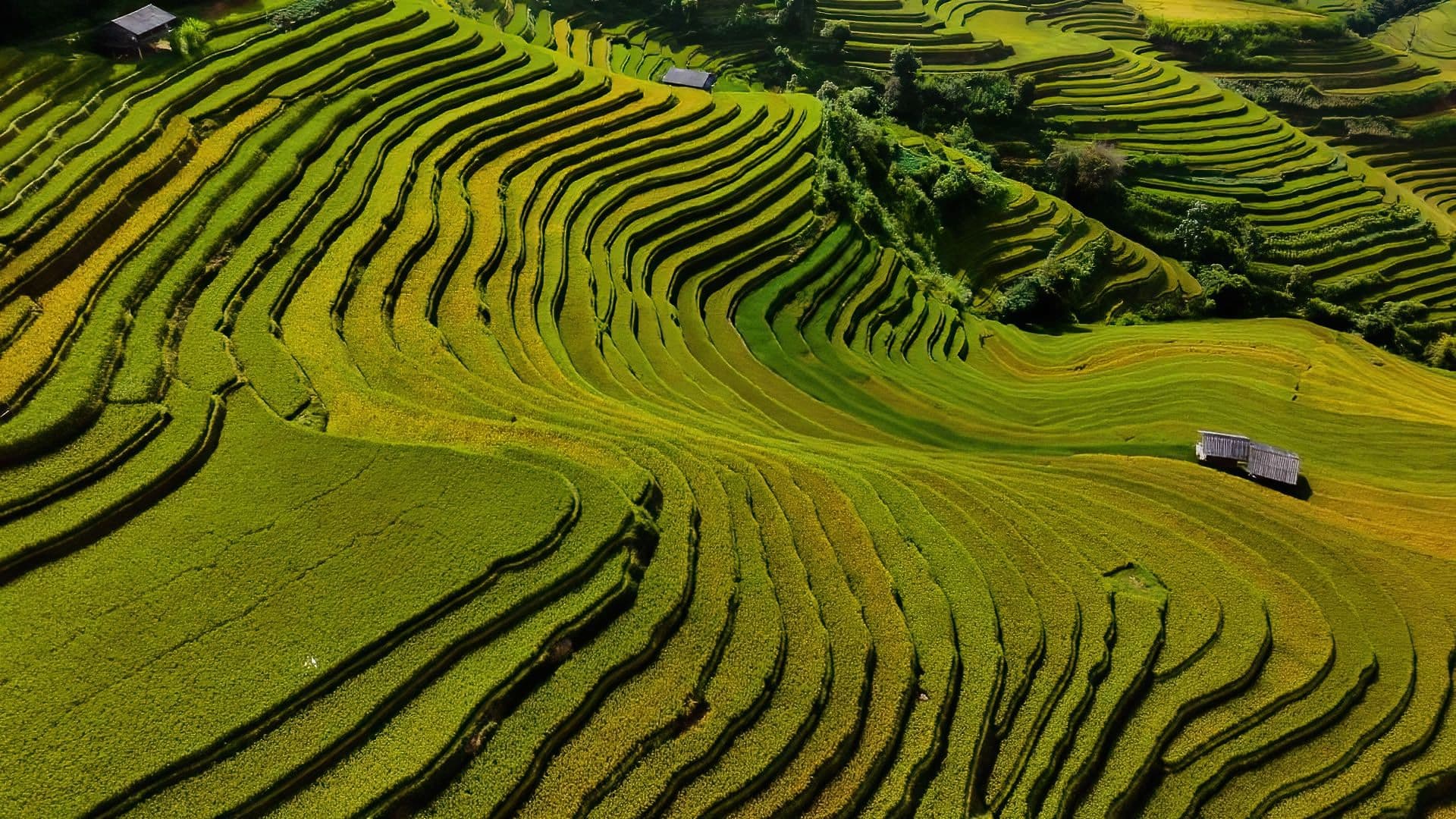
- Mù Cang Chải: late Sep → early Oct
- Hoàng Su Phì: Sep - Oct (varies by commune/valley)
If you want “water season” terrace reflections
Many guides describe spring planting months (roughly Apr–May) as “mirror fields,” when terraces hold water and reflect the sky, especially photogenic after light rain.
Best months by traveler goal
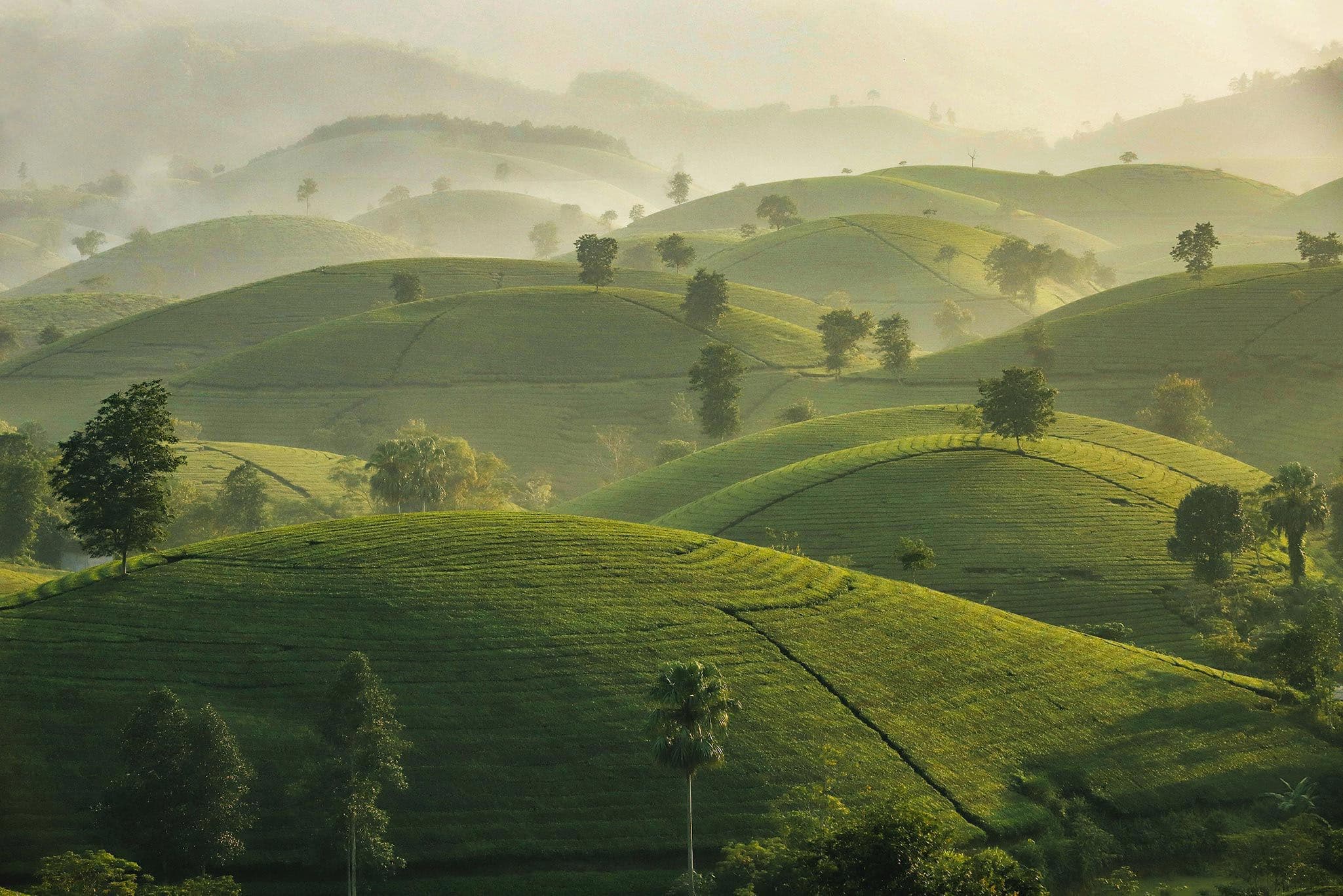
Best for “Mountains + cool air + clear views”
October, November, March, April are often the most comfortable-feeling months: cooler air, better visibility windows, and fewer weather surprises than deep winter or peak summer.
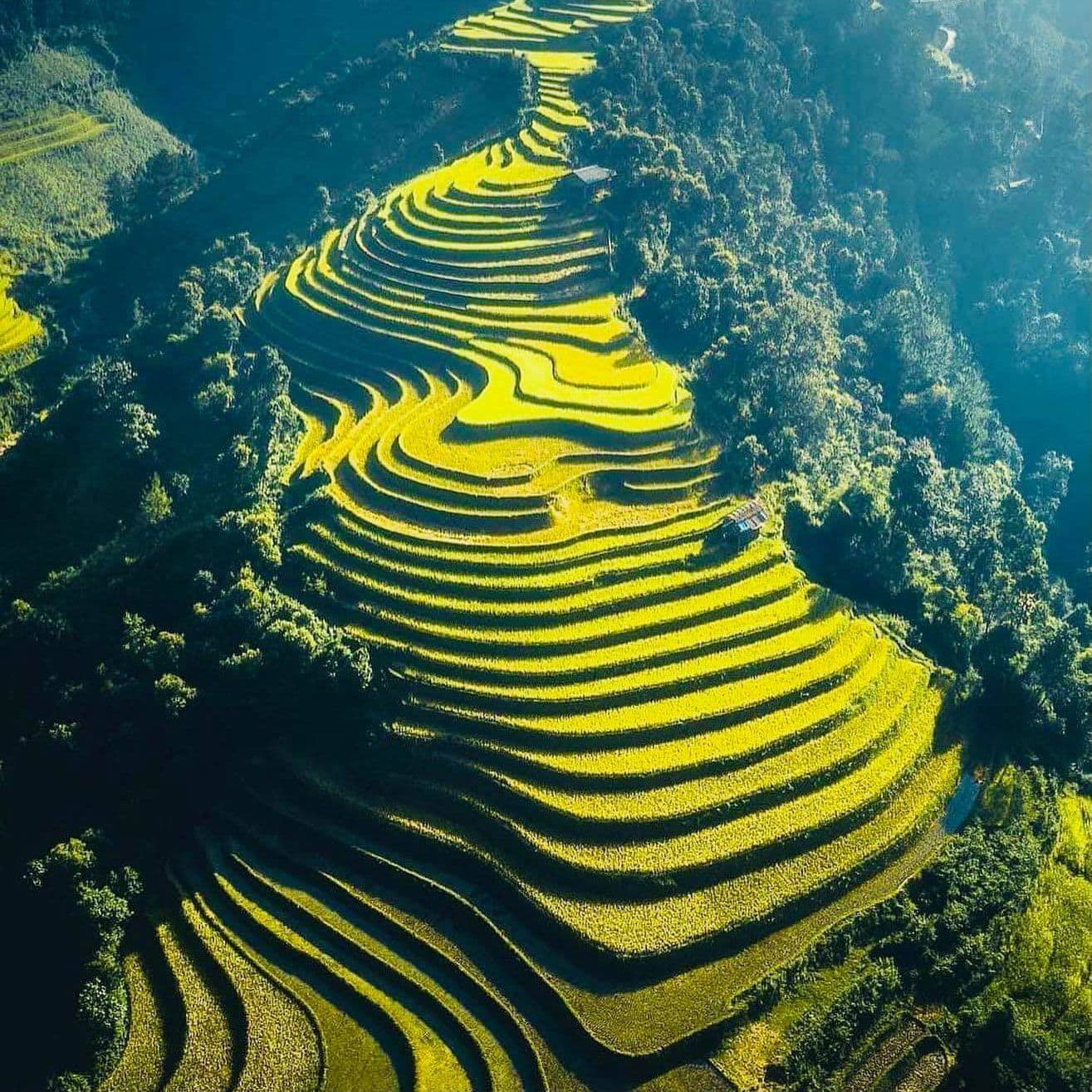
Best for “Golden terraces (iconic photos)”
- Late Aug - Sep: Sapa’s harvest look ramps up.
- Late Sep - early Oct: the classic peak window for terrace geometry in Mù Cang Chải and many valleys of Hoàng Su Phì.
Best for “Flowers + extra seasonal atmosphere”
Hà Giang is frequently highlighted for October–November travel energy (crisp scenery + seasonal landscapes that photograph beautifully).
Read more: Best Time to Visit Vietnam Weather Guide: Dry Season vs Rainy Season
Destination-by-destination timing guide
Mù Cang Chải
Go for: the most cinematic “gold waves” and iconic terrace curves.
- Best time: late September to early October for harvest gold.
- How to plan it right: stay near terrace zones (not only in-town), and schedule weekday sunrises to reduce crowd density at viewpoints.
Hoàng Su Phì
Go for: remote, dramatic terraces and deeper cultural immersion.
- Best time: commonly cited around September - October for rice season, with peak color shifting valley by valley.
- Reality check: logistics take longer here - so it’s most rewarding if you can give it 3 to 5 days including travel.
Hà Nội (as your “base” for the North)
Go for: culture + food + easy day trips.
- Most comfortable window: generally Oct - Apr for walking-heavy city days.
Month-by-month planner (simple, practical)
January - March
- Feel: coldest mountain stretch; Sapa can feel genuinely wintry (layers matter).
- Best for: cozy mountain stays, clear-day viewpoints, café culture, light hikes.
- Note: snowfall in Vietnam is rare, but sources note it can occur in the highest northern mountains under specific cold snaps.
April - May
- Feel: spring shoulder season (often comfortable).
- Best for: trekking + “water season” terrace reflections + fewer crowds than summer.
June - July
- Feel: greener landscapes, higher heat/humidity and rain risk.
- Best for: travelers with flexibility (morning outdoor blocks + indoor backups).
August - September
- Feel: terrace season ramps up.
- Best for: Sapa harvest look (late Aug–Sep).
Mid-September - Early October
- Feel: the “photo peak” for many terrace travelers.
- Best for: Mù Cang Chải peak harvest color and strong terrace geometry.
October - November
- Feel: one of the best all-around windows—cooler air, strong scenery.
- Best for: Hà Giang-style mountain routes and balanced North itineraries.
December
- Feel: dry/cool season deepens; nights can get sharp in high elevations.
- Best for: calm travel pace + mountain air (pack warm).
What to do (activities that match your timing)
If you’re coming for rice terraces
- Sunrise viewpoint strategy: fog + low light creates the most cinematic layering.
- Two-location harvest plan:
- Late Aug - Sep: Sapa
- Late Sep - early Oct: Mù Cang Chải (or Hoàng Su Phì if you want remote)
If you’re coming for cool-weather mountains
- Prioritize Oct - Nov or Mar - Apr for the most comfortable “walk all day” feeling.
Practical planning
How long you need
- 3 - 4 days: Hanoi + one major side trip (highlands or countryside).
- 5 - 7 days: add a second region (mountains + terraces).
- 8 - 10 days: best for “mountains + terraces” without rushing (especially if you want a remote terrace region).
What to pack for Northern Vietnam’s cool season
- Light down jacket or warm layers (Dec - Mar), rain shell, hiking shoes, warm socks.
- Photography helpers: lens cloth (mist), spare battery (cold drains faster), power bank.
Read more: Which Is the Best Time to Visit Vietnam for First-Time Travelers?
FAQs
When is the best time to see rice terraces in Northern Vietnam? Late August to early October, with the most iconic harvest peak often late September–early October depending on the region.
When is Mù Cang Chải harvest season? Commonly late September to early October.
When is the coolest time to visit Sapa? Typically December to March is the coldest-feeling period in the highlands.
What is the “water season” for rice terraces? Usually spring planting months (around April - May) when terraces hold water and reflect the sky, great for mirror-like photos.
Conclusion
Northern Vietnam doesn’t have one “best month” - it has the best timing by goal. If you want crisp mountain air and comfortable trekking, plan for October to April (with Dec until Mar being the coldest in higher elevations). If your dream is golden rice terraces, target late August through early October, then pick the right hotspot for your dates - Sapa first, then Mù Cang Chải/Hoàng Su Phì as harvest peaks.

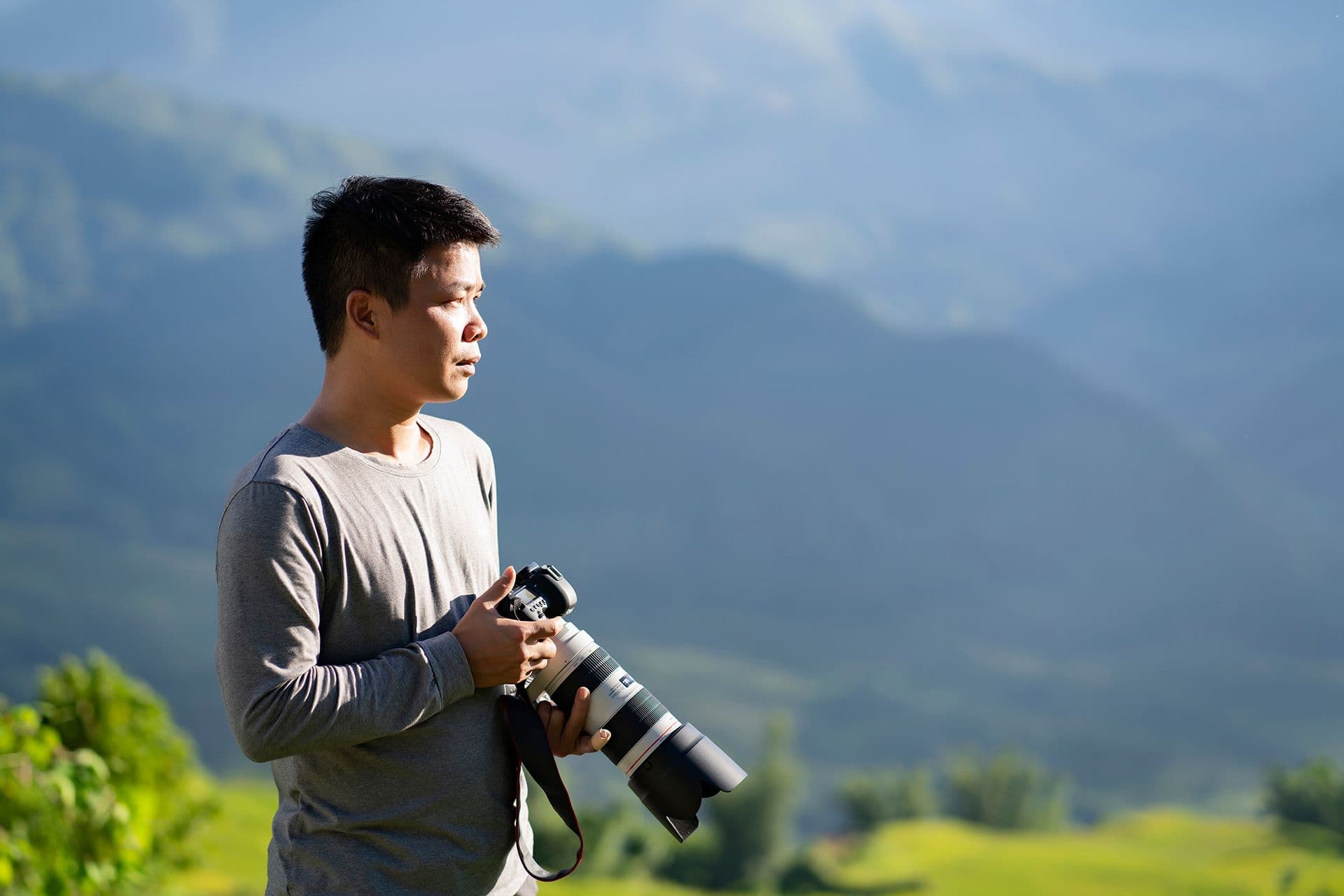
Founder & Photography Guide
Specialties: Culture, landscape, portrait, hiking, active and adventurous tour
Besides my unlimited passion for traveling, a professional tour guide for over a decade, I have been taking photographs since sitting at Hanoi of the University of Culture in the early 2000s. Photography started as a hobby but it was seriously taken due to my work relations and my significant passion for the beauty of our world, especially in Southeast Asian parts such as Vietnam, Laos, Cambodia, and Myanmar.
Within a few years of taking photographs, my works began to be recognized by many reliable international publications such as AFAR Travel, The Times, and The Daily Telegraph newspaper. In addition, I continuously add to my growing profile by winning numerous major awards: 3rd Position of The Independent Photographer 2018, 1st Position of Amateur Photographer of the year 2018, Grand Prize Winner of the AFAR Travel Photography 2019, and a Gold Award of San Francisco Bay International Photography 2020.
I photograph a wide variety of subjects, from travel to landscapes to street scenes. I enjoy documenting the East’s rich cultural heritage and its land soaked in glorious sunrise or sunset light in remote and secluded spots. And, I am very happy to share my knowledge and experience with you. You can visit Luminousvietnamtour to explore tour!