- What Good Sightseeing Weather in Hanoi Really Means
- Walkability is the real KPI
- Visibility and photography matter more than many travelers expect
- Rain disruption changes the whole pace
- Best Seasons to Visit Hanoi for Sightseeing
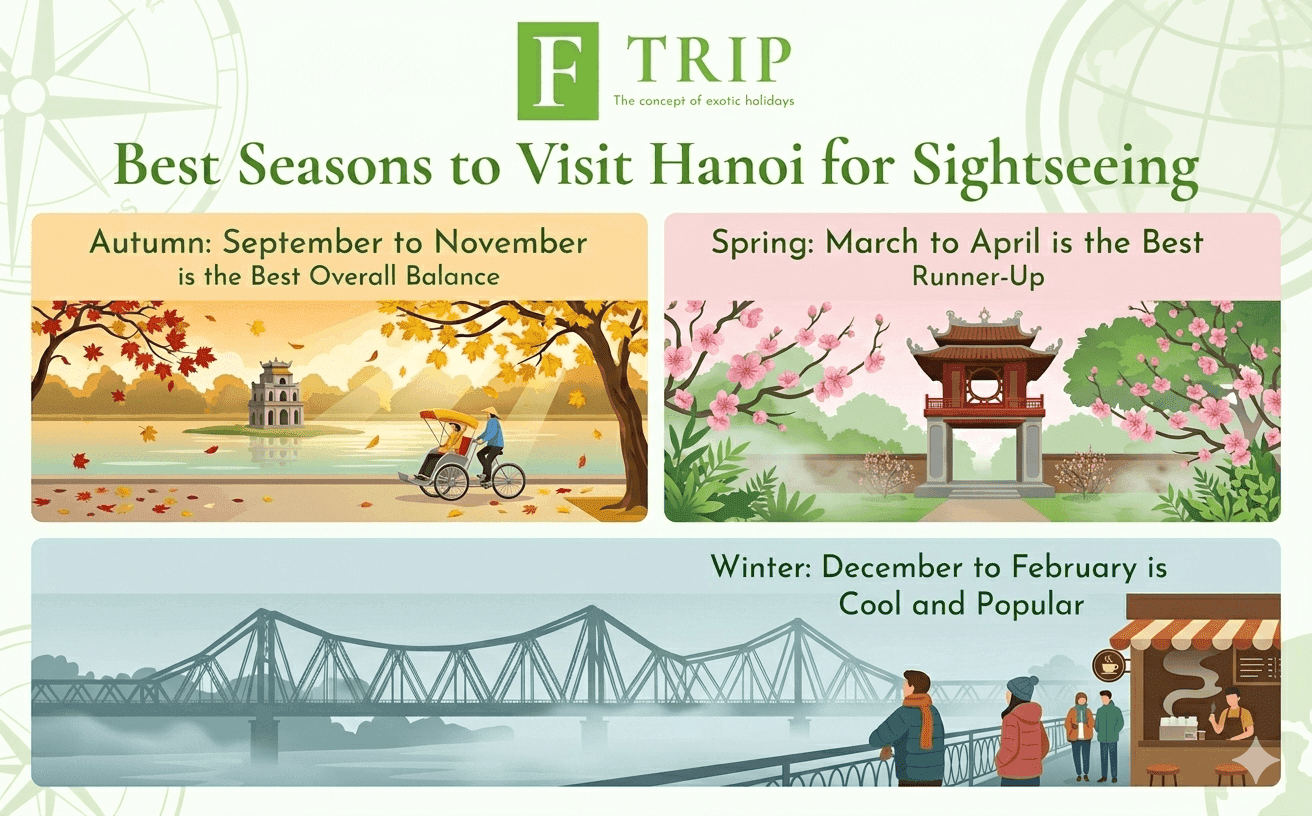
- Autumn: September to November is the Best Overall Balance
- Why autumn works so well?
- Spring: March to April is the Best Runner-Up
- Winter: December to February is Cool and Popular
- Months to Be Cautious About
- Summer: June to August is Hot, Humid, and Harder for Long Walks
- Wet-Risk Period: Broadly May to September
- Month-by-Month Quick Picks
- October to November: Top Pick
- March to April: Strong Runner-Up
- September: Good Shoulder Month
- December to February: Cool and Popular
- May to August: Lower-Comfort Window
- Best Time of Day for Sightseeing in Hanoi
- Early Morning is Best for Comfort and Photos
- Late Afternoon to Evening is Best for Atmosphere
- Sightseeing Plus Day Trips: Best Seasons for Hanoi as a Hub
- What to Pack by Season?
- October to November and March to April
- December to February
- May to August
- Booking Tips so the Best Time Actually Feels Best
- FAQs
- What is the best month to visit Hanoi for sightseeing?
- Is Hanoi better in March to April or October to November?
- When is Hanoi’s rainy season?
- What months are best for day trips from Hanoi?
- Conclusion
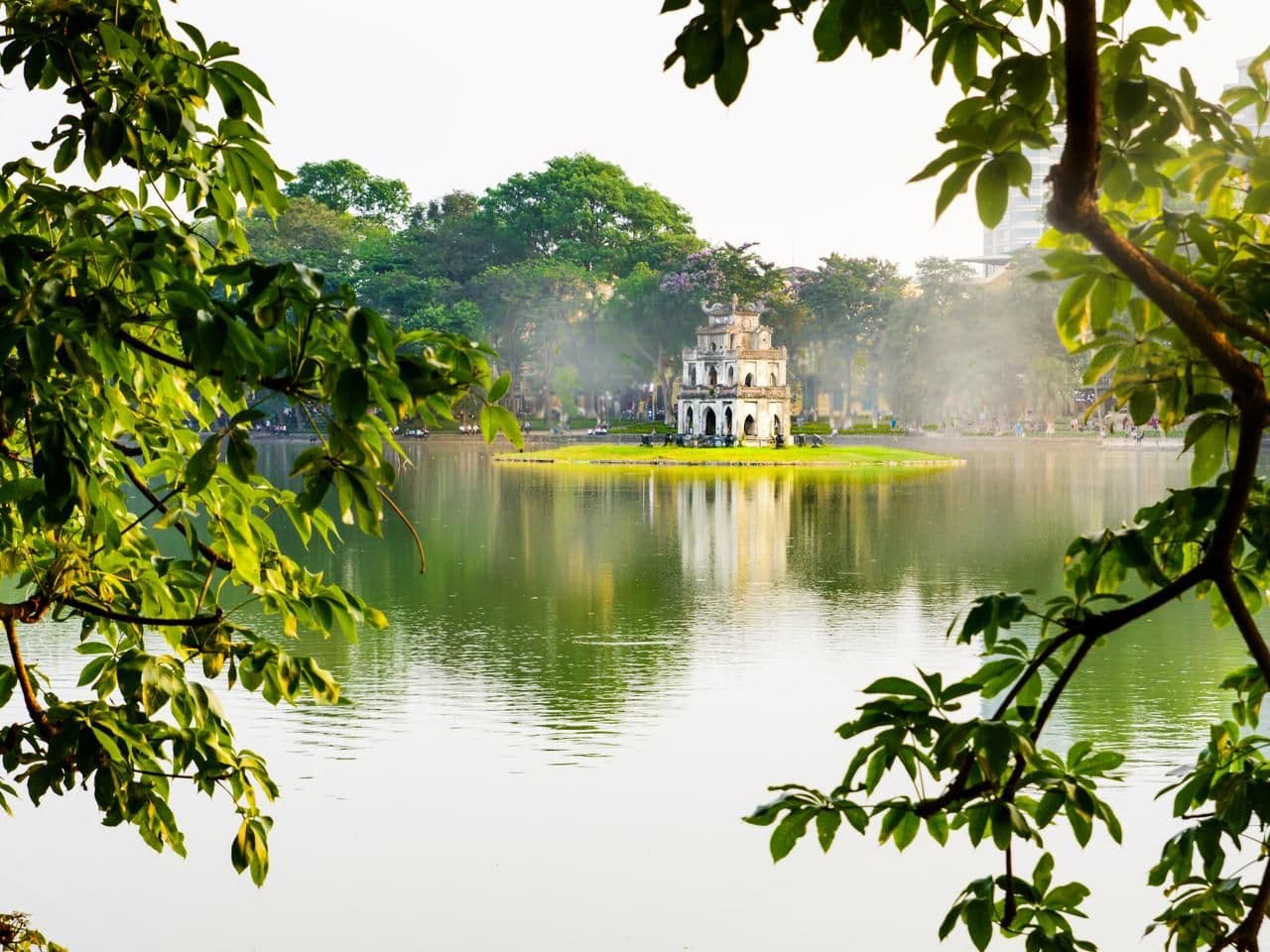
Hanoi is a walking city at heart. The best version of the city happens on foot: Hoan Kiem Lake at sunrise, the Old Quarter in late afternoon, and landmark-to-landmark loops that connect temples, museums, cafés, and tree-lined boulevards. But sightseeing quality changes a lot by season. Official Vietnam tourism guidance highlights September to December as one of the best times to visit Hanoi, while Vietnam Airlines recommends September to November or February to April for clear skies, cool temperatures, and ideal sightseeing weather. By contrast, summer brings higher heat, humidity, and more rain, which makes long walking days harder.
For most travelers, the best windows for sightseeing in Hanoi are autumn (September to November) and spring (March to April). Autumn is especially strong for cooler air, lower humidity, and more comfortable walking conditions, while spring is a reliable second-best window for mild weather and easier outdoor exploring. Hanoi’s rainy season is commonly described as running from May to September, with June to August especially hot and humid, so those months are usually less comfortable for sightseeing-first trips.
What Good Sightseeing Weather in Hanoi Really Means
Walkability is the real KPI
The best sightseeing weather in Hanoi is not just about temperature. It is about whether you can walk for hours without getting drained by humidity or forced indoors by rain. Official Vietnam tourism notes that Hanoi in June can reach very high humidity and heat, with the rainy season in full swing from June to August, which is exactly what makes summer walking much less comfortable.
Visibility and photography matter more than many travelers expect
A sightseeing trip in Hanoi usually includes lakes, colonial streets, temples, and architectural detail. Clearer skies, softer light, and lower haze levels make a big difference to the experience, especially around Hoan Kiem Lake, the Old Quarter, and the Temple of Literature. Vietnam Airlines specifically recommends autumn and late winter to spring because of clearer skies and more comfortable city-exploring conditions.
Rain disruption changes the whole pace
Rain in Hanoi not only affects comfort. It also affects how easy it is to plan outdoor loops, food walks, and day trips. Multiple travel and climate guides describe Hanoi’s rainier stretch as running broadly from May to September, with the heaviest summer discomfort usually concentrated in June to August.
Best Seasons to Visit Hanoi for Sightseeing
Autumn: September to November is the Best Overall Balance
Autumn is the strongest overall season for sightseeing in Hanoi. Vietnam’s official tourism site lists September to December as one of the best times to visit, and Vietnam Airlines says September to November is ideal for sightseeing because of clear skies, cool temperatures, and better outdoor comfort.
October and November are especially good for walking. Humidity is lower than in summer, the city feels easier to move through on foot, and the weather supports longer Old Quarter loops, lake walks, and architecture-focused sightseeing. Vietnam Airlines also describes autumn as the most favorable time to explore Hanoi because the air feels drier and more comfortable for outdoor activities.
Why autumn works so well?
Autumn makes Hanoi feel more photogenic and more manageable. Streets are easier to explore, long café-to-landmark days feel less tiring, and day-trip planning becomes simpler because you are less likely to be disrupted by heavy summer rain. That is an inference based on official guidance favoring autumn and identifying summer as the more humid, rain-prone season.
Spring: March to April is the Best Runner-Up
Spring is the second-best window for sightseeing. Vietnam Airlines recommends February to April for Hanoi, and its Hanoi guide lists February to March as mild and pleasant. This makes March and April especially good for travelers who want comfortable city walks without the peak-summer heat.
Spring works well for food tours, museum hopping, and walking-heavy city days. Temperatures are usually mild enough to let you move around comfortably, and you avoid the worst of the rainy-season disruption that comes later.
Winter: December to February is Cool and Popular
Winter is still a good season for sightseeing, especially if you prefer cool air and a livelier travel atmosphere. Vietnam Airlines says October to February is peak season in Hanoi because cooler weather is more comfortable for exploring, though official Vietnam tourism also notes that late December to March can feel surprisingly cold, with low temperatures that require extra layers.
This season is especially good for café culture, relaxed city walks, and evening street exploration. The trade-off is that the weather can feel damp and chilly rather than crisp, so it is less predictably pleasant than autumn or spring.
Months to Be Cautious About
Summer: June to August is Hot, Humid, and Harder for Long Walks
If your priority is sightseeing comfort, summer is the hardest season. Official Vietnam tourism says that in June, Hanoi can see soaring temperatures and the rainy season is in full swing from June to August. Vietnam Airlines’ monsoon guidance for northern Vietnam also marks May to September as a period of high temperatures, humid weather, and sudden thunderstorms.
That does not make summer impossible. It just means long outdoor days are more tiring, midday becomes less useful, and your sightseeing rhythm needs more indoor breaks.
Wet-Risk Period: Broadly May to September
Most climate-oriented guidance describes Hanoi’s rainy season as broadly May to September, with the most intense heat and rain usually landing in the core summer months. This matters not only for walking comfort but also for visibility, photography, and day-trip reliability.
Month-by-Month Quick Picks
October to November: Top Pick
These are the strongest months for most sightseeing-first travelers. They are excellent for Old Quarter walking, Hoan Kiem Lake loops, architecture photography, and easy day trips from the city because conditions are generally cooler and drier.
March to April: Strong Runner-Up
These months are ideal for comfortable landmark hopping, walking tours, and food-focused exploration without summer heat. They are among the best choices if you want balanced weather and good city comfort.
September: Good Shoulder Month
September is often included in Hanoi’s favorable travel window, but it can still feel transitional. It is better than the core summer, yet not always as settled as October and November. A light rain plan is still wise.
December to February: Cool and Popular
These months are good for travelers who like cooler weather and do not mind layering up. They are also part of Hanoi’s peak tourism season, so expect more demand around hotels and tours.
May to August: Lower-Comfort Window
These are the months to be most careful with if your trip is built around long outdoor days. Heat, humidity, and rain make city sightseeing less comfortable and less flexible.
Best Time of Day for Sightseeing in Hanoi
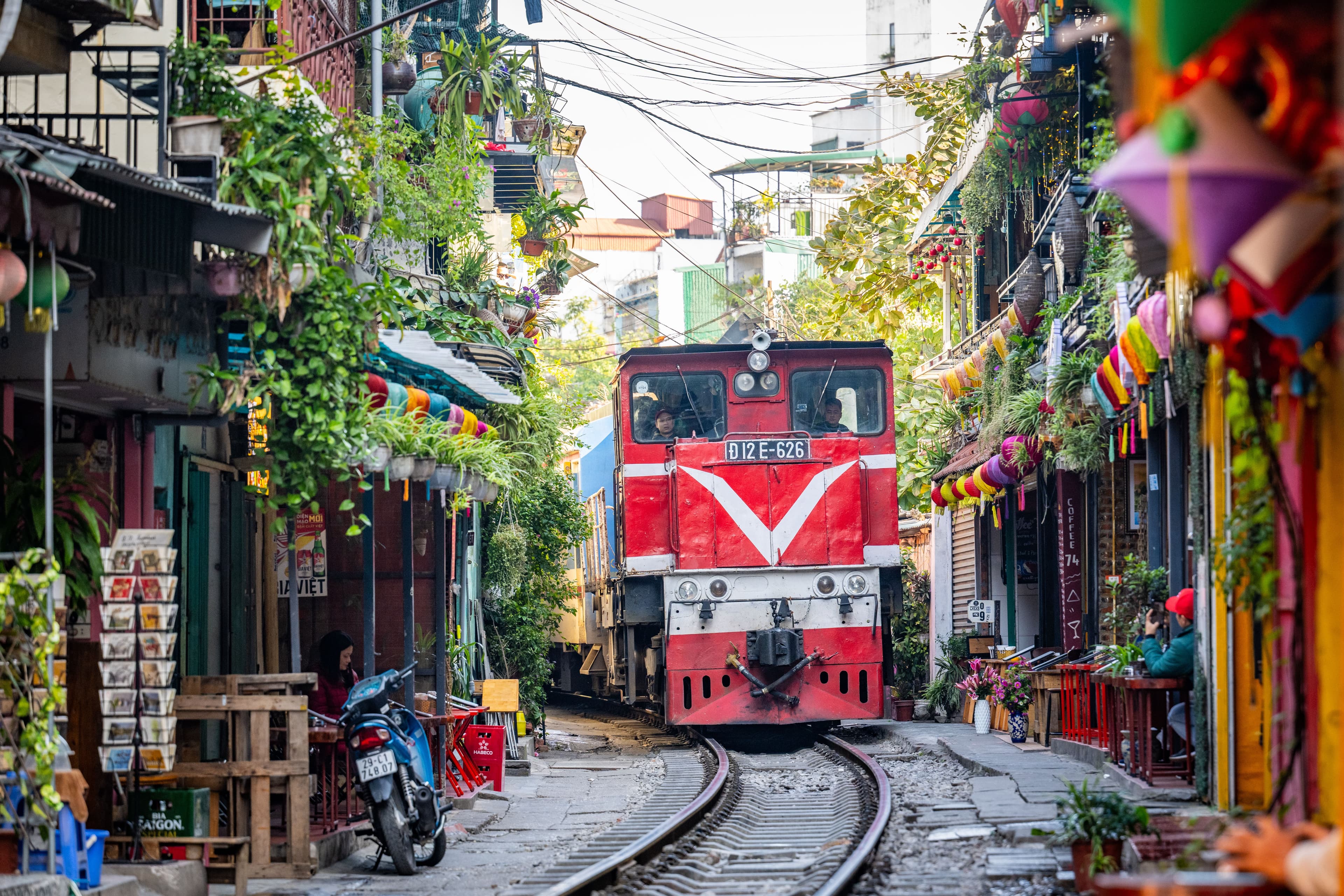
Early Morning is Best for Comfort and Photos
Early morning is one of the easiest upgrades you can make in Hanoi. It is cooler, softer in light, and generally calmer around lakeside areas and the Old Quarter. In hotter months, this becomes even more important because it helps you avoid the hardest part of the day. This is an inference supported by official guidance about summer heat and humidity in Hanoi.
Late Afternoon to Evening is Best for Atmosphere
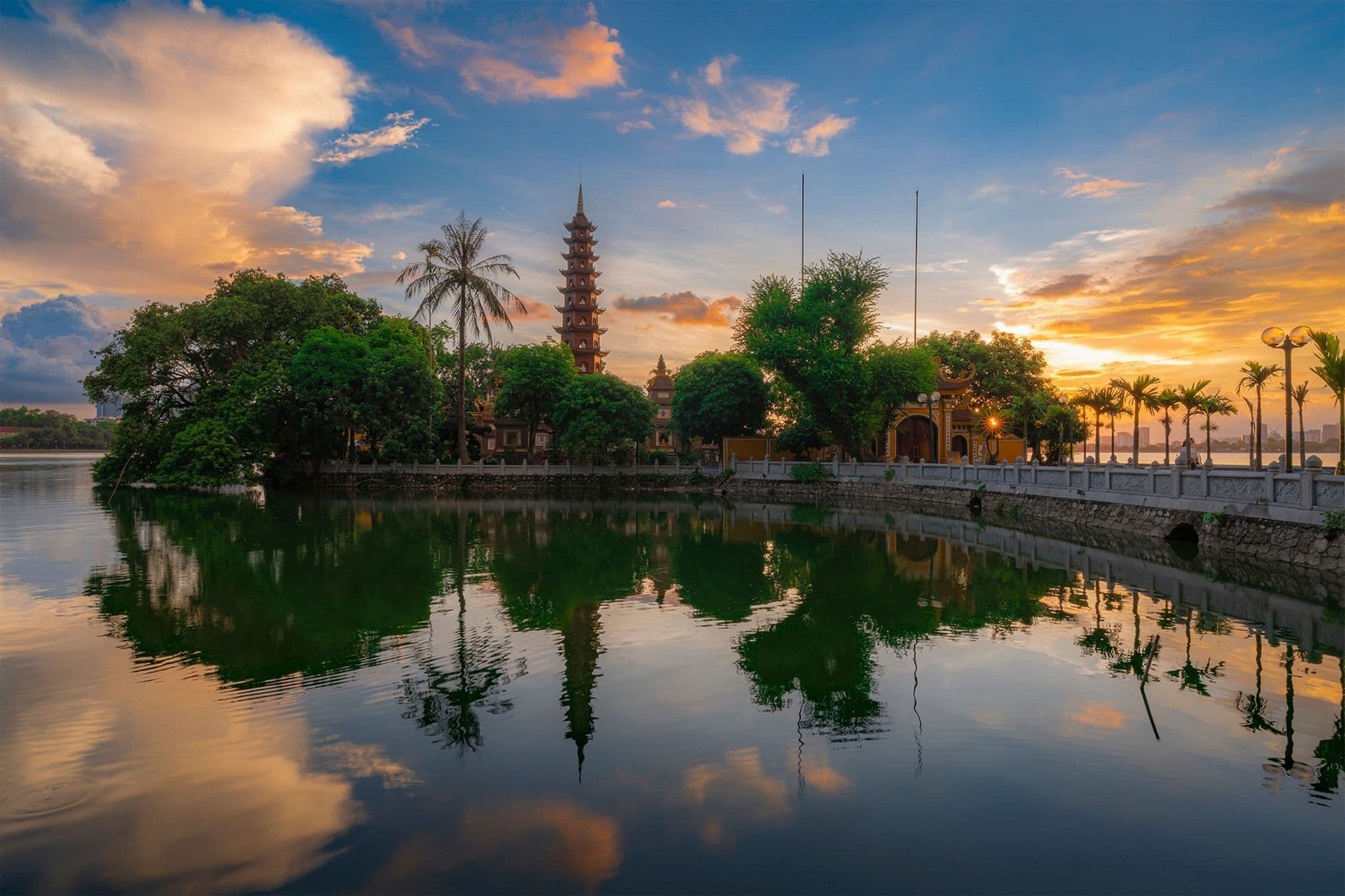
Late afternoon and early evening are ideal for golden-hour lake walks, Old Quarter strolling, and street food timing. Even in warmer seasons, this part of the day is usually more rewarding than midday for outdoor sightseeing.
Sightseeing Plus Day Trips: Best Seasons for Hanoi as a Hub
If you want to combine Hanoi with places like Ha Long Bay or Ninh Binh, the best overall timing is still autumn and spring. Vietnam Airlines’ broader Vietnam guidance says the north is especially pleasant in autumn (August to November), with cooler temperatures, lower humidity, and less rainfall. That seasonal balance makes multi-stop northern itineraries easier to plan.
For practical travel, that means September to November and March to April are usually the safest windows for mixing city sightseeing with day trips.
What to Pack by Season?
October to November and March to April
Bring light layers, comfortable walking shoes, and a thin rain shell. These are Hanoi’s strongest sightseeing windows, but a bit of flexibility still helps.
December to February
Pack a warmer layer for mornings and evenings. Official tourism guidance notes that Hanoi can feel surprisingly cold from late December into March.
May to August
Use breathable clothing, sun protection, and rain protection. A poncho or compact rain layer is practical, and humidity can also affect phones and cameras. This follows directly from official descriptions of high heat, humidity, and summer rains.
Booking Tips so the Best Time Actually Feels Best
If you are visiting from October to February, expect more demand because this is part of Hanoi’s peak season for comfortable exploring. Vietnam Airlines explicitly identifies October to February as the high-travel period in the city.
For the most efficient sightseeing setup, stay in or near the Old Quarter or Hoan Kiem area so you can walk more and waste less time in traffic. That is a practical planning conclusion based on Hanoi’s sightseeing layout and the value of walkability in the best seasons.
FAQs
What is the best month to visit Hanoi for sightseeing?
There is not just one best month, but October and November are among the strongest choices because they combine cooler temperatures, lower humidity, and more comfortable walking weather.
Is Hanoi better in March to April or October to November?
Both are strong, but October to November is usually the best overall window for sightseeing comfort. March to April is a close second and works especially well for travelers who want mild weather before summer arrives.
When is Hanoi’s rainy season?
Most guidance describes Hanoi’s rainy season as broadly May to September, with the most uncomfortable heat and humidity often peaking in June to August.
What months are best for day trips from Hanoi?
For balanced conditions across northern Vietnam, September to November and March to April are the safest bets for pairing Hanoi with day trips such as Ha Long Bay or Ninh Binh.
Conclusion
For sightseeing, Hanoi is at its best when the city is comfortable to walk in, and the weather supports long outdoor days. The most reliable windows are October to November and March to April, when temperatures are milder, humidity is lower, and exploring on foot feels much easier.
If you want cooler air and a lively travel atmosphere, October to February remains a popular peak window. If you are traveling in summer, plan around early mornings, late afternoons, and indoor breaks, because heat and rain make long outdoor days harder. Done right, Hanoi becomes exactly what it should be: a high-reward city to explore on foot.


Founder & Photography Guide
Specialties: Culture, landscape, portrait, hiking, active and adventurous tour
Besides my unlimited passion for traveling, a professional tour guide for over a decade, I have been taking photographs since sitting at Hanoi of the University of Culture in the early 2000s. Photography started as a hobby but it was seriously taken due to my work relations and my significant passion for the beauty of our world, especially in Southeast Asian parts such as Vietnam, Laos, Cambodia, and Myanmar.
Within a few years of taking photographs, my works began to be recognized by many reliable international publications such as AFAR Travel, The Times, and The Daily Telegraph newspaper. In addition, I continuously add to my growing profile by winning numerous major awards: 3rd Position of The Independent Photographer 2018, 1st Position of Amateur Photographer of the year 2018, Grand Prize Winner of the AFAR Travel Photography 2019, and a Gold Award of San Francisco Bay International Photography 2020.
I photograph a wide variety of subjects, from travel to landscapes to street scenes. I enjoy documenting the East’s rich cultural heritage and its land soaked in glorious sunrise or sunset light in remote and secluded spots. And, I am very happy to share my knowledge and experience with you. You can visit Luminousvietnamtour to explore tour!