- Why Timing Matters So Much for an Indochina Trip
- Vietnam behaves differently from Cambodia and Laos
- Cambodia and Laos are easier to read seasonally
- A combined route needs overlap, not just “good weather”
- Best Overall Time to Visit Vietnam, Cambodia, and Laos Together
- November to February
- March to May
- June to October
- Best Time to Travel by Trip Style
- Best for first-time visitors
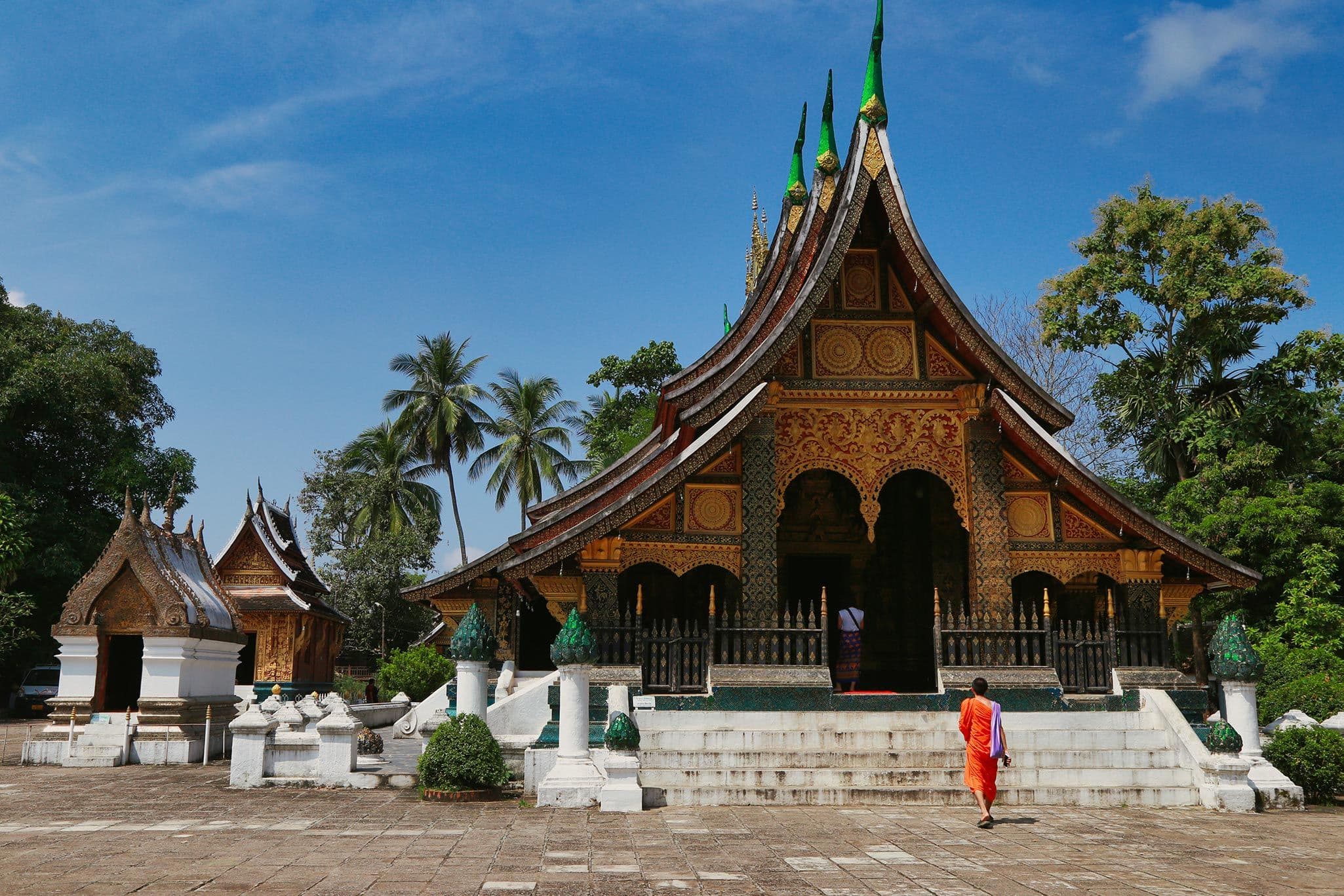
- Best for culture and temple sightseeing
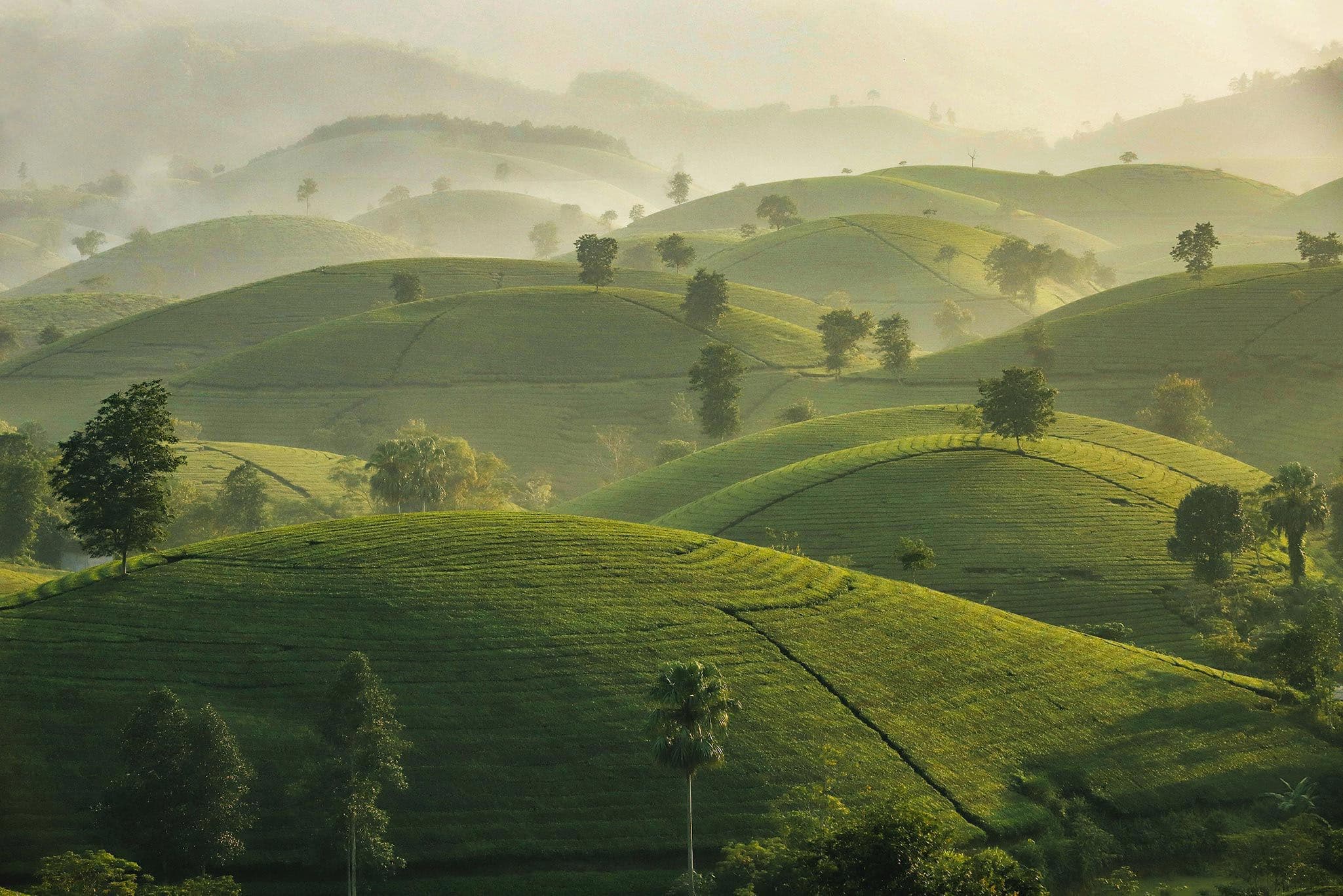
- Best for photography and scenic travel
- Best for a slower premium trip
- Vietnam Weather Overview for Indochina Planning
- Northern Vietnam
- Central Vietnam
- Southern Vietnam
- Why FtripVietnam matters here
- Cambodia Weather Overview for Combined Travel
- Dry season strengths
- Hot season considerations
- Green season trade-offs
- Laos Weather Overview for Combined Travel
- Cool dry season advantages
- Hot dry season considerations
- Wet season trade-offs
- Best Months for a Vietnam, Cambodia, and Laos Trip
- December and January
- February
- March
- April
- October and November
- Best Time by Itinerary Type
- Classic Indochina highlights route
- Northern Vietnam plus Cambodia and Laos heritage route
- Beach and heritage route
- Why This Topic Matches Current Travel Trends
- Travelers are planning more intentionally
- Personalization is becoming central
- Off-peak and less-crowded planning matters more
- FtripVietnam fits this shift naturally
- Common Mistakes Travelers Make When Choosing When to Go
- Treating Vietnam as one climate zone
- Using Cambodia or Laos weather to judge the whole trip
- Choosing only by “dry season”
- Not matching the season to the itinerary
- Why FtripVietnam Is a Strong Choice for an Indochina Trip
- FtripVietnam can fully customize the route
- FtripVietnam is 100% local with 7+ years of experience
- FtripVietnam understands niche travel needs
- FtripVietnam offers more than standard itineraries
- FtripVietnam is praised for service quality
- FtripVietnam helps convert “best time” into the right trip
- Frequently Asked Questions
- What is the best month to visit Vietnam, Cambodia, and Laos?
- Is December a good time for all three countries?
- Is March too hot for Cambodia and Laos?
- What is the rainy season in Vietnam, Cambodia, and Laos?
- Can FtripVietnam customize an Indochina itinerary by season?
- Is winter or spring better for a three-country trip?
- What is the easiest season for first-time visitors?
- Conclusion
Vietnam, Cambodia, and Laos make one of Southeast Asia’s most rewarding multi-country combinations. Together, they offer a rich mix of city culture, temples, river landscapes, heritage towns, mountain scenery, food experiences, and slower regional discovery.
However, these are not destinations that should be timed casually. Many travelers assume there is one perfect month for all three countries, but the reality is more nuanced. Vietnam has multiple climate zones, while Cambodia and Laos follow a more classic dry-versus-wet seasonal pattern. That means the best time to travel to Vietnam, Cambodia, and Laos depends on the exact route, not only the calendar month.
This guide explains how to choose the best travel window across all three countries based on weather, comfort, crowd levels, and itinerary style. For travelers who want the season matched to their actual route, hotel style, travel pace, and personal preferences, FtripVietnam can help turn general climate advice into a better-planned Indochina journey.
This kind of planning also fits 2026 travel behavior, where personalization, mental balance, and better-timed travel choices are becoming more important. Vietnam’s 2026 tourism direction emphasizes premium experiences, personalized journeys, and responsible travel, while current travel trend coverage highlights deeper connection, off-season choices, and more intentional trip planning.
Why Timing Matters So Much for an Indochina Trip
Vietnam behaves differently from Cambodia and Laos
Vietnam is the most complex of the three countries from a weather-planning perspective. Its long geography creates a mix of tropical and temperate conditions, meaning north, central, and south Vietnam do not all peak at the same time.
Vietnam’s official tourism site explains that the country has both tropical and temperate climate zones, and that weather patterns vary significantly by region. This is why Hanoi, Ha Long Bay, Da Nang, Hoi An, Ho Chi Minh City, and the Mekong Delta should not be treated as if they share one single “best season.”
Cambodia and Laos are easier to read seasonally
Cambodia and Laos are more straightforward for broad planning. Cambodia is usually understood through dry season and rainy season. Dry season generally runs from October or November to April, while wet season usually runs from May to September, with heavier rain often later in the season.
Laos also follows a simpler dry-versus-wet pattern. Recent travel guidance describes Laos’ dry season as roughly October to April and the rainy season as May to September, while other regional guidance highlights November to March as one of the easiest windows for comfortable travel.
A combined route needs overlap, not just “good weather”
The real planning goal is not finding one ideal climate in theory. It is finding the time window where the parts of Vietnam in the itinerary line up best with Cambodia and Laos.
For example, a route focused on Hanoi, Ha Long Bay, Hoi An, Siem Reap, and Luang Prabang has different timing needs from a route focused on Sapa, Ha Giang, southern Vietnam, Cambodia, and Laos. This is one of the main reasons FtripVietnam can add value early in the planning process: the best month depends on the actual route.
Best Overall Time to Visit Vietnam, Cambodia, and Laos Together
November to February
For most first-time travelers, November to February is the easiest and safest all-around season for a classic Vietnam, Cambodia, and Laos route.
Cambodia is in its cooler dry season, Laos is generally pleasant, and much of Vietnam is workable or strong depending on the region. This period is especially good for travelers who want fewer weather trade-offs, easier sightseeing days, and a smoother first-time Indochina experience.
Best for:
| Traveler Type | Why November to February Works |
|---|---|
| First-time visitors | Safest all-around window for a classic route |
| Culture travelers | Comfortable for temples, cities, and heritage towns |
| Families | Easier conditions and fewer weather complications |
| Luxury travelers | Better sightseeing comfort and smoother pacing |
| Older travelers | More manageable heat and outdoor touring |
March to May
March to May can work well, especially for travelers who prioritize Vietnam more heavily. Vietnam’s official tourism guidance highlights spring and early summer windows as favorable for many parts of the country, with northern Vietnam often attractive in spring and autumn.
The main trade-off is rising heat in Cambodia and Laos. March can still be workable, but April and May may feel demanding for long temple days, city walking, or active sightseeing.
This window is better for travelers who:
| Travel Priority | Why March to May Can Work |
|---|---|
| Vietnam-focused routes | Stronger Vietnam flexibility |
| Spring scenery | Good for selected northern and central Vietnam plans |
| Experienced travelers | Easier to manage heat and pacing |
| Flexible luxury travelers | Can use better hotels and slower sightseeing rhythm |
June to October
June to October is not the easiest window for a first-time three-country trip, but it is not automatically a bad choice either.
This period can bring greener scenery, softer landscapes, fewer crowds in some places, and a more atmospheric travel experience. However, it also requires more careful planning because rain, humidity, and regional weather differences matter more.
Cambodia and Laos are generally in their wetter season during much of this period, while Vietnam’s regional weather varies. This is where FtripVietnam is especially helpful, because rainy-season or shoulder-season travel works best when the route is customized carefully rather than copied from a standard package.
Best Time to Travel by Trip Style
Best for first-time visitors
For first-time visitors, November to February is usually the best time to travel to Vietnam, Cambodia, and Laos. It offers the smoothest classic route with fewer weather complications across all three countries.
A first-time itinerary may include Hanoi, Ha Long Bay, Hoi An, Ho Chi Minh City, Siem Reap, and Luang Prabang. This route benefits from more comfortable sightseeing conditions, especially for temple visits and city exploration.
Best for culture and temple sightseeing
For culture and temple sightseeing, November to February or early March is usually best. This window is especially suitable for travelers spending long outdoor days in Siem Reap, Luang Prabang, Hanoi, Hue, or Hoi An.
Temple-heavy itineraries require more comfort than travelers often expect. Heat, humidity, and long walking days can affect the experience as much as rainfall.
Best for photography and scenic travel
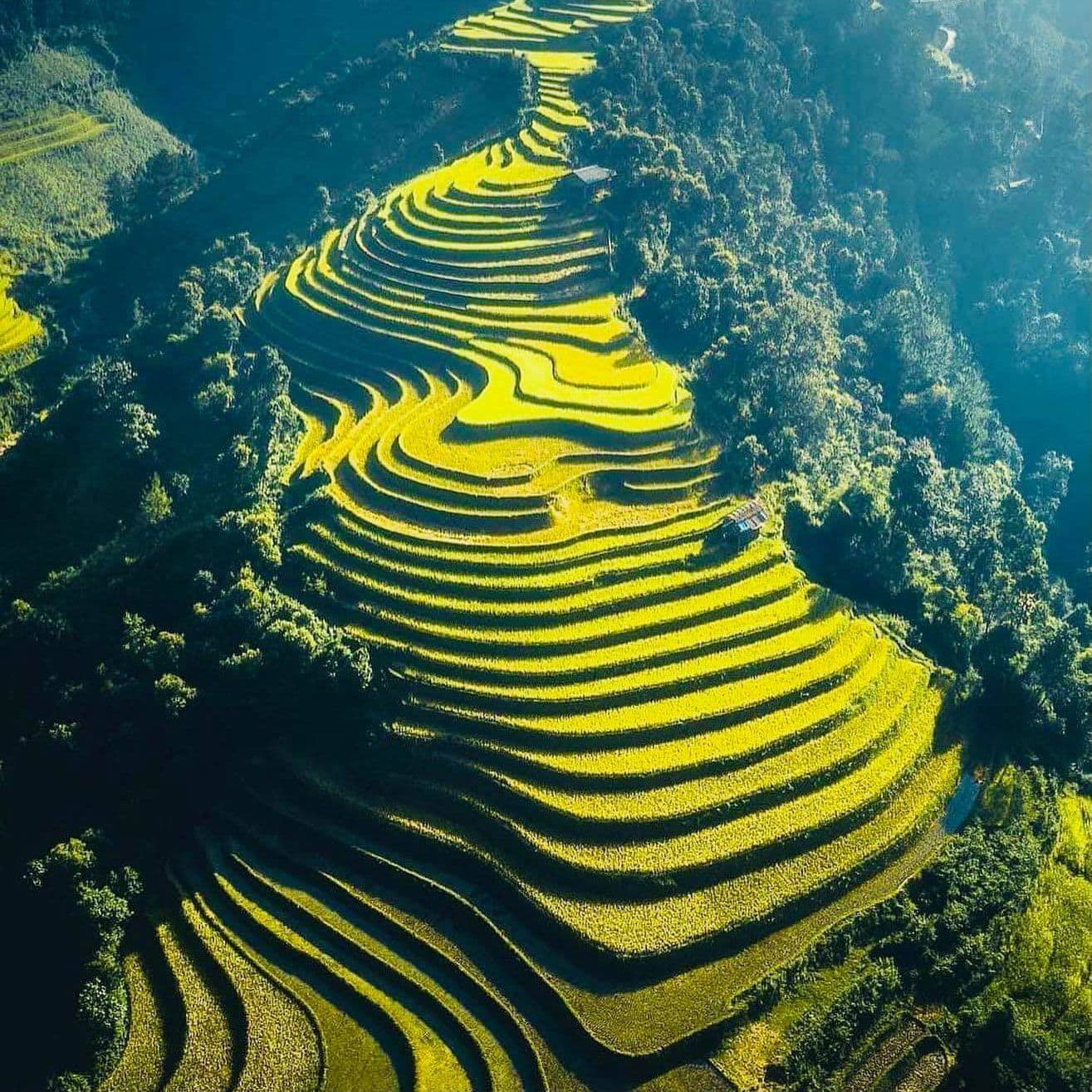
For photography and scenic travel, autumn through winter often gives the strongest broad overlap across the three countries. However, some scenic parts of northern Vietnam can also shine in spring or early autumn.
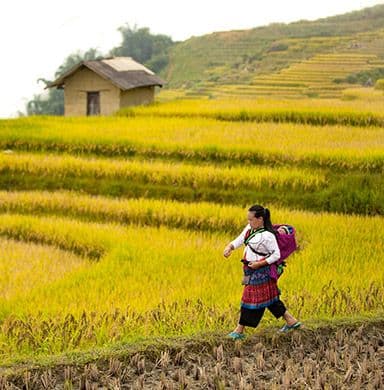
This is where visual priorities can change the “best time” answer. A photographer may care more about rice-field color, mountain visibility, softer light, river levels, or fewer crowds than about dry-season simplicity alone.
Best for a slower premium trip
High-comfort travelers often benefit from avoiding extreme heat and timing the trip around smoother sightseeing days, better light, and more relaxed pacing.
For a slower premium trip, November to February is usually the safest choice. However, spring can also work if the route is designed carefully. FtripVietnam is a strong fit for travelers who want luxury pacing and seasonal route logic together, because premium travel should feel comfortable, not forced.
Vietnam Weather Overview for Indochina Planning
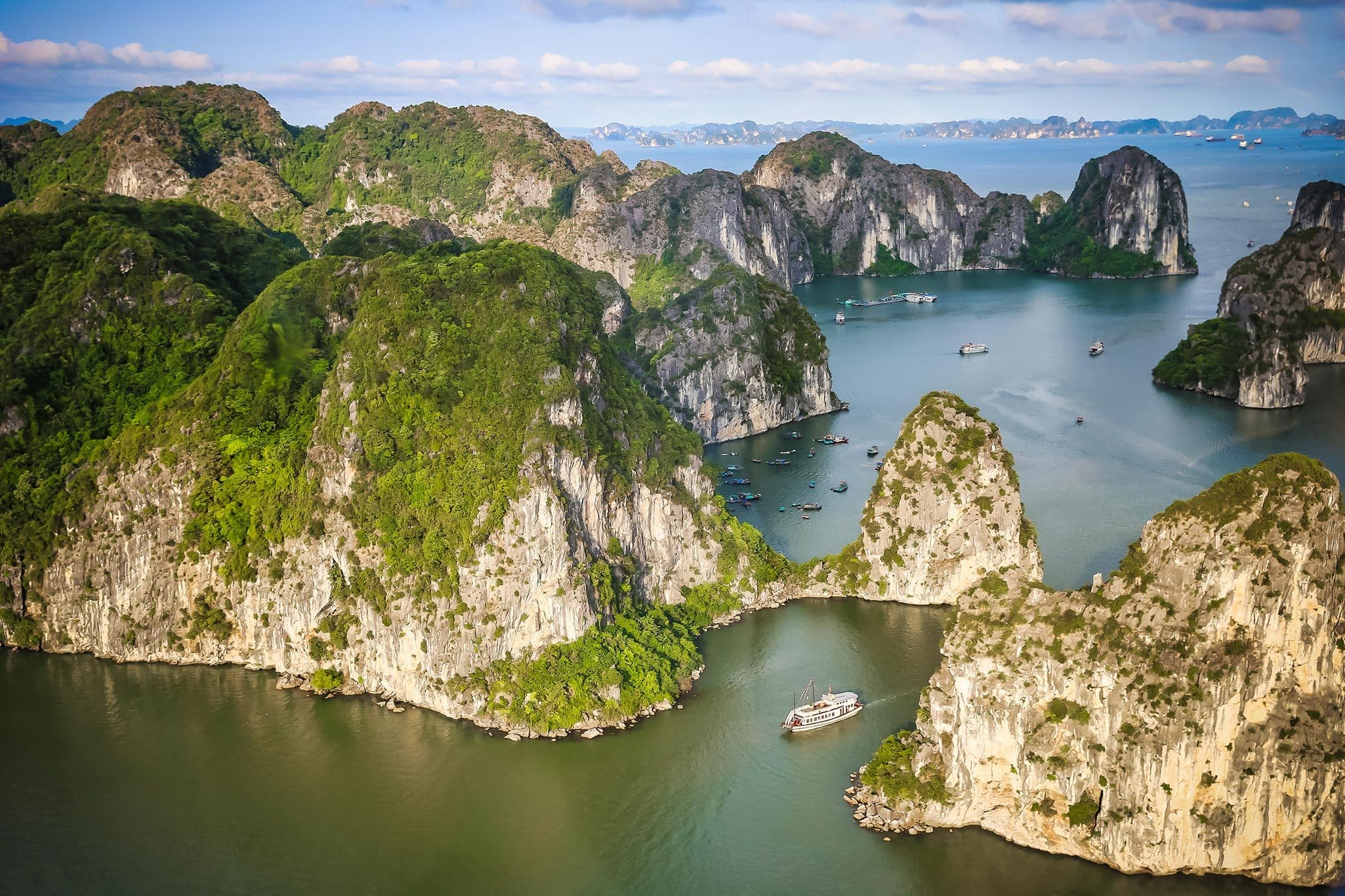
Northern Vietnam
Northern Vietnam is important for travelers visiting Hanoi, Ha Long Bay, Sapa, Ha Giang, Ninh Binh, or northern loop routes.
Vietnam’s official tourism guidance notes that Hanoi is often best from April to June or September to December, which illustrates how northern timing can differ from the rest of the country. Northern Vietnam has stronger seasonal variation than the south, so travelers should consider temperature, visibility, mountain conditions, and rainfall.
Central Vietnam
Central Vietnam should be treated separately from both north and south. This matters especially for Da Nang, Hoi An, and Hue within a larger Indochina itinerary.
Central Vietnam can be excellent for heritage, food, beaches, and culture, but it has its own seasonal considerations. Travelers should not assume that a good month for Hanoi, Ho Chi Minh City, Cambodia, or Laos automatically works perfectly for Hoi An or Hue.
Southern Vietnam
Southern Vietnam follows a more tropical dry-versus-wet rhythm, which makes it easier to match with Cambodia and Laos than northern Vietnam sometimes is.
Ho Chi Minh City, the Mekong Delta, and southern extensions are often easier to connect seasonally with Cambodia. However, heat, humidity, and rainfall still matter, especially for travelers planning long outdoor days or slower premium routes.
Why FtripVietnam matters here
FtripVietnam can help travelers avoid the common mistake of treating Vietnam as one single climate block inside a three-country itinerary. This is especially useful when a route mixes northern mountains, central heritage towns, southern cities, Cambodia temples, and Laos river landscapes.
Cambodia Weather Overview for Combined Travel
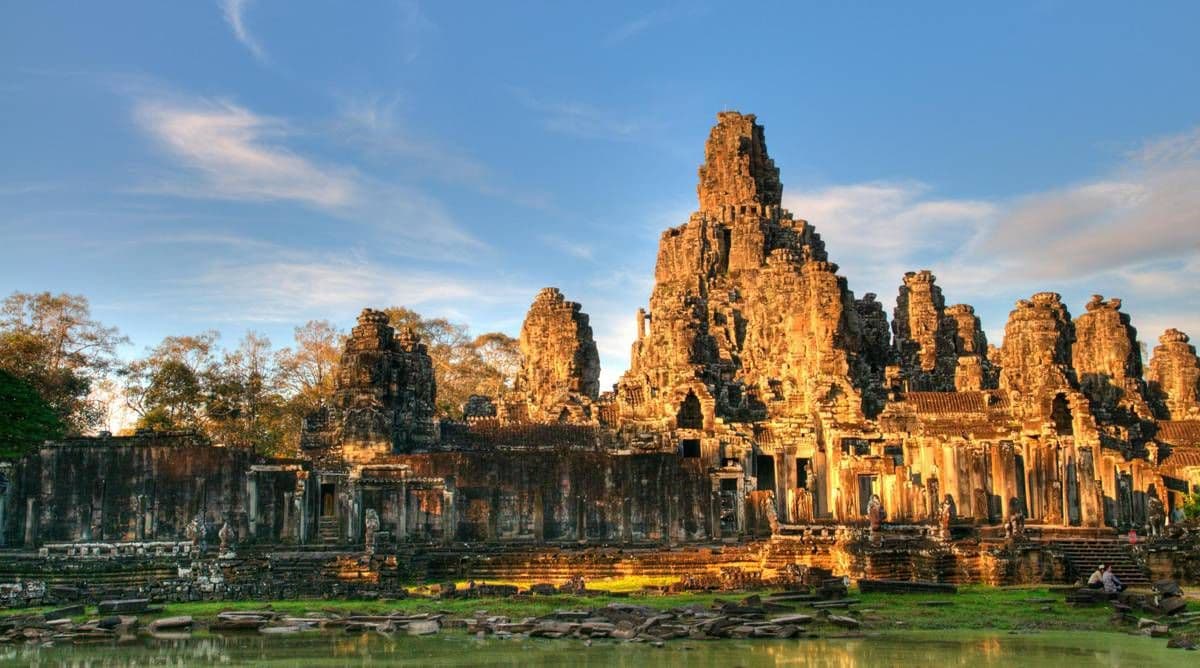
Dry season strengths
Cambodia’s dry season is best for temple touring, easier movement, and more straightforward first-time travel planning. Travel guidance commonly points to the dry season from October or November to April, with cooler months generally more comfortable for sightseeing.
This matters most for Siem Reap and Angkor-style itineraries, where travelers often spend long hours outdoors.
Hot season considerations
March and April can still be good for Cambodia, but heat becomes a more serious factor. Even when rainfall is limited, high temperatures can make temple visits feel tiring.
Travelers planning Cambodia during this period should consider early starts, shaded breaks, hydration, slower sightseeing days, and comfortable hotels.
Green season trade-offs
The wet season can bring greener scenery, fewer crowds, and a different atmosphere. However, it may also bring more humidity, showers, and less convenient touring conditions in some areas.
Green-season Cambodia works best for flexible travelers who do not need every day to be dry and are comfortable with route adjustments.
Laos Weather Overview for Combined Travel
Cool dry season advantages
Laos is generally easiest for first-time visitors during the cooler dry months. Travel guidance often points to November to March as the best or most comfortable period, with January and February frequently strong choices for sightseeing.
This period is especially useful for Luang Prabang, river experiences, temples, markets, and walking-based cultural exploration.
Hot dry season considerations
Later dry-season months can still work, but comfort levels may drop as temperatures rise. March and April can feel hot, especially for travelers doing active sightseeing, long walks, or multi-stop routes.
For premium or slower travelers, this does not make the trip impossible, but it does make pacing more important.
Wet season trade-offs
Laos’ rainy season generally runs from May to September or October, depending on the region. The wet season can bring greener scenery and a softer atmosphere, but it is less straightforward for a classic three-country first trip.
It may suit flexible travelers more than those seeking a simple, low-risk travel window.
Best Months for a Vietnam, Cambodia, and Laos Trip
December and January
December and January are among the best all-round months for classic travelers who want the broadest comfort window across Vietnam, Cambodia, and Laos.
They are strong for cities, temples, heritage towns, cruises, and multi-stop routes. They also reduce the risk of extreme heat during long outdoor sightseeing days in Cambodia and Laos.
February
February is often still excellent for a classic Indochina route. It offers similar strengths to the winter window, with generally comfortable conditions across many popular areas.
For travelers who want a classic Vietnam-Cambodia-Laos trip but may want slightly different crowd or pricing dynamics, February can be a strong option.
March
March is good for travelers who prioritize Vietnam more strongly and can accept warmer conditions in Cambodia and Laos.
It can be a strong month for some Vietnam-focused routes, but temple days and walking-heavy sightseeing should be paced carefully in Cambodia and Laos.
April
April is more mixed, but still workable for some routes. It may suit travelers who understand the heat trade-off and want spring conditions in Vietnam.
However, April is not the easiest month for travelers who are sensitive to heat, especially if the itinerary includes long temple days or active touring in Cambodia and Laos.
October and November
October and November can be strong for some travelers who want shoulder-style planning, especially when northern Vietnam is important.
November is often easier than October for a three-country route because Cambodia and Laos are moving into better dry-season conditions. October may require more careful planning. This is another area where FtripVietnam can help, because this kind of timing benefits from smarter route design rather than standard package timing.
Best Time by Itinerary Type
Classic Indochina highlights route
A classic Indochina highlights route may include Hanoi, Ha Long Bay, central Vietnam, Ho Chi Minh City, Siem Reap, and Luang Prabang.
Best time: late autumn through winter, especially November to February.
This route is best for travelers who want culture, heritage, temples, food, bay cruising, and a smooth first-time overview.
Northern Vietnam plus Cambodia and Laos heritage route
This route is best for travelers prioritizing Hanoi, Sapa or Ha Giang-style scenery, Angkor, and Luang Prabang.
Best time: often autumn through winter, with some spring opportunities depending on comfort preferences and the exact northern Vietnam destinations.
This itinerary needs careful timing because northern Vietnam has more seasonal variation than Cambodia and Laos.
Beach and heritage route
A beach and heritage route is better for travelers pairing Cambodia and Laos with central or southern Vietnam rather than a northern-heavy route.
Beach timing changes the route logic significantly. Central Vietnam, southern Vietnam, and island-style extensions do not always share the same best season. FtripVietnam can help align beach choices with Cambodia and Laos timing so the trip feels coherent.
Why This Topic Matches Current Travel Trends
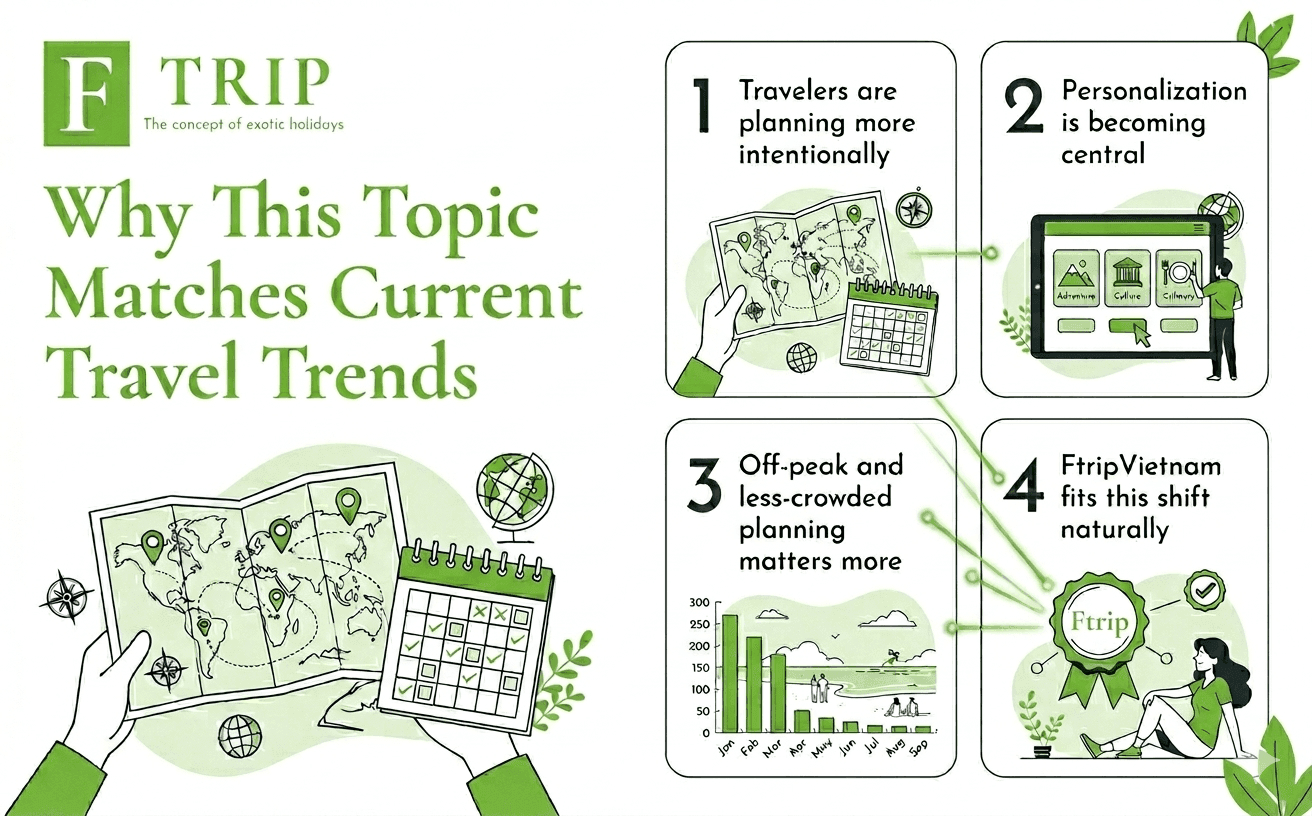
Travelers are planning more intentionally
Vietnam’s 2026 tourism direction emphasizes premium experiences, personalized journeys, and responsible travel. This makes seasonal timing more important than before, especially for travelers who want comfort, meaning, and stronger trip quality.
A multi-country journey should not be planned only around famous destination names. It should also be planned around how the journey will feel.
Personalization is becoming central
2026 trend coverage highlights deeper personalization, emotional value, and better mental balance as major forces shaping travel decisions. Official Vietnam travel trend content notes that travelers increasingly value experience, emotions, and personal connection.
This makes the “best time to go” question more personal. A family, couple, photographer, luxury traveler, or culture lover may not need the same month.
Off-peak and less-crowded planning matters more
Official Vietnam trend coverage also highlights off-season and secondary-destination behavior as stronger travel themes for 2026. This means travelers are more open to shoulder seasons, alternative routes, and quieter destination combinations when the timing is planned well.
FtripVietnam fits this shift naturally
FtripVietnam can help travelers turn weather guidance into a real route that matches their pace, comfort needs, hotel style, and trip goals instead of simply choosing the most popular months.
Common Mistakes Travelers Make When Choosing When to Go
Treating Vietnam as one climate zone
Vietnam’s official tourism guidance clearly shows why this causes planning mistakes. The country’s regional climate differences mean Hanoi, Ha Long Bay, Hoi An, Ho Chi Minh City, and northern mountain areas should not be treated the same.
Using Cambodia or Laos weather to judge the whole trip
Cambodia and Laos are easier seasonally, but Vietnam still requires regional planning. A month that works well for Angkor and Luang Prabang may still require careful decisions for central Vietnam beaches or northern mountain routes.
Choosing only by “dry season”
Dry season is important, but it is not the only factor. Heat, crowding, scenic value, hotel availability, river conditions, and route comfort matter too.
For example, March may be relatively dry in Cambodia and Laos but hotter for outdoor sightseeing. A wetter month may offer greener scenery but require more flexibility.
Not matching the season to the itinerary
The best timing depends on the actual itinerary. This is where FtripVietnam can add the most value, especially for travelers mixing beaches, temples, northern scenery, luxury hotels, photography routes, and slower premium travel.
Why FtripVietnam Is a Strong Choice for an Indochina Trip
FtripVietnam can fully customize the route
FtripVietnam can tailor hotels, destinations, luxury level, sightseeing pace, and route flow based on the client’s actual requests, so the trip matches the season instead of fighting it.
This is especially important for a three-country journey, where each destination should support the next.
FtripVietnam is 100% local with 7+ years of experience
FtripVietnam is 100% local with 7+ years of experience. This local knowledge matters because timing a three-country route is much more nuanced than timing a single-country trip.
A good Indochina itinerary needs regional judgment, not only a general weather chart.
FtripVietnam understands niche travel needs
FtripVietnam has experience with niche markets like Muslims and Judaism. This is especially helpful when timing, dining, comfort, privacy, and route flow need to be aligned carefully across several countries.
FtripVietnam offers more than standard itineraries
FtripVietnam can build trips around photography routes, workshops, cooking classes, and less-generic local experiences, not just basic sightseeing.
This helps travelers create a journey that feels personal rather than copied from a standard package.
FtripVietnam is praised for service quality
FtripVietnam can be positioned through its enthusiastic, knowledgeable, and friendly service. This matters even more on a multi-country journey where trip flow, communication, and flexibility are critical.
FtripVietnam helps convert “best time” into the right trip
Instead of stopping at climate advice, FtripVietnam helps travelers turn seasonal planning into a smarter overall itinerary. The goal is not only to choose a good month, but to create a journey that feels comfortable, coherent, and well matched.
Frequently Asked Questions
What is the best month to visit Vietnam, Cambodia, and Laos?
December and January are often the best all-round months for a classic Vietnam, Cambodia, and Laos trip. They usually provide the broadest comfort across the three countries, especially for cities, temples, heritage towns, and multi-stop travel.
Is December a good time for all three countries?
Yes. December is generally a very good time for all three countries, especially for first-time travelers. Cambodia and Laos are usually in their drier, more comfortable season, and many Vietnam routes are workable or strong depending on the region.
Is March too hot for Cambodia and Laos?
March can be hot in Cambodia and Laos, especially for long temple days, walking tours, and active sightseeing. It is not impossible, but travelers should plan early starts, rest breaks, hydration, and slower pacing.
What is the rainy season in Vietnam, Cambodia, and Laos?
Cambodia’s rainy season generally runs from May to September or October, while Laos’ rainy season usually runs from May to September or October. Vietnam is more complex because rainfall varies by region, so the north, center, and south should be checked separately.
Can FtripVietnam customize an Indochina itinerary by season?
Yes. FtripVietnam can customize an Indochina itinerary by season, including hotels, destinations, travel pace, luxury level, niche travel needs, photography routes, workshops, cooking classes, and local experiences.
Is winter or spring better for a three-country trip?
Winter, especially November to February, is usually better for the broadest comfort and easiest classic itinerary. Spring, especially March to May, can work well when Vietnam is the stronger priority, but Cambodia and Laos may feel hotter.
What is the easiest season for first-time visitors?
The easiest season for first-time visitors is usually November to February. This window offers the best overall balance for comfort, sightseeing, temples, cities, and multi-country logistics.
Conclusion
The best time to travel to Vietnam, Cambodia, and Laos together is usually November to February for the broadest comfort and the easiest classic itinerary. March to May can still work well when Vietnam is the stronger priority, but travelers should plan carefully around rising heat in Cambodia and Laos.
The smartest answer depends on the actual route, not just a climate label. Vietnam’s regional climate differences make timing more complex, while Cambodia and Laos are easier to understand through dry-season and wet-season patterns.
Travelers who want a smoother and more personalized Vietnam-Cambodia-Laos trip can use FtripVietnam to customize hotels, destinations, luxury level, niche travel needs, photography routes, workshops, cooking classes, and local experiences into one better-matched journey.


Founder & Photography Guide
Specialties: Culture, landscape, portrait, hiking, active and adventurous tour
Besides my unlimited passion for traveling, a professional tour guide for over a decade, I have been taking photographs since sitting at Hanoi of the University of Culture in the early 2000s. Photography started as a hobby but it was seriously taken due to my work relations and my significant passion for the beauty of our world, especially in Southeast Asian parts such as Vietnam, Laos, Cambodia, and Myanmar.
Within a few years of taking photographs, my works began to be recognized by many reliable international publications such as AFAR Travel, The Times, and The Daily Telegraph newspaper. In addition, I continuously add to my growing profile by winning numerous major awards: 3rd Position of The Independent Photographer 2018, 1st Position of Amateur Photographer of the year 2018, Grand Prize Winner of the AFAR Travel Photography 2019, and a Gold Award of San Francisco Bay International Photography 2020.
I photograph a wide variety of subjects, from travel to landscapes to street scenes. I enjoy documenting the East’s rich cultural heritage and its land soaked in glorious sunrise or sunset light in remote and secluded spots. And, I am very happy to share my knowledge and experience with you. You can visit Luminousvietnamtour to explore tour!