- Quick answer
- What “ranked among the world’s best” really means
- Reason 1: Balance is built into Vietnamese flavor design
- The five-flavor harmony
- Dipping sauces are a “flavor dial”
- Texture balance boosts satisfaction
- Reason 2: Fresh herbs make every bite feel alive
- Reason 3: Broth mastery creates depth without heaviness
- Phở-style broth logic
- Soups beyond phở
- Home-style anchors: clay-pot braises
- Reason 4: Charcoal grilling turns street food into magic
- Why charcoal matters
- Marinade logic (simple but powerful)
- Reason 5: Vietnam is “three cuisines in one”
- Northern Vietnam
- Central Vietnam
- Southern Vietnam
- Reason 6: Accessibility + value (street food culture done right)
- Reason 7: The “healthy” perception (and the nuance)
- Reason 8: Iconic dishes that travel well globally
- What to eat to understand Vietnamese cuisine in one week
- How to find truly great Vietnamese food (without tourist traps)
- FtripVietnam services
- FAQs
- Conclusion
Vietnamese food doesn’t win hearts by being loud—it wins by being balanced: bright herbs, clean broths, smoky grills, and sauces that hit sweet–salty–sour in one bite.
This article explains why Vietnamese cuisine is globally celebrated using clear pillars—flavor science, technique, culture, health perception, and regional diversity—with practical examples you can actually taste on your trip.
Quick answer
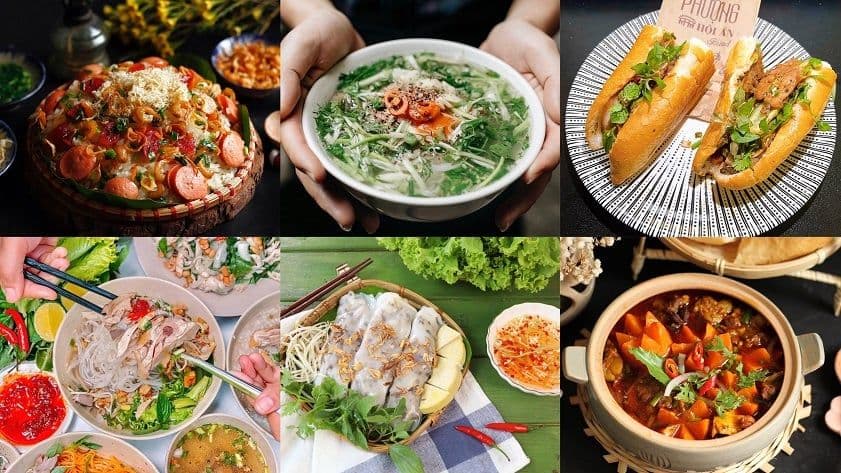
Vietnamese cuisine is widely loved because it combines fresh herbs and vegetables, balanced flavors (sweet–salty–sour–spicy–umami), and light yet deeply flavorful techniques like long-simmered broths and charcoal grilling. It also offers huge regional variety—Northern subtlety, Central spice and complexity, Southern sweetness and abundance—so travelers can explore “many cuisines in one country.” Add affordability, street-food accessibility, and iconic dishes like phở, bún chả, bánh mì, and gỏi cuốn, and it’s easy to see why Vietnam earns global praise.
What “ranked among the world’s best” really means
When you see Vietnam “ranked” highly, it usually reflects a mix of:
- Travel media lists and editorial picks
- Food platform ratings and user reviews
- Chef opinions and culinary awards
- Social proof (what travelers repeatedly search, share, and return for)
Vietnam performs well across common “best cuisine” criteria:
- Taste: balanced, fresh, aromatic
- Value: excellent meals at approachable prices
- Variety: regional cuisines and endless street specialties
- Accessibility: food is everywhere, fast, and easy to try
- Health perception: herbs, vegetables, soups, grilled proteins
Reason 1: Balance is built into Vietnamese flavor design
Vietnamese cooking is structured around harmony, not intensity.
The five-flavor harmony
Most great Vietnamese meals naturally combine:
- Salty
- Sweet
- Sour
- Spicy
- Bitter/umami
You’ll feel this balance most clearly in noodle soups and grilled dishes where broth or sauce is designed to taste “complete,” not one-note.
Dipping sauces are a “flavor dial”
Fish sauce–based dips (and their regional variations) let you adjust:
- More acidity (lime or vinegar)
- More heat (fresh chili)
- More aroma (garlic)
- More sweetness (sugar balance, common in the South)
Texture balance boosts satisfaction
Vietnamese meals often pair:
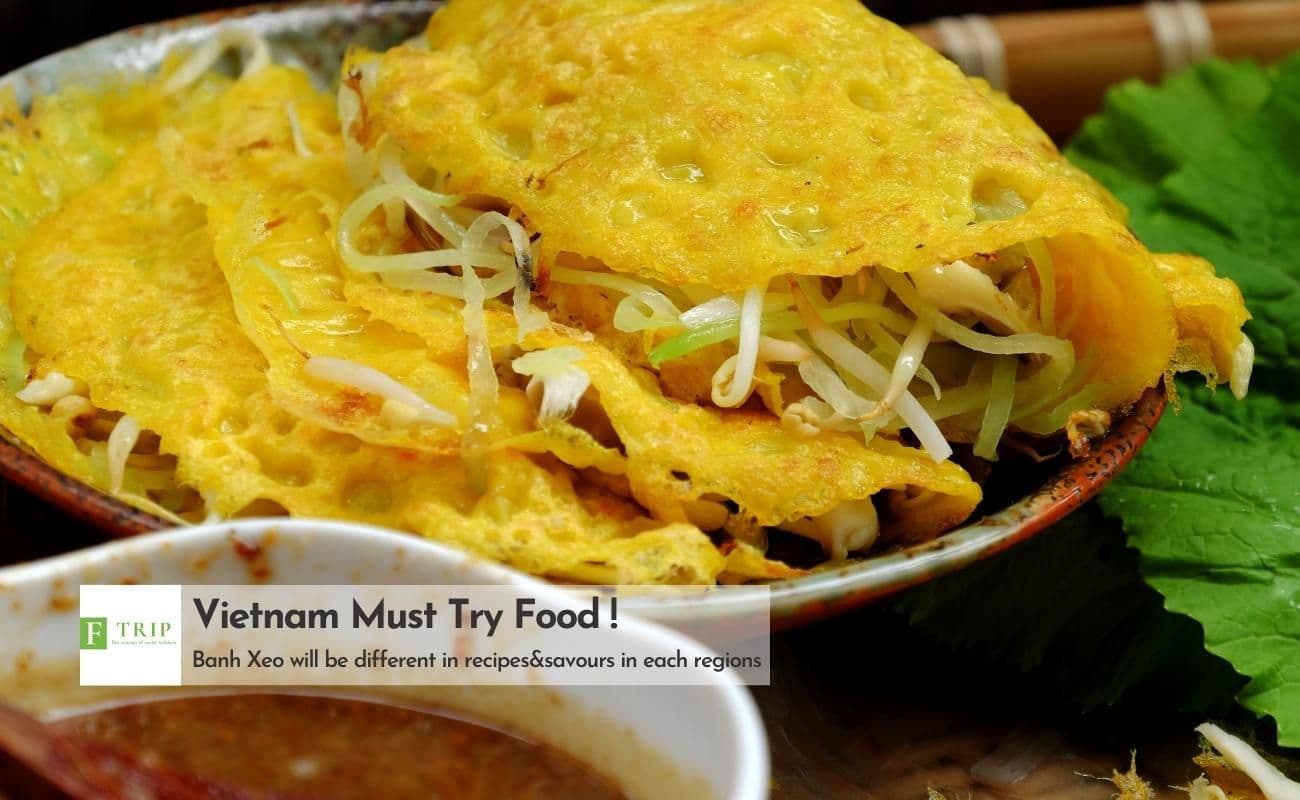
- Crispy + soft (bánh xèo)
- Hot + fresh herbs (bún chả, phở)
- Rich + acidic pickles (bánh mì, braised dishes)
That contrast is why Vietnamese food feels exciting without feeling heavy.
Reason 2: Fresh herbs make every bite feel alive
Herb baskets are not garnish—they’re core ingredients.
Common herbs you’ll see and why they matter:
- Mint: cooling and bright
- Perilla: peppery, slightly medicinal aroma
- Vietnamese coriander: deeper, warmer herbal note
- Dill: signature aroma for dishes like chả cá
- Thai basil: sweet spice and lift
This “freshness signature” is one reason Vietnamese cuisine often feels lighter than many other rich, sauce-heavy food traditions.
Reason 3: Broth mastery creates depth without heaviness
Vietnam has a deep broth culture built on patience and clarity.
Phở-style broth logic
Great phở is not “strong” because of heavy seasoning—it’s strong because of:
- Long simmering
- Aromatics (ginger, onion, spices)
- Skimming for clarity
- Layered tasting and adjustment
Soups beyond phở
Vietnam’s soup universe is huge and region-specific:
- Bún bò Huế: spicy, lemongrass depth
- Bún riêu: tangy tomato-crab profile
- Hủ tiếu: Southern comfort broth, often slightly sweeter
Home-style anchors: clay-pot braises
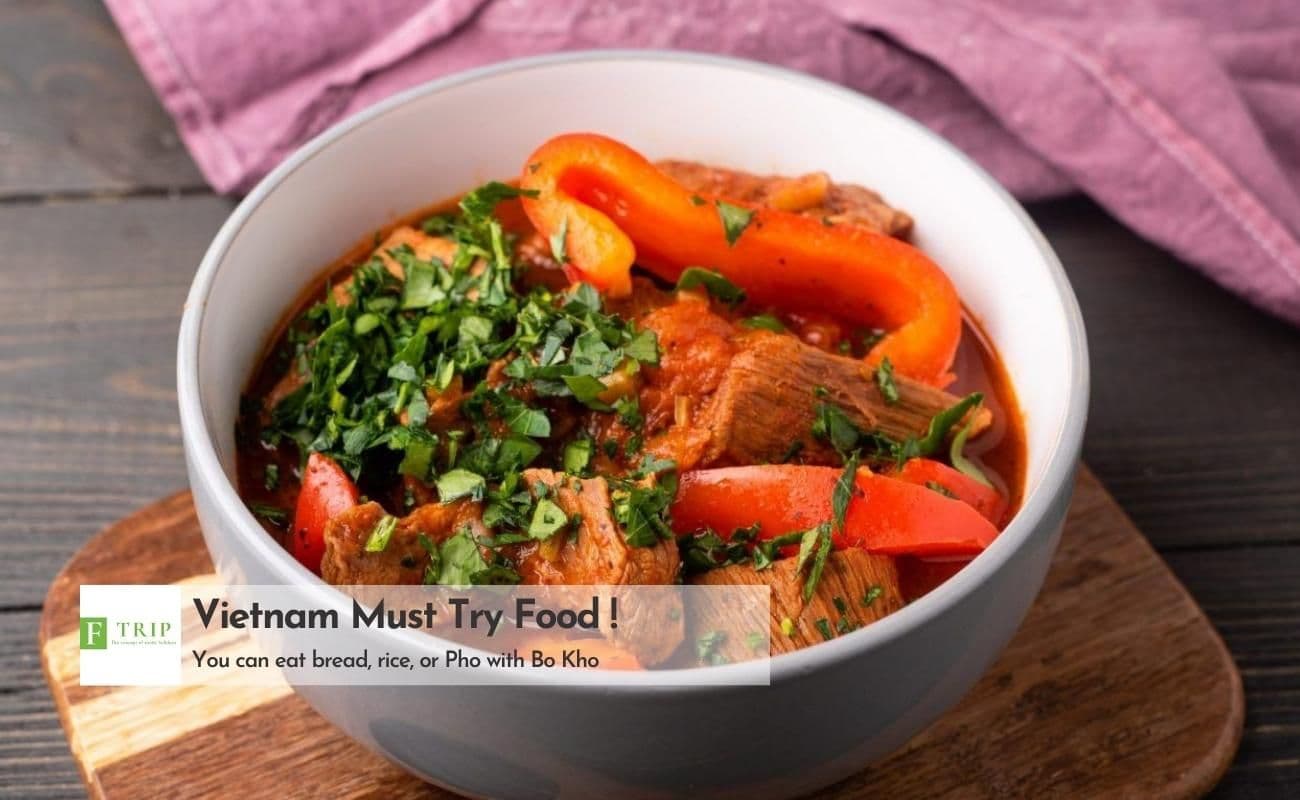
Dishes like cá kho tộ and thịt kho rely on slow reduction and caramelization for flavor density—deep taste, not oily heaviness.
Reason 4: Charcoal grilling turns street food into magic
Vietnam’s street grills don’t just cook food—they perfume entire streets.
Why charcoal matters
Smoky aroma is essential for dishes like bún chả and countless skewers. It delivers:
- Smell-first appetite trigger
- Crisp edges and caramel notes
- A “fast, fresh” eating rhythm
Marinade logic (simple but powerful)
Many Vietnamese marinades revolve around:
- Lemongrass
- Garlic
- Fish sauce
- Sugar (for caramelization)
The result is that iconic sweet-savory-smoky profile that travelers remember.
Reason 5: Vietnam is “three cuisines in one”
If you eat from North to South, it feels like multiple countries.
Northern Vietnam
- Cleaner broths, subtler seasoning, less sweetness
- Signature examples: phở, bún thang, chả cá
Central Vietnam
- Spicier, layered, fermented condiments, imperial influence
- Signature examples: bún bò Huế, mì Quảng, bánh bèo/nậm/lọc, cao lầu
Southern Vietnam
- Slightly sweeter sauces, abundant herbs, tropical ingredients
- Signature examples: cơm tấm, hủ tiếu, bánh mì Sài Gòn, canh chua
This regional diversity is a major reason Vietnam stays exciting for repeat visitors.
Reason 6: Accessibility + value (street food culture done right)
Vietnamese food is easy to love because it’s easy to try.
- Great meals at approachable prices
- Quick service and “eat anytime” culture
- Food everywhere: markets, alleys, sidewalks, family-run shops
Street food turns tourists into fans fast—because the barrier to entry is low and the reward is high.
Reason 7: The “healthy” perception (and the nuance)
Vietnamese cuisine often feels healthier because:
- It’s herb- and vegetable-forward
- Soups and grilled proteins are common
- Steaming and boiling are frequent techniques
Nuance matters:
- Fish sauce adds sodium
- Some Southern dishes lean sweeter
- Fried snacks exist everywhere
How to eat “lighter” while still authentic:
- Choose soups, grilled proteins, herb-heavy plates
- Add fresh herbs and pickles
- Balance fried snacks with broth-based meals
Reason 8: Iconic dishes that travel well globally
Vietnam’s biggest export dishes match modern eating habits: portable, customizable, flavorful.
- Bánh mì: compact, balanced, craveable
- Phở: comforting, aromatic, consistent
- Gỏi cuốn: fresh, shareable, light starter
These dishes convert first-timers quickly and keep them coming back.
What to eat to understand Vietnamese cuisine in one week
Use this simple tasting roadmap to “get it” fast.
- Day 1: phở + bánh cuốn
- Day 2: bún chả (lunch) + egg coffee
- Day 3: bún bò Huế or mì Quảng
- Day 4: cơm tấm or hủ tiếu
- Day 5: bánh mì + gỏi cuốn
- Day 6: bánh xèo + snack crawl
- Day 7: seafood night or hotpot night + chè (dessert)

How to find truly great Vietnamese food (without tourist traps)
- Choose specialist shops with short menus
- Follow locals at peak meal times
- Avoid pan-Asian menus in tourist cores
- Look for high turnover and clear pricing
- Don’t judge by English menus or décor
FtripVietnam services
- Curated food routes by region: Hanoi heritage classics, Hue specialties, Saigon street-food nights
- Local guide-led food tours: dish explanations, ordering help, no tourist-trap pacing
- Market visits + cooking classes: learn why Vietnamese food tastes the way it does
- Custom dietary planning: vegetarian/halal/no-seafood routes while keeping meals authentic
FAQs
What makes Vietnamese food different from other Asian cuisines? Herb-forward freshness, balanced sauces, and regional diversity across North–Central–South.
Is Vietnamese food healthy? Often lighter due to soups, herbs, and grilling—just watch sodium and sweetness in some dishes.
What is the most famous Vietnamese dish? Phở is the global icon; bánh mì is the street-food superstar.
Which city in Vietnam has the best food? Hanoi for Northern classics, Hue for depth and spice, Ho Chi Minh City for variety and street culture.
Is street food in Vietnam safe for tourists? Generally yes—choose busy stalls with hot food and high turnover.
Conclusion
Vietnamese cuisine is globally loved because it nails the fundamentals: balance, freshness, technique, regional variety, and accessibility. Follow the tasting roadmap above to experience it for yourself—or let FtripVietnam build a food-first itinerary that matches your timeline, preferences, and travel style.


Founder & Photography Guide
Specialties: Culture, landscape, portrait, hiking, active and adventurous tour
Besides my unlimited passion for traveling, a professional tour guide for over a decade, I have been taking photographs since sitting at Hanoi of the University of Culture in the early 2000s. Photography started as a hobby but it was seriously taken due to my work relations and my significant passion for the beauty of our world, especially in Southeast Asian parts such as Vietnam, Laos, Cambodia, and Myanmar.
Within a few years of taking photographs, my works began to be recognized by many reliable international publications such as AFAR Travel, The Times, and The Daily Telegraph newspaper. In addition, I continuously add to my growing profile by winning numerous major awards: 3rd Position of The Independent Photographer 2018, 1st Position of Amateur Photographer of the year 2018, Grand Prize Winner of the AFAR Travel Photography 2019, and a Gold Award of San Francisco Bay International Photography 2020.
I photograph a wide variety of subjects, from travel to landscapes to street scenes. I enjoy documenting the East’s rich cultural heritage and its land soaked in glorious sunrise or sunset light in remote and secluded spots. And, I am very happy to share my knowledge and experience with you. You can visit Luminousvietnamtour to explore tour!