- When to Go, Where to See Peak Gold, and How to Plan a Crowd-Free Trip
- Quick answer
- What “golden season” means and why timing matters
- Golden season calendar at a glance (by region)
- Best places to see Vietnam rice terraces in golden season
- 1) Sapa & Mường Hoa Valley (Lào Cai)
- 2) Mù Cang Chải (Yên Bái)
- 3) Hoàng Su Phì (Hà Giang Province)
- 4) Pù Luông (Thanh Hóa)
- How to get there (the planning reality most guides skip)
- Choose “base vs valley” the smart way
- Build buffer time
- Where to stay for the best terrace views
- The perfect 2–5 day itineraries
- Option A: 2 days (best short trip)
- Option B: 3 days (best balance) — Mù Cang Chải
- Option C: 5 days (photography + deep culture) — Hoàng Su Phì
- Photography guide: how to capture the terraces at their best
- Best light
- The shots that always work
- Simple crowd-avoidance for photos
- Practical checklist: what to pack for golden season
- Responsible travel (short, essential)
- FtripVietnam: Golden Season Rice Terraces planning support
- FAQs
- When is the best time to see golden rice terraces in Vietnam?
- Which is better for golden season: Sapa or Mù Cang Chải?
- Is Hoàng Su Phì worth it if I’m short on time?
- Can I do rice terraces as a day trip from Hanoi?
- Conclusion: Plan for the short window, and Vietnam turns to gold
When to Go, Where to See Peak Gold, and How to Plan a Crowd-Free Trip
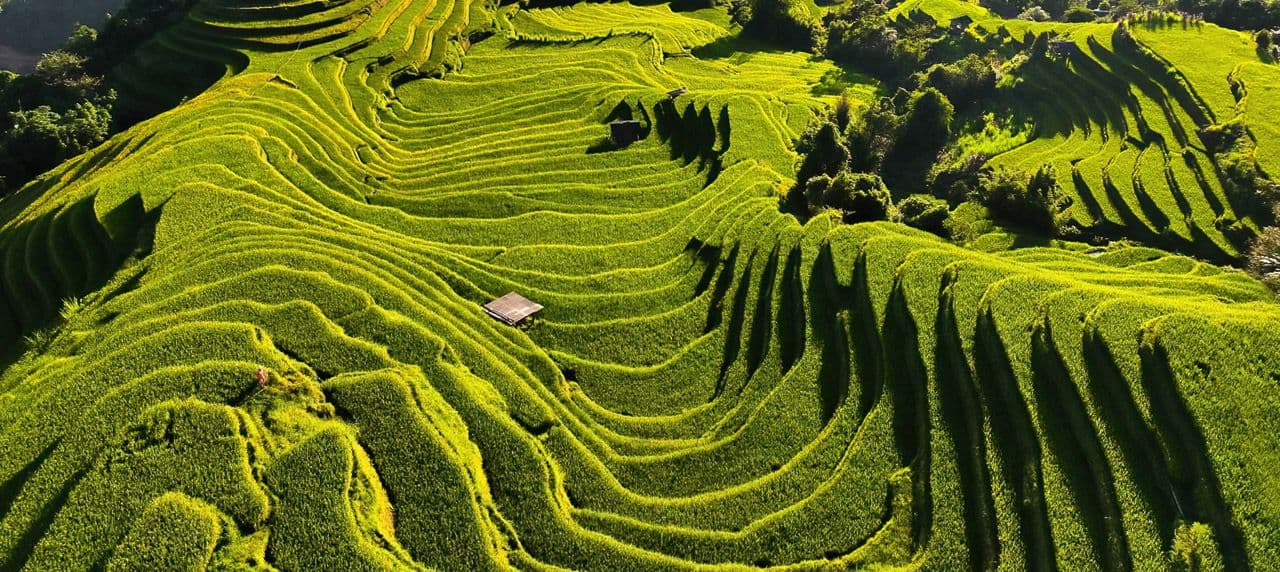
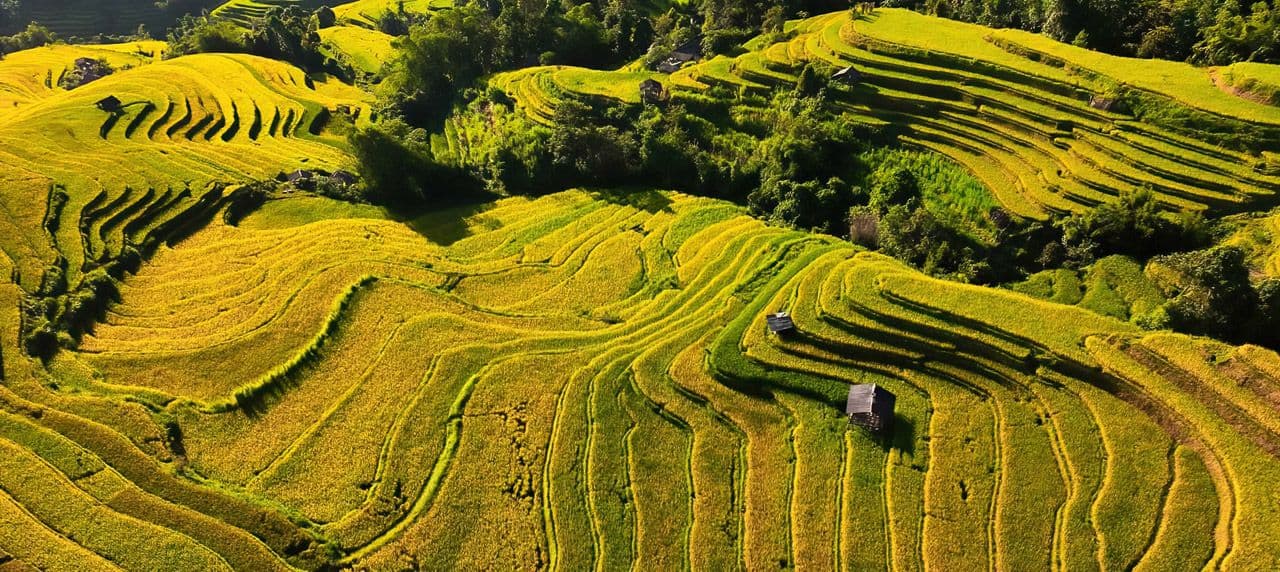
For a few short weeks each year, Vietnam’s mountain valleys turn into layered waves of gold—misty mornings, harvest songs, and terraces that look hand-painted from the sky. If you time it right, you’ll catch the exact moment the fields shift from green to yellow to glowing amber.
This guide gives you the practical plan: when to go, which terrace regions peak first, how to choose the best base, and how to shoot sunrise views without the crowds.
Quick answer
Vietnam’s rice-terrace “golden season” generally runs late August to October, but peak timing varies by valley and altitude. Sapa’s terraces often turn golden from mid-August to late September, while Mù Cang Chải is famous for harvesting gold in September–October, and Hoàng Su Phì typically peaks from late September to early October. For fewer crowds and the best light, aim for weekday mornings, stay inside the valley (not only in the main town), and give yourself at least two full days on location so weather or fog doesn’t ruin your only sunrise.
What “golden season” means and why timing matters
“Golden season” is the short period right before harvest, when ripening rice turns terraces from green into luminous gold. In terrace regions, that window can be brief—often 1–3 weeks depending on rainfall, temperature, and elevation differences between villages.
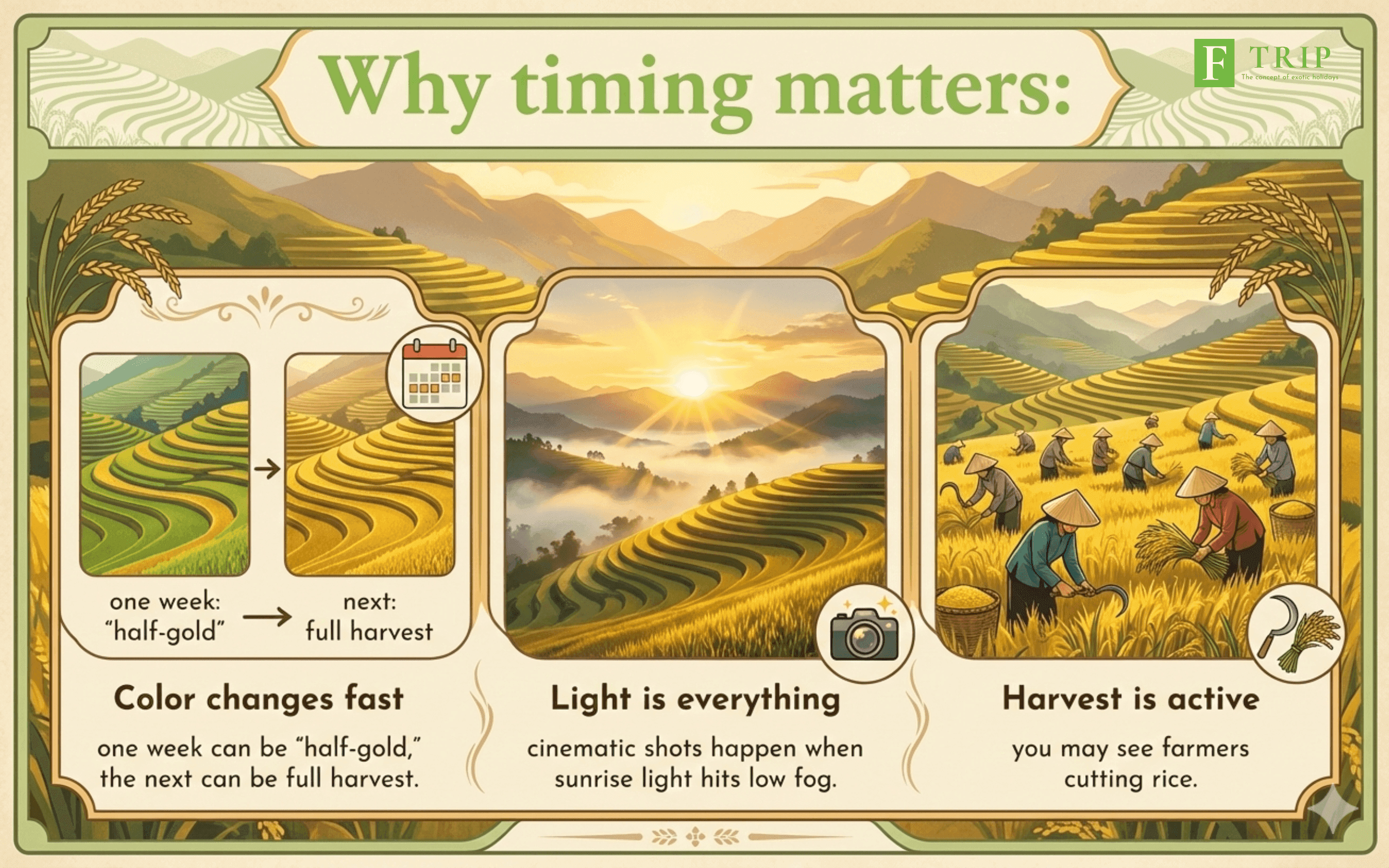
Why timing matters:
- Color changes fast: one week can be “half-gold,” the next can be full harvest.
- Light is everything: cinematic shots happen when sunrise light hits low fog, making the terraces glow.
- Harvest is active: you may see farmers cutting rice (be respectful, ask before close portraits).
Golden season calendar at a glance (by region)
Use this as your “best bet” planning window:
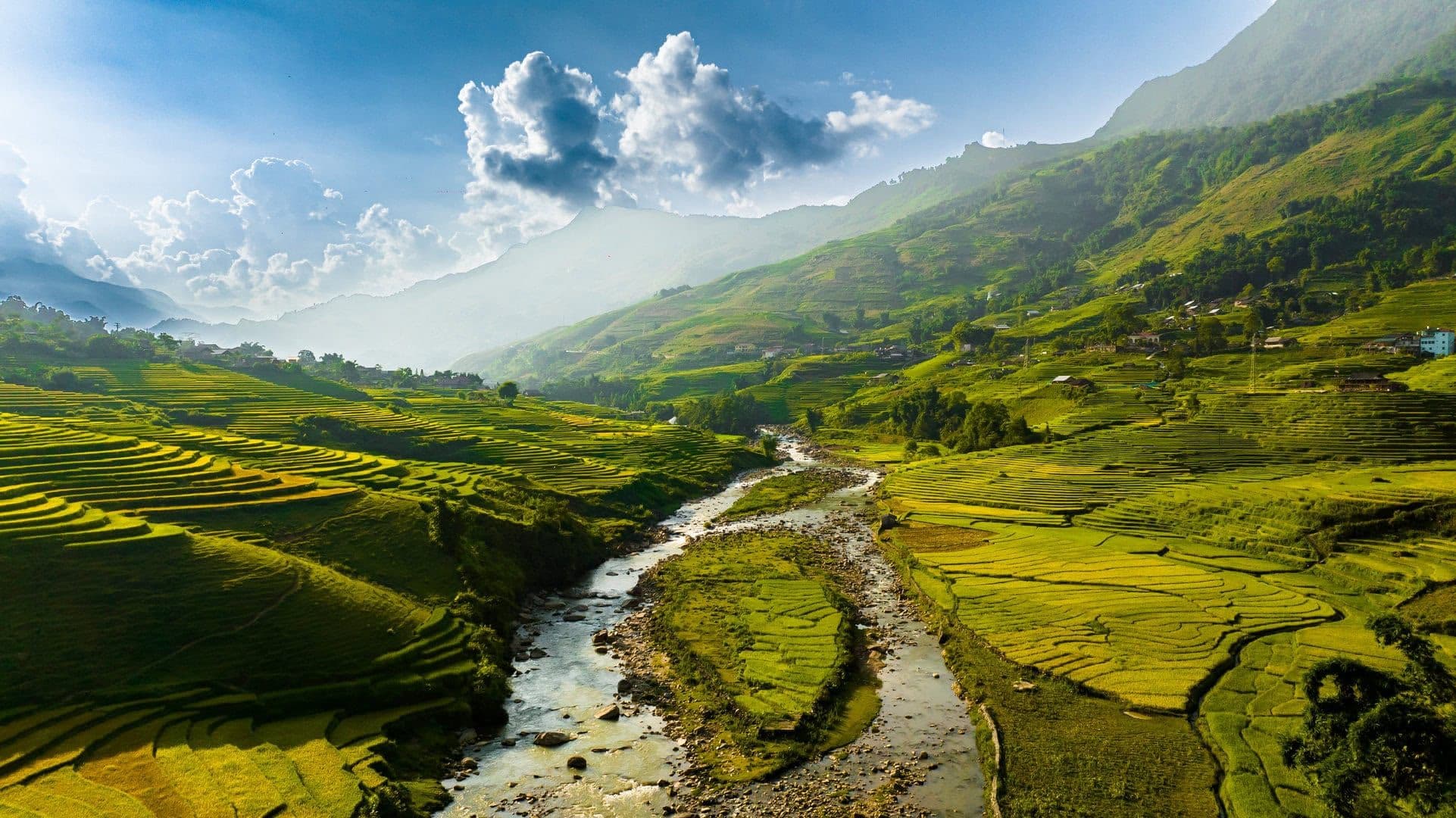
- Sapa (Mường Hoa Valley): commonly mid-August → late September
- Mù Cang Chải (Yên Bái): commonly September → October
- Hoàng Su Phì (Hà Giang): commonly late September → early October
- Pù Luông (Thanh Hóa): two rice seasons—May–June and September–October
Best places to see Vietnam rice terraces in golden season
1) Sapa & Mường Hoa Valley (Lào Cai)
Best for: first-timers, easy access, iconic valley scenery, village trekking Why it’s special: Sapa gives you classic terraced landscapes with convenient logistics and many trekking routes through ethnic minority villages. Golden season is widely described as mid-August to late September.
Where to focus (more practical than “see everything”):
- Lao Chải – Tả Van route: the signature valley trek with big terrace views
- Quieter village edges: choose a valley stay for better sunrise access (not just Sapa town)
Avoid the common mistake:
- Staying only in Sapa town center can mean long drives to sunrise viewpoints and more crowds.
2) Mù Cang Chải (Yên Bái)
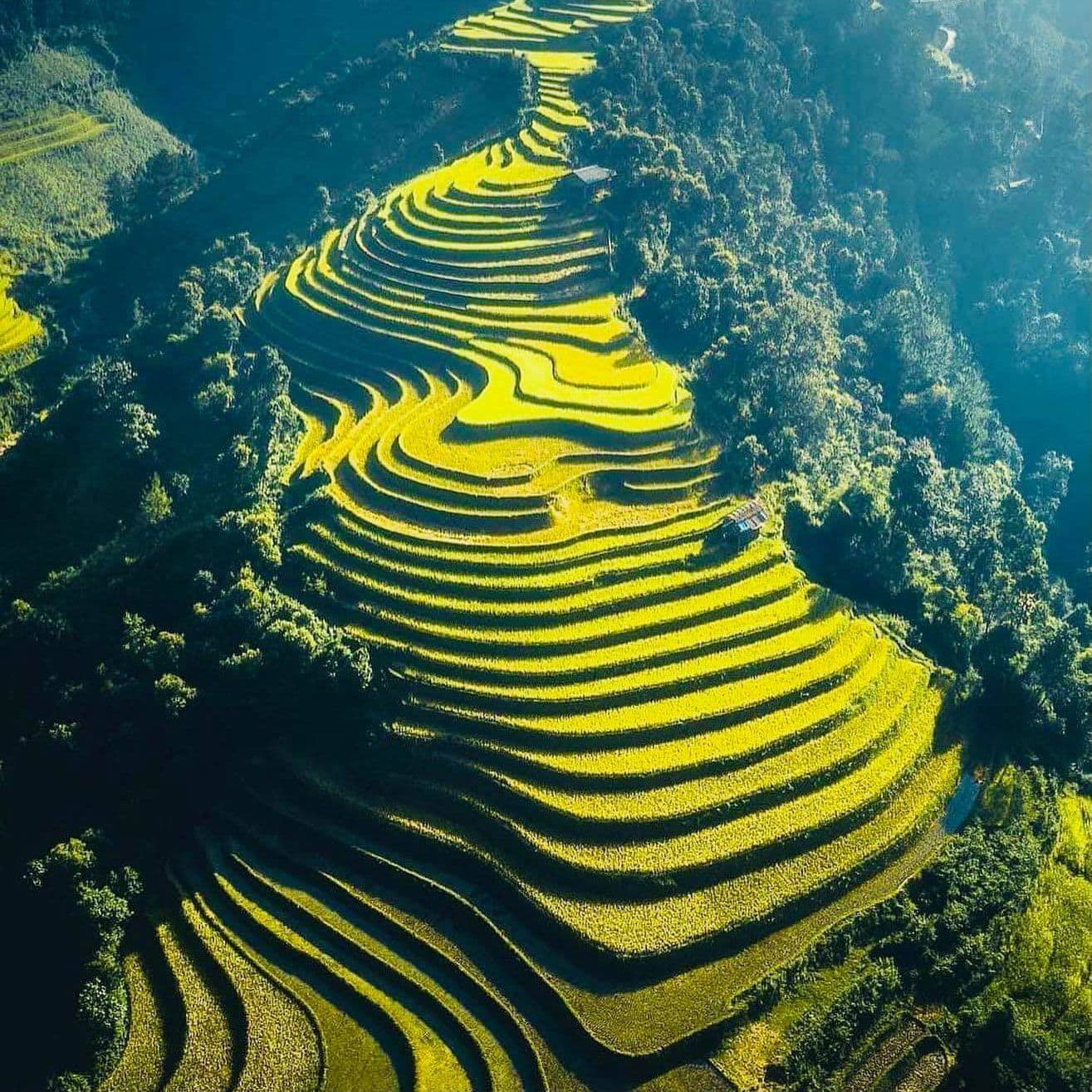
Best for: Vietnam’s most dramatic “gold waves,” iconic terrace geometry, photographers Why it’s special: This is the region most travelers picture when they imagine “golden rice terraces.” Harvest time is commonly noted as September through October.
Signature viewpoints you should plan around:
- La Pán Tẩn (famous curved terrace patterns)
- Chế Cu Nha
- Dế Xu Phình
What makes it worth extra effort:
- The scale and curvature feel more dramatic than many easier-access terrace areas.
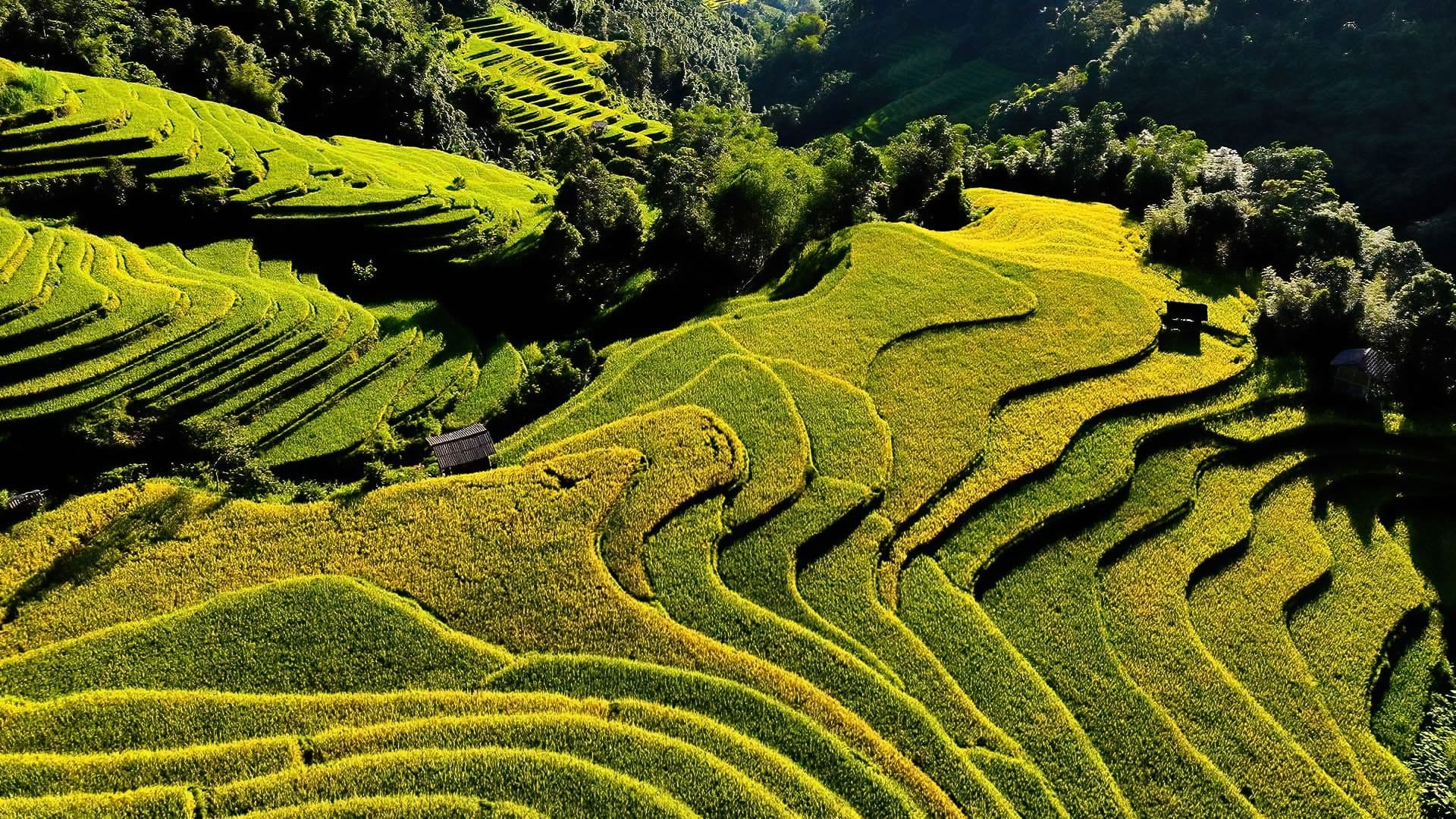
3) Hoàng Su Phì (Hà Giang Province)
Best for: remote, less touristy terraces, deep cultural immersion, serious trekking Why it’s special: Hoàng Su Phì is often highlighted for peak harvest beauty late September to early October.
What to expect:
- Harder logistics, but fewer crowds
- Strong payoff if you want quiet valleys + authentic homestay nights
Who should choose it:
- Travelers with at least 4–5 days who want the most immersive terrace journey.
4) Pù Luông (Thanh Hóa)
Best for: a shorter escape from Hanoi, couples, relaxed eco-lodge vibes Why it’s special: Pù Luông has two seasonal “wow” windows and is often described as best during May–June and September–October.
Why it’s ideal for shorter trips:
- It’s one of the best choices if you want terrace scenery without committing to very long mountain transfers.
How to get there (the planning reality most guides skip)
Golden-season trips succeed or fail based on logistics. Use this strategy:
Choose “base vs valley” the smart way
- Town bases are convenient for restaurants and cafés, but often farther from sunrise terraces.
- Valley stays (homestay/eco-lodge near fields) let you wake up and shoot sunrise without a long drive.
Build buffer time
Remote terrace regions can be slowed by fog, rain, or road conditions. If golden terraces are the headline of your trip, plan:
- Minimum: 2 full days in one region
- Ideal: 3 days (1 travel day + 2 sunrise/sunset windows)
Where to stay for the best terrace views
Look for these “high-impact” criteria (more important than hotel stars):
- Terrace-facing balcony or window
- Quiet location inside the valley
- Walkable access to trails/viewpoints (so you can start early)
- Reviews that mention sunrise views and staff help with early departures
The perfect 2–5 day itineraries
Option A: 2 days (best short trip)
Choose based on your priorities:
- Pù Luông: relaxed pace, eco-lodges, easy terrace access
- Sapa fast-track: valley trek + one sunrise window
Sample 2-day rhythm:
- Day 1: transfer + afternoon viewpoint + sunset textures
- Day 2: sunrise + short trek + depart after lunch
Option B: 3 days (best balance) — Mù Cang Chải
Why 3 days works: you get two sunrise chances (weather insurance). The harvest season is commonly September–October.
- Day 1: arrive + late afternoon viewpoint
- Day 2: sunrise + La Pán Tẩn + village walk
- Day 3: sunrise (backup) + depart
Option C: 5 days (photography + deep culture) — Hoàng Su Phì
Peak season is commonly described as late September to early October.
- Day 1: arrive and settle into valley homestay
- Days 2–4: trek between villages, sunrise/sunset each day
- Day 5: return transfer
Photography guide: how to capture the terraces at their best
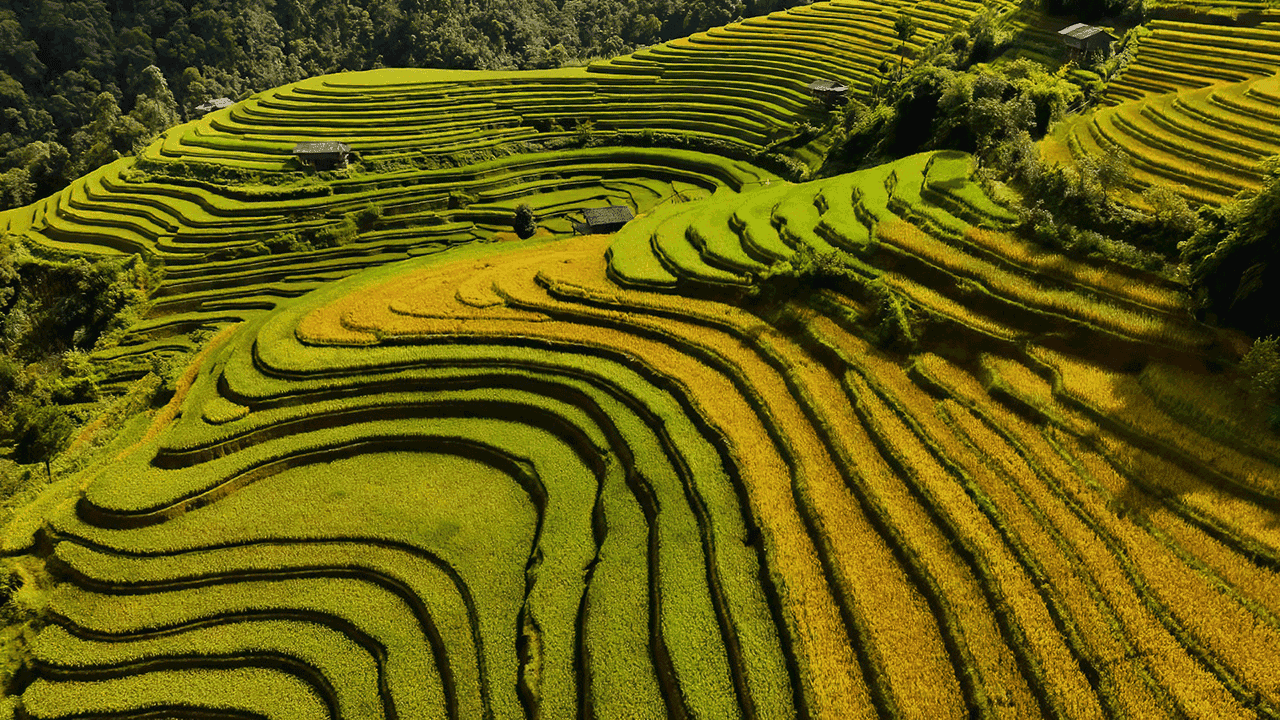
Best light
- Sunrise: soft gold + fog layers (most cinematic)
- Late afternoon: side light reveals terrace texture and curves
The shots that always work
- Wide panoramas showing layered fields
- Curves/“S-shapes” where terraces wrap hillsides
- Telephoto compression for “stacked” terrace layers
- Harvest details (hands, bundles, tools)—only with respectful distance/permission
Simple crowd-avoidance for photos
- Be in position before first light
- Shoot weekday mornings
- Stay in the valley so you can start early without traffic
Practical checklist: what to pack for golden season
- Light rain jacket (mountain weather changes fast)
- Trail shoes with grip
- Sun protection (hat, sunscreen)
- Warm layer for early mornings
- Insect repellent
- Cash (remote areas may have limited card acceptance)
- Power bank + offline maps
Responsible travel (short, essential)
- Stay on paths—never step into planted terraces
- Ask before photographing people up close
- Support locals: homestays, local guides, small shops
- Use drones only where appropriate and never over homes/people without consent
FtripVietnam: Golden Season Rice Terraces planning support
If you want the best timing without guesswork, FtripVietnam can help you build a golden-season plan that matches your dates and travel style:
- Choose the right region for your travel window (Sapa vs Mù Cang Chải vs Hoàng Su Phì vs Pù Luông)
- Private transfers from Hanoi with flexible sunrise scheduling (a major advantage for photographers)
- Local guide-led treks + homestay booking for true valley access
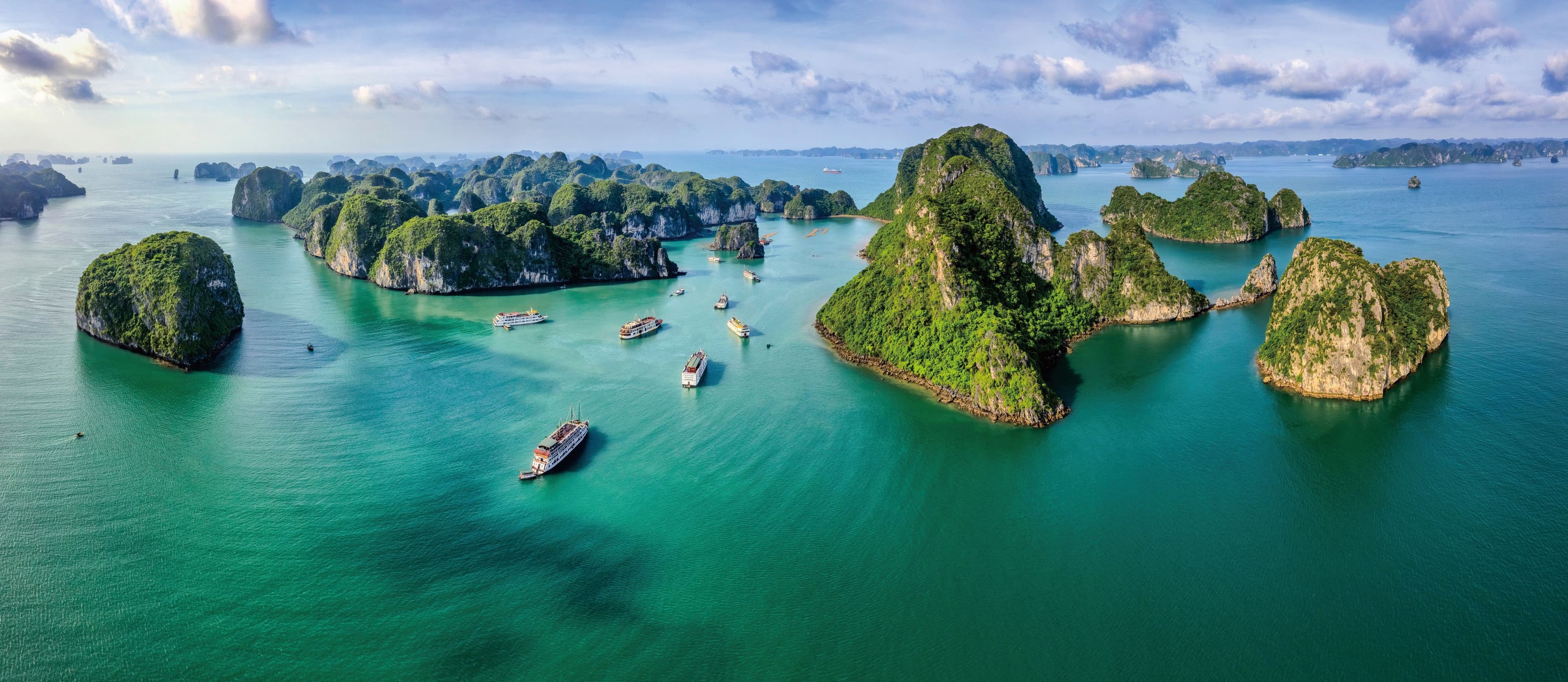
- Add-ons: Hanoi food day before departure, Hà Giang loop extension, or a Halong/Lan Ha cruise pairing
FAQs
When is the best time to see golden rice terraces in Vietnam?
Most terrace regions peak from late August to October, with timing varying by valley and elevation.
Which is better for golden season: Sapa or Mù Cang Chải?
For first-timers and easier logistics, Sapa often works best; for the most dramatic “gold waves,” Mù Cang Chải is the photographer's favorite.
Is Hoàng Su Phì worth it if I’m short on time?
It’s most rewarding with 4–5 days because the region is more remote, but it’s famous for peak harvest scenery late September–early October.
Can I do rice terraces as a day trip from Hanoi?
A true golden-terrace experience is rarely ideal as a day trip. If you need a shorter escape, Pù Luông is one of the best “short-trip” terrace options.
Conclusion: Plan for the short window, and Vietnam turns to gold
Vietnam’s terrace golden season isn’t about one perfect viewpoint—it’s about timing, valley stays, and giving yourself enough sunrise chances for the light to cooperate. Choose the region that matches your dates, stay close to the fields, and you’ll see why these landscapes feel unreal in person.
If you want, tell me your travel dates and starting city (Hanoi or elsewhere), and I’ll recommend the best terrace region for that exact window—plus a clean 3–5 day plan you can publish or hand to a driver/guide.

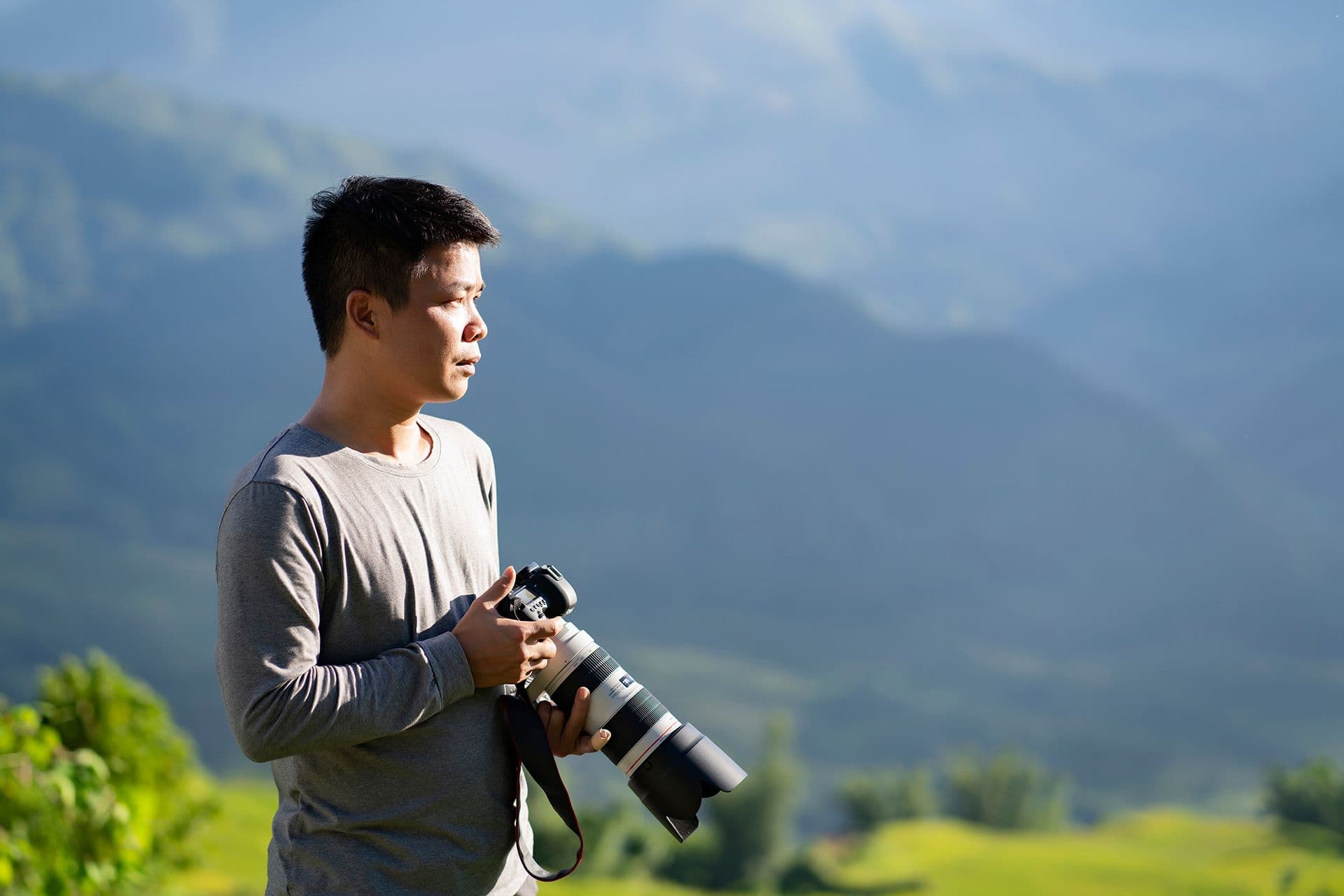
Founder & Photography Guide
Specialties: Culture, landscape, portrait, hiking, active and adventurous tour
Besides my unlimited passion for traveling, a professional tour guide for over a decade, I have been taking photographs since sitting at Hanoi of the University of Culture in the early 2000s. Photography started as a hobby but it was seriously taken due to my work relations and my significant passion for the beauty of our world, especially in Southeast Asian parts such as Vietnam, Laos, Cambodia, and Myanmar.
Within a few years of taking photographs, my works began to be recognized by many reliable international publications such as AFAR Travel, The Times, and The Daily Telegraph newspaper. In addition, I continuously add to my growing profile by winning numerous major awards: 3rd Position of The Independent Photographer 2018, 1st Position of Amateur Photographer of the year 2018, Grand Prize Winner of the AFAR Travel Photography 2019, and a Gold Award of San Francisco Bay International Photography 2020.
I photograph a wide variety of subjects, from travel to landscapes to street scenes. I enjoy documenting the East’s rich cultural heritage and its land soaked in glorious sunrise or sunset light in remote and secluded spots. And, I am very happy to share my knowledge and experience with you. You can visit Luminousvietnamtour to explore tour!