- Quick answer
- What “Top 5 options” means
- Option 1: The Specialist Noodle House
- (Phở / Bún riêu / Hủ tiếu)
- Option 2: The Charcoal-Grill Classic
- (Bún chả / grilled skewers)
- Option 3: The Central Vietnam Specialty Kitchen
- (Huế / Đà Nẵng / Hội An style)
- Option 4: The Seafood + Hotpot Experience
- (Coastal freshness, lẩu, ốc stalls)
- Option 5: Modern Vietnamese (Chef-Led Dining)
- (Tasting menus, contemporary bistros)
- How to choose the best option for your trip
- What to order first (Signature Dish Rule)
- Avoid tourist traps (fast checklist)
- Skip
- Choose
- FtripVietnam services
- FAQs
- Conclusion
Choose the right format, order the signature dish, go at the right time
The best Vietnamese meal isn’t one specific restaurant—it’s the right type of place, ordered the right way, at the right time. Do that, and Vietnam becomes unforgettable in a single bite.
This guide ranks the top 5 restaurant “options” (formats) that consistently deliver amazing Vietnamese food—whether you’re traveling in Vietnam or eating Vietnamese abroad. You’ll get what each format is best for, what to order first, when to go, and how to spot the real thing fast.
Quick answer
For an unforgettable Vietnamese meal, choose a restaurant that specializes—either in one iconic dish (phở, bún chả, bún bò Huế), a specific region (North/Central/South), or a craft experience (seafood, hotpot, tasting menus). The best options are: specialist noodle houses, charcoal-grill bún chả spots, Central Vietnam specialty kitchens, seafood and hotpot restaurants, and chef-led modern Vietnamese dining. Use a short-menu + local-crowd checklist to avoid tourist traps, and order the signature dish “standard” first.
What “Top 5 options” means
This isn’t “five random names.” These are the five restaurant types most likely to deliver:
- Authentic flavor with consistent quality
- Clear signature dishes and focused technique
- A memorable atmosphere for travelers
- Strong value for money
- Easy decision-making (order the hero dish and you’re set)
Ranking signals: specialization, freshness/turnover, technique, regional accuracy, and service comfort.
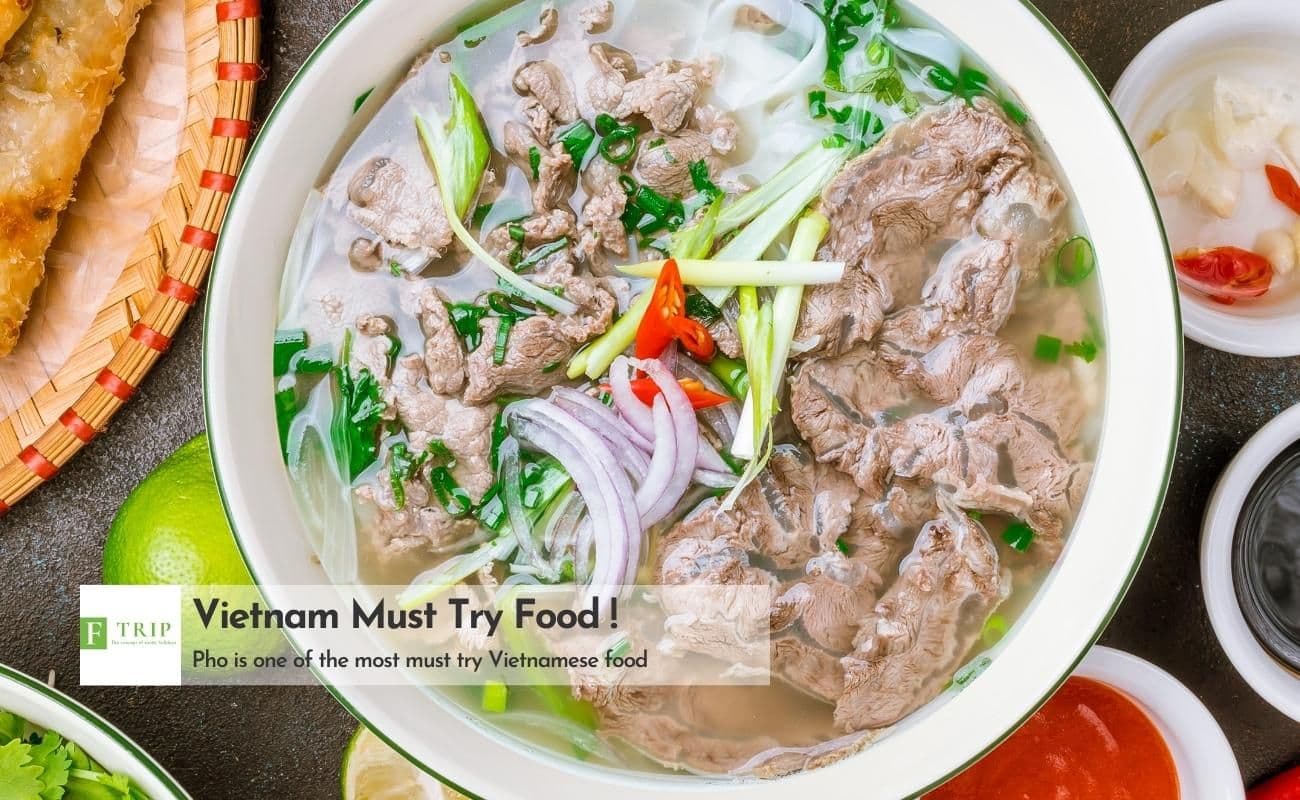
Option 1: The Specialist Noodle House
(Phở / Bún riêu / Hủ tiếu)
Why it’s unforgettable Vietnam’s noodle houses are built around the craft of broth: long simmering, careful seasoning, and noodles served fresh. This is comfort food with discipline—and it’s often the most “Vietnam-in-one-bowl” experience you can have.
Best for
- First-timers who want a sure win
- Comfort food lovers
- Quick meals with high reward
- Morning eaters (this is key)
What to order first
- Phở bò / phở gà (especially in the North)
- Bún riêu (crab-tomato tang)
- Hủ tiếu (Southern noodle comfort)
When to go
- 6:30–9:00 AM for peak freshness and best broth
Green flags (spot it fast)
- Short menu with one main dish
- A visible big pot of broth
- Locals lining up and eating quickly
- Fast turnover, simple service
Where to try in Vietnam
- Hanoi: phở, bún riêu
- Ho Chi Minh City: hủ tiếu (and a huge variety of noodle bowls)
Option 2: The Charcoal-Grill Classic
(Bún chả / grilled skewers)
Why it’s unforgettable Charcoal grilling is street-food magic: smoke, caramelization, and the balance of grilled meat + herbs + noodles + dipping sauce. Few dishes explain Vietnamese flavor design better than a proper bún chả set.
Best for
- Travelers who love bold, fragrant flavors
- Anyone who wants the most “Hanoi” lunch
- People who want a dish that feels interactive (herbs + dipping)
What to order first
- Bún chả set: grilled pork + noodles + herbs + dipping sauce
- Add nem rán (fried spring roll) if available
When to go
- 11:00 AM–1:00 PM (lunch peak) when grills run nonstop
Green flags
- Active charcoal grill (you can smell it before you see it)
- Simple ordering flow, fast service
- Most tables eating the same set
- A steady line that moves
Where to try in Vietnam
- Hanoi is the signature city for bún chả
Option 3: The Central Vietnam Specialty Kitchen
(Huế / Đà Nẵng / Hội An style)
Why it’s unforgettable Central Vietnamese food is Vietnam “beyond phở”—spicier, more layered, and often defined by fermented condiments, chili heat, and complex textures. If you want to taste culinary depth, this format delivers.
Best for
- Foodies who want complexity
- Travelers who like spice and bold sauces
- People who want regional identity on the plate
What to order first
- Bún bò Huế (lemongrass-chili depth)
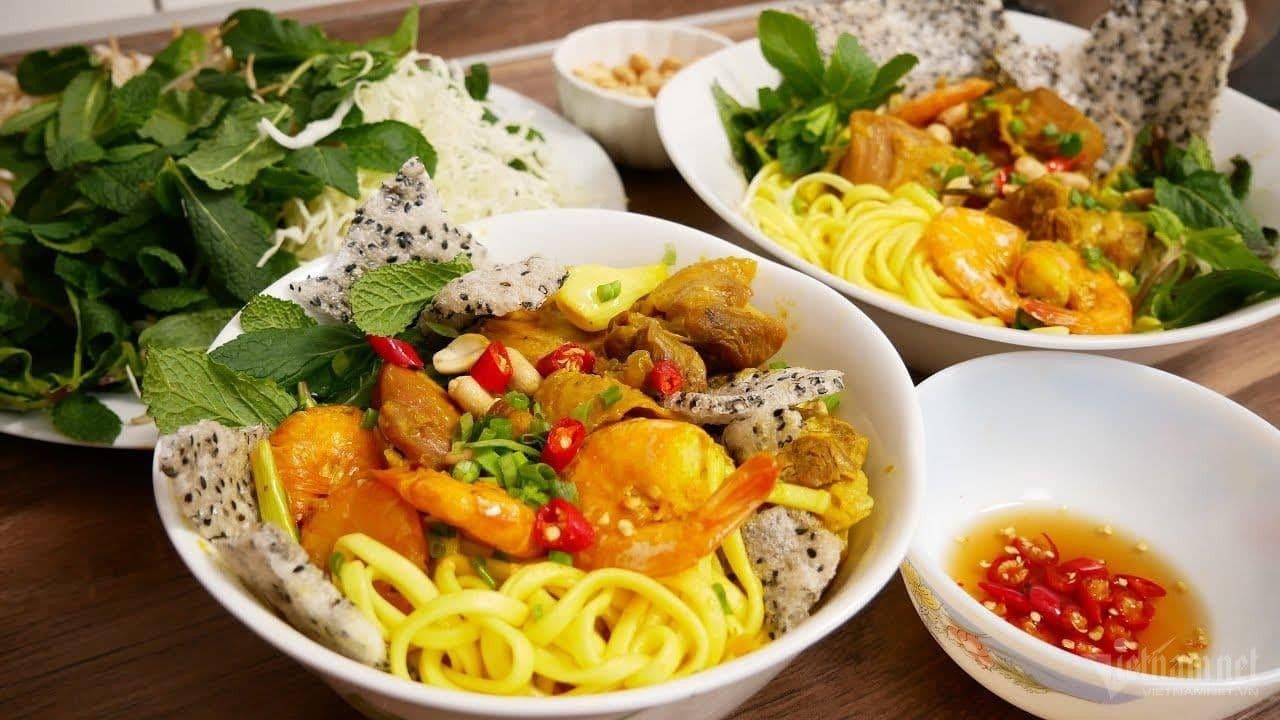
- Mì Quảng (Central noodle bowl with herbs and crunch)
- Cao lầu (Hoi An’s signature texture)
- Bánh bèo / bánh nậm / bánh lọc (small plates, imperial roots)
When to go
- Late breakfast to lunch (many places sell out early)
Green flags
- The region is named clearly (Huế / Đà Nẵng / Hội An)
- Correct condiments on the table
- Focused list rather than “everything Vietnamese”
- Spice and fermented notes feel intentional, not random heat
Where to try in Vietnam
- Hue: bún bò Huế and imperial small dishes
- Da Nang: mì Quảng + street seafood
- Hoi An: cao lầu + market snacks
- Big cities often have strong Central specialists if you know what to search for
Option 4: The Seafood + Hotpot Experience
(Coastal freshness, lẩu, ốc stalls)
Why it’s unforgettable This is Vietnamese dining as a social ritual: communal sharing, dipping sauces, and the freshness-first mindset. Seafood and hotpot nights are often the most memorable “big meal” of a trip.
Best for
- Groups and families
- Celebrations and “big night out” energy
- Travelers who want variety in one sitting
What to order first
- Mixed seafood platters
- Lẩu (hotpot) variations (choose broth style)
- Grilled seafood
- Ốc (snail/seafood street stalls) for a casual local night
When to go
- After 6:00 PM for peak atmosphere and freshest flow
Green flags
- Busy tables and high turnover
- Fresh display and straightforward preparation
- Clear pricing (especially if by weight)
- Staff comfortable explaining what’s fresh today
Where to try in Vietnam
- Coastal destinations (freshest by default)
- Ho Chi Minh City seafood streets
- Mekong Delta river-fresh specialties
Option 5: Modern Vietnamese (Chef-Led Dining)
(Tasting menus, contemporary bistros)
Why it’s unforgettable Modern Vietnamese dining takes familiar flavors and refines them—better sourcing, cleaner execution, more comfort, and often a calmer atmosphere. It’s tradition translated into a special occasion.
Best for
- Date nights, anniversaries, business dinners
- Travelers who want AC + calm + polished service
- People curious about “Vietnam now”
What to order first
- Tasting menu or chef’s seasonal set
- Ask what dishes are inspired by North/Central/South
- Choose Vietnamese ingredients front-and-center (herbs, fish sauce craft, charcoal elements)
When to go
- Dinner (reservations recommended)
Green flags
- Seasonal menu and clear concept
- Vietnamese ingredients are the star, not just decoration
- Consistent reviews about execution and service
- Pairings and pacing feel thoughtful
Where to try in Vietnam
- Hanoi and Ho Chi Minh City are best for this style
How to choose the best option for your trip
Use this quick decision guide:
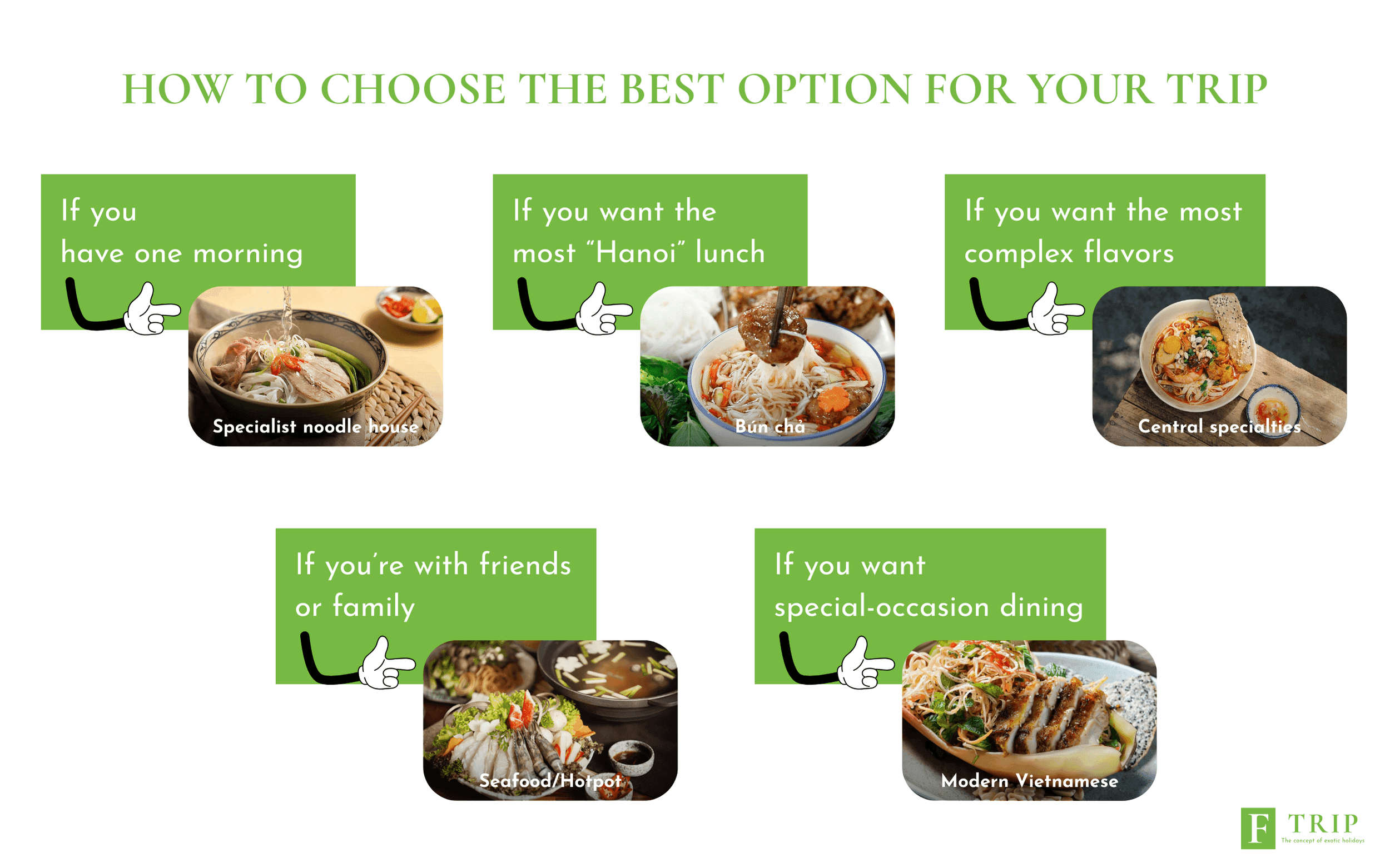
- If you have one morning → Option 1 (specialist noodle house)
- If you want the most “Hanoi” lunch → Option 2 (bún chả)
- If you want the most complex flavors → Option 3 (Central specialties)
- If you’re with friends or family → Option 4 (seafood/hotpot)
- If you want special-occasion dining → Option 5 (modern Vietnamese)
What to order first (Signature Dish Rule)
- Order the restaurant’s hero dish “standard” first
- Customize on the second round (more herbs, extra chili, different cuts)
- Add one Vietnamese “finish”:
- Iced milk coffee almost anywhere
- Egg coffee in Hanoi
- Chè (dessert) for an easy local ending
Avoid tourist traps (fast checklist)
Skip
- Huge photo menus
- “All Asian food” restaurants
- Aggressive hosts
- Empty rooms at peak local times
Choose
- Short menu
- Locals eating fast
- Clear pricing
- High turnover
FtripVietnam services
- Food-first itineraries built around timing (breakfast → lunch → coffee → dinner)
- Local guide-led food tours: ordering support, hidden spots, cultural context
- Special-occasion help: choosing modern Vietnamese tasting menus and top dining rooms
- Add-ons: market visits + cooking class pairing, coffee/dessert crawl, seafood night tour
FAQs
What type of Vietnamese restaurant is the most authentic? Specialists—one dish or one region done consistently with high turnover.
What should I order for my first Vietnamese meal? Phở in the morning or bún chả at lunch—order standard first.
Are Vietnamese restaurants outside Vietnam authentic? Many are—look for regional focus, correct condiments, and Vietnamese regulars at peak times.
Is Vietnamese street food safe for tourists? Usually yes—choose busy stalls with hot food and clear pricing.
Which city in Vietnam is best for food? Hanoi for Northern classics, Central cities for depth, Ho Chi Minh City for variety.
Conclusion
This “Top 5” isn’t about hype—it’s about choosing the right format for the experience you want, then winning with timing and the signature dish. Pick your top option—or let FtripVietnam build a perfectly timed Vietnamese dining plan that turns your trip into one unforgettable bite after another.

Founder & Photography Guide
Specialties: Culture, landscape, portrait, hiking, active and adventurous tour
Besides my unlimited passion for traveling, a professional tour guide for over a decade, I have been taking photographs since sitting at Hanoi of the University of Culture in the early 2000s. Photography started as a hobby but it was seriously taken due to my work relations and my significant passion for the beauty of our world, especially in Southeast Asian parts such as Vietnam, Laos, Cambodia, and Myanmar.
Within a few years of taking photographs, my works began to be recognized by many reliable international publications such as AFAR Travel, The Times, and The Daily Telegraph newspaper. In addition, I continuously add to my growing profile by winning numerous major awards: 3rd Position of The Independent Photographer 2018, 1st Position of Amateur Photographer of the year 2018, Grand Prize Winner of the AFAR Travel Photography 2019, and a Gold Award of San Francisco Bay International Photography 2020.
I photograph a wide variety of subjects, from travel to landscapes to street scenes. I enjoy documenting the East’s rich cultural heritage and its land soaked in glorious sunrise or sunset light in remote and secluded spots. And, I am very happy to share my knowledge and experience with you. You can visit Luminousvietnamtour to explore tour!