- Understand Saigon’s weather in 30 seconds
- What rain looks like (so you don’t panic-book)
- Month-by-month guide (weather + crowds + best experiences)
- Best months by travel style (quick pick guide)
- Best overall weather for first-timers
- Cheapest time (often)
- Best time for festivals and local atmosphere
- Festival calendar
- Tết (Vietnamese Lunar New Year) - biggest impact on your trip
- Ho Chi Minh City Áo Dài Festival (typically March)
- Reunification Day (April 30)
- ITE HCMC (International Travel Expo) - hotel demand spike
- Crowds + closures: how to plan like a pro
- Peak crowds
- Tết realities (first-timer warning)
- Rainy season reality (don’t overreact)
- What to pack (by season)
- Dry season (Dec–Apr)
- Rainy season (May–Nov)
- Mini itineraries (conversion-friendly)
- 2 days in Ho Chi Minh City (first-timer “core”)
- 3–4 days (best balanced)
- Conclusion
Choosing the best time to visit Ho Chi Minh City, still widely known as Saigon, is not only about finding sunny weather. It is also about understanding how the city feels in each season, how rain may affect sightseeing plans, when major festivals bring more local energy, and which months are better suited for food tours, cultural walks, day trips, family travel, or a longer Vietnam itinerary. As one of Vietnam’s most active southern gateways, Ho Chi Minh City stays warm throughout the year, but travel experiences can vary noticeably between the dry season and the rainy season.
In general, the dry season from around December to April is often the most convenient time for first-time visitors. The weather is usually easier for walking tours, rooftop evenings, historical attractions, local markets, and day trips to nearby destinations. The rainy season, from around May to November, can still be a rewarding time to travel, especially for visitors who do not mind short tropical showers, greener scenery, and a slightly more flexible travel pace. In Ho Chi Minh City, rain often comes in brief afternoon bursts rather than lasting all day, so a well-planned itinerary can still include museums, food experiences, shopping streets, coffee stops, and evening activities.
This 2026 guide is written from a practical travel-planning perspective to help you choose the right month based on weather, festivals, crowd levels, comfort, and trip purpose. Instead of only saying which month is “best,” it explains what each travel period is actually good for, what travelers should prepare for, and how to plan around seasonal conditions. Whether you are visiting Ho Chi Minh City for the first time, combining Saigon with the Mekong Delta, or building a longer Vietnam journey, FtripVietnam can help you design a personalized itinerary with suitable timing, local experiences, private transfers, cultural stops, food tours, and flexible pacing based on your travel style.
Saigon doesn’t really “cool down” - it just changes mood. Pick the right month and you’ll get blue skies and rooftop nights; pick the wrong week and you’ll be dodging tropical downpours (or arriving during Tết when the city runs on holiday mode).
Understand Saigon’s weather in 30 seconds
Saigon has two main seasons:
- Dry season (best for walking + day trips): generally December → April
- Rainy/monsoon season (better deals + tropical vibe): generally May → November
What rain looks like (so you don’t panic-book)
In monsoon months, rain is often intense but short -**** many days still have sunshine. Plan flexible outdoor blocks and you’ll be fine.
Month-by-month guide (weather + crowds + best experiences)
Legend: Rain risk (Low/Med/High) • Heat (Warm/Hot/Very hot) • Crowds (Low/Med/High)
| Month | Rain risk | Heat | Crowds | Best for |
|---|---|---|---|---|
| Jan | Low | Warm | High | Walking-heavy itineraries, food tours, rooftops |
| Feb | Low (often driest) | Warm/Hot | High (Tết can fall here) | Best weather; festive vibe if timed right |
| Mar | Low | Hot | Med/High | Culture + photos; often Áo Dài Festival season |
| Apr | Med | Very hot | Medium | Deals after peak season; indoor+evening-focused plans |
| May | Med/High | Hot & humid | Low/Med | Better hotel value; cafés + flexible schedules |
| Jun–Aug | High | Hot & humid | Low/Med | Deal months; plan indoor breaks + short outdoor bursts |
| Sep | High (often wettest) | Hot & humid | Low | Lowest crowds; business trips/events; flexible plans |
| Oct | High | Hot & humid | Low/Med | Food + museums; rain starts easing later |
| Nov | Med | Hot/Warm | Med | Transition month: improving weather + value |
| Dec | Low | Warm | High | “Easy mode” for first-timers; best overall comfort |
Rainfall seasonality (including “February drier / September wetter” patterns) is consistently shown in climate datasets for Ho Chi Minh City.
Read more: Best Time to Visit Vietnam: Weather, Costs, and Travel Activities
Best months by travel style (quick pick guide)
Best overall weather for first-timers
December–March = easiest sightseeing, rooftop nights, smoother Mekong/Củ Chi day trips.
Cheapest time (often)
May–October can bring better hotel pricing and fewer crowds - tradeoff is humidity + showers.
Best time for festivals and local atmosphere
- Tết season for peak local energy + iconic décor (but plan for closures and sold-out flights).
- March for the Áo Dài Festival vibe (dates vary year to year).
Festival calendar
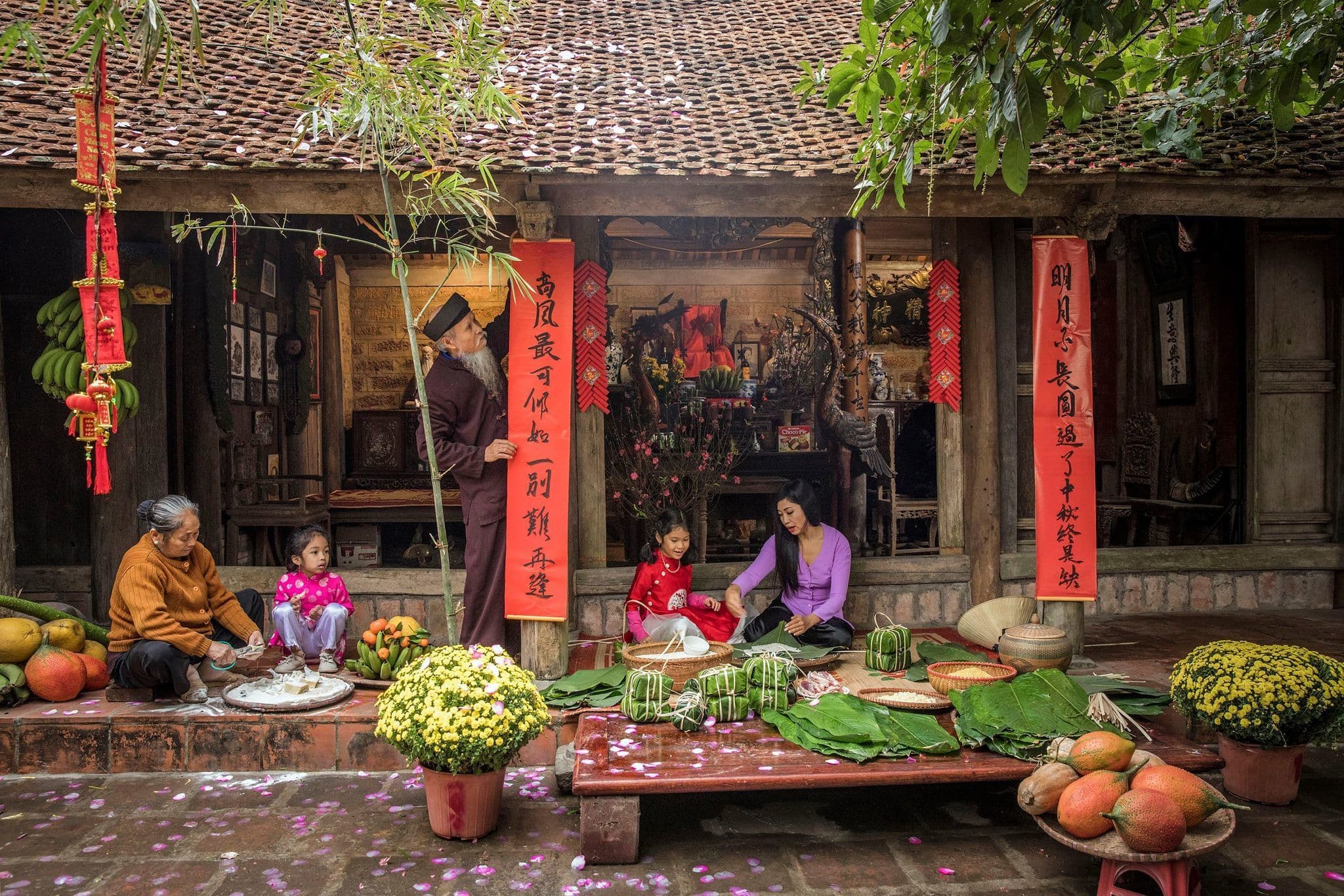
Tết (Vietnamese Lunar New Year) - biggest impact on your trip
Tết is the defining holiday period for crowds, closures, and “city mood.” For 2026, Vietnamese media reporting on official scheduling notes a 9-day holiday window (Feb 14–22, 2026) for state employees, which typically affects operating hours across the city.
Saigon highlight: Nguyễn Huệ Flower Street is a signature Tết-time attraction in District 1. For 2026, Vietnamese press reports it opens January 27, 2026 and runs through the Tết period (with timed entry sessions).
Ho Chi Minh City Áo Dài Festival (typically March)
This is a major city cultural event celebrating the áo dài, commonly held around March each year; exact dates shift annually, so confirm close to your travel month.
Reunification Day (April 30)
A major national holiday that can bring busy streets and local commemorations - great atmosphere if you like civic energy.
ITE HCMC (International Travel Expo) - hotel demand spike
Official event info lists ITE HCMC 2026 dates as Aug 27–29, 2026, which can tighten availability near venues.
Crowds + closures: how to plan like a pro
Peak crowds
Typically align with the dry season and especially around Tết.
Tết realities (first-timer warning)
- Expect a beautiful, festive city, but some restaurants/shops run limited hours.
- Book flights and hotels early if you want Tết week.
Rainy season reality (don’t overreact)
Build your day so rain can’t “ruin” it: museums, cafés, markets, and spas in the middle; outdoor blocks in the morning and after showers. Rain patterns in monsoon months are well described in climate summaries.
Read more: Best Time to Visit Nha Trang Vietnam for Beaches, Diving, and Sunshine
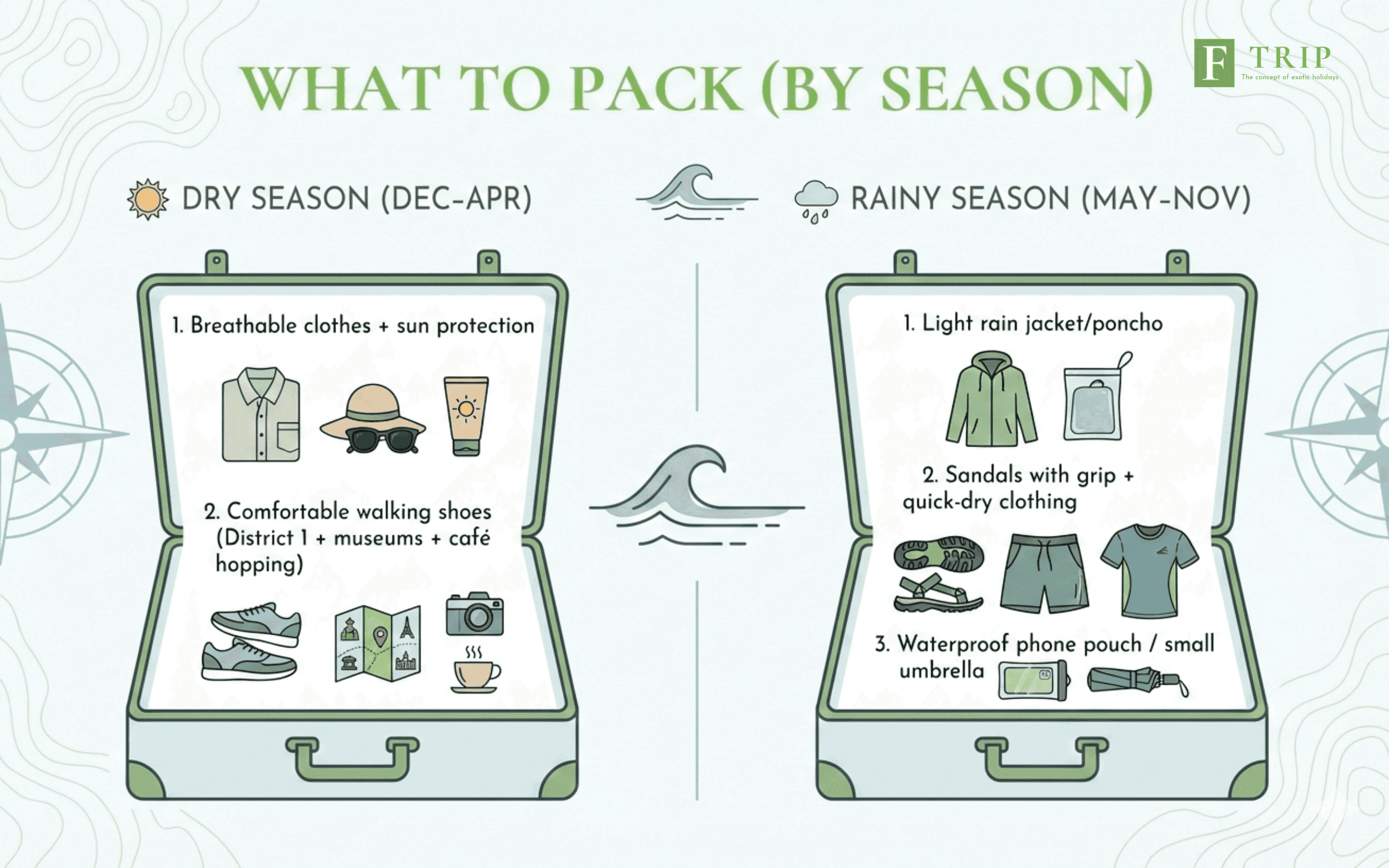
What to pack (by season)
Dry season (Dec–Apr)
- Breathable clothes + sun protection
- Comfortable walking shoes (District 1 + museums + café hopping)
Rainy season (May–Nov)
- Light rain jacket/poncho
- Sandals with grip + quick-dry clothing
- Waterproof phone pouch / small umbrella
Mini itineraries (conversion-friendly)
2 days in Ho Chi Minh City (first-timer “core”)
Day 1: District 1 landmarks + café culture + rooftop sunset + street food night
Day 2: Củ Chi or Chợ Lớn (Chinatown) + markets + a slower evening
3–4 days (best balanced)
Add: Mekong Delta day trip + one “no-plans” night (spa + rooftop + night photos).
Conclusion
Ho Chi Minh City is a year-round destination, but your “best time” depends on what you value most. If you want the smoothest weather for walking, rooftops, and day trips, aim for December to March (dry-season comfort). If you’d rather save money and don’t mind quick tropical showers, the rainy season (May to November) can be surprisingly enjoyable - just keep your schedule flexible. And if you’re chasing the city’s most local energy, plan around Tết + Nguyễn Huệ Flower Street or March festival season for a Saigon trip that feels truly special.
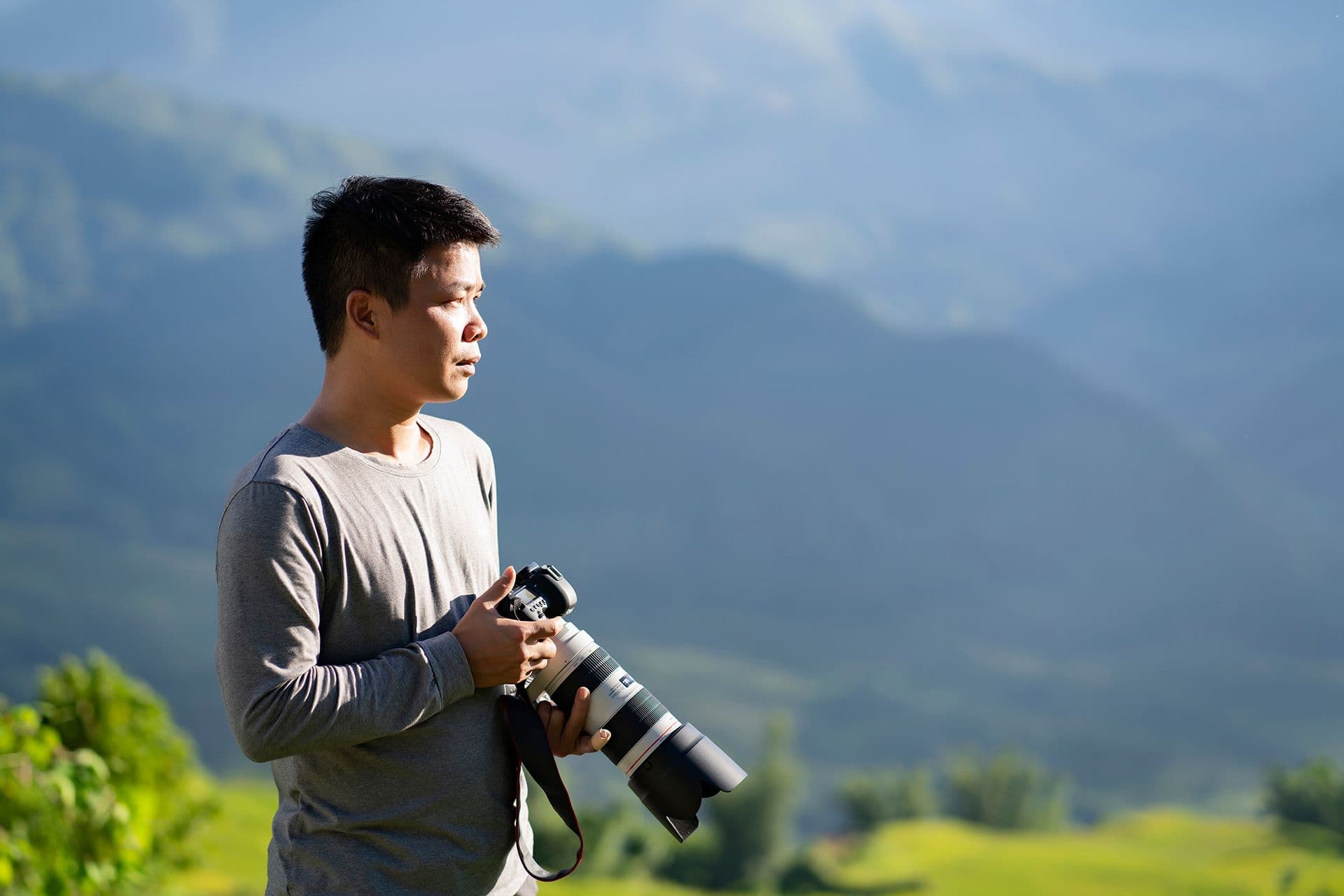
Founder & Photography Guide
Specialties: Culture, landscape, portrait, hiking, active and adventurous tour
Besides my unlimited passion for traveling, a professional tour guide for over a decade, I have been taking photographs since sitting at Hanoi of the University of Culture in the early 2000s. Photography started as a hobby but it was seriously taken due to my work relations and my significant passion for the beauty of our world, especially in Southeast Asian parts such as Vietnam, Laos, Cambodia, and Myanmar.
Within a few years of taking photographs, my works began to be recognized by many reliable international publications such as AFAR Travel, The Times, and The Daily Telegraph newspaper. In addition, I continuously add to my growing profile by winning numerous major awards: 3rd Position of The Independent Photographer 2018, 1st Position of Amateur Photographer of the year 2018, Grand Prize Winner of the AFAR Travel Photography 2019, and a Gold Award of San Francisco Bay International Photography 2020.
I photograph a wide variety of subjects, from travel to landscapes to street scenes. I enjoy documenting the East’s rich cultural heritage and its land soaked in glorious sunrise or sunset light in remote and secluded spots. And, I am very happy to share my knowledge and experience with you. You can visit Luminousvietnamtour to explore tour!