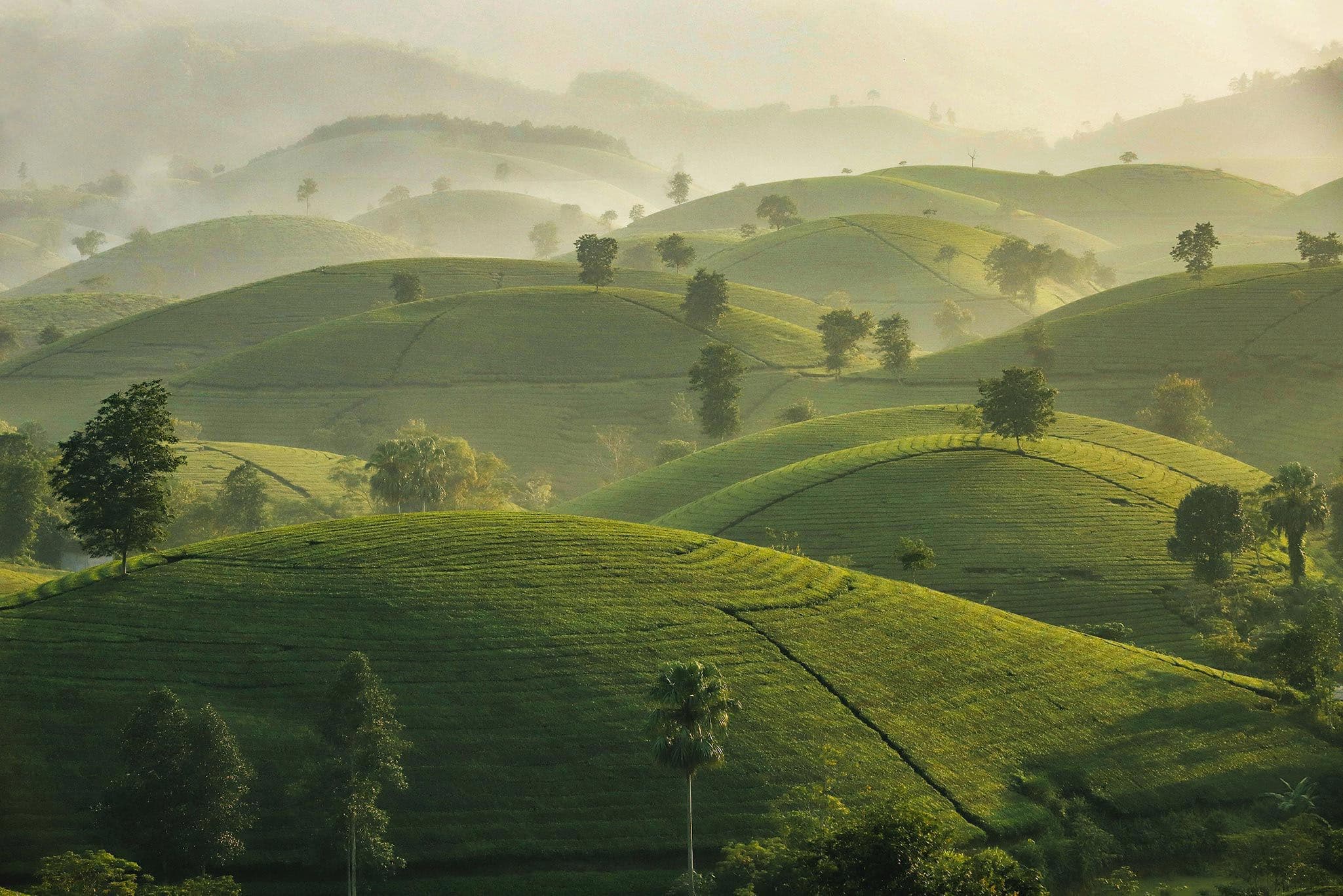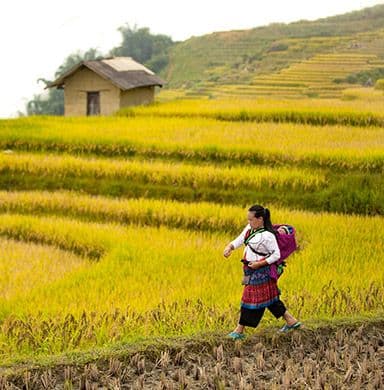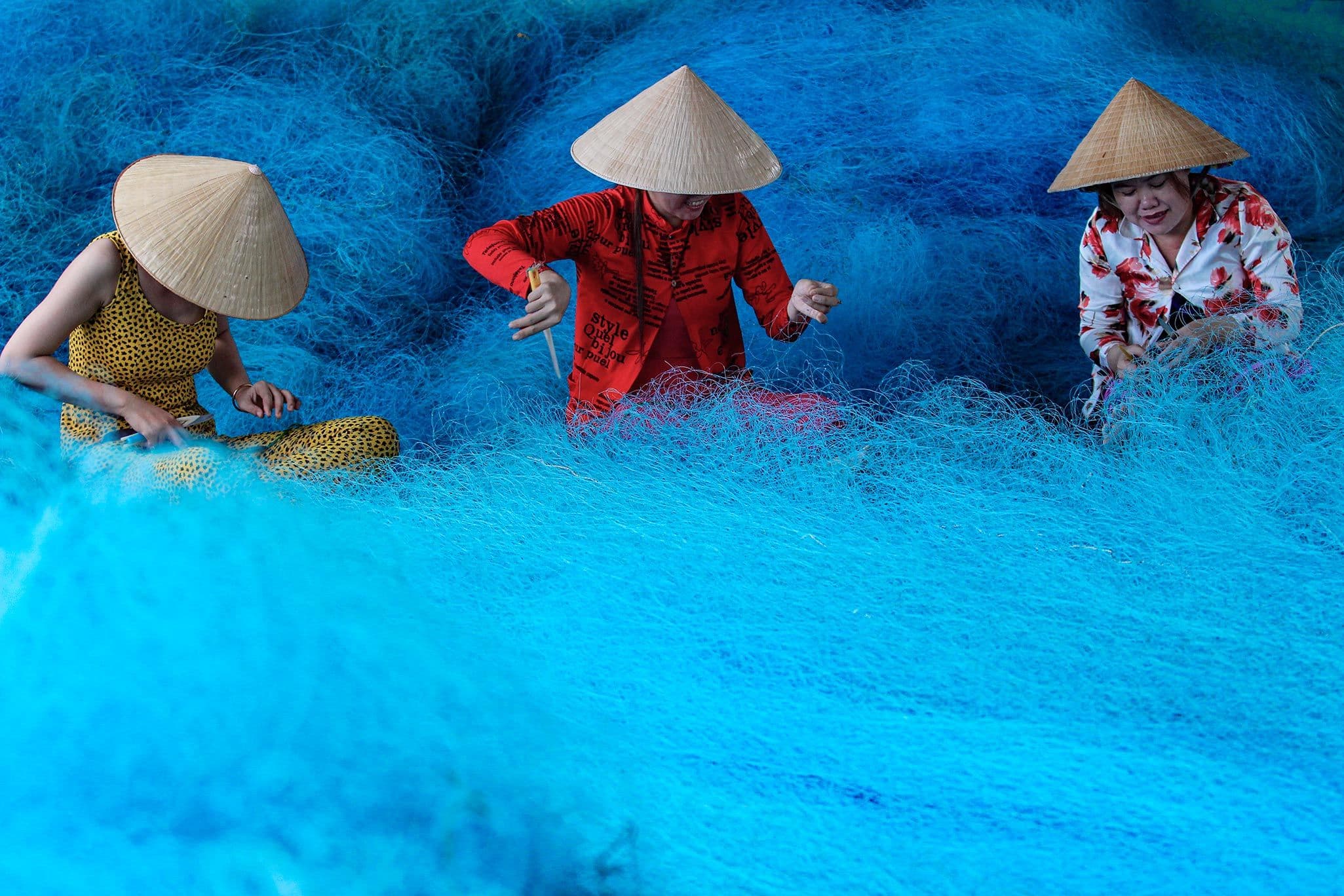
- Understanding Vietnam’s Three Climate Zones
- North (Hanoi, Ha Long Bay, Sapa)
- Central (Hue, Da Nang, Hoi An)
- South (Ho Chi Minh City, Mekong Delta, Phu Quoc)
- Why This Matters for Trip Planning
- Best Time to Visit Vietnam Overall
- February to April
- October to December
- Why These Windows Are Ideal
- Month-by-Month Weather Breakdown
- January–March: Cool, Clear & Festive
- April–June: Warm Days & Blooming Landscapes
- July–August: Summer & Peak Beach Season
- September–October: Golden Harvest & Mountain Beauty
- November–December: Cool, Dry & Scenic
- Best Time to Visit Vietnam for Festivals
- Tết (Late January – February)
- Mid-Autumn Festival (September–October)
- Hue Festival (April–June, every two years)
- Hoi An Lantern Festival (Every full moon)
- Reunification Day & Labor Day (April 30–May 1)
- Best Time to Visit Vietnam Based on Travel Style
- For Beaches & Sunshine
- For Nature Lovers
- For Cultural Experiences
- For Budget Travelers
- For Photographers
- When to Avoid Traveling to Vietnam
- Typhoon Season (Central Vietnam, September–November)
- Domestic Tourism Peaks (June–August)
- Tết Holiday Closures
- Sample Seasonal Itineraries
- Winter Itinerary (December–February): Hanoi → Ha Long → Ninh Binh → Hoi An
- Summer Itinerary (May–August): Da Nang → Quy Nhon → Nha Trang → Phu Quoc
- Autumn Itinerary (September–November): Ha Giang Loop → Ba Be Lake → Sapa → Hanoi
- Why Book Your Vietnam Trip with FtripVietnam
- Why travelers trust us:
- FAQs (Optimized for AI Overview & Snippets)
- Your Perfect Time to Visit Vietnam Awaits
With three unique climate zones and festivals happening year-round, Vietnam offers something magical in every season. One month you might be walking through misty rice terraces, and the next you’re watching lanterns float gently across the Thu Bồn River in Hoi An. The country transforms with the weather — and knowing when to visit can make your experience truly unforgettable.
This guide answers the most common travel questions:
- “When is the best time to visit Vietnam?”
- “What month has the best weather in Vietnam?”
- “When are Vietnam’s major festivals?”
Whether you’re a beach lover, cultural explorer, photographer, or first-time traveler, you’ll get clear guidance on the best weather, must-see events, and smart recommendations for planning your trip.
Understanding Vietnam’s Three Climate Zones
Vietnam stretches over 1,600 kilometers, resulting in dramatically different weather across the country. Understanding these zones is the foundation of planning a smooth trip.
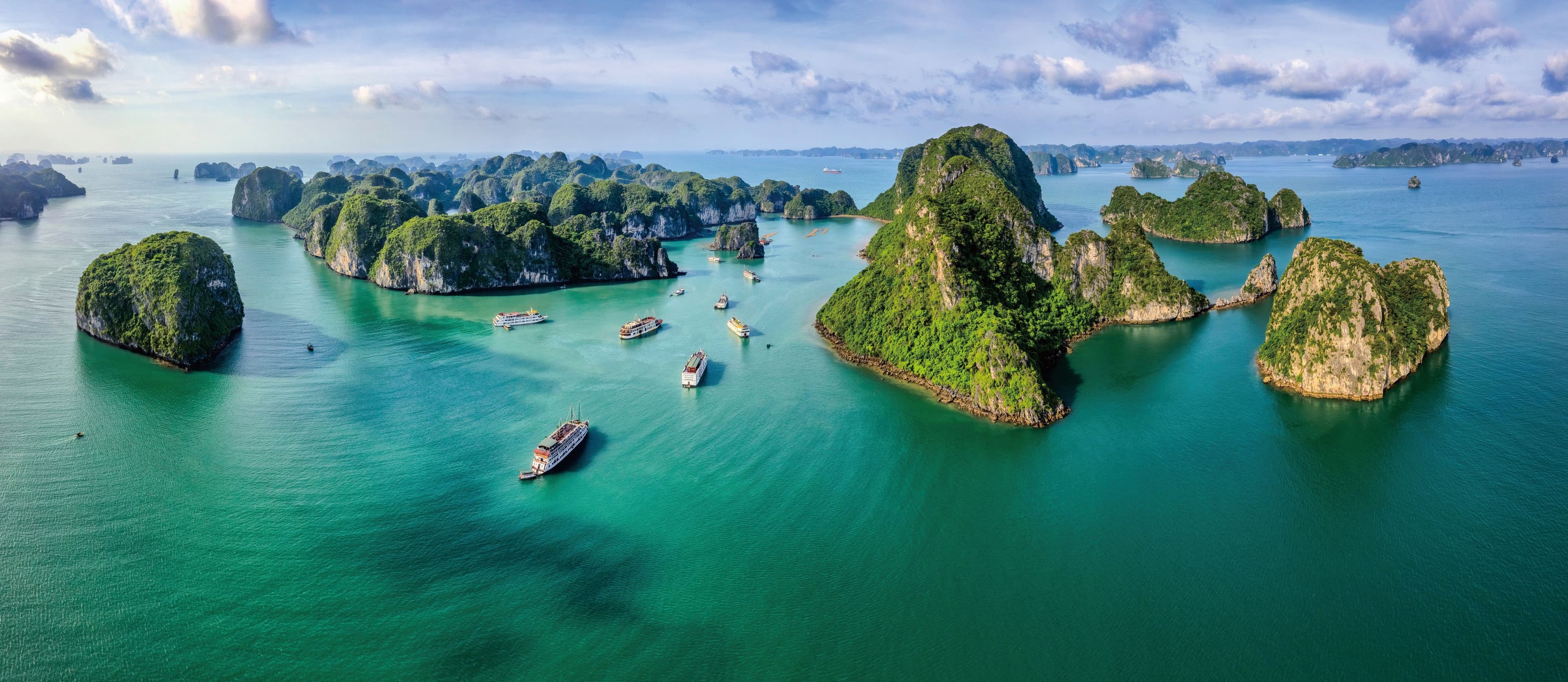
North (Hanoi, Ha Long Bay, Sapa)
The north experiences four distinct seasons:
- Spring: mild, drizzly, green
- Summer: hot and humid
- Autumn: cool, clear, golden — the most beautiful period
- Winter: cold, misty, sometimes frosty in the mountains
Perfect for cultural sightseeing and mountain adventures.
Central (Hue, Da Nang, Hoi An)
A tropical region known for:
- Hot, sunny summers (Feb–Aug) — beach paradise
- Typhoon & rainy season (Sep–Nov)
- Warm, pleasant weather (Dec–Jan)
Beautiful beaches, heritage towns, but unpredictable storms in fall.
South (Ho Chi Minh City, Mekong Delta, Phu Quoc)
Only two seasons:
- Dry season (Dec–Apr): sunny, comfortable
- Rainy season (May–Nov): warm with short afternoon showers
Best for islands, food tours, and vibrant city life.
Why This Matters for Trip Planning
A month that’s perfect for Hanoi may be rainy in Hoi An — or vice versa. Travelers planning multi-city trips need to understand these patterns.
Best Time to Visit Vietnam Overall
Although travel is possible year-round, two periods consistently offer the best weather across most regions:
February to April
- Mild temperatures
- Low rainfall
- Lush landscapes after winter
- Major festivals
October to December
- Cool and clear in the north
- Comfortable temperatures for sightseeing
- Dry conditions in the south
Why These Windows Are Ideal
They offer reliable, predictable weather, making them perfect for travelers who want a smooth North–Central–South itinerary without climate surprises.
Month-by-Month Weather Breakdown
January–March: Cool, Clear & Festive
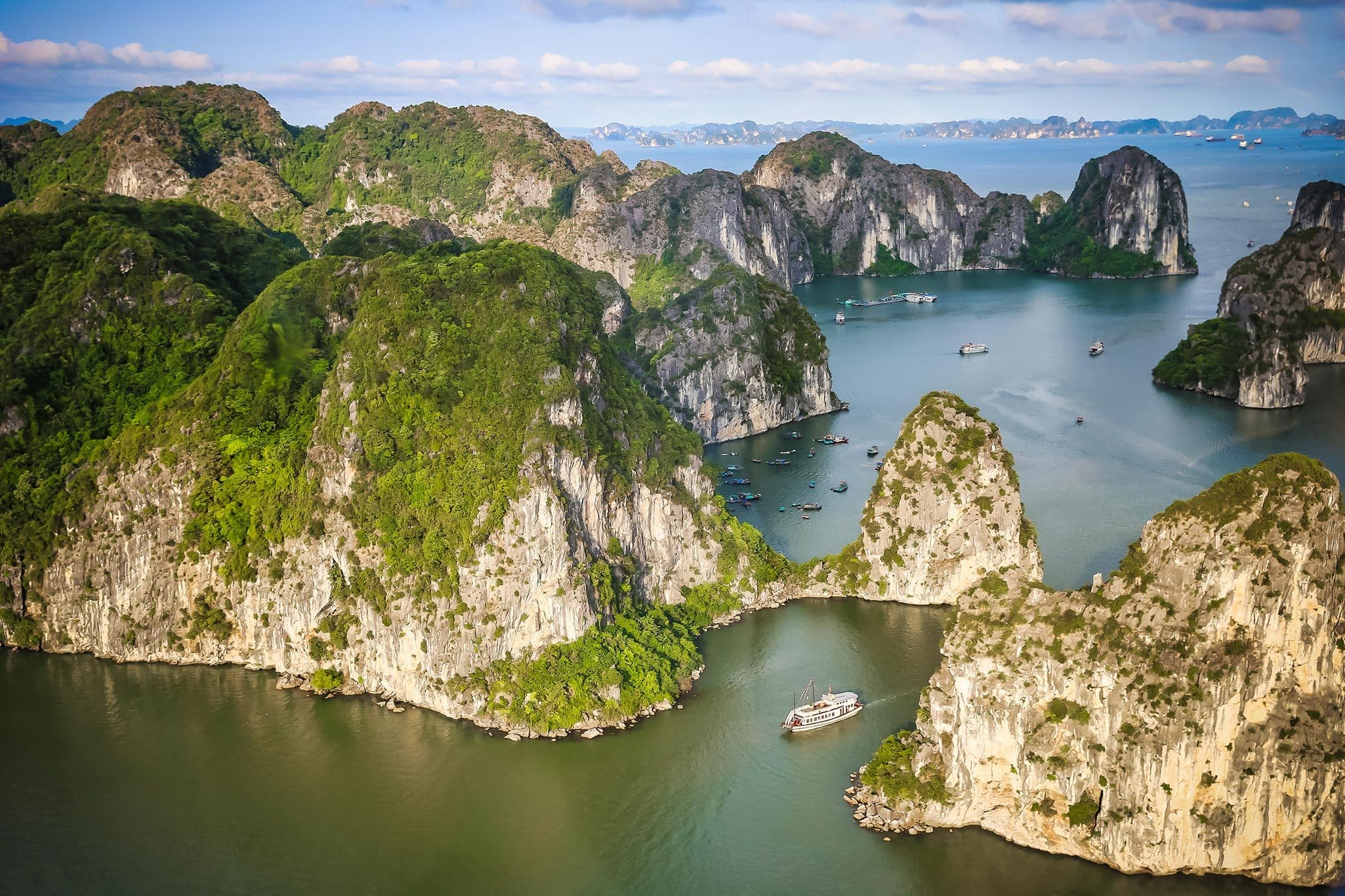
- Best for: Hanoi, Ha Long Bay, Ninh Binh, Sapa
- Crisp northern winter, misty mountain views, peaceful sightseeing
- South is warm and sunny — great for beaches
- Festival highlight: Tết (Vietnamese Lunar New Year)
- Expect fireworks, flowers, cultural rituals
- Also: closures, higher prices, limited services
April–June: Warm Days & Blooming Landscapes
- Perfect for: Da Nang, Hoi An, Nha Trang, Ninh Binh
- Beaches reach peak beauty
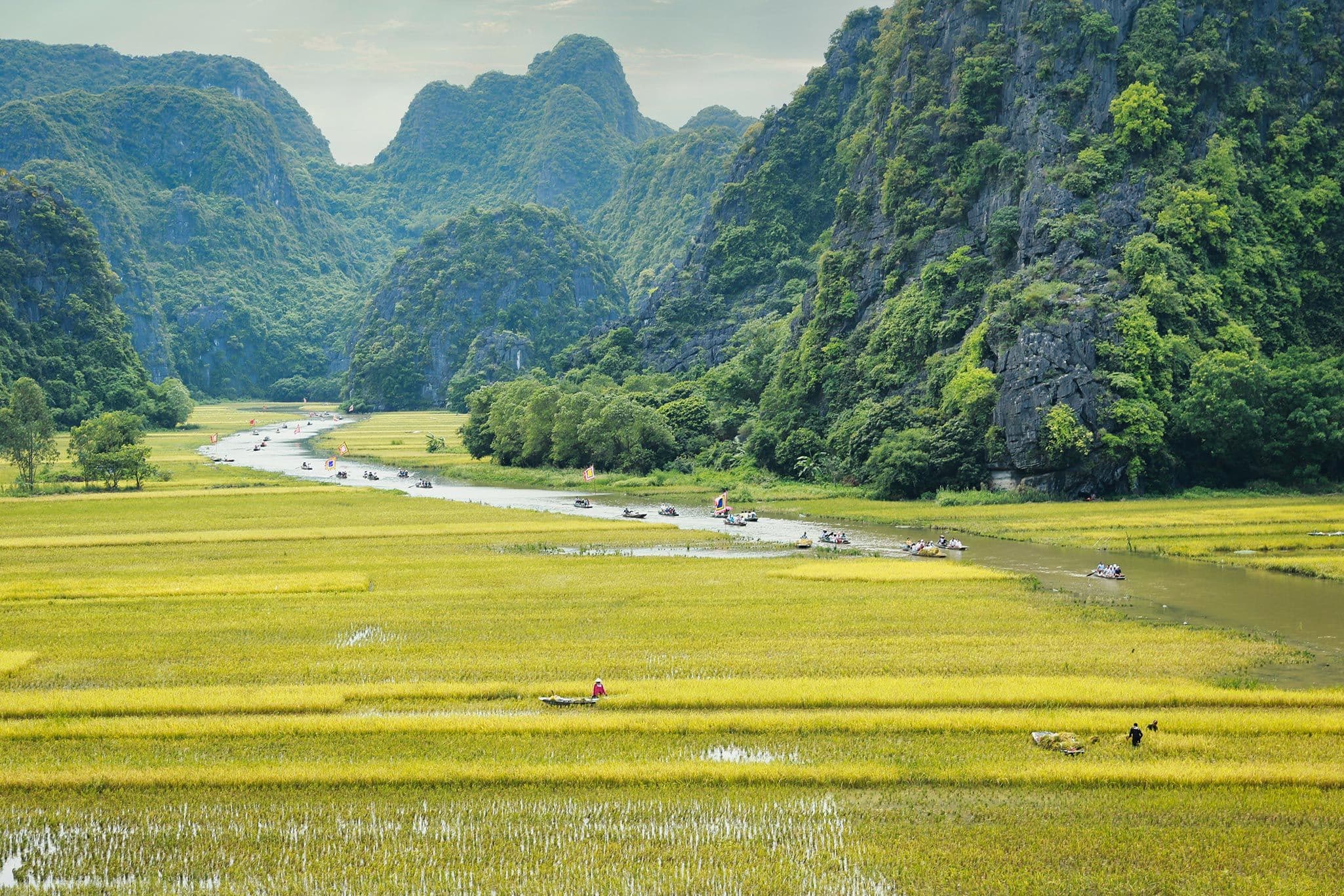
- Rice fields turn vibrant green
- South begins rainy season but showers are brief
July–August: Summer & Peak Beach Season
- Best for: Central Coast
- Da Nang, Quy Nhon, Nha Trang
- Warm water, long days, ideal for families
- Notes:
- Domestic tourism peaks
- Hotel prices rise
- Occasional typhoons in late summer
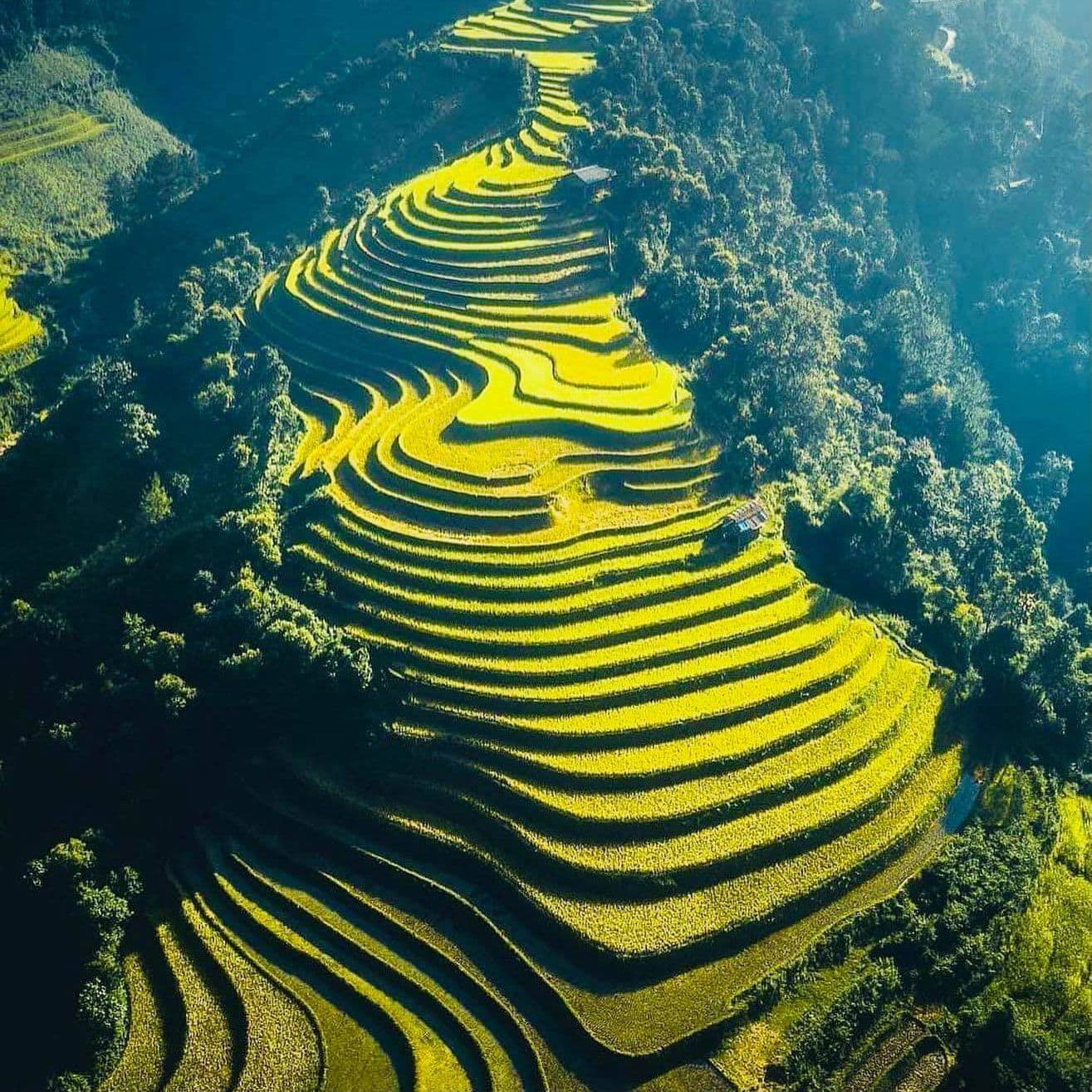
September–October: Golden Harvest & Mountain Beauty
- Best for: Ha Giang, Sapa, Mu Cang Chai, Yen Bai
- Famous golden rice terraces — breathtaking photography
- Cool mornings and crisp air
- Central Vietnam sees heavier rainfall and storms
November–December: Cool, Dry & Scenic
- Great for: Hanoi, Ha Long Bay, Hoi An
- Clear skies, comfortable weather for walking tours
- Mekong Delta becomes dry, breezy, and ideal for cruises
- Perfect lighting conditions for photographers
Best Time to Visit Vietnam for Festivals
(Optimized for “Vietnam festival calendar” and “Vietnam festivals by month”)
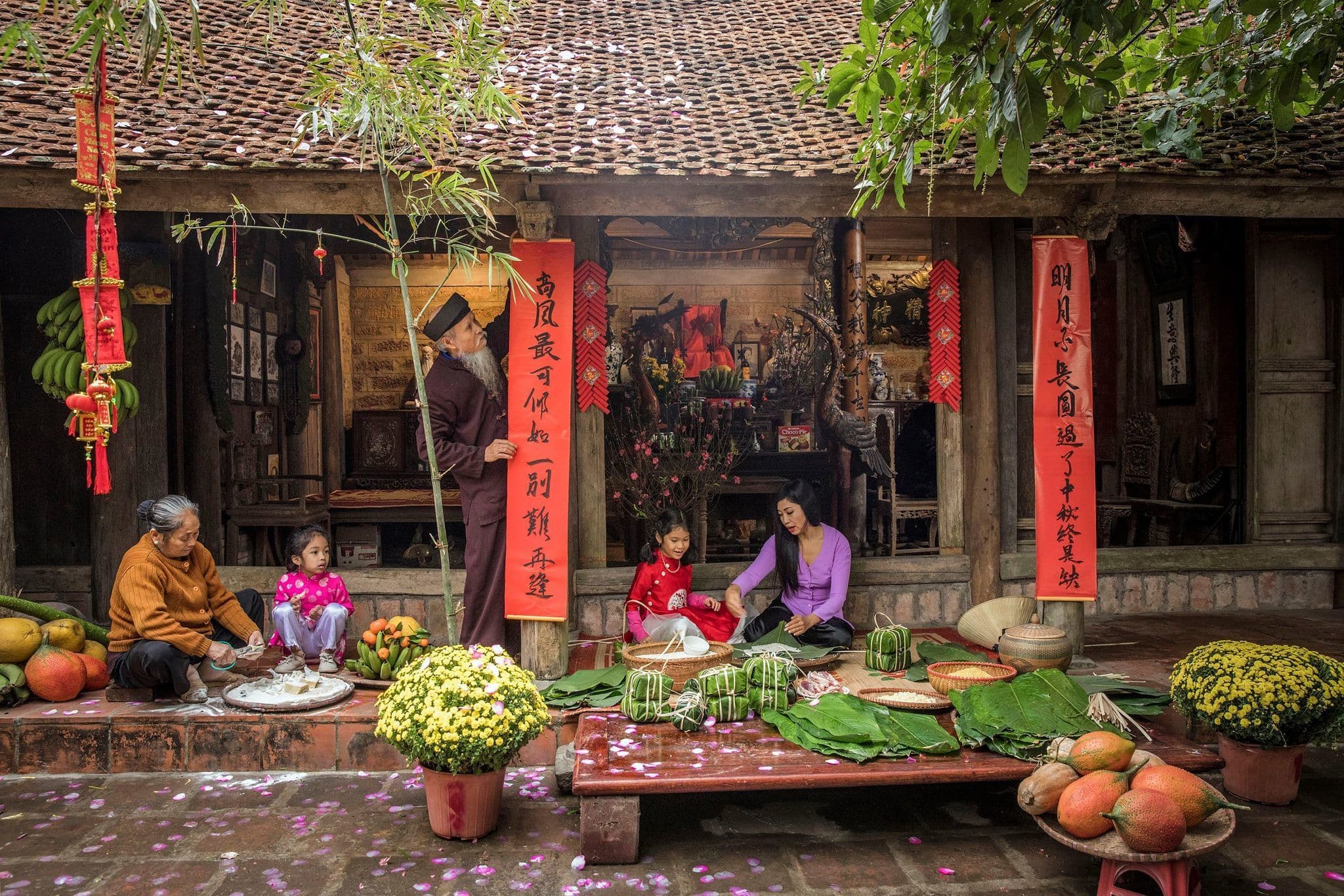
Tết (Late January – February)
The most important Vietnamese holiday. Travelers should expect:
- Beautiful decorations
- Unique traditions
- Busy transportation
- Many shops temporarily closed
Mid-Autumn Festival (September–October)
- Lantern processions
- Lion dances
- Mooncakes everywhere
- Perfect for families and photographers
Hue Festival (April–June, every two years)
- Imperial performances
- Music, dance, royal reenactments
- A deep look into Vietnam’s cultural heritage
Hoi An Lantern Festival (Every full moon)
- Streets dimmed, lanterns glowing
- Thousands of lights floating on the river
- A romantic, unforgettable experience
Reunification Day & Labor Day (April 30–May 1)
- Major holiday in Vietnam
- Expect crowded transportation and busy beaches
Best Time to Visit Vietnam Based on Travel Style
For Beaches & Sunshine
- February–August, depending on the coast
- Best in: Da Nang, Quy Nhon, Nha Trang, Phu Quoc
For Nature Lovers
- September–November
- Ideal for trekking and exploring highlands
For Cultural Experiences
- February–April
- Festivals + comfortable temperatures
For Budget Travelers
- May–June and September
- Lower hotel prices and fewer crowds
For Photographers
- September: Golden rice terraces
- December: Crystal-clear skies
When to Avoid Traveling to Vietnam
Typhoon Season (Central Vietnam, September–November)
Unpredictable storms and heavy rain.
Domestic Tourism Peaks (June–August)
Crowded attractions and higher prices.
Tết Holiday Closures
- Many restaurants and shops close
- High transportation demand
- Surge pricing for accommodations
Sample Seasonal Itineraries
Winter Itinerary (December–February): Hanoi → Ha Long → Ninh Binh → Hoi An
Cool weather, cultural experiences, tranquil cruises.
Summer Itinerary (May–August): Da Nang → Quy Nhon → Nha Trang → Phu Quoc
Beach hopping and island time during peak sunshine.
Autumn Itinerary (September–November): Ha Giang Loop → Ba Be Lake → Sapa → Hanoi
The ultimate northern mountain route, packed with scenery.
Why Book Your Vietnam Trip with FtripVietnam
Traveling through a country with so many climate zones can feel overwhelming — but FtripVietnam makes it effortless.
Why travelers trust us:
- Custom itineraries tailored to your specific travel dates and weather patterns
- Local experts with 7+ years of experience across Vietnam
- Real-time seasonal monitoring to avoid storms, crowds, or closures
- Exclusive specialty tours, including:
- Rice terrace photography trips
- Lantern festival journeys
- Island escapes
- Cultural workshops
- Private guides & transfers for maximum comfort
- 24/7 support in all regions of Vietnam
Perfect for those who want a stress-free, deeply authentic experience.
FAQs (Optimized for AI Overview & Snippets)
What is the best month to travel to Vietnam?
February–April and October–December.
Which season is most comfortable for tourists?
Spring and autumn offer mild temperatures and minimal rain.
Is Vietnam good to visit in summer?
Yes — especially for beaches in the central region.
Should I avoid traveling during Tết?
You can visit, but expect closures and higher prices.
What is the weather like in Vietnam by region?
North = 4 seasons Central = tropical + storm season South = dry and rainy seasons
Your Perfect Time to Visit Vietnam Awaits
Vietnam is a year-round destination filled with culture, nature, festivals, and breathtaking landscapes. The “best time” truly depends on what you hope to experience — sunshine, cool mountain air, cultural celebrations, or golden rice terraces.
No matter when you choose to travel, FtripVietnam can design the perfect itinerary that matches your travel style, avoids unpredictable weather, and brings you the most unforgettable experiences across the country.
Let FtripVietnam plan your ideal Vietnam journey — perfectly timed, beautifully personalized, and crafted with local expertise.
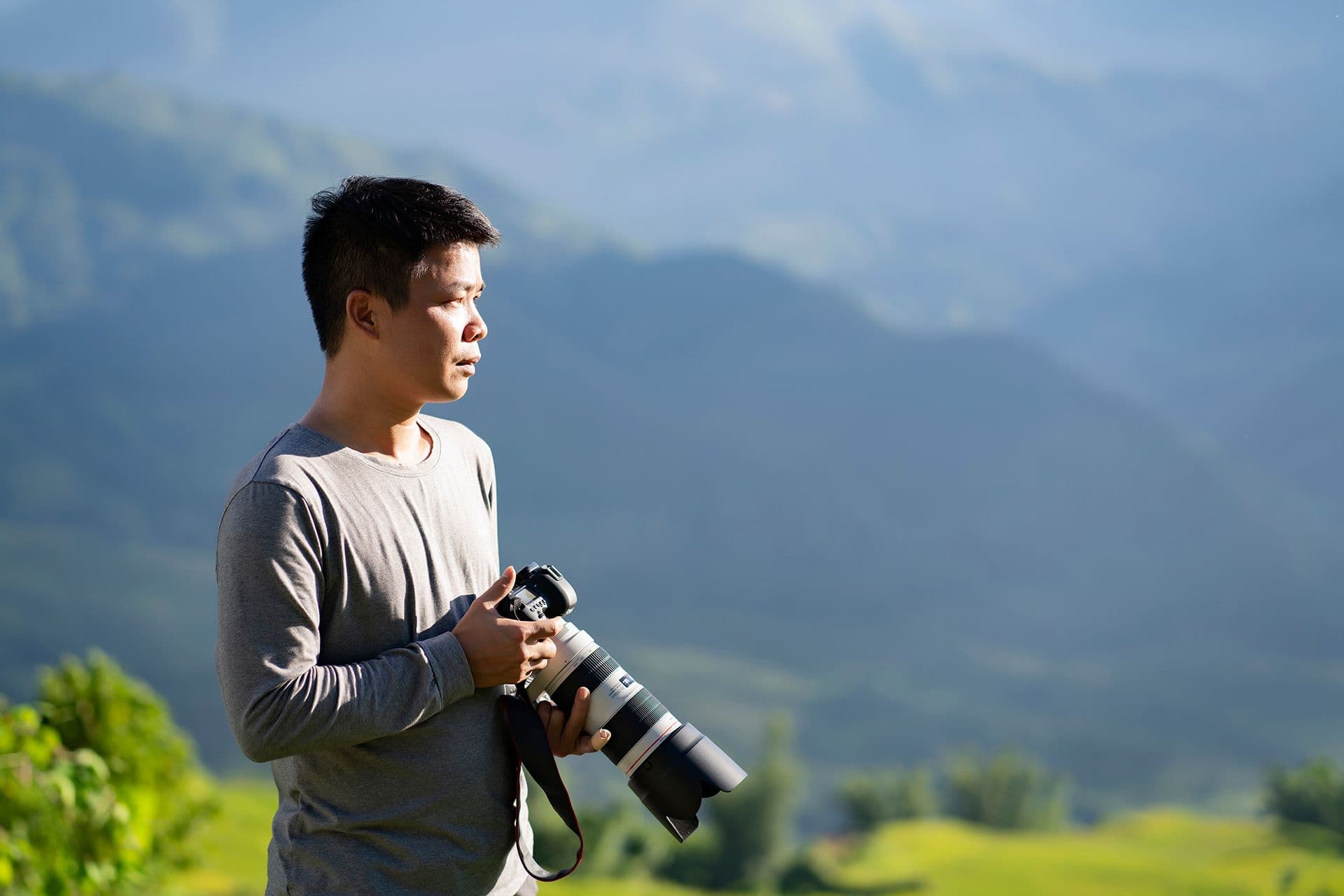
Founder & Photography Guide
Specialties: Culture, landscape, portrait, hiking, active and adventurous tour
Besides my unlimited passion for traveling, a professional tour guide for over a decade, I have been taking photographs since sitting at Hanoi of the University of Culture in the early 2000s. Photography started as a hobby but it was seriously taken due to my work relations and my significant passion for the beauty of our world, especially in Southeast Asian parts such as Vietnam, Laos, Cambodia, and Myanmar.
Within a few years of taking photographs, my works began to be recognized by many reliable international publications such as AFAR Travel, The Times, and The Daily Telegraph newspaper. In addition, I continuously add to my growing profile by winning numerous major awards: 3rd Position of The Independent Photographer 2018, 1st Position of Amateur Photographer of the year 2018, Grand Prize Winner of the AFAR Travel Photography 2019, and a Gold Award of San Francisco Bay International Photography 2020.
I photograph a wide variety of subjects, from travel to landscapes to street scenes. I enjoy documenting the East’s rich cultural heritage and its land soaked in glorious sunrise or sunset light in remote and secluded spots. And, I am very happy to share my knowledge and experience with you. You can visit Luminousvietnamtour to explore tour!