- Quick Vietnam Packing Checklist for Americans
- What Essential Travel Documents Should Americans Bring?
- What Everyday Travel Essentials Are Useful in Vietnam?
- What Health and Comfort Items Should Travelers Pack?
- Understanding Vietnam’s Weather Before You Pack
- What Is Northern Vietnam Weather Like?
- What Is Central Vietnam Weather Like?
- What Is Southern Vietnam Weather Like?
- Vietnam Packing List by Season
- What Should Travelers Pack for Dry Season?
- What Should Travelers Pack for Rainy Season?
- What Should Travelers Pack for Cool Season?
- What Should Travelers Pack for Hot and Humid Season?
- Clothing to Pack for Vietnam
- What City Clothing Works Best?
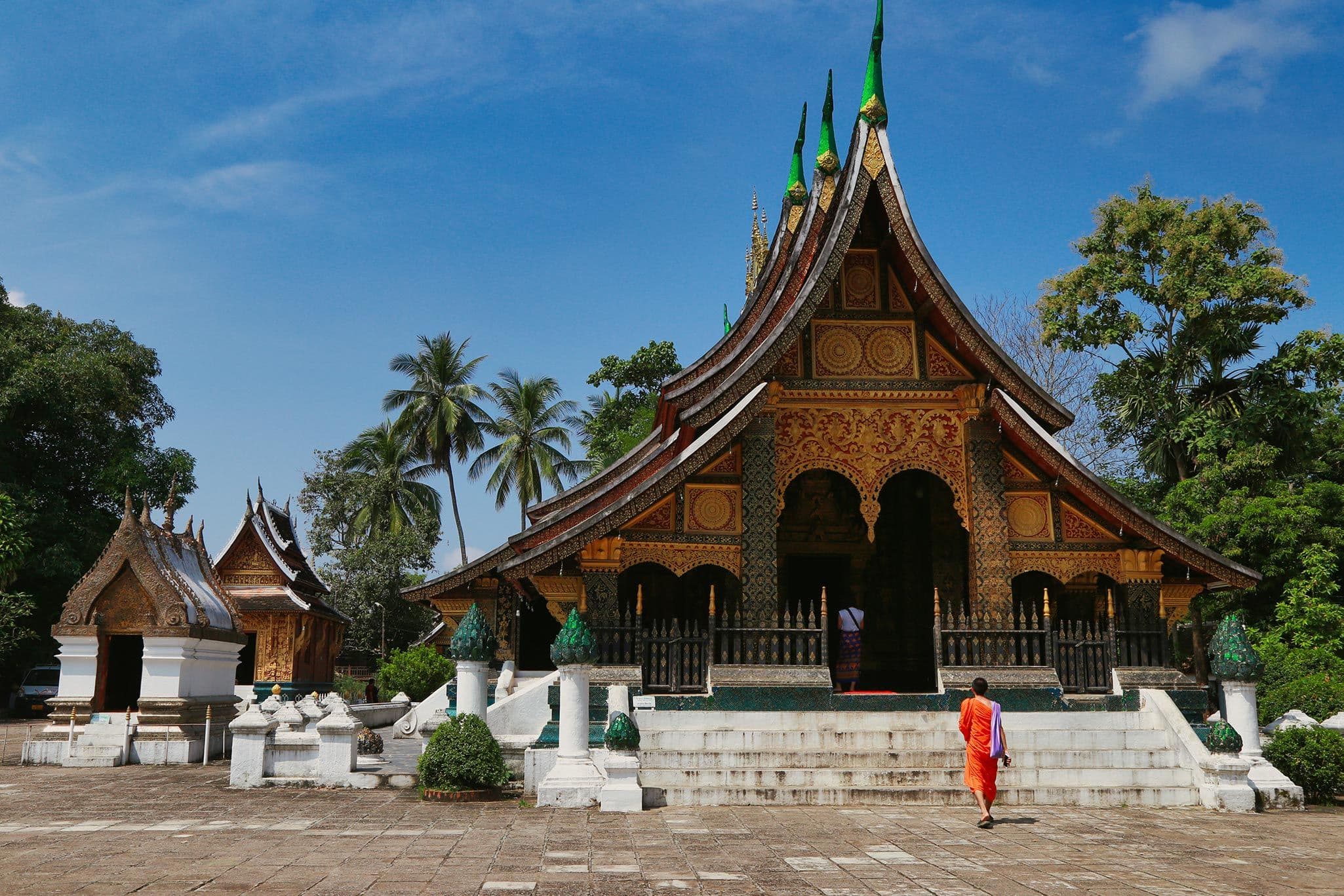
- What Should Travelers Wear to Temples and Pagodas?
- What Should Travelers Wear in the Countryside and Mountains?
- What Should Travelers Pack for Beaches and Resorts?
- Shoes and Bags to Bring to Vietnam
- Why Are Comfortable Walking Shoes Important?
- When Are Sandals and Slip-On Shoes Useful?
- What Bags Should Travelers Bring?
- Electronics and Travel Gear for Americans Visiting Vietnam
- What Power and Charging Items Are Useful?
- What Phone and Internet Tools Help in Vietnam?
- What Photography Gear Should Travelers Bring?
- Health and Safety Items to Pack
- What Should Be in a Travel Medical Kit?
- How Can Travelers Protect Against Mosquitoes and Insects?
- What Food and Water Comfort Items Are Useful?
- Packing by Vietnam Destination
- What Should You Pack for Hanoi and Northern Cities?
- What Should You Pack for Ninh Binh, Mai Chau, Pu Luong, Sapa, and Ha Giang?
- What Should You Pack for Ha Long Bay and Lan Ha Bay?
- What Should You Pack for Hue, Da Nang, and Hoi An?
- What Should You Pack for Ho Chi Minh City and the Mekong Delta?
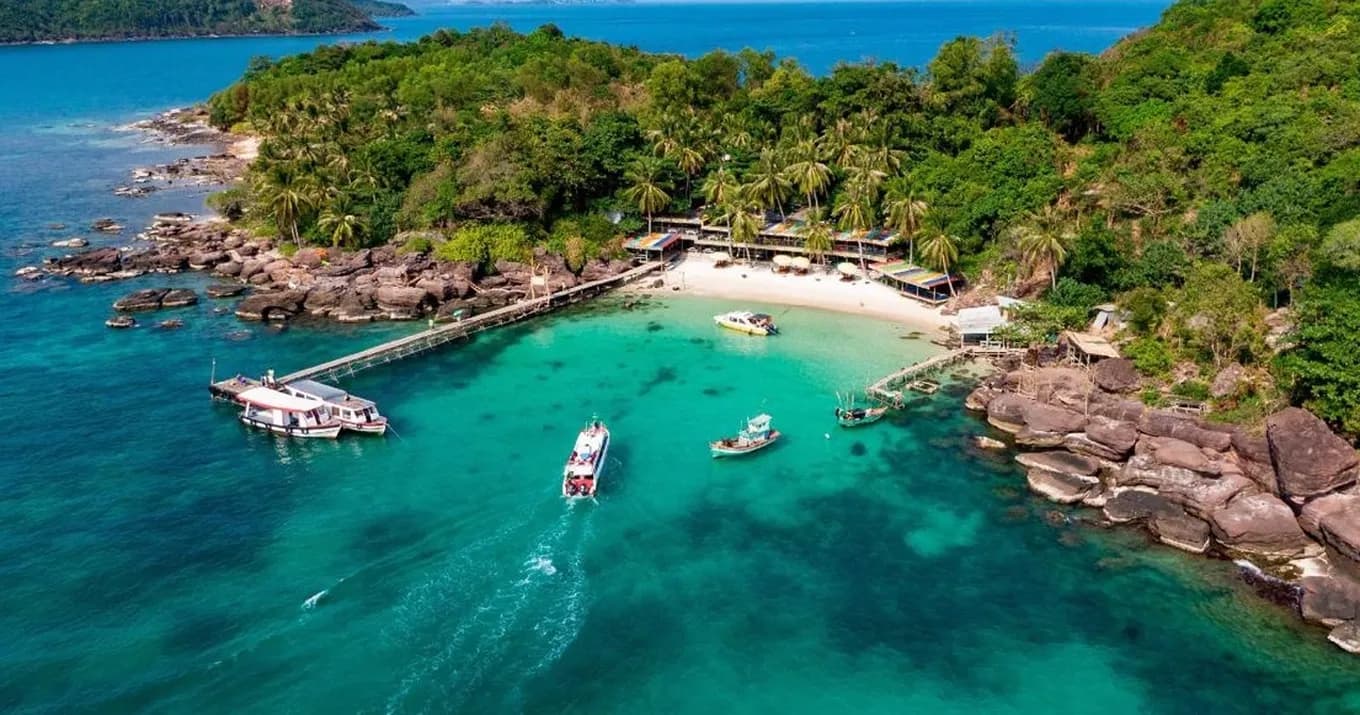
- What Should You Pack for Phu Quoc, Con Dao, Nha Trang, and Beach Islands?
- Packing List by Traveler Type
- What Should First-Time American Visitors Pack?
- What Should Families with Children Pack?
- What Should Senior Travelers Pack?
- What Should Couples and Honeymooners Pack?
- What Should Luxury Travelers Pack?
- What Should Adventure and Nature Travelers Pack?
- What Not to Pack for Vietnam
- Smart Packing Tips for Vietnam
- How Can Travelers Pack Light but Strategically?
- How Should Travelers Prepare for Regional Differences?
- What Should Stay in Carry-On Luggage?
- Common Packing Mistakes Americans Should Avoid
- Why Plan Your Vietnam Trip with FtripVietnam?
- FAQs
- What should Americans pack for Vietnam?
- Do I need warm clothes for Vietnam?
- What should I wear in Vietnam temples?
- Should I bring a suitcase or backpack to Vietnam?
- Conclusion
Vietnam is a diverse destination with changing weather across northern, central, and southern regions. Americans planning a Vietnam trip should not pack as if the whole country has one climate. A traveler may experience cool weather in the northern mountains, humid city days in Hanoi, beach weather in Da Nang, heavy rain in Central Vietnam, and tropical heat in Ho Chi Minh City or the Mekong Delta during the same journey.
Destinations such as Hanoi, Sapa, Ninh Binh, Ha Long Bay, Hue, Da Nang, Hoi An, Ho Chi Minh City, the Mekong Delta, and Phu Quoc can require different clothing and travel essentials. A suitcase packed only for beaches may not work well for temples, food tours, mountain routes, cruises, or countryside visits. A bag packed only for cool Hanoi weather may feel uncomfortable in southern Vietnam.
Packing should also depend on travel style. Family travel, honeymoon trips, senior-friendly tours, luxury travel, adventure routes, food tours, beach vacations, and small group tours all require slightly different preparation. A family may need children’s medicine and snacks, while seniors may need medication, support shoes, and lighter luggage. Honeymooners may want photo-friendly outfits, while adventure travelers may need quick-dry clothing and stronger walking shoes.
FtripVietnam helps American travelers plan Vietnam trips with season-aware itineraries, suitable hotels, private transfers, local guides, special meals, and practical packing guidance based on route, season, and comfort level.
Quick Vietnam Packing Checklist for Americans
What Essential Travel Documents Should Americans Bring?
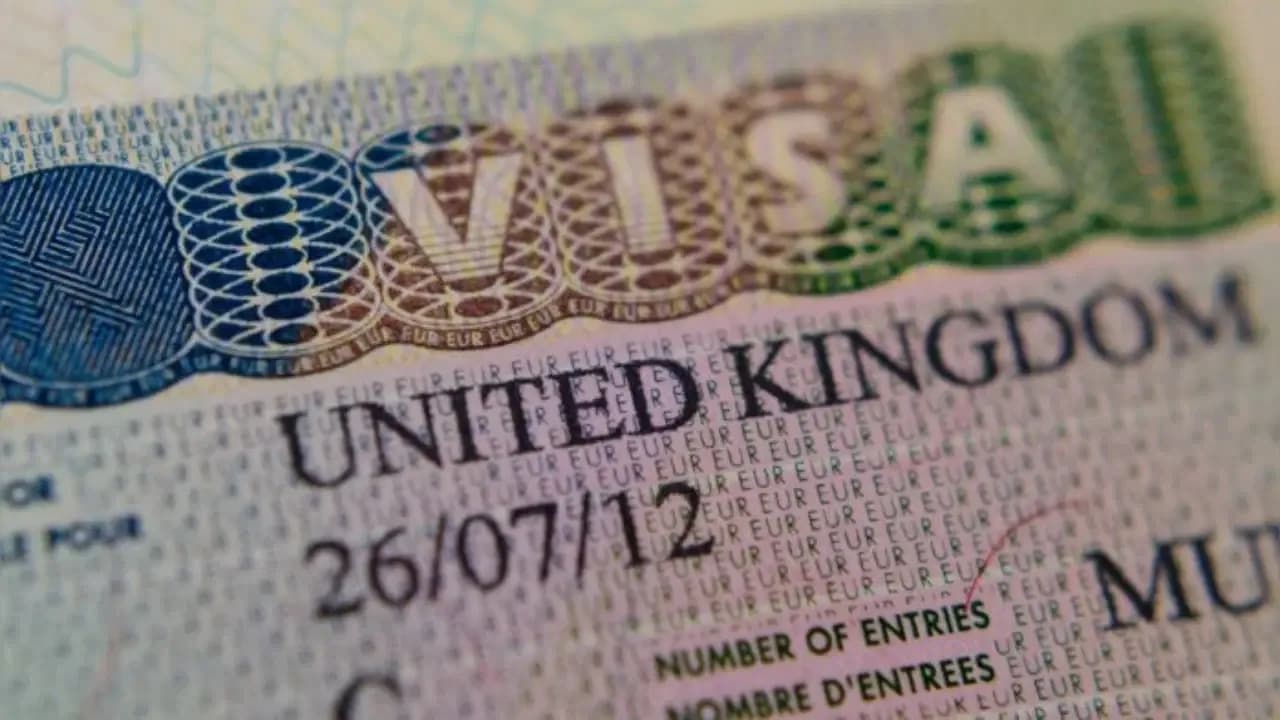
Travel documents are the first items Americans should prepare for Vietnam. US travelers need a valid passport and a Vietnam visa or e-visa. The U.S. Department of State states that travelers need a visa for Vietnam, and passports should have six months’ validity beyond arrival with one blank page per stamp. Vietnam’s official e-visa system states that e-visas can be valid for up to 90 days, with single-entry and multiple-entry options.
Important documents to prepare:
- Valid US passport
- Printed Vietnam e-visa or visa approval
- Flight confirmations
- Hotel confirmations
- Travel insurance documents
- Tour itinerary
- Emergency contacts
- Passport copy
- Prescription documents if needed
- Digital backups saved offline and online
Documents should be easy to access during airline check-in, immigration, hotel check-in, domestic flights, cruise check-in, and airport transfers.
What Everyday Travel Essentials Are Useful in Vietnam?
Everyday travel essentials should support walking, sightseeing, transfers, food tours, markets, cruises, and changing weather. Vietnam is easy to enjoy when travelers pack light but practically.
Useful everyday items include:
- Lightweight clothing
- Comfortable walking shoes
- Sandals or slip-on shoes
- Light rain jacket or compact umbrella
- Sunglasses
- Hat or cap
- Sunscreen
- Insect repellent
- Reusable water bottle
- Small day bag
- Hand sanitizer and wipes
- Power bank
- Universal travel adapter
- SIM or eSIM plan
These items are useful across most Vietnam routes, from Hanoi and Hoi An to Ho Chi Minh City, the Mekong Delta, and beach destinations.
What Health and Comfort Items Should Travelers Pack?
Health and comfort items are important because Vietnam trips often include long flights, domestic transfers, food experiences, boat rides, outdoor sightseeing, and warm weather.
A practical travel health kit may contain:
- Prescription medication
- Basic first-aid items
- Motion sickness medicine
- Stomach medicine
- Pain reliever
- Allergy medicine
- Mosquito bite relief
- Electrolyte packets
- Personal hygiene products
- Face masks for flights or crowded places
- Small tissue packs
- Personal medical items needed for the trip
CDC recommends hepatitis A vaccination for unvaccinated travelers one year old or older going to Vietnam, so Americans should review health guidance before departure and consult a healthcare professional when needed. (CDC)
Understanding Vietnam’s Weather Before You Pack
What Is Northern Vietnam Weather Like?
Northern Vietnam includes Hanoi, Ninh Binh, Sapa, Ha Giang, Mai Chau, Pu Luong, and Ha Long Bay. This region can be cool in winter, hot and humid in summer, and misty or rainy in mountain areas.
Americans visiting northern Vietnam in cooler months should pack light layers. Hanoi and Ninh Binh may feel mild or cool, while mountain routes such as Sapa, Ha Giang, Mai Chau, and Pu Luong can require warmer clothing.
Rain protection is useful in both city and countryside routes. Even if the trip is not during peak rainy periods, a compact umbrella or light rain jacket can be helpful for sudden showers, mist, or boat transfers.
What Is Central Vietnam Weather Like?
Central Vietnam includes Hue, Da Nang, Hoi An, My Son, Phong Nha, and nearby beaches. This region can be hot and sunny during beach-friendly periods, but it can also experience heavy rain and storms during certain months.
Travelers visiting Central Vietnam should pack breathable clothes, sun protection, and rain gear depending on season. Beach travelers should bring swimwear, sandals, resort clothing, and a lightweight cover-up.
For Hue, Hoi An, and My Son, modest clothing is useful for temples, pagodas, heritage sites, and cultural visits. Comfortable walking shoes are also important because old towns and historical sites often involve walking on uneven surfaces.
What Is Southern Vietnam Weather Like?
Southern Vietnam includes Ho Chi Minh City, the Mekong Delta, Phu Quoc, Con Dao, and southern beach areas. This region is usually warm and tropical throughout the year.
During the dry season, travelers should prioritize sun protection, breathable clothing, hats, sunglasses, and sunscreen. During the rainy season, quick-dry clothing and light rain gear become more useful.
Mosquito protection is important, especially in the Mekong Delta, island areas, rural routes, and rainy periods. Insect repellent, lightweight long sleeves, and long pants for evenings can improve comfort.

Vietnam Packing List by Season
What Should Travelers Pack for Dry Season?
Dry season packing should focus on sun protection, breathable clothing, and comfortable footwear. This is a good time for city walks, food tours, cruises, beaches, and countryside experiences, but travelers still need to protect themselves from heat and sun.
For dry season, travelers should prepare lightweight shirts, breathable pants or shorts, dresses or skirts for city and resort wear, comfortable walking shoes, sandals, sunscreen, sunglasses, a hat or cap, swimwear, and a small day bag.
A light scarf or cover-up is useful for temples and pagodas. Insect repellent, moisturizer, lip balm, and a reusable bottle also help during long sightseeing days.
What Should Travelers Pack for Rainy Season?
Rainy season packing should focus on staying dry without carrying heavy gear. Vietnam rain can be sudden, especially in tropical areas, so quick-dry items are more useful than bulky clothing.
A light rain jacket, compact umbrella, quick-dry clothing, waterproof phone pouch, dry bag, and water-resistant day bag are practical choices. Sandals or shoes with grip are useful for wet streets, while extra socks can help after rainy walks.
Travelers visiting caves, temples, countryside roads, or boat routes should avoid slippery footwear. A flexible attitude is also useful because rain can change outdoor activities, photography plans, and beach schedules.
What Should Travelers Pack for Cool Season?
Cool season packing is most important for northern Vietnam and mountain routes. Travelers visiting Hanoi, Ninh Binh, Ha Long Bay, Sapa, Ha Giang, Mai Chau, or Pu Luong may need layers.
A light jacket, long-sleeve shirts, light sweater, comfortable jeans or travel pants, scarf, and closed-toe walking shoes can work well. Mountain areas may require warmer clothing than Hanoi, especially in the evening or early morning.
Rain protection can still be useful because cool weather can also feel misty or damp. Light layers are usually better than one heavy coat unless travelers are visiting colder mountain areas.
What Should Travelers Pack for Hot and Humid Season?
Hot and humid season packing should focus on breathability and comfort. Cotton, linen, moisture-wicking shirts, loose pants, skirts, casual shorts, and lightweight dresses can help travelers stay comfortable.
Sun protection is important, so travelers should bring a sun hat, sunglasses, and high-SPF sunscreen. Electrolyte packets, a reusable water bottle, and a small towel or handkerchief can also be helpful during long city walks or outdoor tours.
Sandals, light evening outfits, and insect repellent are practical additions. Heavy jeans and thick fabrics are less comfortable in humid conditions.
Clothing to Pack for Vietnam
What City Clothing Works Best?
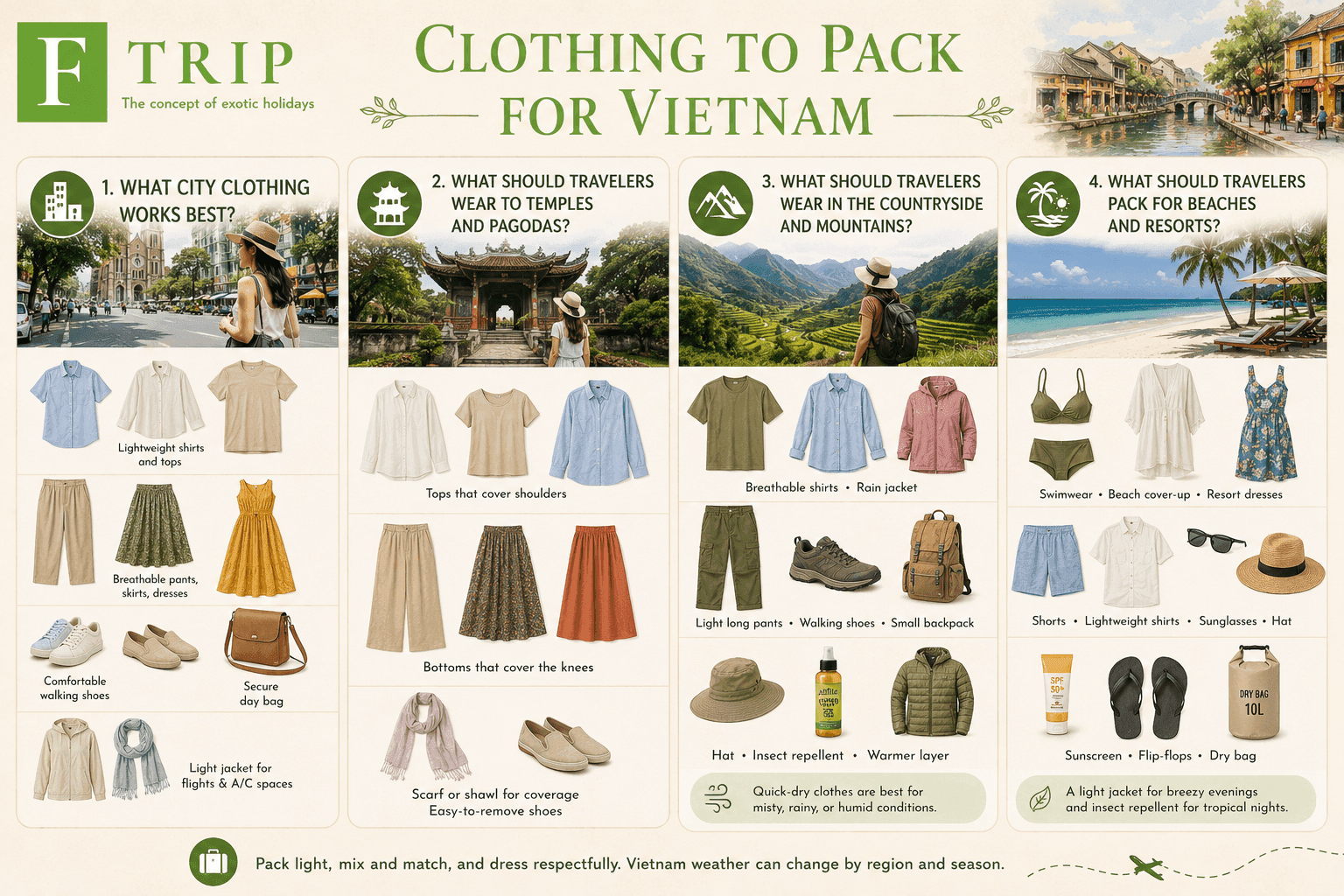
City clothing should be lightweight, breathable, and comfortable for walking, eating, shopping, sightseeing, and café stops. Hanoi, Hoi An, Hue, Da Nang, and Ho Chi Minh City all involve walking, traffic, local markets, and changing indoor-outdoor temperatures.
Travelers can pack lightweight shirts and tops, breathable pants, skirts, dresses, comfortable walking shoes, casual evening outfits, and a secure day bag. A light jacket is useful for flights, buses, private transfers, and air-conditioned spaces.
Americans should avoid packing only beachwear if the itinerary includes cities, temples, museums, food tours, and local markets. Vietnam city travel works best with casual but respectful clothing.
What Should Travelers Wear to Temples and Pagodas?
Temple and pagoda visits require modest clothing. Travelers should wear tops that cover shoulders and bottoms that cover the knees. A light scarf or shawl can provide quick coverage when needed.
Shoes that are easy to remove are useful because visitors may need to take off shoes before entering certain sacred spaces. Breathable modest clothing is better than heavy clothing on hot days.
Respectful clothing should be easy to access in the day bag, especially when the itinerary includes temples, pagodas, old houses, or heritage sites.
What Should Travelers Wear in the Countryside and Mountains?
Countryside and mountain clothing should be comfortable, practical, and suitable for changing weather. Ninh Binh, Mai Chau, Pu Luong, Sapa, Ha Giang, and rural routes may involve walking, light cycling, village visits, boat rides, and uneven paths.
Comfortable walking shoes, light long pants, breathable shirts, rain jacket, hat, insect repellent, and a small backpack are useful. Warmer layers may be needed in mountain areas, especially during cooler months.
Quick-dry clothes are better than heavy jeans for misty, rainy, or humid conditions.
What Should Travelers Pack for Beaches and Resorts?
Beach and resort clothing should be simple, light, and easy to dry. Swimwear, beach cover-up, sandals, resort dresses, casual evening wear, lightweight shirts, shorts, sunglasses, hat, sunscreen, dry bag, and flip-flops are all useful.
A light jacket can help during breezy evenings, especially on cruises or coastal routes. Beach travelers should also pack insect repellent, especially for island areas, beachfront resorts, and tropical evenings.
Beach clothing should still be balanced with city and temple clothing if the itinerary includes cultural destinations.
Shoes and Bags to Bring to Vietnam
Why Are Comfortable Walking Shoes Important?
Comfortable walking shoes are essential for Vietnam because many travel days involve old streets, markets, temples, museums, local neighborhoods, and city walks. Hanoi Old Quarter, Hoi An Ancient Town, Hue, and Ho Chi Minh City all require more walking than many travelers expect.
Closed-toe shoes are useful for long sightseeing days and uneven surfaces. Travelers should break in shoes before the trip and avoid bringing only new shoes or fashion shoes.
A comfortable pair of shoes can make the difference between enjoying a full day and feeling tired too early.
When Are Sandals and Slip-On Shoes Useful?
Sandals are useful for beaches, rainy days, casual outings, and short walks. Slip-on shoes are practical for temples, pagodas, homes, and workshops where shoes may need to be removed.
Travelers should choose sandals with grip, especially during rainy season or when visiting wet streets, boat docks, and beach areas. Slippery soles should be avoided.
One comfortable pair of sandals is usually more useful than several bulky pairs.
What Bags Should Travelers Bring?
A secure crossbody bag or small backpack is useful for daily sightseeing. It should hold water, phone, hand sanitizer, tissues, sunscreen, rain gear, and small personal items.
A lightweight suitcase works well for private tours, city stays, luxury trips, and family itineraries. A backpack may suit adventure travelers or those moving through rural areas.
A small overnight bag is useful for Ha Long Bay or Lan Ha Bay cruises, where large luggage may be less convenient in cabins. Valuables, documents, and medication should stay in carry-on luggage.
Electronics and Travel Gear for Americans Visiting Vietnam
What Power and Charging Items Are Useful?
Americans should bring a universal travel adapter, phone charger, power bank, charging cables, and any camera or laptop chargers needed for the trip. A small cable organizer can make hotel changes easier.
Vietnam uses several plug types, so an adapter is useful. Long sightseeing days, domestic flights, food tours, and boat trips can drain phone batteries, making a power bank especially helpful.
Backup cables are also useful because replacing specific charging cords may be inconvenient during busy travel days.
What Phone and Internet Tools Help in Vietnam?
An unlocked phone with a SIM or eSIM plan helps travelers use maps, messaging, translation tools, and local support during the trip. Offline maps and saved hotel addresses are useful in case internet access is limited.
Travelers can also prepare translation apps, ride-hailing apps if needed, digital copies of documents, and messaging apps for guides, drivers, and local support.
Emergency numbers, hotel addresses, guide contacts, and itinerary details should be saved offline.
What Photography Gear Should Travelers Bring?
Vietnam is highly photogenic, from markets and food stalls to rice fields, old towns, beaches, mountains, and cruises. Travelers can bring a camera or phone with enough storage, memory cards, portable charger, lens cloth, waterproof phone pouch, and dry bag for boat trips.
A small tripod or stabilizer can be useful for content creators, but gear should stay lightweight for markets and walking tours.
Travelers should respect local privacy when taking photos, especially in markets, villages, temples, and family settings.
Health and Safety Items to Pack
What Should Be in a Travel Medical Kit?
A travel medical kit should match the traveler’s age, health needs, itinerary, and activity level. Prescription medicine should be packed in carry-on luggage, preferably in original packaging.
Useful items may include pain reliever, stomach medicine, motion sickness medicine, allergy medicine, bandages, antiseptic wipes, anti-itch cream, electrolyte packets, hand sanitizer, and personal medical supplies.
Travelers with important prescriptions may also bring a doctor note. Families and seniors should prepare more carefully because replacing specific medicine abroad can be difficult.
How Can Travelers Protect Against Mosquitoes and Insects?
Mosquito and insect protection is useful across Vietnam, especially in the Mekong Delta, islands, mountains, countryside areas, and rainy season. Insect repellent, anti-itch cream, lightweight long sleeves, and long pants for rural or evening areas can help.
Travelers should follow health guidance and protect themselves from mosquito bites. This is especially important for families, seniors, and travelers visiting rural areas.
A small bottle of repellent in the day bag can be useful for evening walks, river routes, and countryside meals.
What Food and Water Comfort Items Are Useful?
Food and water comfort items can make food tours, market visits, long transfers, and countryside days easier. Hand sanitizer, wet wipes, small tissue packs, a reusable bottle, electrolyte packets, stomach medicine, and personal snacks can be useful.
Travelers should avoid drinking untreated tap water. During independent street food exploration, they should choose busy vendors with fresh turnover and be careful with food that has been sitting out too long.
A guided food tour can help first-time visitors feel more confident.
Packing by Vietnam Destination
What Should You Pack for Hanoi and Northern Cities?
Hanoi and northern cities require comfortable walking shoes, lightweight city clothing, a light jacket in cooler months, rain gear in wet periods, modest clothing for temples, and a day bag for Old Quarter walks.
Travelers may also want a coffee shop or evening outfit because Hanoi has a strong café and dining culture. If the route continues to Ninh Binh, Sapa, or Ha Long Bay, light layers and practical footwear become even more important.
What Should You Pack for Ninh Binh, Mai Chau, Pu Luong, Sapa, and Ha Giang?
These destinations require more practical clothing because travelers may experience countryside roads, boat rides, rice fields, mist, mountains, and light walking routes.
Comfortable walking shoes, light pants, rain jacket, insect repellent, hat, small backpack, quick-dry clothing, and camera storage are useful. Warmer layers are important for Sapa, Ha Giang, Mai Chau, or Pu Luong during cooler months.
Travelers should avoid overpacking heavy clothes unless visiting colder mountain areas.
What Should You Pack for Ha Long Bay and Lan Ha Bay?
Ha Long Bay and Lan Ha Bay travelers should prepare a small overnight bag, swimwear, light jacket, sunscreen, hat, sunglasses, sandals, comfortable shoes for caves or deck walking, motion sickness medicine if needed, and a waterproof phone pouch or dry bag.
A dressier casual outfit can be useful for dinner on board. Large suitcases may be less convenient in cruise cabins, so a compact overnight bag can make the cruise smoother.
What Should You Pack for Hue, Da Nang, and Hoi An?
Hue, Da Nang, and Hoi An require lightweight clothing, modest temple clothing, comfortable walking shoes, sandals, swimwear for beach or resort stays, rain protection depending on season, and sun protection.
Hoi An travelers may want a photo-friendly outfit for ancient town walks, lantern evenings, or riverside dinners. Clothes suitable for cooking classes, craft workshops, or countryside visits are also useful.
Easy-to-remove shoes help when visiting temples, homes, and workshops.
What Should You Pack for Ho Chi Minh City and the Mekong Delta?
Ho Chi Minh City and the Mekong Delta are usually warm, so breathable clothing is important. Comfortable city shoes, sandals, sun protection, insect repellent, light rain gear during rainy season, and a day bag are useful.
For the Mekong Delta, travelers should prepare clothing suitable for boat rides, local markets, gardens, and riverside communities. Small cash can be helpful for local purchases.
Wipes, tissues, and a small towel can also be practical during hot or humid days.
What Should You Pack for Phu Quoc, Con Dao, Nha Trang, and Beach Islands?
Beach destinations require swimwear, resort wear, sandals, sunscreen, sunglasses, hat, dry bag, beach cover-up, light evening clothing, and insect repellent.
Travelers joining boat trips or snorkeling activities may bring water activity items if needed. Motion sickness medicine can be useful for boat transfers.
Beach packing should still consider the wider itinerary. If travelers also visit temples, cities, or countryside areas, they should not pack only resort clothing.
Packing List by Traveler Type
What Should First-Time American Visitors Pack?
First-time visitors should focus on versatile clothing that works across cities, temples, food tours, cruises, and light countryside experiences. Comfortable walking shoes, printed visa documents, rain protection, basic medicine, insect repellent, and a light jacket for flights or air-conditioned spaces are useful.
They should avoid overpacking because domestic flights, hotel changes, and cruise transfers are common on many Vietnam itineraries.
What Should Families with Children Pack?
Families should pack children’s medicine, snacks for transfers, extra clothes, swimwear, sun protection, child-safe insect repellent, comfort items, and entertainment for flights or long drives.
Copies of children’s passports and visas should be prepared. Family rooms and laundry access should also be considered during planning.
Parents should pack in a way that supports both comfort and flexibility.
What Should Senior Travelers Pack?
Senior travelers should pack prescription medication in carry-on luggage, a medication list, doctor note if needed, comfortable shoes with good support, light layers for air conditioning and cooler areas, travel insurance documents, and a small medical kit.
A foldable walking aid may be useful if needed. Heavy luggage and difficult bags should be avoided.
Comfort and access matter more than packing many outfit options.
What Should Couples and Honeymooners Pack?
Couples and honeymooners should pack comfortable travel clothes, dressier outfits for romantic dinners, swimwear, resort wear, photo-friendly outfits for Hoi An, Ninh Binh, Ha Long Bay, or beaches, and spa or beach essentials.
A light jacket or shawl can be useful for flights, cruises, and evening walks. Formal clothing is usually unnecessary unless the itinerary includes luxury dining or special events.
What Should Luxury Travelers Pack?
Luxury travelers may want refined casual outfits, resort wear, dressier evening clothing, comfortable premium walking shoes, swimwear, spa and wellness items, camera gear, and light layers for flights and private transfers.
Luggage should still remain manageable because domestic flights and cruises may involve baggage limits or cabin space considerations.
What Should Adventure and Nature Travelers Pack?
Adventure and nature travelers should pack quick-dry clothing, light trekking shoes, rain jacket, insect repellent, small backpack, reusable bottle, hat, sunscreen, warm layers for mountain routes, and waterproof phone pouch.
Heavy cotton clothing is not ideal for humid trekking or wet countryside routes. Lightweight, practical clothing works better.
What Not to Pack for Vietnam
Travelers should avoid packing too many heavy clothes, large bulky luggage for multi-destination routes, expensive jewelry for casual sightseeing, too many shoes, heavy coats unless visiting cold mountain areas in winter, and large toiletry bottles that can be bought locally.
Too many formal outfits are also unnecessary for most Vietnam itineraries. Beach-only clothing is not practical if the trip includes cities, temples, cruises, and countryside routes.
Uncomfortable new shoes should be avoided because walking is part of most Vietnam trips. Travelers should also consider domestic flight luggage limits before packing oversized bags.
Smart Packing Tips for Vietnam
How Can Travelers Pack Light but Strategically?
Travelers should choose clothing that can be mixed and matched. Quick-dry items, breathable fabrics, and layers are more useful than heavy clothing.
Packing cubes can help if the itinerary includes several hotel changes. Travelers on longer trips can plan laundry stops instead of packing too many outfits.
Leaving room for souvenirs, coffee, tailored clothing, or local products is also helpful.
How Should Travelers Prepare for Regional Differences?
Travelers should not pack only for Hanoi if they are visiting Phu Quoc. They should not pack only beachwear if the trip includes temples, countryside, and cities.
Warm layers are useful for northern mountains, while rain gear may be needed for rainy season or Central Vietnam storm periods. The best packing list should match route and season, not only the country name.
What Should Stay in Carry-On Luggage?
Important items should stay in carry-on luggage in case checked baggage is delayed.
Carry-on essentials:
- Passport
- Visa or e-visa
- Medication
- Insurance documents
- Phone and charger
- Power bank
- One change of clothes
- Essential toiletries
- Important valuables
- Printed itinerary or key confirmations
This is especially useful for long-haul flights, domestic transfers, and cruise check-ins.
Common Packing Mistakes Americans Should Avoid
Many packing mistakes happen because travelers assume Vietnam has the same weather everywhere. In reality, region, season, and travel style matter.
Common mistakes include packing too much heavy clothing, forgetting modest clothing for temples and pagodas, bringing only sandals and no walking shoes, forgetting rain gear during rainy season, not packing insect repellent, packing too many formal outfits, forgetting printed visa documents, keeping medication only in checked luggage, ignoring domestic flight baggage limits, and not preparing for both city and countryside conditions.
A smart Vietnam packing list should be light, flexible, and route-specific.
Why Plan Your Vietnam Trip with FtripVietnam?
FtripVietnam helps American travelers plan Vietnam trips based on travel dates, season, destination route, hotel style, comfort level, dietary needs, and personal interests.
The team is 100% local, with 7+ years of experience creating Vietnam trips for international travelers. This local knowledge helps travelers choose better routes, prepare for regional weather, and avoid unnecessary packing mistakes.
FtripVietnam can customize itineraries for first-time visitors, families, seniors, couples, honeymooners, luxury travelers, small groups, food lovers, photographers, beach travelers, and adventure travelers.
The team has experience serving niche markets, including Muslim and Judaism travelers, making it easier to arrange suitable meals, cultural sensitivity, private support, and smoother logistics.
Travelers can request experiences that are difficult to find in standard packages, such as photography tours, cooking classes, local workshops, craft villages, private food tours, countryside stays, scenic cruises, wellness days, and daily cultural activities.
Many tourists praise FtripVietnam for enthusiastic, knowledgeable, and friendly support. This is especially valuable for Americans who want season-aware planning and practical guidance before departure.
With FtripVietnam, travelers can plan a Vietnam trip that matches their route, season, comfort level, and packing needs.
FAQs
What should Americans pack for Vietnam?
Americans should pack a valid passport, printed visa or e-visa, travel insurance, lightweight clothing, comfortable walking shoes, rain protection, sun protection, insect repellent, basic medicine, phone charger, travel adapter, and a secure day bag. Packing should change based on season, destination, and travel style. Travelers visiting mountains should bring layers, while beach travelers should bring swimwear and sun protection.
Do I need warm clothes for Vietnam?
Warm clothes are not always necessary, but they are useful for northern Vietnam during cooler months and mountain destinations such as Sapa, Ha Giang, Mai Chau, or Pu Luong. Hanoi, Ninh Binh, and Ha Long Bay can also feel cool in winter. Southern Vietnam is generally warm, so heavy clothing is usually unnecessary there. Light layers are better than bulky coats for most trips.
What should I wear in Vietnam temples?
Travelers should wear modest clothing that covers shoulders and knees. A scarf or shawl is useful for quick coverage. Shoes that are easy to remove are also helpful. Revealing outfits should be avoided at temples, pagodas, and religious sites. Breathable modest clothing is practical in hot weather.
Should I bring a suitcase or backpack to Vietnam?
A suitcase works well for private tours, city stays, luxury trips, family travel, and hotel-based itineraries. A backpack may work better for adventure routes, remote areas, or travelers moving frequently. Many Americans prefer a lightweight suitcase plus a small day bag. If the itinerary includes domestic flights and cruises, oversized luggage should be avoided.
Conclusion
The best Vietnam packing list for Americans depends on season, region, travel style, and itinerary pace. Vietnam is not a one-climate destination, so travelers should pack for the specific route they plan to take.
Americans should prepare essential documents, breathable clothing, comfortable shoes, rain gear, sun protection, insect repellent, basic medicine, electronics, and destination-specific items. Northern, central, and southern Vietnam can require different clothing choices during the same trip.
Temple visits, food tours, cruises, beach stays, countryside routes, domestic flights, and mountain extensions all affect what travelers should bring. Packing light but strategically makes the journey easier.
FtripVietnam can help Americans plan a Vietnam itinerary with season-aware guidance, suitable hotels, private transfers, local guides, special meals, and practical travel support.
Travelers can request a customized Vietnam plan that matches their dates, destinations, comfort level, and packing needs.

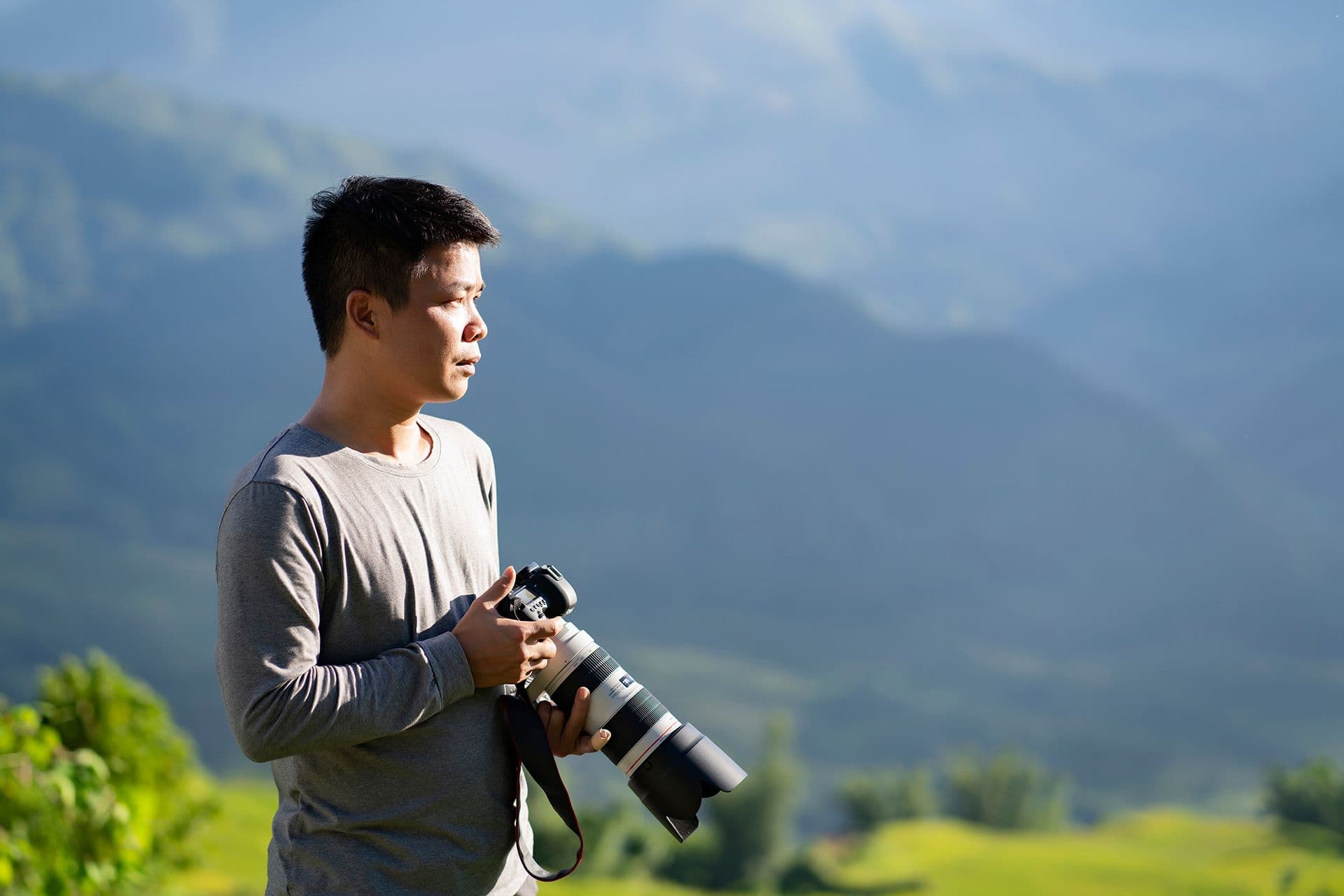
Founder & Photography Guide
Specialties: Culture, landscape, portrait, hiking, active and adventurous tour
Besides my unlimited passion for traveling, a professional tour guide for over a decade, I have been taking photographs since sitting at Hanoi of the University of Culture in the early 2000s. Photography started as a hobby but it was seriously taken due to my work relations and my significant passion for the beauty of our world, especially in Southeast Asian parts such as Vietnam, Laos, Cambodia, and Myanmar.
Within a few years of taking photographs, my works began to be recognized by many reliable international publications such as AFAR Travel, The Times, and The Daily Telegraph newspaper. In addition, I continuously add to my growing profile by winning numerous major awards: 3rd Position of The Independent Photographer 2018, 1st Position of Amateur Photographer of the year 2018, Grand Prize Winner of the AFAR Travel Photography 2019, and a Gold Award of San Francisco Bay International Photography 2020.
I photograph a wide variety of subjects, from travel to landscapes to street scenes. I enjoy documenting the East’s rich cultural heritage and its land soaked in glorious sunrise or sunset light in remote and secluded spots. And, I am very happy to share my knowledge and experience with you. You can visit Luminousvietnamtour to explore tour!