- Vietnam’s Unique Climate Explained
- Why Weather Varies Across the Country
- The Three Climate Zones
- Best Time to Visit Vietnam (Overall Recommendation)
- Best Overall Months to Visit
- Months to Be Cautious
- Vietnam Weather by Region (What to Expect)
- Northern Vietnam (Hanoi, Sapa, Ha Giang, Ninh Binh)
- Central Vietnam (Hue, Da Nang, Hoi An, Quy Nhon, Nha Trang)
- Southern Vietnam (Ho Chi Minh City, Mekong Delta, Phu Quoc)
- Best Time to Visit Based on Travel Style
- For Beach Lovers
- For Adventure Seekers
- For Cultural Explorers
- For Food Lovers
- For Budget Travelers
- Month-by-Month Breakdown (Traveler-Friendly Guide)
- Essential Weather Tips for Vietnam Travelers
- How FTripVietnam Helps You Plan the Perfect Weather-Optimized Trip
- Conclusion – Vietnam Is a Year-Round Destination When You Plan It Well
Vietnam stretches over 1,600 kilometers from north to south — and that distance changes everything. In a single week, you might feel the cool winter air of Ha Giang, stroll through sunlit beaches in Da Nang, and enjoy warm tropical sunsets in the Mekong Delta. Few countries offer such dramatic weather diversity at the same time of year.
This is why weather is the number-one factor that shapes every traveler’s experience in Vietnam. It influences how comfortable your journey will be, what kind of photos you can take, which festivals you can join, and whether your beach or mountain adventures are even possible.
This guide gives you a complete and practical breakdown of Vietnam’s climate zones, the best months to visit each region, and how to plan your trip based on weather, activities, and travel style. Whether you’re dreaming of beaches, culture, mountains, or food, we’ll help you choose the perfect time to make it unforgettable.
Vietnam’s Unique Climate Explained
Why Weather Varies Across the Country
Vietnam’s climate is shaped by three major physical features:
1. Geography
The country’s long S-shaped form stretches across multiple latitudes, creating distinct temperature zones. Northern regions sit closer to the subtropics, while the southern part is firmly tropical.
2. Coastline
With over 3,260 km of coastline, Vietnam is heavily influenced by ocean winds, humidity, and seasonal storms. Coastal regions warm up faster, cool down more slowly, and experience more predictable beach seasons.
3. Mountain Ranges
The northern highlands (Sapa, Ha Giang, Cao Bang) and central ranges create micro-climates. Higher altitudes bring cooler temperatures and unique weather patterns, including frost and thick cloud seas in winter.
4. Monsoons
Vietnam’s weather patterns revolve around two major monsoons:
- Northeast monsoon (Oct–Mar): brings cool, dry air to the north
- Southwest monsoon (May–Oct): brings tropical rains to the south & north
This combination is why Vietnam can have sunshine in Phu Quoc, storms in Hue, and mild temperatures in Hanoi all on the same day.
The Three Climate Zones
Northern Vietnam – Four Seasons:
- Spring (Mar–Apr)
- Summer (May–Aug)
- Autumn (Sep–Nov)
- Winter (Dec–Feb)
Northern Vietnam is the only region with four distinct seasons. Misty winters, cool springs, golden autumns, and hot summers create vastly different travel experiences.
Central Vietnam – Long Dry Season, Short Rainy/Typhoon Season
- Dry season: Feb–Aug
- Rainy/typhoon season: Sep–Dec
The best beaches in Vietnam lie here, but the region is also the most vulnerable to storms.
Southern Vietnam – Tropical Wet and Dry Seasons
- Dry season: Dec–Apr
- Wet season: May–Nov
Consistently warm weather makes southern Vietnam a year-round destination.
Best Time to Visit Vietnam (Overall Recommendation)
Best Overall Months to Visit
March – May
These months bring:
- Clear skies
- Comfortable temperatures
- Calm seas
- Low rainfall
- Beautiful landscapes
Perfect for travelers visiting multiple regions in one trip.
September – November
A second ideal window, offering:
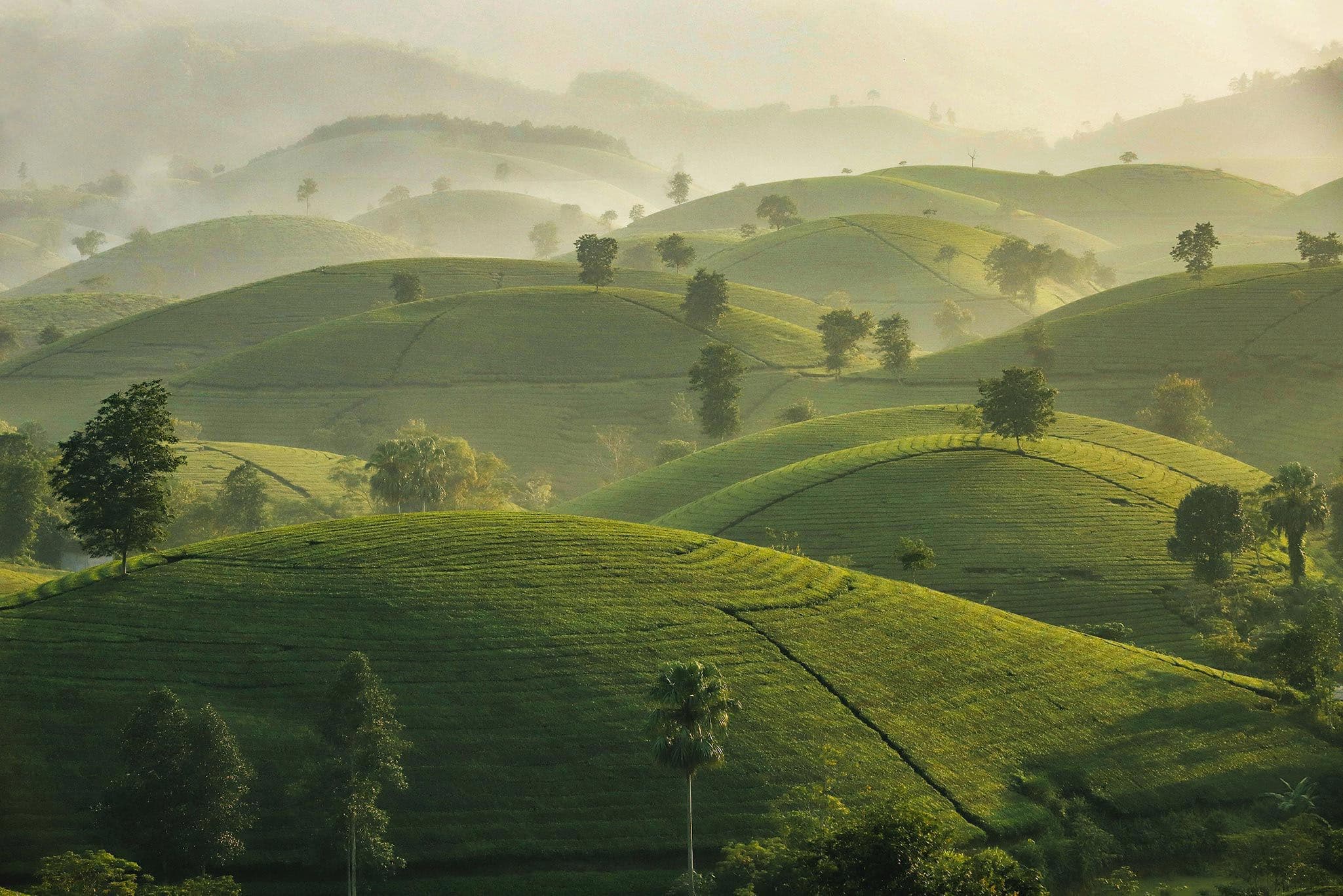
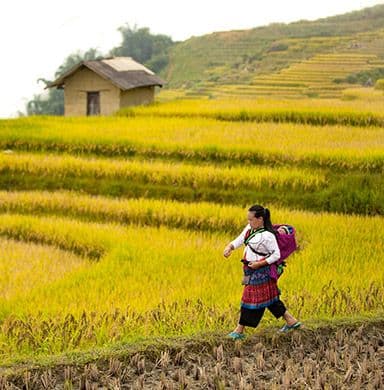
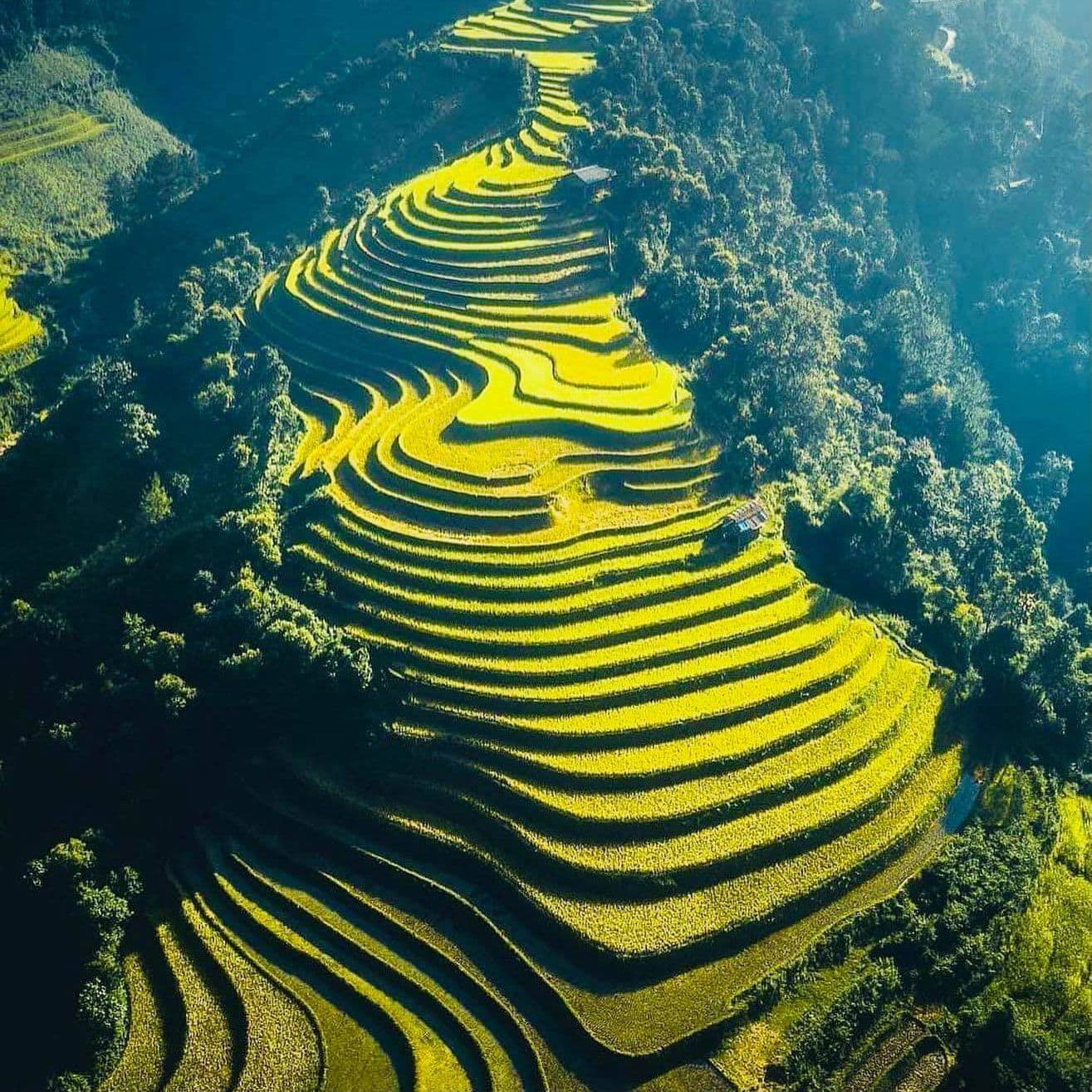
- Golden rice terraces in the north
- Cool mountain breezes
- Stable weather
- Fewer tourists
- Excellent trekking conditions
Months to Be Cautious
June – August
- Hot across the country
- Afternoon rains in north & south
- Still great for central beaches (Da Nang, Hoi An, Quy Nhon)
October – November
- Storms & typhoons in Central Vietnam
- Travel delays possible
January – February
- Cold, foggy north
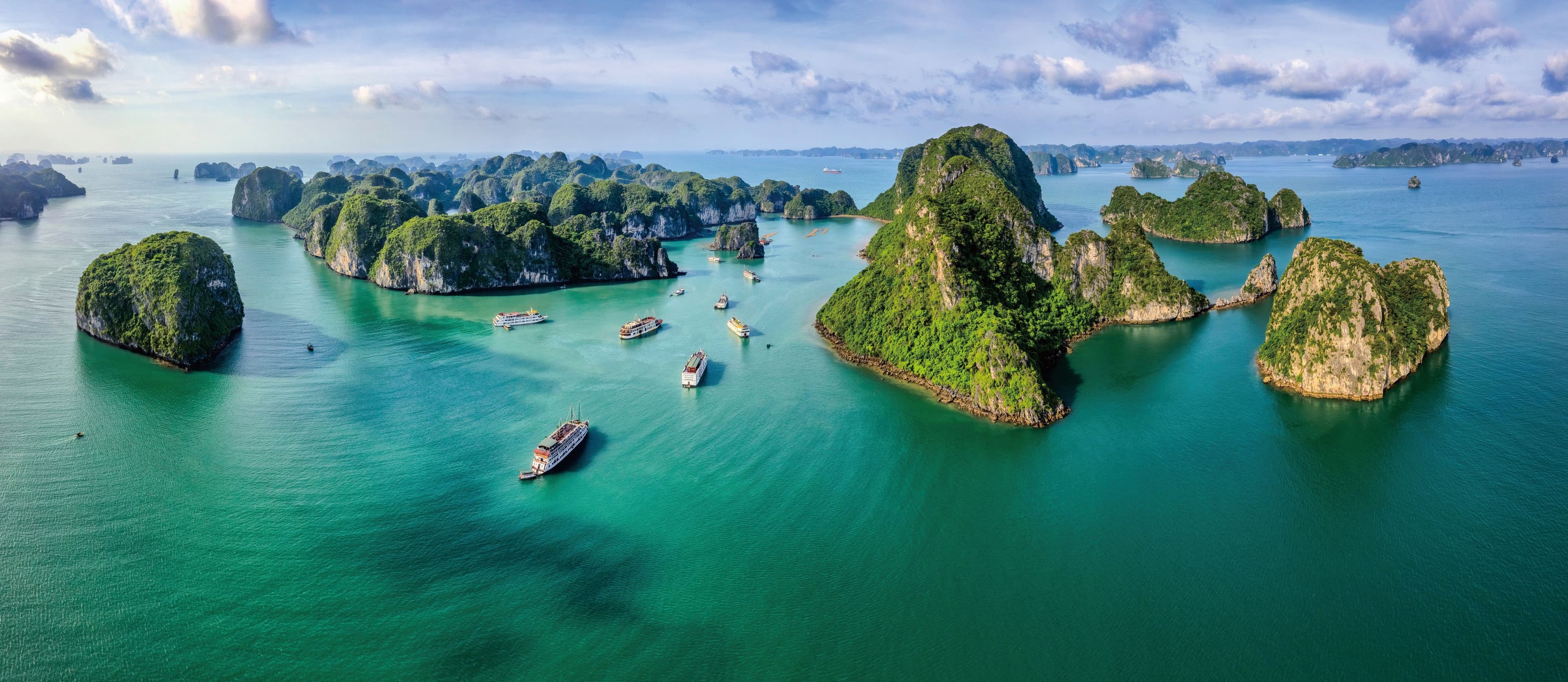
- Halong Bay may have limited visibility
- Tet holidays may affect transport
Vietnam Weather by Region (What to Expect)
Northern Vietnam (Hanoi, Sapa, Ha Giang, Ninh Binh)
Spring (Mar–Apr) – Warm & Pleasant
- Temperatures: 18–25°C
- Green landscapes
- Mild sunshine
Great for: Hanoi exploration, Ninh Binh boat rides, Sapa trekking.
Summer (Jun–Aug) – Hot with Heavy Showers
- Temperatures: 30–38°C
- Afternoon thunderstorms
- Lush rice terraces
Great for: waterfalls, outdoor photography, Ha Giang Loop in bright green season.
Autumn (Sept–Nov) – Cool, Dry & Photogenic
- Temperatures: 20–28°C
- Clear skies
- Golden rice harvest
This is the most beautiful time of year in northern Vietnam.
Winter (Dec–Feb) – Cold & Foggy
- Temperatures: 8–18°C
- Mountain frost is possible
- Misty Halong Bay views
Great for: atmospheric photography, winter landscapes.
Central Vietnam (Hue, Da Nang, Hoi An, Quy Nhon, Nha Trang)
Dry Season (Feb–Aug) – Best Beach Weather
- Sunny days
- Calm seas
- Hot temperatures (28–35°C)
Perfect for beach vacations, water sports, and island trips.
Wet Season (Sep–Dec) – Monsoons & Storm Risk
- Heavy coastal rains
- Typhoons possible
- Floods in lower areas (esp. Hoi An & Hue)
Micro-Climates
- Nha Trang: hotter, more stable
- Hue: rainiest city in Vietnam
Southern Vietnam (Ho Chi Minh City, Mekong Delta, Phu Quoc)
Dry Season (Dec–Apr) – Best for Beaches & River Life
- Blue skies
- Warm and dry
- Ideal for floating markets
Phu Quoc is at its prime during these months.
Wet Season (May–Nov) – Short Rains & Lush Scenery
- Daily showers (usually 30–90 minutes)
- Greener landscapes
- Cool evenings
Great for: budget travelers, cultural experiences, photography.
Best Time to Visit Based on Travel Style
For Beach Lovers
- Central Coast (Da Nang, Hoi An, Quy Nhon, Nha Trang): Apr–Aug
- Southern Islands (Phu Quoc, Con Dao): Dec–Mar
For Adventure Seekers
- Ha Giang Loop
- Sapa trekking
- Cao Bang waterfalls
Best months:
- Sept–Nov (cool, golden landscapes)
- Mar–Apr (dry and comfortable)
For Cultural Explorers
The most authentic festivals take place:
- Jan–Apr (Tet, Perfume Pagoda Festival, Spring temple fairs)
- Mid-Autumn Festival in September
For Food Lovers
Cooler months (Nov–Mar) are best for:
- Hanoi street food
- Hotpot, grilled dishes
- Walking tours
- Night markets
For Budget Travelers
Low season:
- North/Central: Jun–Aug
- South: May–Oct
Expect:
- 20–40% lower hotel prices
- Cheap domestic flights
- Fewer crowds
Month-by-Month Breakdown (Traveler-Friendly Guide)
January: Cool, festive, lively markets.
February: Tet celebrations, crowded but deeply cultural.
March – April: Golden window: best for all regions.
May: Warm, fewer tourists, ideal for islands.
June – August: Tropical rains + vibrant green landscapes.
September: Golden rice terraces in Sapa & Mu Cang Chai.
October: Crisp northern air, great for trekking.
November: Perfect mountain conditions, great visibility.
December: Peak tourism, ideal southern weather.
Essential Weather Tips for Vietnam Travelers
1. Pack Layers for the North
Winters can be surprisingly cold.
2. Bring Waterproof Gear in Summer
Especially for Ha Giang, Sapa, and the Mekong.
3. Do Outdoor Activities in the Early Morning
Avoid heat and thunderstorms.
4. Storm Safety in Central Vietnam
Travel plans may need flexibility during Sep–Nov.
5. Manage Humidity
Light, breathable clothing is essential year-round.
How FTripVietnam Helps You Plan the Perfect Weather-Optimized Trip
FTripVietnam designs trips backed by real weather expertise and local insights, ensuring every traveler enjoys Vietnam at its best.
What We Offer:
Custom Itineraries Based on Real-Time Weather: Routes adjusted to match seasonal climate in each region.
Local Expert Recommendations: Know exactly where to go in each month — golden rice fields, sunny beaches, cloud-hunting mountains.
Insider Seasonal Highlights:
- Northern Autumn Photography Tours
- Summer Beach Getaways
- Winter Mekong Cultural Journeys
Flexible Adjustments: If storms, monsoons, or heat waves occur, your route is updated instantly.
Special Seasonal Packages: Curated experiences for the most beautiful seasonal moments.
24/7 Local Support: Travel confidently with experts ready to guide you anytime.
Travel smart, travel beautifully — FTripVietnam makes every season the right season.
Conclusion – Vietnam Is a Year-Round Destination When You Plan It Well
Vietnam isn’t a place with a single “best time” to visit — it’s a country where every season offers something unique. Cool northern winters, vibrant spring festivals, sun-soaked summer beaches, and autumn’s glowing mountains all have their own charm.
When you understand the weather patterns and choose your travel window wisely, you can experience Vietnam at its absolute best.
Whether you want golden rice terraces, calm blue waters, lively cultural festivals, or peaceful river journeys, the perfect season is waiting for you.
Let FTripVietnam design a weather-perfect itinerary tailored to your dream journey — ensuring every moment of your trip matches the season that suits you most.
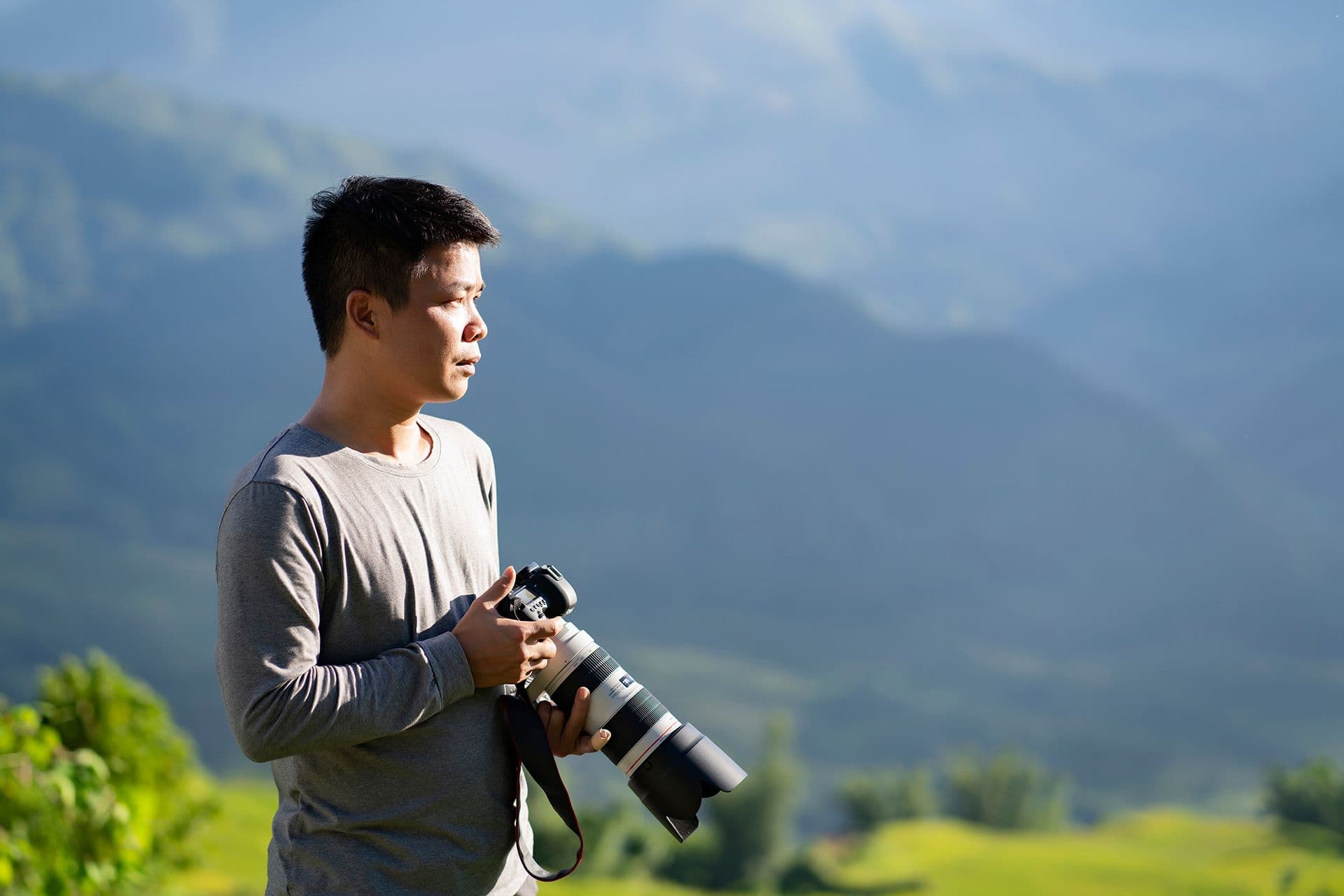
Founder & Photography Guide
Specialties: Culture, landscape, portrait, hiking, active and adventurous tour
Besides my unlimited passion for traveling, a professional tour guide for over a decade, I have been taking photographs since sitting at Hanoi of the University of Culture in the early 2000s. Photography started as a hobby but it was seriously taken due to my work relations and my significant passion for the beauty of our world, especially in Southeast Asian parts such as Vietnam, Laos, Cambodia, and Myanmar.
Within a few years of taking photographs, my works began to be recognized by many reliable international publications such as AFAR Travel, The Times, and The Daily Telegraph newspaper. In addition, I continuously add to my growing profile by winning numerous major awards: 3rd Position of The Independent Photographer 2018, 1st Position of Amateur Photographer of the year 2018, Grand Prize Winner of the AFAR Travel Photography 2019, and a Gold Award of San Francisco Bay International Photography 2020.
I photograph a wide variety of subjects, from travel to landscapes to street scenes. I enjoy documenting the East’s rich cultural heritage and its land soaked in glorious sunrise or sunset light in remote and secluded spots. And, I am very happy to share my knowledge and experience with you. You can visit Luminousvietnamtour to explore tour!