- What Makes a Vietnam Tour Senior-Friendly?
- Why Does Comfortable Travel Pace Matter?
- Why Is Safe and Reliable Transport Important?
- What Hotel Comfort and Accessibility Details Should Seniors Check?
- Why Is Flexible Private Guiding Useful?
- Who Should Choose Senior-Friendly Vietnam Tours?
- Why Are Senior-Friendly Tours Good for First-Time Senior Travelers to Vietnam?
- Why Are Vietnam Tours Suitable for Active Seniors?
- What If Seniors Prefer Relaxed Travel?
- Why Do Multi-Generational Families with Seniors Benefit from Private Tours?
- Best Vietnam Tour Routes for Seniors
- Classic Comfortable Vietnam Route
- Northern Vietnam Gentle Nature Route
- Central Vietnam Heritage and Beach Route
- Southern Vietnam Soft Travel Route
- Suggested Vietnam Itinerary for Seniors
- Day 1: How Should Seniors Arrive in Hanoi and Rest After the Flight?
- Day 2: How Can Seniors Enjoy a Gentle Hanoi Culture and Food Experience?
- Day 3: Why Add Ninh Binh Scenic Boat Ride and Countryside?
- Day 4: How Can Seniors Enjoy Ha Long Bay or Lan Ha Bay Cruise?
- Day 5: How Should Seniors Move from the Cruise to Central Vietnam?
- Day 6: How Can Seniors Explore Hue Imperial Heritage at a Comfortable Pace?
- Day 7: Why Use a Scenic Private Transfer from Hue to Hoi An?
- Day 8: How Can Seniors Enjoy Hoi An Ancient Town and Local Workshops?
- Day 9: Why Add Da Nang Beach and Wellness Day?
- Day 10: How Should Seniors Fly to Ho Chi Minh City?
- Day 11: How Can Seniors Explore Ho Chi Minh City History and Local Life?
- Day 12: Why Add a Mekong Delta River Experience?
- Day 13: How Should Seniors Use a Free Day, Beach Extension, or Relaxed City Time?
- Day 14: How Should Seniors Depart from Vietnam Comfortably?
- Best Senior-Friendly Experiences in Vietnam
- Why Choose Private Cultural Tours?
- Why Add Scenic Boat Rides and Cruises?
- Why Add Cooking Classes and Food Experiences?
- Why Add Gentle Countryside Experiences?
- Why Add Beach, Spa, and Wellness Time?
- Best Vietnam Destinations for Senior Travelers
- Hanoi
- Ninh Binh
- Ha Long Bay or Lan Ha Bay
- Hue
- Hoi An
- Da Nang
- Ho Chi Minh City
- Mekong Delta
- How Can Vietnam Tours Be Customized for Seniors?
- How Can Tours Be Customized by Mobility Level?
- How Can Tours Be Customized by Travel Pace?
- How Can Tours Be Customized by Hotel Comfort?
- How Can Tours Be Customized by Dietary and Health Needs?
- How Can Tours Be Customized by Interest?
- Travel Requirements and Health Preparation for Senior Travelers
- What Passport and Vietnam Visa Details Matter?
- Why Is Travel Insurance Important for Senior Travelers?
- What Medication and Medical Documents Should Seniors Bring?
- What Health and Safety Preparation Should Seniors Consider?
- Cost Factors for Vietnam Senior Tours
- How Do International Flights Affect Cost?
- How Do Hotels and Room Categories Affect Cost?
- How Do Private Transfers and Guides Affect Cost?
- How Do Activities and Experiences Affect Cost?
- Common Mistakes to Avoid When Booking Vietnam Tours for Seniors
- Why Plan Vietnam Tours for Seniors with FtripVietnam?
- FAQs
- Is Vietnam safe for senior travelers?
- What are the best places in Vietnam for seniors?
- How many days should seniors spend in Vietnam?
- Can Vietnam tours be customized for mobility or health needs?
- Conclusion
Vietnam is a rewarding destination for senior travelers who want culture, history, food, scenery, soft adventure, river life, beaches, and meaningful local experiences. A well-planned Vietnam trip can include Hanoi’s heritage streets, Ninh Binh’s scenic boat rides, Ha Long Bay or Lan Ha Bay cruises, Hue’s imperial history, Hoi An’s lantern-lit evenings, Da Nang’s beach comfort, Ho Chi Minh City’s cultural energy, and the Mekong Delta’s gentle river life.
Vietnam tours for seniors should be planned with more care around comfort, safety, accessibility, hotel quality, transport, medical needs, walking distance, and travel pace. Senior travelers may still enjoy rich cultural days, local food, scenic drives, boat rides, cooking classes, and countryside experiences, but the itinerary should avoid unnecessary rushing.
Senior travelers do not need to avoid Vietnam. They simply need a well-designed itinerary that avoids overly packed schedules, physically demanding routes, difficult transfers, poor hotel access, and long travel days without breaks.
Fully customized senior tours can be adjusted for mobility, dietary needs, medical considerations, hotel preferences, room comfort, walking limits, and preferred activity level. This makes Vietnam suitable for active seniors, relaxed travelers, couples, solo seniors, and multi-generational families.
FtripVietnam helps senior travelers design comfortable, safe, and customized Vietnam trips with private support, flexible pacing, suitable hotels, reliable transfers, local guides, special meal planning, and meaningful local experiences.
What Makes a Vietnam Tour Senior-Friendly?
Why Does Comfortable Travel Pace Matter?
Senior-friendly tours should avoid overloaded sightseeing days. The itinerary should include enough rest time between activities and enough flexibility for travelers to slow down when needed.
Long transfers should be planned carefully with breaks. Early morning starts and late-night schedules should be used only when necessary. A slower route helps travelers enjoy Vietnam without feeling tired or rushed.
Comfortable pacing does not mean missing the highlights. It means selecting the right experiences and giving each place enough time. A private cultural tour, scenic boat ride, cooking class, or heritage walk can feel much more enjoyable when it is not squeezed between several tiring transfers.
The best senior-friendly itinerary should feel calm, clear, and manageable.
Why Is Safe and Reliable Transport Important?
Safe and reliable transport is one of the most important parts of senior travel in Vietnam. Private airport pickup reduces arrival stress after a long flight and helps travelers reach the hotel smoothly.
Private vehicles are useful for Hanoi, Ninh Binh, Hue, Hoi An, Da Nang, Ho Chi Minh City, and Mekong Delta routes. They allow door-to-door movement, rest stops, flexible timing, and easier luggage handling.
Domestic flights should be timed with enough buffer. Seniors should avoid overnight buses and overly tiring transport options, especially when comfort and safety are priorities.
Comfortable vehicles, careful drivers, clear pickup times, and door-to-door transfers can improve the whole trip.
What Hotel Comfort and Accessibility Details Should Seniors Check?
Senior travelers should choose hotels with elevators, comfortable rooms, quiet locations, breakfast, reliable service, and easy vehicle access. Hotels with many stairs, difficult walking routes, or poor access should be avoided.
Central hotels can reduce daily transfer time and make evenings easier. Senior travelers may prefer larger rooms, walk-in showers, strong air conditioning, good bedding, and quieter room locations.
Exact hotel name, room type, accessibility details, breakfast, elevator access, and vehicle drop-off points should be checked before booking. Star rating alone is not enough.
Hotel comfort is not a small detail. It affects recovery, energy, sleep, and overall trip satisfaction.
Why Is Flexible Private Guiding Useful?
Private guides can adjust walking speed, rest stops, and sightseeing time. This is very useful for senior travelers who want cultural depth without feeling pressured by a group schedule.
Guides can explain history, food, culture, markets, religion, architecture, and local life in a relaxed way. They can also support communication at restaurants, hotels, attractions, and local markets.
Flexible guiding helps seniors avoid crowded or tiring group-tour schedules. It also allows the itinerary to adjust when weather, traffic, health needs, or energy levels change.
A good private guide can make Vietnam feel easier, safer, and more meaningful.
Who Should Choose Senior-Friendly Vietnam Tours?
Why Are Senior-Friendly Tours Good for First-Time Senior Travelers to Vietnam?
Senior-friendly tours are good for travelers who want local guidance and smoother logistics. Vietnam can be deeply enjoyable for first-time visitors, but managing routes, transfers, hotels, local transport, and sightseeing alone may feel tiring.
Private support helps with arrival, transfers, hotels, sightseeing, meals, and daily timing. Guides can explain Vietnam’s culture, history, food, and daily life in a relaxed way.
A customized tour helps avoid common route-planning mistakes, such as adding too many destinations, booking hotels with poor access, or scheduling full tours immediately after long-haul flights.
Senior travelers can enjoy Vietnam’s highlights without managing every detail alone.
Why Are Vietnam Tours Suitable for Active Seniors?
Vietnam can work well for active seniors who enjoy walking, light cycling, boat rides, markets, countryside views, and cultural exploration. Activities can include Ninh Binh boat rides, Hoi An countryside routes, private food tours, museums, scenic drives, and gentle nature experiences.
The itinerary can include soft adventure without difficult trekking. Activity intensity should match the traveler’s real energy level, not just the destination’s popularity.
Rest time should still be included, even for active travelers. A balanced plan allows seniors to enjoy active experiences without becoming overtired.
What If Seniors Prefer Relaxed Travel?
Senior travelers who prefer relaxed travel can focus on comfort, private transfers, scenic stops, good hotels, shorter activities, and slower days.
Suitable destinations include Hanoi, Ninh Binh, Lan Ha Bay, Hue, Hoi An, Da Nang, Ho Chi Minh City, and the Mekong Delta. These places can offer culture, scenery, food, river life, and relaxation without requiring difficult trekking.
Short cultural activities can replace long full-day tours. Spa time, cafés, river cruises, beach walks, scenic viewpoints, and quiet evenings can make the trip feel comfortable and rewarding.
This style works well for travelers who value comfort over covering many destinations.
Why Do Multi-Generational Families with Seniors Benefit from Private Tours?
Multi-generational families may include parents, grandparents, adult children, and grandchildren. A private senior-friendly tour makes it easier to balance different needs.
Some family members may want active experiences, while others may prefer rest. Private tours allow different people to join or skip activities when needed.
Hotels with accessible rooms, family rooms, or connecting rooms can make the trip smoother. Activities should balance children’s interests with senior comfort.
Private transfers help reduce stress for the whole family, especially during airport arrivals, domestic flights, and long sightseeing days.
Best Vietnam Tour Routes for Seniors
Classic Comfortable Vietnam Route
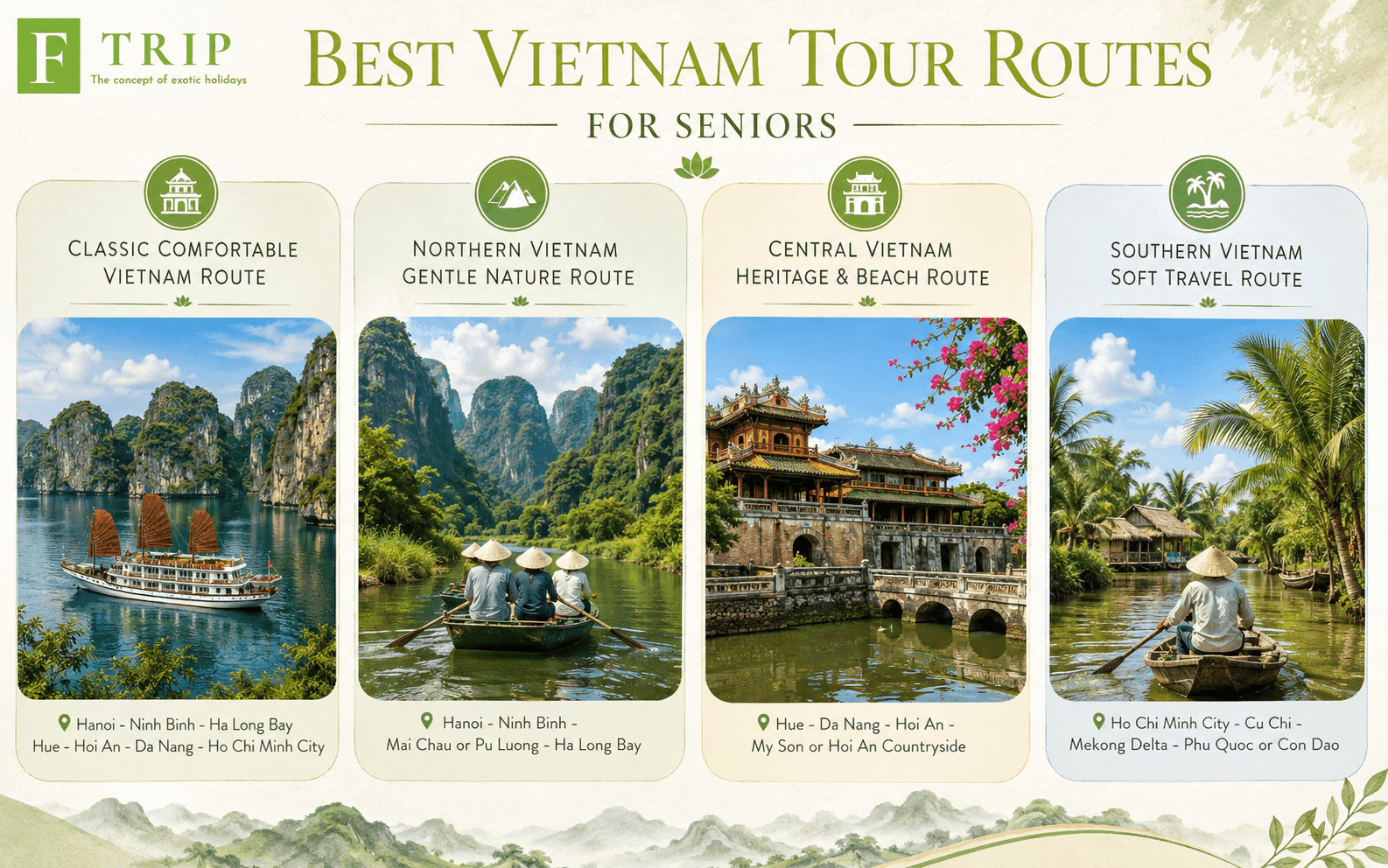
A classic comfortable Vietnam route can include Hanoi, Ninh Binh, Ha Long Bay or Lan Ha Bay, Hue, Hoi An, Da Nang, and Ho Chi Minh City. This is one of the best routes for senior travelers visiting Vietnam for the first time.
The route combines culture, food, scenery, cruising, heritage, beach comfort, and city life. It works well for around 10-14 days when supported by private transfers and carefully timed domestic flights.
The itinerary should avoid too many one-night stays. A slower pace with well-located hotels and private guiding can make this route comfortable and rewarding.
Northern Vietnam Gentle Nature Route
A northern Vietnam gentle nature route can include Hanoi, Ninh Binh, Mai Chau or Pu Luong, and Ha Long Bay or Lan Ha Bay. This route is best for travelers who want countryside, rice fields, limestone scenery, local villages, scenic drives, and soft adventure.
Activities can include boat rides, light walks, local meals, market visits, and photography stops. Difficult trekking and remote mountain roads should be avoided if comfort is the priority.
This route is suitable for active seniors, photography lovers, and travelers who prefer nature without too many domestic flights.
Central Vietnam Heritage and Beach Route
A Central Vietnam route can include Hue, Da Nang, Hoi An, My Son, or Hoi An countryside. This is best for seniors who want culture, history, food, beaches, and easier logistics.
The route can include imperial sites, old towns, craft villages, cooking classes, beach relaxation, spa time, and scenic drives. Da Nang offers modern hotels and easier access to both Hoi An and Hue.
This route is good for travelers who prefer fewer domestic flights and shorter overland transfers.
Southern Vietnam Soft Travel Route
A southern Vietnam route can include Ho Chi Minh City, Cu Chi, the Mekong Delta, Phu Quoc, or Con Dao. This route is best for seniors who prefer warmer weather, river life, city comfort, and beach relaxation.
Private food tours, local markets, boat rides, resort time, and gentle cultural activities can be included. The Mekong Delta should be planned with comfortable transport and suitable boat access.
This route is good for travelers who want a tropical and slower journey.
Suggested Vietnam Itinerary for Seniors
Day 1: How Should Seniors Arrive in Hanoi and Rest After the Flight?
Senior travelers should arrange private airport pickup before arrival. After a long flight, a smooth transfer to a comfortable hotel with elevator access and easy vehicle drop-off can make the first day much easier.
The arrival day should stay light. Travelers can rest, enjoy coffee, take a short walk near the hotel, and have a simple local dinner.
A full sightseeing schedule should be avoided immediately after arrival. The first day should help travelers adjust to the time zone, weather, traffic, and local rhythm.
Day 2: How Can Seniors Enjoy a Gentle Hanoi Culture and Food Experience?
The second day can include Hoan Kiem Lake, the Old Quarter, the Temple of Literature, selected museums, or local neighborhoods. A private guide can keep the pace comfortable and adjust the route based on walking comfort.
Short café stops or rest breaks should be built into the day. Local dishes can be introduced in clean, comfortable restaurants or through a private food tour with careful route selection.
Long walking routes should be avoided in hot or rainy weather. Hanoi is best enjoyed through a calm mix of history, food, and daily life.
Day 3: Why Add Ninh Binh Scenic Boat Ride and Countryside?
Ninh Binh is a strong choice for seniors who want nature without difficult trekking. Travelers can go by private car from Hanoi to Ninh Binh for a smoother journey.
A scenic Trang An or Tam Coc boat ride offers limestone landscapes, river scenery, and peaceful views. Depending on mobility and weather, travelers can add Hoa Lu Ancient Capital, Bich Dong Pagoda, or countryside viewpoints.
Walking distance should stay manageable. Seniors can stay overnight in a comfortable countryside hotel or return to Hanoi depending on pace.
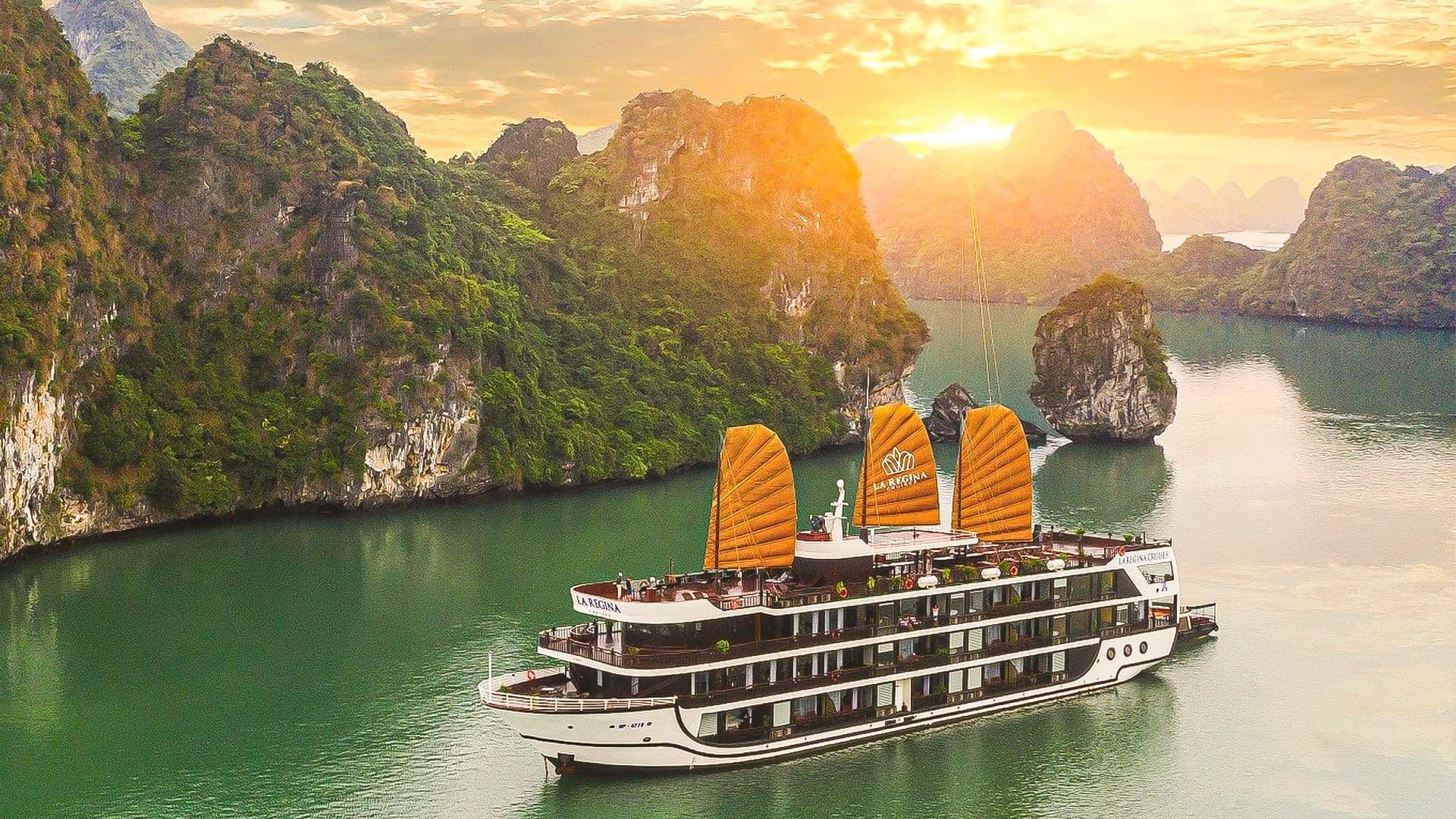
Day 4: How Can Seniors Enjoy Ha Long Bay or Lan Ha Bay Cruise?
A cruise in Ha Long Bay or Lan Ha Bay can be scenic and restful when chosen carefully. Senior travelers should choose a cruise with comfortable cabins, stable service, good meals, safe boarding, and clear transfer arrangements.
Travelers can enjoy bay views, seafood, gentle activities, and relaxing time on board. Kayaking, cave visits, or stairs can be skipped if they feel too demanding.
An overnight cruise can be a memorable experience because it allows travelers to enjoy the bay without rushing.
Day 5: How Should Seniors Move from the Cruise to Central Vietnam?
After a slow morning on the bay, travelers can return to the harbor and transfer to the airport for a flight to Da Nang. From there, they can continue to Hue, Hoi An, or Da Nang depending on the route.
The evening should stay relaxed after the cruise transfer and domestic flight. A light dinner or hotel rest is better than another major tour.
This is a travel transition day, so comfort and timing matter.
Day 6: How Can Seniors Explore Hue Imperial Heritage at a Comfortable Pace?
Hue is a strong cultural destination for senior travelers. It offers imperial history, royal tombs, pagodas, garden houses, regional cuisine, and a slower atmosphere.
A private guide can explain the city’s history and adjust the pace. Travelers should choose fewer sites rather than trying to cover everything.
Hue local cuisine can be enjoyed in a comfortable setting. An incense village or garden-house visit can be added if mobility allows.
This day should feel cultural and thoughtful, not rushed.
Day 7: Why Use a Scenic Private Transfer from Hue to Hoi An?
A private car from Hue to Hoi An makes the transfer more comfortable. Travelers can stop at Hai Van Pass, Lang Co, Lap An Lagoon, Marble Mountains, or other scenic points if suitable.
Rest stops should be included, and the route should remain flexible. After arriving in Hoi An, travelers can check in at a comfortable hotel and enjoy a gentle evening walk or riverside dinner.
This transfer can become part of the experience rather than only a travel day.
Day 8: How Can Seniors Enjoy Hoi An Ancient Town and Local Workshops?
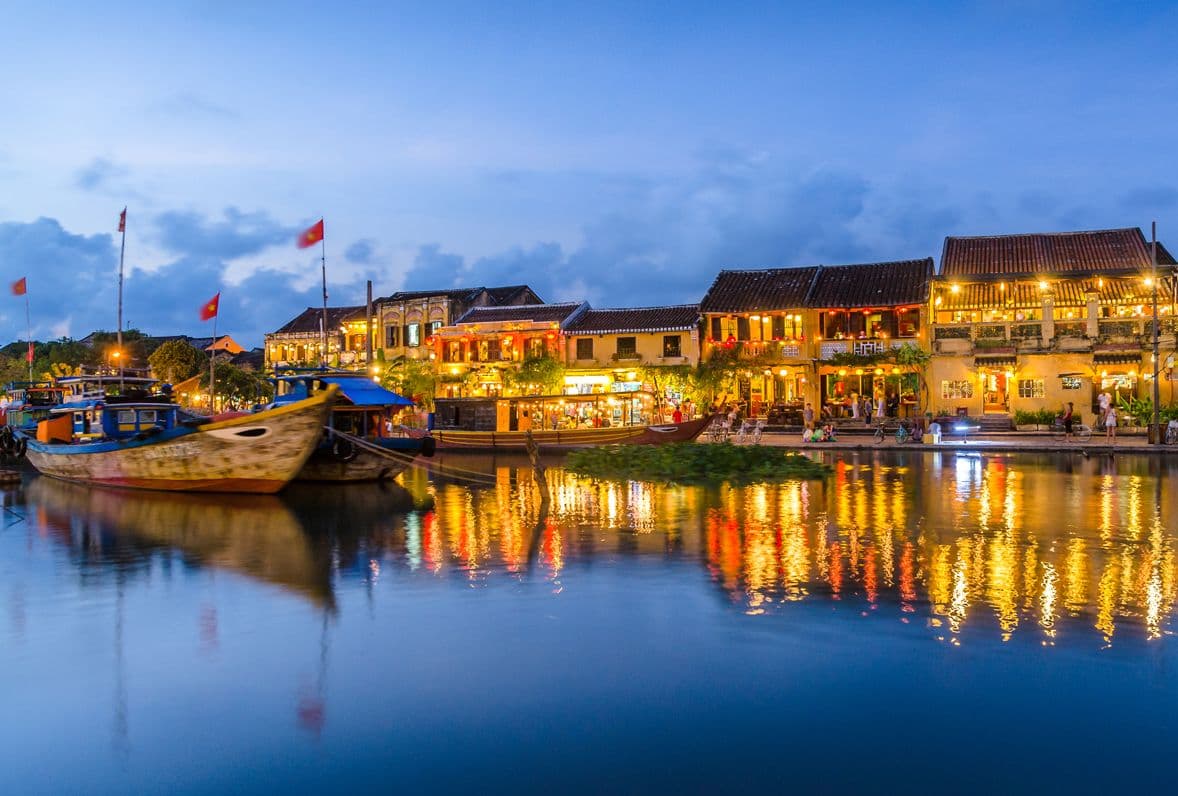
Hoi An is one of Vietnam’s most comfortable destinations for slower travel. Seniors can explore the ancient town, old houses, assembly halls, riverside streets, and local shops at a gentle pace.
A short lantern workshop, cooking class, market visit, or craft experience can be added. These activities should be kept manageable and enjoyable.
The afternoon can be reserved for rest or hotel facilities. The evening lantern atmosphere can be enjoyed without rushing.
Day 9: Why Add Da Nang Beach and Wellness Day?
A beach and wellness day helps prevent travel fatigue. Seniors can relax in Da Nang or near Hoi An beach with hotel pool time, spa treatments, beach walks, cafés, or seafood.
Marble Mountains or Son Tra Peninsula can be added only if travelers want light sightseeing. Otherwise, the day should remain restorative.
This slower day helps balance cultural sightseeing with comfort.
Day 10: How Should Seniors Fly to Ho Chi Minh City?
Travelers can fly from Da Nang to Ho Chi Minh City and check in at a central hotel with easy access. Because traffic can feel busy, reliable transport is important.
The first southern day should include only a gentle city introduction, such as cafés, selected markets, or a short historic stop. The evening should stay flexible.
A comfortable hotel location can reduce transfer time and make the city easier to enjoy.
Day 11: How Can Seniors Explore Ho Chi Minh City History and Local Life?
Senior travelers can visit selected sites such as the War Remnants Museum, Reunification Palace, the Notre-Dame Cathedral area, or local markets. A private guide and vehicle can reduce walking stress and make the day more comfortable.
A food experience or café stop can be included. However, travelers should avoid trying to cover too many places in one day.
The day should leave time for rest before the next stage.
Day 12: Why Add a Mekong Delta River Experience?
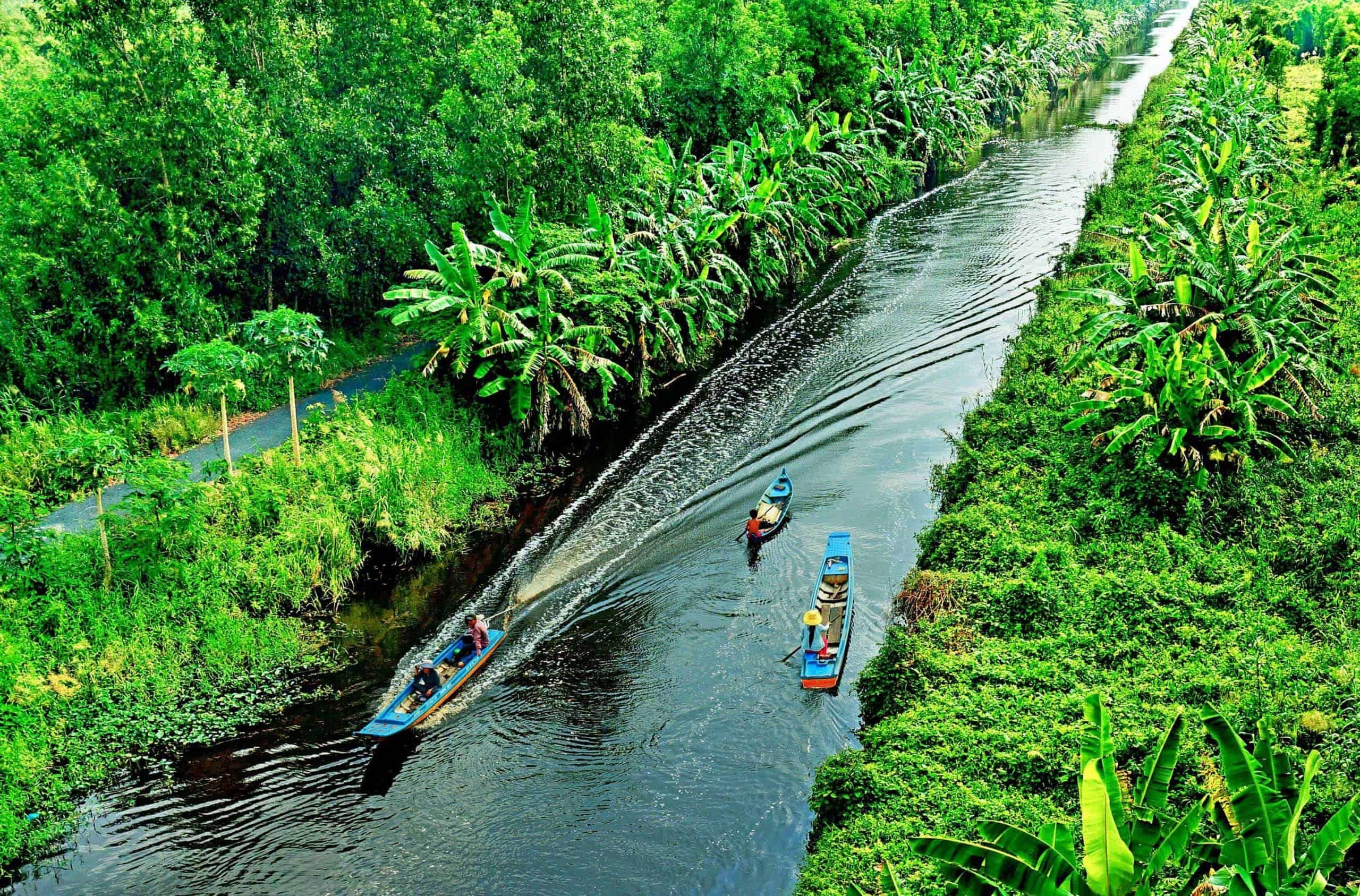
The Mekong Delta offers canals, fruit gardens, local workshops, riverside communities, and home-style meals. A private day trip or overnight stay can work depending on pace.
Senior travelers should choose a calmer route with comfortable boat access. Overly long or crowded routes should be avoided.
A home-style meal in a comfortable setting can make the experience more meaningful. Travelers can return to Ho Chi Minh City or stay overnight in a suitable lodge.
Day 13: How Should Seniors Use a Free Day, Beach Extension, or Relaxed City Time?
A free day can act as a buffer for rest, shopping, spa, light sightseeing, or personal needs. Seniors can visit cafés, markets, museums, or local neighborhoods at a comfortable pace.
Phu Quoc or Con Dao can be added only if the trip is longer and travelers want a beach extension. Otherwise, this day can help the main itinerary feel smoother.
Flight details and airport transfer should be reconfirmed before the final day.
Day 14: How Should Seniors Depart from Vietnam Comfortably?
The final day should include a slow breakfast and careful packing. Passport, visa, insurance, medication, and travel essentials should be checked before leaving the hotel.
A private airport transfer should be arranged in advance. Travelers should avoid a rushed final tour before an international flight.
Ending the trip calmly helps preserve the comfort of the whole journey.

Best Senior-Friendly Experiences in Vietnam
Why Choose Private Cultural Tours?
Private cultural tours allow seniors to explore Hanoi, Hue, Hoi An, and Ho Chi Minh City with flexible pacing. Travelers can choose fewer sites and enjoy deeper explanations.
Rest stops, café breaks, and adjusted walking speed can be included. Private guiding is especially useful for history, architecture, religion, food, and local-life learning.
These tours make the experience easier and more meaningful.
Why Add Scenic Boat Rides and Cruises?
Ninh Binh boat rides offer limestone scenery with gentle pacing. Ha Long Bay or Lan Ha Bay cruises provide scenic relaxation, bay views, seafood, and soft activities. Mekong Delta boat rides show river life and local communities.
Boats should be chosen carefully based on safety and ease of boarding. Physically demanding activities can be skipped if needed.
Well-planned boat experiences can be scenic without being tiring.
Why Add Cooking Classes and Food Experiences?
Cooking classes, market visits, and private food tours allow seniors to enjoy Vietnamese cuisine in a comfortable way. Settings should be clean, manageable, and not too physically demanding.
Meals can be adjusted for low spice, allergies, vegetarian needs, Muslim needs, Judaism travel support, or medical diets. Hoi An, Hanoi, Hue, and Ho Chi Minh City are strong options for food experiences.
Food can be cultural without requiring strenuous activity.
Why Add Gentle Countryside Experiences?
Gentle countryside experiences can include Ninh Binh, Hoi An countryside, Mai Chau, Pu Luong, or the Mekong Delta. Travelers can enjoy light walking, scenic drives, local meals, village visits, and photography stops.
Difficult trekking should be avoided unless travelers are active and prepared. Countryside routes should be selected based on road comfort, hotel quality, and activity intensity.
These experiences add calm and variety to the trip.
Why Add Beach, Spa, and Wellness Time?
Da Nang, Hoi An beaches, Phu Quoc, Nha Trang, and Con Dao can work well for relaxation. Seniors should choose resorts with easy beach access, pools, elevators, good dining, and reliable service.
Spa treatments, massage, wellness activities, or slow beach days can help travelers recover after cultural sightseeing.
Weather and travel logistics should guide beach selection.
Best Vietnam Destinations for Senior Travelers
Hanoi
Hanoi is good for culture, food, history, lakes, cafés, and museums. It works well as the first stop after arrival from the USA.
A private guide and comfortable hotel location can make the city easier to enjoy. Walking routes should be planned carefully, especially in hot, rainy, or crowded conditions.
Hanoi connects well with Ninh Binh and Ha Long Bay or Lan Ha Bay.
Ninh Binh
Ninh Binh is good for scenic boat rides, limestone landscapes, temples, and countryside views. It is suitable for seniors who want nature without difficult trekking.
A private transfer from Hanoi makes the trip easier. Overnight stays can create a calmer experience.
Activities should be chosen based on mobility and weather.
Ha Long Bay or Lan Ha Bay
Ha Long Bay and Lan Ha Bay are good for scenic cruises, seafood, relaxing views, and soft activities. Cruise quality matters for senior comfort.
Travelers should choose cabins and boats with easier access. Lan Ha Bay can feel softer depending on cruise route and boat selection.
Overly active cruise programs should be avoided if comfort is the priority.
Hue
Hue is good for imperial history, pagodas, royal tombs, garden houses, and regional cuisine. Private guides are helpful because the city’s history is rich in detail.
Travelers should choose fewer sites to avoid fatigue. Some attractions may involve walking or stairs, so planning matters.
Hue is especially good for culture-focused senior travelers.
Hoi An
Hoi An is good for the ancient town atmosphere, lantern streets, cooking classes, cafés, riverside walks, and boutique hotels. It is one of Vietnam’s most comfortable destinations for slower travel.
Short workshops or countryside visits can be added. Travelers can stay centrally or near the beach depending on preference.
Hoi An works well for couples, seniors, and multi-generational families.
Da Nang
Da Nang is good for modern hotels, beachfront resorts, seafood, spa, and easy logistics. It is suitable for seniors who want comfort and relaxation.
The city works well as a base for Hoi An and Hue. Beachfront hotels can reduce daily movement and create a restful stage during the trip.
Da Nang is useful when travelers need a comfortable break.
Ho Chi Minh City
Ho Chi Minh City is good for history, markets, cafés, food, and modern city life. Traffic can feel intense, so private vehicles are useful.
A guide and vehicle can reduce walking and navigation stress. Staying centrally improves access to restaurants, cafés, markets, and evening options.
Ho Chi Minh City works well as a final departure city.
Mekong Delta
The Mekong Delta is good for canals, local homes, fruit gardens, boat rides, and river life. Senior-friendly routes should include comfortable vehicles and boats.
Overly long day trips should be avoided if travelers tire easily. Overnight lodge stays can work if comfort is suitable.
This region is best with private planning.
How Can Vietnam Tours Be Customized for Seniors?
How Can Tours Be Customized by Mobility Level?
Senior tours can be adjusted for light walking only, moderate walking with rest breaks, wheelchair or limited-stair planning where possible, and private vehicle access close to attractions.
Hotel selection can also be based on elevators, room access, bathrooms, and vehicle drop-off points. Activities should match comfort and energy level.
Mobility planning should happen before booking, not after arrival.
How Can Tours Be Customized by Travel Pace?
Travel pace can be slow, balanced, scenic, wellness-focused, or flexible. A slow-paced cultural itinerary may include fewer sites and more rest. A balanced schedule can mix sightseeing with downtime.
A scenic route with fewer hotel changes can reduce fatigue. Beach and wellness extensions can help travelers recover between cultural stages.
Private tours can include flexible start times and free days for recovery or personal time.
How Can Tours Be Customized by Hotel Comfort?
Hotels can be selected from boutique city hotels, 4-star comfort hotels, 5-star hotels, beach resorts, countryside lodges, and cruise cabins with easier access.
Quiet rooms, elevators, breakfast, reliable service, and vehicle access are important. Senior travelers should check exact room type and hotel layout before booking.
Hotel comfort is one of the strongest ways to improve the trip.
How Can Tours Be Customized by Dietary and Health Needs?
Tours can be adjusted for low-spice meals, vegetarian or vegan meals, Muslim-friendly meals, Judaism travel support, allergy-aware planning, soft food, or medical diet requests where possible.
Restaurant selection should consider cleanliness, comfort, seating, walking distance, and menu flexibility. Guides can help communicate dietary needs.
Health-related requests should be shared early so the route and meals can be planned properly.
How Can Tours Be Customized by Interest?
Senior travelers can customize by history and heritage, food and cooking, photography, countryside and nature, beach and wellness, family heritage travel, local workshops, markets, daily life, river cruises, and scenic drives.
The itinerary should focus on what travelers truly enjoy. A senior-friendly tour does not have to be slow in content; it should simply be comfortable in execution.
Travel Requirements and Health Preparation for Senior Travelers
What Passport and Vietnam Visa Details Matter?
Travelers need a valid passport and Vietnam visa or e-visa. The U.S. Department of State lists Vietnam’s passport requirement as six months’ validity beyond arrival and one blank page per stamp, and states that a visa is required for US travelers.
Visa details should match passport information exactly. Multiple-entry visa may be needed if leaving and re-entering Vietnam during a regional trip. Vietnam’s official e-visa system lists the fee as US$25 for single entry and US$50 for multiple entry.
Printed and digital copies should be prepared before departure.
Why Is Travel Insurance Important for Senior Travelers?
Travel insurance is strongly recommended for senior travelers. Coverage should include medical care, cancellation, delays, lost luggage, and emergency support.
Travelers with existing medical conditions should review policy terms carefully. Cruise, island, or remote countryside activities should also be covered if included in the itinerary.
Insurance contact details should be saved offline and online.
What Medication and Medical Documents Should Seniors Bring?
Senior travelers should bring prescription medication in original packaging and pack medicine in carry-on luggage. A medication list and medical summary can be useful if travelers have ongoing health conditions.
Doctor notes may be needed for important prescriptions. Basic medicine for digestion, pain, allergies, motion sickness, and minor illness can also be helpful.
Emergency contacts should be easy to access throughout the trip.
What Health and Safety Preparation Should Seniors Consider?
CDC recommends that travelers to Vietnam be up to date on routine vaccines, and its Vietnam traveler guidance recommends hepatitis A for unvaccinated travelers going to Vietnam. (CDC) CDC’s Yellow Book also recommends typhoid and hepatitis A vaccination for travelers to Vietnam, while hepatitis B vaccination is advised especially for long-term travelers and expatriates. (CDC)
Seniors should consult a doctor or travel clinic before departure, especially if they have existing health conditions or plan to visit rural areas, cruises, islands, or remote destinations.
Travelers should use reliable transport, avoid difficult road routes when possible, plan around heat, rain, and humidity, stay hydrated, take breaks during sightseeing, wear comfortable shoes, use sun protection, and avoid overloading the schedule.
Cost Factors for Vietnam Senior Tours
How Do International Flights Affect Cost?
Flights from the USA can be one of the largest costs. Seniors may prefer shorter layovers, smoother routing, and better arrival timing.
Premium economy or business class can improve long-haul comfort. Open-jaw flights can reduce backtracking, such as arriving in Hanoi and departing from Ho Chi Minh City.
Arrival timing should support rest rather than immediate sightseeing.
How Do Hotels and Room Categories Affect Cost?
Comfortable hotels may cost more but can improve safety, rest, and travel quality. Elevators, room access, breakfast, quiet rooms, bathroom layout, and location matter.
Beach resorts and luxury hotels increase the total budget. Exact room type should be checked before booking.
For senior travelers, hotel comfort is often worth prioritizing.
How Do Private Transfers and Guides Affect Cost?
Private vehicles cost more than shared transport, but they reduce fatigue and improve comfort. Private guides improve safety, communication, and cultural understanding.
Flexible timing helps senior travelers rest when needed. Private support is especially helpful for medical, dietary, or mobility needs.
This is often one of the most valuable parts of a senior-friendly Vietnam tour.
How Do Activities and Experiences Affect Cost?
Cruises, cooking classes, food tours, workshops, countryside stays, and private cultural visits can affect the total cost. Senior-friendly versions may require private arrangements.
Travelers should choose experiences based on comfort and interest. Activities that are too physically demanding should be skipped or adjusted.
A customized trip helps balance cost and comfort.
Common Mistakes to Avoid When Booking Vietnam Tours for Seniors
Senior travelers should avoid planning too many destinations in too few days. Too many one-night stays can make the trip tiring, even if each destination is attractive.
Other common mistakes include ignoring walking distances and stairs, choosing hotels without elevators or easy access, scheduling full tours immediately after long-haul flights, booking domestic flights too tightly, choosing the cheapest cruise without checking cabin access and service quality, and not considering heat, rain, or humidity.
Travelers should also avoid forgetting travel insurance, not preparing medication and medical documents, and not mentioning dietary needs, mobility limits, or health concerns early.
Tours should not be compared only by price. Comfort, safety, hotel quality, guide quality, transport standards, and support matter strongly for senior travelers.
Why Plan Vietnam Tours for Seniors with FtripVietnam?
FtripVietnam helps senior travelers design comfortable, safe, and fully customized Vietnam tours based on travel dates, hotel style, mobility level, health needs, dietary requests, travel pace, and personal interests.
The team is 100% local, with 7+ years of experience creating Vietnam trips for international travelers. This local knowledge helps senior travelers choose realistic routes, accessible hotels, reliable transfers, suitable activities, and comfortable pacing.
FtripVietnam can customize senior-friendly tours for couples, solo seniors, family groups, multi-generational travelers, active seniors, and travelers who prefer a slower pace.
The team has experience serving niche markets, including Muslim and Judaism travelers, making it easier to arrange suitable meals, cultural sensitivity, private support, and smoother logistics.
Travelers can request experiences that are difficult to find in standard packages, such as private food tours, cooking classes, photography routes, local workshops, countryside stays, scenic cruises, wellness days, and daily cultural activities.
Many tourists praise FtripVietnam for enthusiastic, knowledgeable, and friendly support. This is especially valuable for senior travelers planning Vietnam from far away.
With FtripVietnam, senior travelers can enjoy Vietnam in a way that feels safe, comfortable, flexible, and personal.
FAQs
Is Vietnam safe for senior travelers?
Vietnam can be safe and enjoyable for senior travelers when the trip is planned with comfort, reliable transport, good hotels, travel insurance, and realistic pacing. Senior travelers should avoid overloaded itineraries, difficult trekking, unsafe transport, and rushed transfers. Private tours can make the trip easier and more flexible. Health preparation and travel insurance are strongly recommended.
What are the best places in Vietnam for seniors?
Good destinations include Hanoi, Ninh Binh, Ha Long Bay or Lan Ha Bay, Hue, Hoi An, Da Nang, Ho Chi Minh City, and the Mekong Delta. Hoi An and Da Nang are especially comfortable for slower travel. Ninh Binh and Lan Ha Bay offer scenic experiences without intense activity. Hue is good for history and culture when planned at a comfortable pace.
How many days should seniors spend in Vietnam?
Around 7-9 days work for one or two regions. Around 10-12 days works well for a balanced first Vietnam trip. Around 14 days allows a slower route with more rest and fewer rushed transfers. Senior travelers should prioritize comfort and pacing over covering too many places.
Can Vietnam tours be customized for mobility or health needs?
Yes, Vietnam tours can be customized for walking limits, slower pacing, private transfers, dietary needs, hotel accessibility, medication schedules, and preferred activity levels. The route, hotels, guides, vehicles, meals, and daily schedule can all be adjusted. With FtripVietnam, senior travelers can design a Vietnam trip that feels comfortable, safe, flexible, and personal.
Conclusion
Vietnam tours for seniors can be comfortable, safe, and deeply rewarding when the itinerary is planned around pace, mobility, hotel comfort, transport quality, and health preparation. Senior travelers can enjoy culture, food, history, river life, scenic boat rides, heritage towns, beaches, and local experiences without following a rushed or physically demanding route.
Strong senior-friendly routes can include Hanoi, Ninh Binh, Ha Long Bay or Lan Ha Bay, Hue, Hoi An, Da Nang, Ho Chi Minh City, and the Mekong Delta. The best itinerary should prioritize private transfers, accessible hotels, reliable guides, travel insurance, medication planning, rest time, and realistic daily schedules.
Gentle experiences such as cultural tours, scenic boat rides, cooking classes, food tours, countryside visits, cruises, beach breaks, and wellness days can make the journey meaningful without feeling tiring.
FtripVietnam can help senior travelers design a customized Vietnam tour with transparent planning, suitable hotels, private transfers, local guides, special meals, safety support, and comfortable local experiences.
Senior travelers can request a tailored Vietnam itinerary that feels safe, personal, comfortable, and easy to enjoy.


Founder & Photography Guide
Specialties: Culture, landscape, portrait, hiking, active and adventurous tour
Besides my unlimited passion for traveling, a professional tour guide for over a decade, I have been taking photographs since sitting at Hanoi of the University of Culture in the early 2000s. Photography started as a hobby but it was seriously taken due to my work relations and my significant passion for the beauty of our world, especially in Southeast Asian parts such as Vietnam, Laos, Cambodia, and Myanmar.
Within a few years of taking photographs, my works began to be recognized by many reliable international publications such as AFAR Travel, The Times, and The Daily Telegraph newspaper. In addition, I continuously add to my growing profile by winning numerous major awards: 3rd Position of The Independent Photographer 2018, 1st Position of Amateur Photographer of the year 2018, Grand Prize Winner of the AFAR Travel Photography 2019, and a Gold Award of San Francisco Bay International Photography 2020.
I photograph a wide variety of subjects, from travel to landscapes to street scenes. I enjoy documenting the East’s rich cultural heritage and its land soaked in glorious sunrise or sunset light in remote and secluded spots. And, I am very happy to share my knowledge and experience with you. You can visit Luminousvietnamtour to explore tour!