- Quick Overview of Vietnam eVisa for Americans
- What Is a Vietnam eVisa?
- How Long Is the Vietnam eVisa Valid?
- How Much Does a Vietnam eVisa Cost for Americans?
- How Long Does Vietnam eVisa Processing Take?
- Who Should Apply for a Vietnam eVisa?
- Should American Tourists Use the Vietnam eVisa?
- Is the Vietnam eVisa Suitable for Stays Up to 90 Days?
- Should Travelers Choose Single Entry or Multiple Entry?
- Vietnam eVisa Requirements for Americans
- What Passport Requirements Should Americans Know?
- What Documents and Information Are Needed Before Applying?
- What Photo and Passport Scan Requirements Matter?
- Step-by-Step Vietnam eVisa Application Process for Americans
- Step 1: How Do You Find the Official Vietnam eVisa Website?
- Step 2: How Should You Fill Out Personal Information?
- Step 3: How Should You Upload the Passport Page and Portrait Photo?
- Step 4: How Should You Choose Visa Type and Entry Details?
- Step 5: What Should You Review Before Payment?
- Step 6: How Do You Pay the eVisa Fee?
- Step 7: Why Should You Save the Registration Code?
- Step 8: How Do You Track the eVisa Application Status?
- Step 9: How Do You Download and Print the Approved eVisa?
- Step 10: What Should You Check on the Approved eVisa Before Departure?
- Single Entry vs Multiple Entry: Which Vietnam eVisa Should Americans Choose?
- When Should You Choose Single Entry?
- When Should You Choose Multiple Entry?
- What Are Common Entry-Type Mistakes?
- Common Vietnam eVisa Mistakes Americans Should Avoid
- What Should You Do If Your Vietnam eVisa Has a Mistake?
- Why Should You Review the Error Immediately?
- When May You Need to Re-Apply?
- How Can You Reduce the Risk of Rejection or Delay?
- What Should Americans Prepare After eVisa Approval?
- What Documents Should You Bring to the Airport?
- How Should You Prepare for Arrival in Vietnam?
- What Should You Do During Your Stay in Vietnam?
- Vietnam eVisa Tips for Different American Travelers
- What Should First-Time Visitors Know?
- What Should Families Know?
- What Should Multi-Country Travelers Know?
- What Should Senior Travelers Know?
- What Should Muslim and Judaism Travelers Know?
- Why Plan Your Vietnam Trip with FtripVietnam After eVisa Approval?
- FAQs
- Can Americans apply for a Vietnam eVisa online?
- How much does a Vietnam eVisa cost for Americans?
- How long does Vietnam eVisa processing take?
- What should I do after my Vietnam eVisa is approved?
- Conclusion
Most American tourists need a valid visa, eVisa, or approved entry document before entering Vietnam. For many US citizens planning a Vietnam vacation, the Vietnam eVisa is one of the most convenient options because the application can be completed online before departure.
The process is usually simple, but small mistakes can create travel problems. An incorrect passport number, wrong name order, unclear photo, mismatched entry dates, or wrong visa type may cause issues at airline check-in or immigration. This is why American travelers should understand the eVisa process before submitting the application.
This guide walks American travelers through the full Vietnam eVisa process, from preparing documents and completing the online form to paying the fee, tracking the result, downloading the approved eVisa, and checking every detail before departure.
Visa rules, fees, and processing times can change, so travelers should always verify official information close to the travel date. Vietnam’s official eVisa system currently lists the eVisa fee as US$25 for single entry and US$50 for multiple entry, while the U.S. Embassy in Vietnam notes that eVisas are issued with validity up to 90 days.
After the eVisa is approved, FtripVietnam can help American travelers plan a smoother Vietnam trip with airport transfers, suitable hotels, local routes, special meals, private experiences, and flexible travel support.
Quick Overview of Vietnam eVisa for Americans
What Is a Vietnam eVisa?
A Vietnam eVisa is an electronic visa issued through Vietnam’s official online system. It allows eligible foreign travelers, including Americans, to enter Vietnam for tourism or other permitted purposes within the approved visa validity period.
Because the eVisa is issued online, travelers usually do not need to visit an embassy for a standard tourism application. The official Vietnam eVisa system explains the process as completing the application form, paying the fee, and receiving the eVisa result online.
Once approved, the eVisa should be downloaded, printed, and saved digitally before travel. Travelers may need to show it at airline check-in and at immigration when arriving in Vietnam.
How Long Is the Vietnam eVisa Valid?
Vietnam eVisas can be valid for a maximum of 90 days. Travelers can choose single-entry or multiple-entry options depending on the trip plan. The U.S. Embassy in Vietnam states that eVisas are issued with validity up to 90 days, with one-entry or multiple-entry options.
The stay must follow the approved validity dates shown on the eVisa. A 90-day eVisa does not mean travelers can stay beyond the printed expiry date. Arrival and departure plans should fit clearly within the visa validity window.
Travelers should check the approved eVisa immediately after receiving it and make sure the dates match the real itinerary.
How Much Does a Vietnam eVisa Cost for Americans?
The official Vietnam eVisa fee is US$25 for a single-entry eVisa and US$50 for a multiple-entry eVisa. These fees are paid online during the application process through the official system.
The fee is generally non-refundable, so travelers should check all details carefully before submitting the form. Third-party websites may charge additional service fees, so Americans should use official sources when possible.
The most common avoidable cost comes from mistakes. If a traveler enters the wrong passport number, wrong name, wrong date of birth, or wrong entry type, they may need to apply again and pay another fee.
How Long Does Vietnam eVisa Processing Take?
Vietnam’s official eVisa process is commonly listed as taking 3 working days. The U.S. Department of State notes that Vietnam eVisa applications are usually processed within 3 to 5 working days after the completed application and payment are received by Vietnam’s Immigration Department.
Processing may take longer during weekends, Vietnamese public holidays, peak travel periods, payment issues, or application errors. American travelers should apply early instead of waiting until the last few days before departure.
It is safer to leave enough time for corrections or re-application if needed.
Who Should Apply for a Vietnam eVisa?
Should American Tourists Use the Vietnam eVisa?
US citizens traveling to Vietnam for tourism can usually use the eVisa option. It is suitable for classic travel routes through Hanoi, Ho Chi Minh City, Da Nang, Hoi An, Ha Long Bay, Ninh Binh, Hue, Phu Quoc, and the Mekong Delta.
The eVisa works well for first-time travelers who want a clear online application process. It also works for travelers who want to avoid embassy visits for a standard tourism trip.
American tourists should still check official requirements before applying because entry rules, eligible entry points, fees, and procedures can change.
Is the Vietnam eVisa Suitable for Stays Up to 90 Days?
Yes, the Vietnam eVisa can support short vacations and longer stays up to the approved visa validity. It works for travelers planning around one week, two weeks, one month, or longer stays within the approved period.
Travelers should remember that the trip dates must fit within the visa validity window. The approved eVisa will show the validity dates, and travelers must leave Vietnam before the visa expires.
If travel plans change after approval, travelers should check whether the existing eVisa still covers the new dates.
Should Travelers Choose Single Entry or Multiple Entry?
Travelers should choose a single entry if Vietnam is the only country in the trip and they will enter Vietnam once. This is usually enough for travelers who arrive in Vietnam, travel within the country, and leave Vietnam once at the end of the trip.
Travelers should choose multiple entries if they plan to leave Vietnam and return later. This is useful for Americans combining Vietnam with Cambodia, Laos, Thailand, Singapore, or other Southeast Asia destinations.
Choosing the wrong entry type is one of the most common and costly mistakes. A single-entry eVisa generally cannot be reused after leaving Vietnam.
Vietnam eVisa Requirements for Americans
What Passport Requirements Should Americans Know?
A US passport should have at least six months’ validity remaining for Vietnam travel. The U.S. Department of State lists Vietnam’s passport validity requirement as six months and states that travelers should have one blank page available per stamp.
The passport used in the eVisa application must be the same passport used for travel. Travelers who recently renewed their passport should apply with the new passport details, not the old passport number.
Children also need valid passports and correct visa documents. Families should check children’s passports early because child passports expire sooner than adult passports.
What Documents and Information Are Needed Before Applying?
Before starting the application, travelers should prepare their passport, photos, travel dates, entry details, and payment method. Having everything ready reduces the risk of mistakes during the online form.
Common items needed include a valid US passport, a clear image of the passport data page, a recent portrait photo, email address, travel dates, entry and exit points, accommodation or first hotel information if requested, payment card, and the planned single-entry or multiple-entry selection.
Travelers should avoid starting the application without knowing the basic route. Entry date, exit date, and entry type should match the real travel plan.
What Photo and Passport Scan Requirements Matter?
The passport data page image should be clear and readable. Travelers should avoid glare, shadows, cropped corners, or blurry uploads.
The portrait photo should be recent, clear, and front-facing. If the application system requires no glasses or specific photo formatting, travelers should follow those instructions carefully.
Poor image quality can delay processing or affect approval. Before submitting, travelers should review uploaded images and replace anything that looks dark, blurry, cropped, or unclear.
Step-by-Step Vietnam eVisa Application Process for Americans
Step 1: How Do You Find the Official Vietnam eVisa Website?
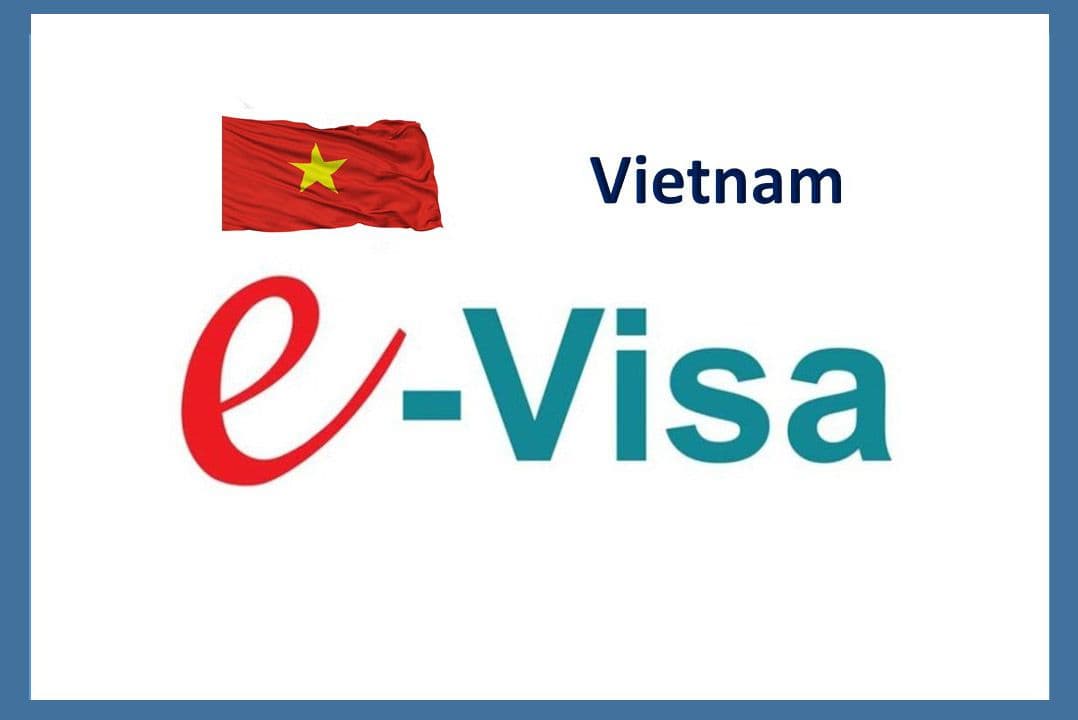
Travelers should start from Vietnam’s official eVisa system and avoid lookalike websites that charge unnecessary extra fees. The official site is operated by Vietnam’s immigration authority and explains the process of completing the application, paying online, and receiving the eVisa result online.
Before entering passport details, travelers should check that they are using an official government portal. This is important because unofficial websites may charge higher fees or provide confusing information.
Travelers should prepare all documents before beginning the application to avoid rushing through the form.
Step 2: How Should You Fill Out Personal Information?
Personal information should be entered exactly as shown in the passport. This includes full name, date of birth, gender, nationality, passport number, passport issue date, and passport expiry date.
Travelers should not guess name order. They should follow the passport format carefully and avoid missing middle names or changing spelling.
This step is one of the most important parts of the application. Name and passport mistakes can cause problems at airline check-in or immigration.
Step 3: How Should You Upload the Passport Page and Portrait Photo?
Travelers should upload a clear passport data page image and a clear portrait photo that meets the system requirements. The passport image should show readable text and full document details.
Before moving forward, travelers should review the uploaded images. Any image that looks blurry, dark, cropped, or unclear should be replaced.
The same passport used for the application must be used for travel. If a traveler renews their passport after applying, the approved eVisa may no longer match the travel document.
Step 4: How Should You Choose Visa Type and Entry Details?
Travelers should choose single-entry or multiple-entry based on the real travel plan. If the trip includes leaving Vietnam and re-entering later, multiple entry should be selected.
The planned entry date and exit date should fit within the desired visa validity. Travelers should also choose the correct arrival airport, land border, or seaport if required by the system.
Entry details should match the actual route. If the travel plan changes after the eVisa is approved, travelers should check whether the existing eVisa still works.
Step 5: What Should You Review Before Payment?
Before payment, travelers should review every important detail. This step helps prevent avoidable mistakes and re-application costs.
Important details to check include:
• Full name. • Passport number. • Date of birth. • Nationality. • Visa validity dates. • Entry type. • Entry and exit points. • Uploaded photo and passport page.
Travelers should not submit payment until all details are correct. The eVisa fee is generally non-refundable, so careful checking matters.
Step 6: How Do You Pay the eVisa Fee?
Travelers pay the official eVisa fee online during the application process. Vietnam’s official eVisa system currently lists the fee as US$25 for single entry and US$50 for multiple entry. (eVisa)
A valid payment card is usually needed. After payment, travelers should save the payment confirmation if available.
Travelers should avoid submitting multiple applications unless necessary. Duplicate applications can create confusion and extra cost.
Step 7: Why Should You Save the Registration Code?
After submitting the application, travelers should save the registration code or application reference. This code may be needed to check the application status.
It is smart to take a screenshot of the confirmation page and save any email confirmation received. Losing the code can make tracking the application harder.
Travelers should store the code in more than one place, such as phone notes, email, and cloud storage.
Step 8: How Do You Track the eVisa Application Status?
Travelers can check the application status through the official eVisa system using the registration code, email, and date of birth if required.
They should not assume approval until the eVisa result is issued. Around weekends, public holidays, or peak travel periods, travelers should check more carefully and allow more time.
If the result is delayed, travelers should review official instructions before taking further action. They should avoid relying on same-day approval close to departure.
Step 9: How Do You Download and Print the Approved eVisa?
Once the eVisa is approved, travelers should download it immediately. They should print at least one copy for travel and save a digital copy on their phone and cloud storage.
A backup copy with a travel companion is also useful. The printed eVisa should be carried during airline check-in and arrival immigration.
Travelers should not rely only on internet access at the airport. A printed copy can prevent unnecessary stress if the phone battery is low or Wi-Fi is unavailable.
Step 10: What Should You Check on the Approved eVisa Before Departure?
After approval, travelers should check the eVisa against the passport line by line. Important details include name, passport number, date of birth, nationality, validity dates, entry type, and entry point if listed.
The approved visa should match the passport exactly. The visa dates should also cover the full trip.
If there is any mistake, travelers should fix it before flying. They should not wait until airport check-in or arrival immigration to solve visa errors.
Single Entry vs Multiple Entry: Which Vietnam eVisa Should Americans Choose?
When Should You Choose Single Entry?
Single entry is suitable when Vietnam is the only country in the trip and the traveler enters Vietnam once and leaves once. It is also the lower-cost option, with the official fee currently listed as US$25.
This option works well for travelers with a simple itinerary, such as arriving in Hanoi, traveling through Vietnam, and departing from Ho Chi Minh City.
Single entry is not suitable if the traveler plans to leave Vietnam and return later during the same trip.
When Should You Choose Multiple Entry?
Multiple entry is suitable when travelers plan to leave Vietnam and return later. It is useful for routes that combine Vietnam with Cambodia, Laos, Thailand, Singapore, or another Southeast Asia destination.
It may also be useful if travelers fly into Vietnam, visit another country, then fly home from Vietnam. The official multiple-entry eVisa fee is currently listed as US$50.
Multiple entry can also provide extra flexibility for regional travel, especially when plans may change after arrival.
What Are Common Entry-Type Mistakes?
The most common mistake is choosing a single entry for a multi-country itinerary. Some travelers assume they can reuse a single-entry visa after leaving Vietnam, but this is generally not the case.
Another mistake is forgetting that land-border side trips or regional extensions may count as leaving Vietnam. Travelers may also book a return flight from Vietnam after leaving the country without having a multiple-entry eVisa.
On the other hand, some travelers choose multiple entry unnecessarily when they only plan one entry. This may not cause travel problems, but it costs more than needed.
Common Vietnam eVisa Mistakes Americans Should Avoid
Most eVisa problems come from avoidable details. Travelers should slow down during the application and check everything before payment.
Common mistakes include applying too late, using a non-official website, entering the wrong passport number, mixing up first name and surname, uploading blurry photos, choosing the wrong visa validity dates, choosing single entry instead of multiple entry, selecting the wrong arrival airport, forgetting to print the eVisa, assuming weekends count as working days, and booking flights before confirming visa timing.
These issues can cause stress before departure or even prevent boarding. Applying early and using official sources can reduce most risks.
What Should You Do If Your Vietnam eVisa Has a Mistake?
Why Should You Review the Error Immediately?
Travelers should check the approved eVisa as soon as it is issued. They should identify whether the mistake affects name, passport number, date of birth, nationality, entry type, visa dates, or entry point.
Small errors should not be ignored. Airlines and immigration officers may refuse documents that do not match the passport.
The best approach is to compare the eVisa against the passport line by line and act early before the departure date.
When May You Need to Re-Apply?
Travelers may need to re-apply if the eVisa has a serious error, such as wrong passport number, wrong nationality, incorrect full name, incorrect date of birth, wrong visa validity dates, wrong entry type, or details from an old passport after renewal.
Any error that could cause airline or immigration problems should be fixed before flying. Re-applying may require another fee and additional processing time.
This is why travelers should apply early and avoid waiting until the last few days.
How Can You Reduce the Risk of Rejection or Delay?
The best way to reduce risk is to use accurate passport details, upload clear documents, choose the correct visa type, and apply well before the travel date.
Travelers should save the application code, check the approved visa immediately, and keep printed and digital copies ready.
A careful application is usually much easier than fixing a mistake later.
What Should Americans Prepare After eVisa Approval?
What Documents Should You Bring to the Airport?
After eVisa approval, travelers should organize all key documents before departure. The most important items are the US passport, printed Vietnam eVisa, digital eVisa backup, flight confirmation, hotel booking or travel itinerary, travel insurance details, return or onward travel details if requested, and emergency contacts.
Printed documents are still useful because phone battery, internet access, or app issues can happen during travel.
Travelers should keep important documents in carry-on luggage, not checked baggage.
How Should You Prepare for Arrival in Vietnam?
Before arrival, travelers should confirm the arrival airport or entry point and arrange airport transfer in advance, especially for late arrivals.
The hotel address should be saved in English and Vietnamese if possible. Travelers should keep their passports and eVisa accessible during immigration.
It is also useful to prepare a payment method for transport, SIM or eSIM, and small first-day expenses.
What Should You Do During Your Stay in Vietnam?
During the trip, travelers should keep the passport and eVisa secure. A passport copy can be carried for daily activities, while the original passport should be stored safely when possible.
Travelers staying close to the visa limit should track the expiry date carefully. If travel plans change, they should contact local support early.
Travelers should not overstay the approved visa validity period because overstays can lead to fines, delays, or immigration issues.
Vietnam eVisa Tips for Different American Travelers
What Should First-Time Visitors Know?
First-time visitors should apply through the official eVisa portal, choose simple entry points such as Hanoi, Ho Chi Minh City, or Da Nang, and apply early.
They should print the approved visa and arrange airport transfer before arrival. The first travel day should stay light after the long flight.
A simple arrival plan helps reduce stress and makes the first Vietnam experience smoother.
What Should Families Know?
Each family member needs the correct visa document, including children. Parents should check children’s passports early and print one eVisa copy for each traveler.
It is helpful to organize documents by family member and double-check that every passport number matches the correct visa.
Families should avoid last-minute applications because correcting multiple visa mistakes can be difficult close to departure.
What Should Multi-Country Travelers Know?
Multi-country travelers should choose multiple entry if they plan to leave Vietnam and re-enter later. They should also check visa rules for every country in the route.
Vietnam eVisa validity should cover all Vietnam entries. Travelers should avoid tight re-entry dates close to visa expiry.
Onward flight details should be kept accessible in case airline or immigration staff ask for them.
What Should Senior Travelers Know?
Senior travelers should apply early to avoid last-minute stress and keep printed documents easy to access.
Private airport pickup can make arrival smoother after a long flight. Medication, insurance, and emergency contacts should be kept with travel documents.
A realistic itinerary after arrival is also important, especially for travelers who want comfort and slower pacing.
What Should Muslim and Judaism Travelers Know?
The eVisa process is the same, but itinerary planning may require extra support. Muslim travelers, Judaism travelers, and guests with specific food needs should plan suitable meals, hotel locations, and daily schedules in advance.
Travel documents should stay organized if moving between several regions.
FtripVietnam can help coordinate suitable meals, cultural sensitivity, transfers, and route planning after eVisa approval.
Why Plan Your Vietnam Trip with FtripVietnam After eVisa Approval?
FtripVietnam helps American travelers design a completely customizable Vietnam trip based on visa dates, destinations, hotel style, comfort level, travel pace, dietary needs, and special requests.
The team is 100% local, with 7+ years of experience creating Vietnam itineraries for international travelers. This local knowledge is especially useful after eVisa approval, when travelers need to match visa dates with realistic routes, airport transfers, hotel plans, domestic flights, and local experiences.
FtripVietnam has experience serving niche markets, including Muslim and Judaism travelers. This makes it easier to arrange suitable meals, cultural sensitivity, private support, and smoother travel logistics.
Travelers can request unique experiences that are difficult to find in standard packages, such as photography tours, cooking classes, local workshops, craft villages, private food tours, family-friendly routes, and daily cultural activities.
Many tourists praise FtripVietnam for enthusiastic, knowledgeable, and friendly support. This is especially useful for Americans planning airport transfers, hotels, local routes, and special experiences after receiving their eVisa.
With FtripVietnam, travelers can move from visa approval to a smooth, personalized Vietnam journey with more confidence.
FAQs
Can Americans apply for a Vietnam eVisa online?
Yes, Americans can apply for a Vietnam eVisa online through Vietnam’s official eVisa system. The process includes filling out the application, uploading documents, paying the fee, and downloading the approved eVisa once issued. Travelers should print the approved eVisa before departure.
How much does a Vietnam eVisa cost for Americans?
The official fee is US$25 for single entry and US$50 for multiple entry. Third-party services may charge additional fees if travelers choose to use them, so using the official source can help avoid unnecessary costs.
How long does Vietnam eVisa processing take?
Vietnam eVisa processing is commonly listed as 3 working days through the official process. The U.S. Department of State notes that eVisa applications are usually processed within 3 to 5 working days after the completed application and payment are received. Travelers should allow extra time for weekends, holidays, peak periods, or application mistakes.
What should I do after my Vietnam eVisa is approved?
After approval, download and print the eVisa, check every detail against your passport, save digital backups, and carry the printed eVisa during airline check-in and arrival immigration. Contact the proper official channel or re-apply early if you notice a serious mistake before departure.
Conclusion
The Vietnam eVisa process for Americans is usually straightforward when travelers prepare the right documents and apply carefully. The key steps are preparing passport and photos, completing the official online form, choosing single or multiple entry, paying the fee, saving the registration code, tracking the result, downloading the approved eVisa, and checking all details before departure.
The most common problems come from incorrect passport details, wrong entry type, unclear photos, late applications, and failure to print the approved visa. Applying early and using official sources can reduce stress before travel.
Travelers should remember that Vietnam eVisas can be valid for up to 90 days, with single-entry and multiple-entry options. Official fees are currently listed as US$25 for single entry and US$50 for multiple entry, but travelers should always verify official information before applying because rules and fees can change.
After eVisa dates are confirmed, FtripVietnam can help American travelers plan a customized Vietnam itinerary with airport pickup, suitable hotels, local experiences, special meals, trusted guides, and smooth route planning.


Founder & Photography Guide
Specialties: Culture, landscape, portrait, hiking, active and adventurous tour
Besides my unlimited passion for traveling, a professional tour guide for over a decade, I have been taking photographs since sitting at Hanoi of the University of Culture in the early 2000s. Photography started as a hobby but it was seriously taken due to my work relations and my significant passion for the beauty of our world, especially in Southeast Asian parts such as Vietnam, Laos, Cambodia, and Myanmar.
Within a few years of taking photographs, my works began to be recognized by many reliable international publications such as AFAR Travel, The Times, and The Daily Telegraph newspaper. In addition, I continuously add to my growing profile by winning numerous major awards: 3rd Position of The Independent Photographer 2018, 1st Position of Amateur Photographer of the year 2018, Grand Prize Winner of the AFAR Travel Photography 2019, and a Gold Award of San Francisco Bay International Photography 2020.
I photograph a wide variety of subjects, from travel to landscapes to street scenes. I enjoy documenting the East’s rich cultural heritage and its land soaked in glorious sunrise or sunset light in remote and secluded spots. And, I am very happy to share my knowledge and experience with you. You can visit Luminousvietnamtour to explore tour!