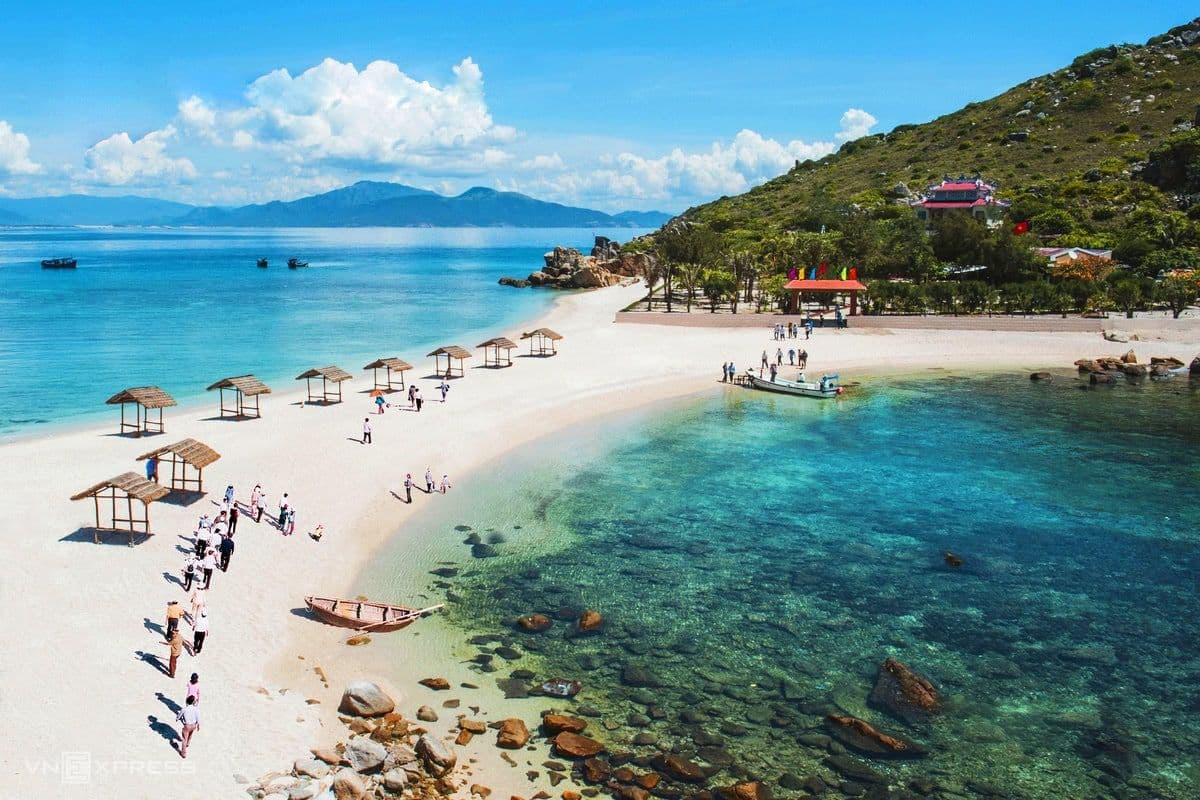
- What Is a Vietnam Beach and Culture Itinerary?
- What Makes It a Balanced Route Between Discovery and Relaxation?
- How Does the Route Move from Ancient Towns to Tropical Islands?
- Why Does Vietnam Work Well for This Travel Style?
- Best Destinations for a Vietnam Beach and Culture Itinerary
- Hue: Imperial Heritage and Quiet Cultural Depth
- Hoi An: Ancient Town, Lanterns, Food, and Nearby Beaches
- Da Nang: Coastal Comfort and Cultural Access
- Nha Trang: Beach Energy, Seafood, and Island Activities
- Phu Quoc: Tropical Island Escape and Sunset Relaxation
- Con Dao: Quiet Island Nature and Privacy
- Ho Chi Minh City: Southern Culture Before the Islands
- Mekong Delta: River Culture and Local Life
- Best Vietnam Beach and Culture Itinerary Ideas
- Classic Central Vietnam Beach and Culture Itinerary
- Vietnam Honeymoon Beach and Culture Itinerary
- Family-Friendly Vietnam Beach and Culture Itinerary
- Luxury Vietnam Beach and Culture Itinerary
- Food, Culture, and Beach Itinerary
- Slow Travel Beach and Culture Itinerary
- Suggested Vietnam Beach and Culture Itinerary by Travel Stage
- Stage 1: Cultural Arrival, Local Food, and First Vietnam Impressions
- Stage 2: Ancient Towns, Imperial Heritage, and Central Vietnam Beaches
- Stage 3: Coastal Escape, Island Relaxation, and Tropical Experiences
- Stage 4: Southern Culture, Mekong River Life, and Smooth Departure
- Best Cultural Experiences to Add to a Beach Itinerary
- Hoi An Ancient Town Walk
- Hue Imperial Heritage Tour
- Cooking Class and Market Visit
- Craft Workshop or Village Visit
- Street Food and Coffee Tour
- Mekong Delta Local Life Experience
- Best Beach Experiences to Add to a Culture Itinerary
- Da Nang Beach and Spa Time
- An Bang Beach near Hoi An
- Phu Quoc Island Escape
- Con Dao Quiet Island Retreat
- Nha Trang Coastal Stay
- How to Choose the Right Beach Destination in Vietnam?
- Should You Choose Da Nang or Hoi An for Culture and Easy Beach Access?
- Should You Choose Phu Quoc for a Tropical Island Ending?
- Should You Choose Con Dao for Privacy and Nature?
- Should You Choose Nha Trang for a Livelier Coastal Break?
- Should You Choose Lang Co or Quy Nhon for a Softer Coastal Mood?
- How to Customize a Vietnam Beach and Culture Itinerary by Traveler Type?
- For First-Time Visitors
- For Couples and Honeymooners
- For Families
- For Senior Travelers
- For Luxury Travelers
- For Food Lovers
- Best Trip Length for a Vietnam Beach and Culture Itinerary
- Is 7-9 Days Enough?
- Is 10-12 Days Enough?
- How about 14 Days?
- Is 21 Days Better for Slow Travel?
- Seasonal Tips for a Vietnam Beach and Culture Itinerary
- Why Should Travelers Plan Around Regional Weather?
- Why Is Central Vietnam Strong for Heritage and Beach Balance?
- Why Choose Southern Islands for a Relaxing Ending?
- Why Keep Flexible Alternatives?
- Travel Requirements US Travelers Should Prepare
- What Passport and Vietnam Visa Details Matter?
- Why Is Travel Insurance Important for Beach and Culture Trips?
- What Money, Connectivity, and Documents Should Travelers Prepare?
- Cost Factors for Vietnam Beach and Culture Itineraries
- How Do Destinations and Domestic Flights Affect Cost?
- How Does Hotel and Resort Level Affect Cost?
- Should Travelers Choose Private or Shared Services?
- How Do Included Experiences Affect Price?
- Common Mistakes to Avoid When Planning a Beach and Culture Trip
- Why Plan a Vietnam Beach and Culture Itinerary with FtripVietnam?
- FAQs
- What is the best Vietnam beach and culture itinerary?
- Which Vietnam beach is best for culture lovers?
- How many days do you need for a Vietnam beach and culture trip?
- Can a Vietnam beach and culture itinerary be customized?
- Conclusion
Vietnam is one of the few destinations where travelers can enjoy ancient towns, imperial heritage, street food, coastal cities, tropical islands, riverside communities, craft workshops, and beach resorts in one journey. Instead of choosing between cultural discovery and beach relaxation, travelers can combine both in a single itinerary.
A Vietnam beach and culture itinerary is ideal for travelers who want more than a standard beach vacation but do not want a packed sightseeing tour every day. It gives travelers time to explore historic streets, local markets, temples, food culture, craft villages, and river life before slowing down with beach mornings, spa time, seafood dinners, and island sunsets.
This travel style works especially well because Vietnam offers strong cultural routes and coastal escapes that can be connected naturally. Hue, Hoi An, Da Nang, Nha Trang, Phu Quoc, Con Dao, Ho Chi Minh City, and the Mekong Delta can all play different roles in a balanced beach and culture journey. Travelers can start with ancient towns and imperial history, continue through coastal cities and local workshops, then finish with tropical islands or quiet beach resorts.
A beach and culture itinerary can suit many traveler types, including couples, honeymooners, families, seniors, luxury travelers, first-time visitors, food lovers, photographers, and slow travelers. The key is choosing the right route, season, hotel style, beach atmosphere, and travel pace.
FtripVietnam helps travelers design customized Vietnam beach and culture itineraries with suitable hotels, private transfers, trusted local guides, special meals, beach extensions, authentic experiences, and flexible pacing.
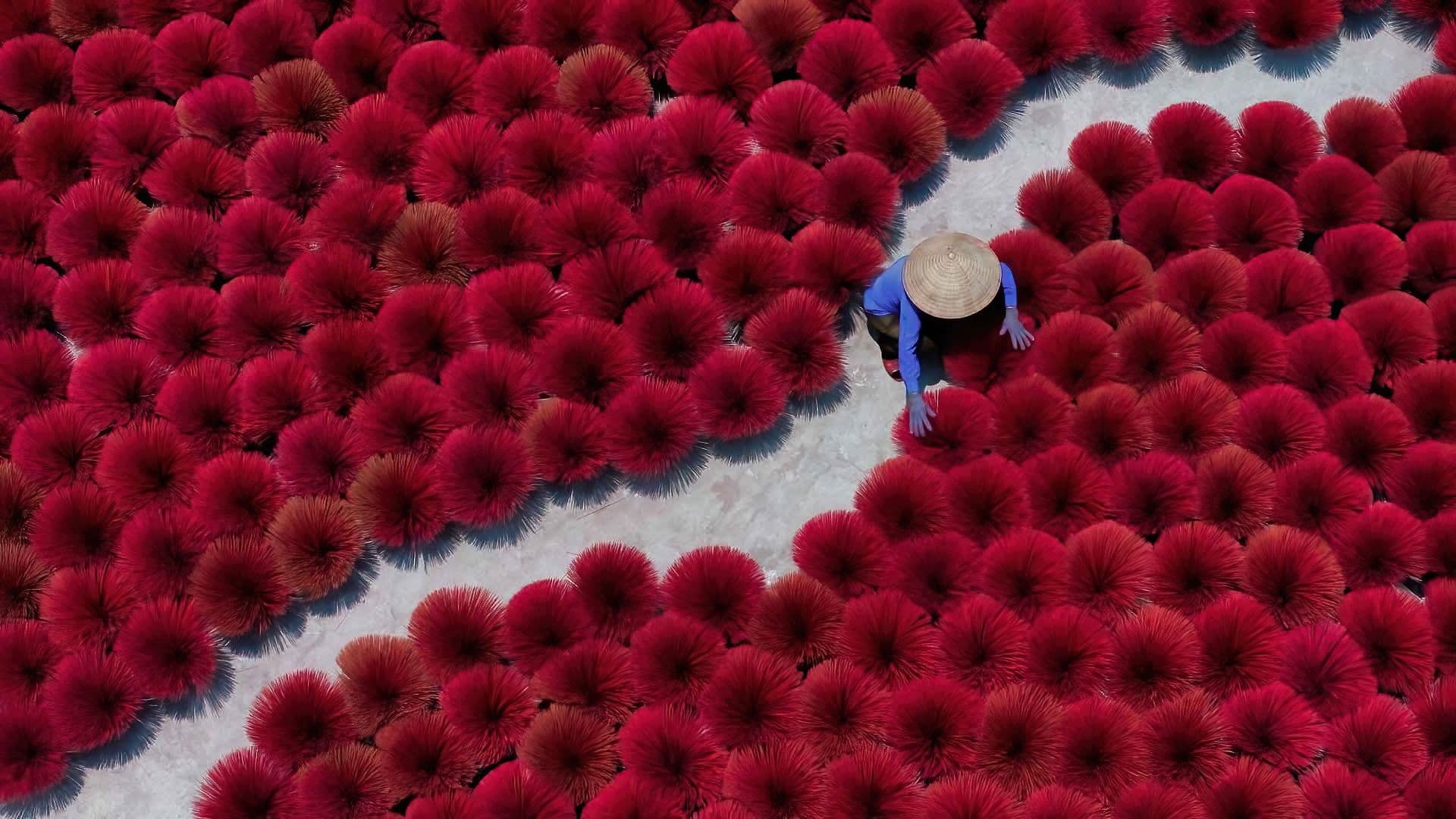
What Is a Vietnam Beach and Culture Itinerary?
What Makes It a Balanced Route Between Discovery and Relaxation?
A Vietnam beach and culture itinerary combines heritage sites, old towns, local food, guided cultural experiences, beach stays, spa time, island escapes, and coastal scenery. It is designed for travelers who want both meaningful discovery and restorative downtime.
Instead of spending the whole trip inside a resort, travelers can visit temples, markets, ancient streets, museums, craft workshops, fishing villages, and local neighborhoods. After that, they can slow down by the sea, enjoy long breakfasts, swim, relax at a beach resort, or take a sunset walk.
The goal is to avoid two common extremes. The first is a rushed itinerary that moves from one attraction to another without enough rest. The second is a beach-only trip that misses Vietnam’s cultural depth. A strong beach and culture itinerary gives travelers both context and comfort.
This type of trip works especially well for long-haul travelers. After a long flight, many visitors want a vacation that feels meaningful but not exhausting. A balanced route gives them enough cultural experience while still leaving time to rest.
How Does the Route Move from Ancient Towns to Tropical Islands?
A Vietnam beach and culture route can move naturally from historic places to coastal escapes. Cultural highlights may include Hue Imperial City, Hoi An Ancient Town, My Son Sanctuary, Hanoi Old Quarter, Ho Chi Minh City heritage streets, and Mekong Delta river communities.
Beach and island highlights may include Da Nang, An Bang Beach, Nha Trang, Phu Quoc, Con Dao, Quy Nhon, Lang Co, and selected coastal retreats. These destinations offer different beach moods, from lively coastal cities to quiet island hideaways.
Travelers can choose a compact Central Vietnam route, a southern Vietnam island route, or a full north-to-south itinerary. Ancient towns add history, atmosphere, food, and local storytelling. Beaches and islands create space for rest, romance, family time, and wellness.
A well-planned route connects both sides naturally. The itinerary should not feel like two separate trips forced together. It should move smoothly from cultural discovery to coastal relaxation.
Why Does Vietnam Work Well for This Travel Style?
Vietnam works well for beach and culture travel because it has a long coastline, several island destinations, and many distinct cultural regions. Travelers can combine imperial cities, ancient trading towns, modern coastal hubs, river communities, and island resorts in one country.
Central Vietnam is especially strong for this style. Hue, Da Nang, and Hoi An are close enough to combine heritage, food, beaches, spa, and craft experiences without too many long transfers. This makes the region ideal for first-time visitors, families, seniors, and couples.
Southern Vietnam also works well for travelers who want Ho Chi Minh City, the Mekong Delta, and Phu Quoc or Con Dao in one route. This combination gives visitors city energy, river culture, local food, and a tropical island ending.
Northern Vietnam can add Hanoi, Ninh Binh, and Ha Long Bay or Lan Ha Bay before travelers continue to Central Vietnam or the southern islands. With smart planning, travelers can enjoy contrast without too many exhausting transfers.
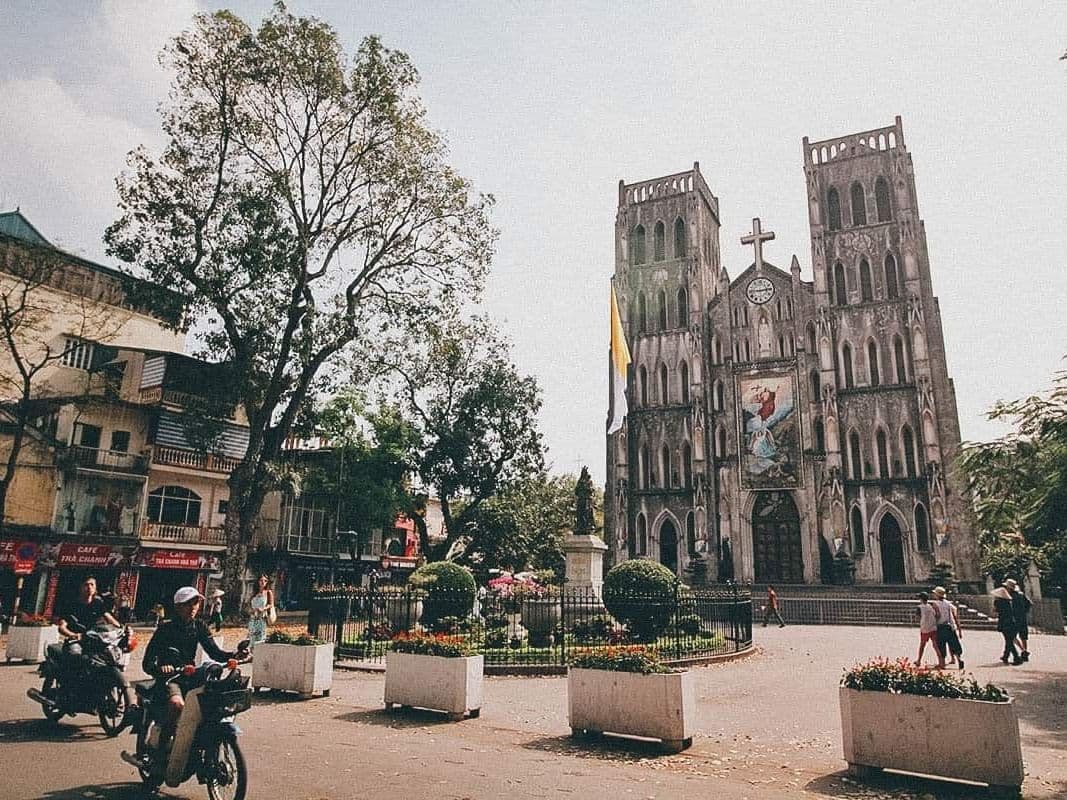
Best Destinations for a Vietnam Beach and Culture Itinerary
Hue: Imperial Heritage and Quiet Cultural Depth
Hue adds historical depth to a Vietnam beach and culture itinerary. The city is known for imperial heritage, royal tombs, pagodas, garden houses, local markets, and regional cuisine. It is a quieter cultural stop compared with Hanoi or Ho Chi Minh City, making it suitable for travelers who enjoy slower exploration.
Travelers can visit Hue Imperial City, learn about royal history, explore riverside pagodas, and try distinctive local dishes. A private guide can make the experience more meaningful by explaining architecture, symbolism, dynastic history, and the city’s cultural identity.
Hue works well before travelers continue to Da Nang and Hoi An. It adds depth before the coastal part of the itinerary. For a richer experience, travelers can include a royal-inspired meal, garden house dining, or a Perfume River activity.
This destination is ideal for travelers who enjoy architecture, food, heritage storytelling, and gentle cultural walks.
Hoi An: Ancient Town, Lanterns, Food, and Nearby Beaches
Hoi An is one of the strongest destinations for combining culture and beach relaxation. The ancient town offers old merchant houses, lantern streets, riverside cafés, local markets, temples, tailoring, and craft workshops. At the same time, travelers can easily reach An Bang Beach and nearby coastal resorts.
Hoi An works well because it feels atmospheric without requiring complicated logistics. Visitors can spend the morning walking through old streets, join a cooking class or lantern-making workshop in the afternoon, then enjoy seafood or beach time later in the day.
This destination is especially suitable for couples, families, honeymooners, photographers, food lovers, and first-time visitors. It offers cultural charm, hands-on activities, and easy access to the beach in one compact area.
Travelers who want a softer pace can stay several nights in Hoi An and avoid changing hotels too often.
Da Nang: Coastal Comfort and Cultural Access
Da Nang is a practical beach base for travelers who want comfort, airport access, modern hotels, seafood, spa, and easy connections to heritage destinations. It offers beach relaxation without being isolated from cultural sites.
Travelers can enjoy My Khe Beach, coastal dining, cafés, bridges, and modern city comforts. From Da Nang, it is easy to reach Hoi An, Hue, My Son Sanctuary, and Marble Mountains by private transfer.
This makes Da Nang a strong choice for families, seniors, luxury travelers, and travelers who want beach time with cultural flexibility. It is also suitable for visitors who prefer modern hotels, larger resorts, and smoother logistics.
Da Nang is a good option when travelers want beach comfort but do not want to be far from restaurants, airports, hospitals, or cultural day trips.
Nha Trang: Beach Energy, Seafood, and Island Activities
Nha Trang offers a livelier coastal atmosphere with beach resorts, seafood, spa, water activities, and island-style excursions. It is better suited for travelers who want an active beach destination rather than a quiet retreat.
Travelers can add cultural sites, local markets, coastal food, mineral wellness, or relaxed resort days. Families and couples may enjoy the combination of beach comfort and city energy.
Nha Trang works best when the itinerary has enough time for central-to-south coastal travel. It is less ideal for very short itineraries if it creates too many transfers.
For travelers who like coastal activity, seafood, and a more energetic beach mood, Nha Trang can be a good fit.
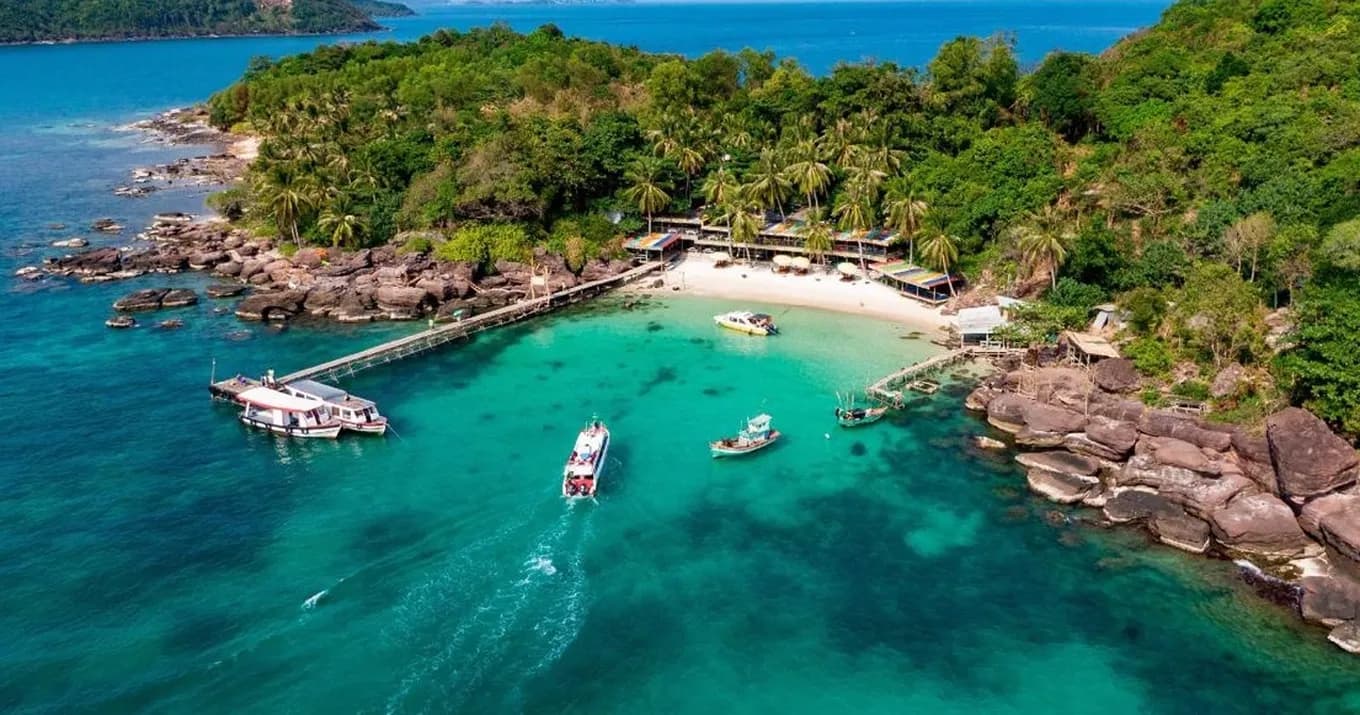
Phu Quoc: Tropical Island Escape and Sunset Relaxation
Phu Quoc is ideal for travelers who want a tropical island ending. It offers beaches, resorts, seafood, sunsets, snorkeling, spa, pool time, and relaxed island exploration.
This destination works especially well after Ho Chi Minh City and the Mekong Delta. Travelers can spend the cultural part of the trip exploring cities, markets, rivers, and local communities, then end with 3-5 days of island relaxation.
Phu Quoc is suitable for couples, honeymooners, families, luxury travelers, and wellness-focused travelers. It is a classic choice for those who want an accessible tropical island escape.
Travelers can also add local markets, pepper farms, fish sauce traditions, island viewpoints, and beach-hopping for a little cultural balance.
Con Dao: Quiet Island Nature and Privacy
Con Dao is suitable for travelers who prefer quieter beaches, nature, privacy, and a less crowded island atmosphere. It is more peaceful than many mainstream beach destinations and works well for travelers who value calm over nightlife.
A Con Dao stay may include gentle walks, ocean views, resort time, historical sites, and peaceful coastal scenery. It is a strong option for couples, honeymooners, solo travelers, photographers, and luxury wellness travelers.
Because flight access and weather can affect the experience, Con Dao should be planned carefully. It is best for travelers who are willing to trade convenience for privacy and atmosphere.
Ho Chi Minh City: Southern Culture Before the Islands
Ho Chi Minh City adds energy, history, markets, museums, street food, cafés, colonial-era architecture, and modern local neighborhoods to a beach and culture itinerary. It works well before flying to Phu Quoc or Con Dao.
Travelers can add a private food tour, coffee route, history walk, shopping time, or local market visit before the beach extension. The city helps travelers understand southern Vietnam before slowing down on the coast.
A local guide can connect the city’s history with modern daily life, making the experience more meaningful than a simple sightseeing stop.
Mekong Delta: River Culture and Local Life
The Mekong Delta adds canals, fruit gardens, boat rides, home-style meals, local workshops, and riverside communities. It pairs naturally with Ho Chi Minh City and Phu Quoc.
Travelers can choose a day trip or overnight stay depending on pace. A day trip is easier for travelers with limited time, while an overnight route can feel more local and relaxed.
The Mekong Delta is good for families, food lovers, slow travelers, and culture-focused visitors. It adds local depth before the final island stage and helps the itinerary feel more connected to everyday Vietnamese life.
Best Vietnam Beach and Culture Itinerary Ideas
Classic Central Vietnam Beach and Culture Itinerary
A classic Central Vietnam route may include Hue, Da Nang, Hoi An, and An Bang Beach. This is one of the easiest and most balanced ways to combine culture and beach time in Vietnam.
The route includes imperial heritage, ancient town charm, local food, craft workshops, spa time, and beach relaxation. Transfer distances are manageable, which makes the itinerary comfortable for couples, families, seniors, and first-time visitors.
This route works well for 5-7 days. Travelers can explore Hue’s imperial sites, continue to Da Nang for coastal comfort, then finish with Hoi An’s ancient town and nearby beach.
It is also easy to customize because travelers can choose more cultural touring, more beach time, or a stronger food focus.
Vietnam Honeymoon Beach and Culture Itinerary
A honeymoon itinerary can combine Hanoi or Ho Chi Minh City with Hoi An, Da Nang, and Phu Quoc or Con Dao. This route is ideal for couples who want romance, boutique hotels, beach resorts, private dinners, photography, spa, and cultural walks.
The itinerary should feel relaxed rather than crowded. Couples can include lantern streets in Hoi An, private cooking classes, sunset cruises, beach resorts, and romantic dining. A final island stay helps the trip end with full relaxation.
This route works well for 10-14 days. The key is to keep the pace slow and avoid too many hotel changes.
For honeymooners, the experience should feel personal, scenic, and carefully arranged.
Family-Friendly Vietnam Beach and Culture Itinerary
A family-friendly route can include Hanoi, Ninh Binh, Hoi An, Da Nang, and Phu Quoc. This route gives families a mix of nature, culture, hands-on activities, beach time, and resort comfort.
Families can add cooking classes, lantern making, basket boats, pool time, light cycling, local meals, and short guided tours. Hotels should have family rooms, pools, convenient locations, and easy transfer access.
This itinerary works well for 10-14 days. The schedule should balance activity days with rest days so children and parents do not feel exhausted.
Private transfers are especially useful for families traveling with luggage, snacks, strollers, or different energy levels.
Luxury Vietnam Beach and Culture Itinerary
A luxury route can include Hanoi, Lan Ha Bay, Hue, Hoi An, Da Nang, and Con Dao or Phu Quoc. This itinerary is suitable for travelers who want premium hotels, boutique stays, private guides, spa, fine dining, beach resorts, and scenic cruises.
Luxury travelers should focus on fewer destinations with stronger experiences. Instead of rushing through many regions, they can spend more time in selected places and enjoy high-quality hotels, private transfers, wellness, cooking classes, photography, and heritage walks.
This itinerary works well for 12-14 days or longer. It should feel seamless, carefully paced, and personally designed.
Food, Culture, and Beach Itinerary
A food-focused beach and culture route can include Hanoi, Hue, Hoi An, Ho Chi Minh City, and Phu Quoc. This itinerary connects Vietnam’s regional flavors with coastal relaxation.
Travelers can experience Hanoi street food, Hue royal cuisine, Hoi An cooking classes, Ho Chi Minh City night food, and Phu Quoc seafood. Local markets, coffee culture, home-style meals, and beach dining can also be added.
This itinerary works well for 10-14 days. It is ideal for food lovers who want cultural depth but still want beach time at the end.
Slow Travel Beach and Culture Itinerary
A slow travel itinerary can include Hue, Hoi An, Da Nang, and Phu Quoc or Con Dao. It is best for travelers who prefer fewer destinations and more time in each place.
This route can include gentle cultural walks, spa time, beach mornings, cafés, workshops, and local food. It is suitable for seniors, couples, solo travelers, and wellness travelers.
This itinerary works well for 10-12 days. Travelers should avoid overloading the schedule with too many day trips. The value comes from space, comfort, and deeper enjoyment.
Suggested Vietnam Beach and Culture Itinerary by Travel Stage
Stage 1: Cultural Arrival, Local Food, and First Vietnam Impressions
Travelers can start in Hanoi or Ho Chi Minh City depending on international flights and preferred route. The arrival day should be light, especially for long-haul travelers. A private airport pickup, hotel check-in, short neighborhood walk, coffee stop, or relaxed welcome dinner is usually enough.
On the second day, travelers can add a guided food tour, market walk, heritage route, or city culture experience. This helps visitors understand local daily life and adjust to Vietnam’s rhythm.
For northern routes, this stage may include Hanoi Old Quarter, coffee culture, Ninh Binh, or Lan Ha Bay before heading south. For southern routes, travelers may start with Ho Chi Minh City street food, local cafés, and historic neighborhoods before adding the beach or island extension.
This stage sets the cultural tone of the trip and helps travelers settle in comfortably.
Stage 2: Ancient Towns, Imperial Heritage, and Central Vietnam Beaches
Central Vietnam is often the heart of a beach and culture itinerary. Travelers can continue to Hue, Da Nang, and Hoi An for a strong mix of heritage, food, beaches, and wellness.
Hue adds imperial history, royal tombs, pagodas, garden houses, and regional cuisine. Hoi An adds ancient town walks, lantern streets, riverside cafés, cooking classes, craft workshops, countryside activities, and nearby beach time. Da Nang adds coastal comfort, modern hotels, airport access, seafood, spa, and easy day trips.
This stage can also include My Son Sanctuary, Marble Mountains, basket boats, local workshops, or beach afternoons at My Khe or An Bang.
The goal is to combine cultural depth with coastal comfort rather than filling every day with sightseeing.
Stage 3: Coastal Escape, Island Relaxation, and Tropical Experiences
After the main cultural stage, travelers can continue to Nha Trang, Phu Quoc, Con Dao, or another beach destination based on season, travel style, and route.
This stage should be lighter than the cultural stage. Travelers can focus on beach time, swimming, spa, seafood, sunset walks, snorkeling, island viewpoints, and resort relaxation. Local markets, fishing villages, coastal food tours, or wellness experiences can be added for balance.
Phu Quoc is a good choice for an accessible island escape. Con Dao is better for travelers who want quiet nature and privacy. Nha Trang works well for those who prefer a livelier coastal stay.
This stage gives travelers a true tropical reset after heritage and city exploration.
Stage 4: Southern Culture, Mekong River Life, and Smooth Departure
Ho Chi Minh City and the Mekong Delta can be added before or after the island stage depending on flight routing. This stage adds southern culture, street food, river life, and local communities.
Travelers can explore southern markets, cafés, historic sites, and local neighborhoods in Ho Chi Minh City. They can continue to the Mekong Delta for canals, fruit gardens, boat rides, local workshops, and home-style meals.
The final day should stay light. Breakfast, coffee, shopping, spa, or a short walk is usually better than a full-day tour before departure.
A private airport transfer and a clear departure plan help the journey end smoothly.
Best Cultural Experiences to Add to a Beach Itinerary
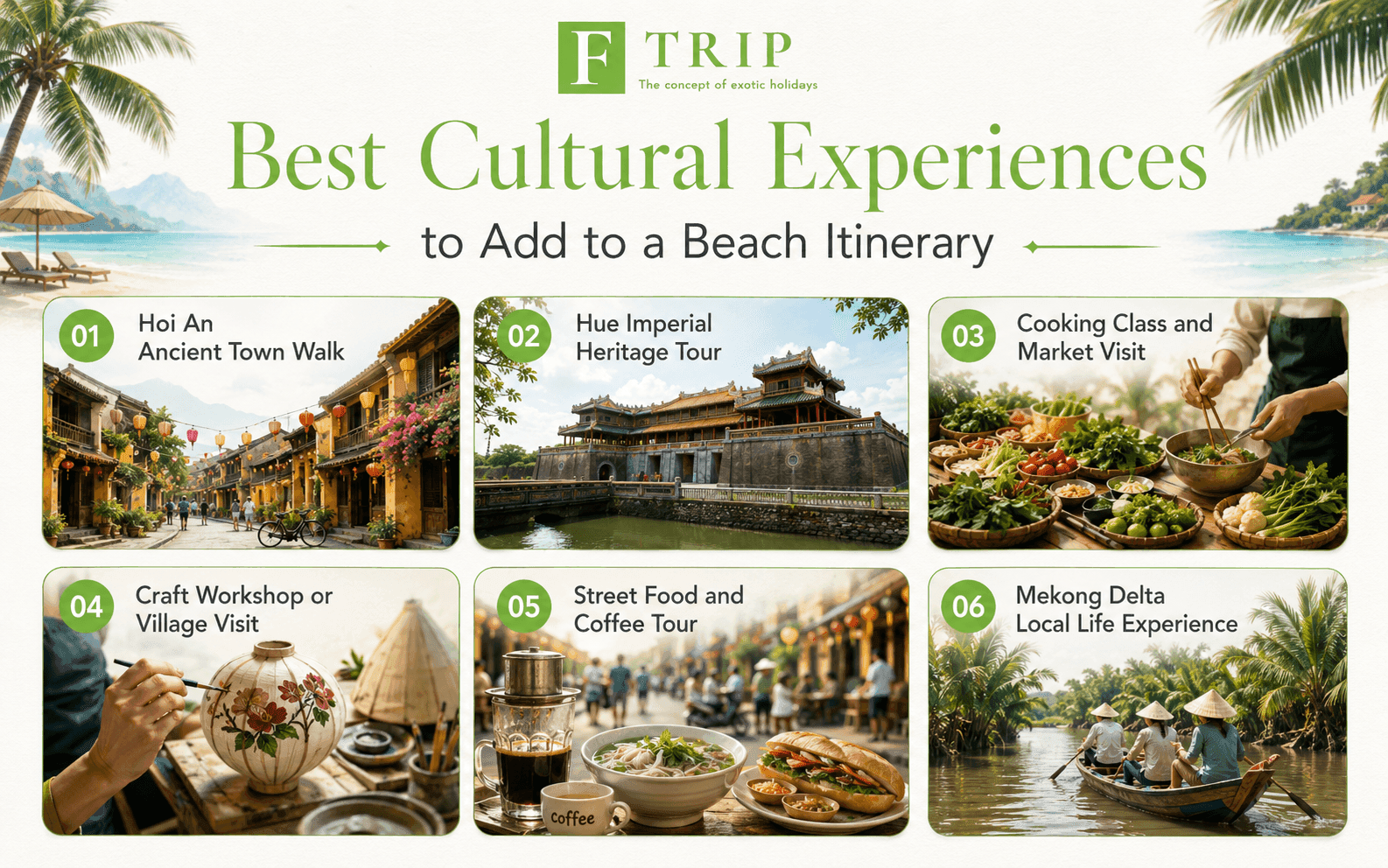
Hoi An Ancient Town Walk
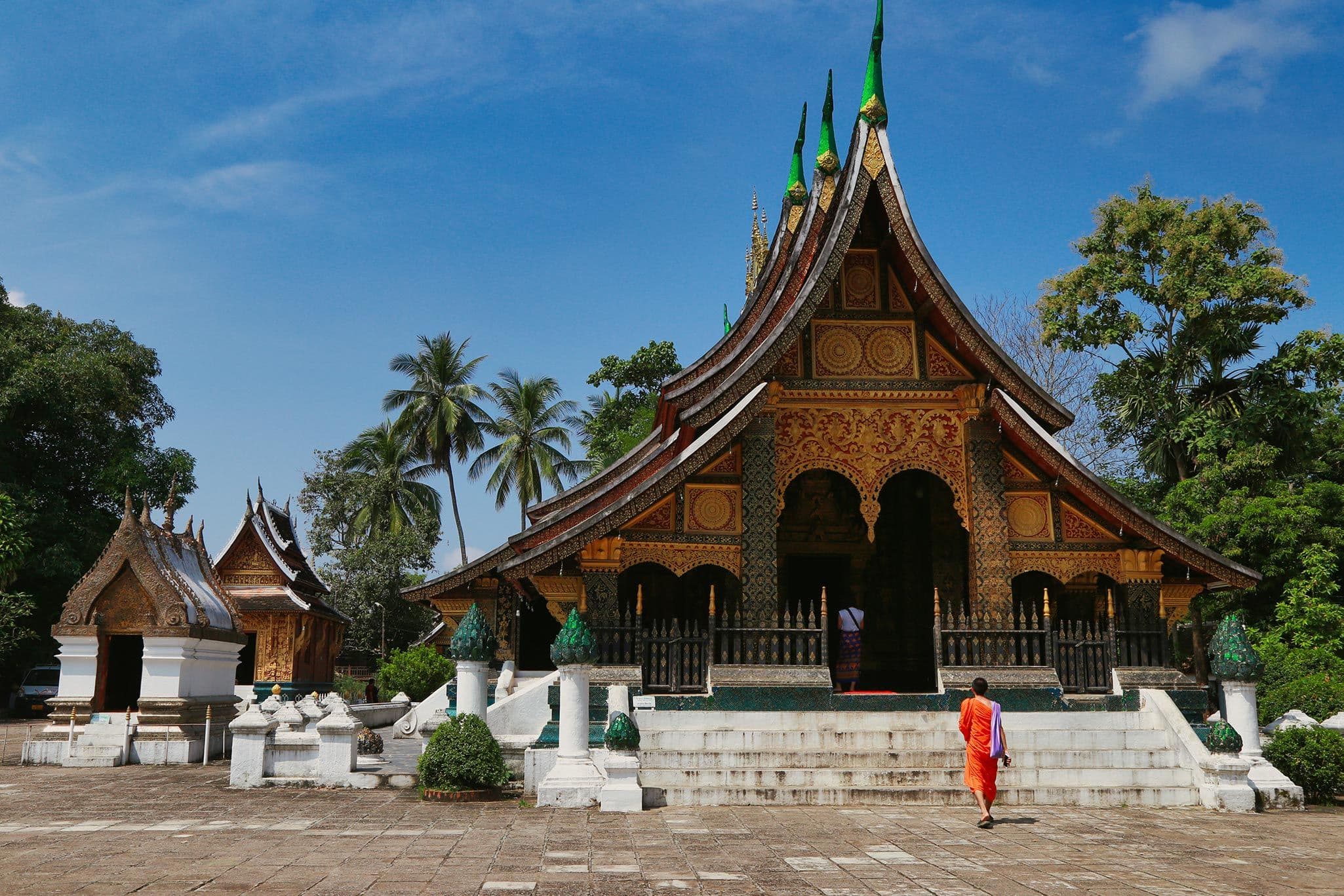
A Hoi An Ancient Town walk is one of the easiest cultural experiences to combine with beach time. Travelers can explore lantern streets, old merchant houses, temples, assembly halls, riverside cafés, and local markets.
The experience is best in the early morning or evening when the atmosphere is cooler and more pleasant. A guided walk can add storytelling about Hoi An’s trading history and local traditions.
This activity works well before or after beach time and is suitable for couples, families, photographers, and first-time visitors.
Hue Imperial Heritage Tour
A Hue Imperial Heritage tour can include Hue Imperial City, royal tombs, pagodas, garden houses, and local food. It is ideal for travelers who want cultural depth and historical context.
A local guide helps explain symbolism, royal architecture, and the city’s role in Vietnam’s history. Without guiding, travelers may see the buildings but miss much of the meaning behind them.
Hue works well as a full-day or overnight cultural stop before continuing to Da Nang and Hoi An.
Cooking Class and Market Visit
A cooking class and market visit can be added in Hoi An, Hue, Da Nang, Hanoi, or Ho Chi Minh City. This experience helps travelers understand Vietnamese food through ingredients, local markets, herbs, noodles, seafood, sauces, and seasonal produce.
Cooking classes work well for families, couples, food lovers, and culture travelers. They can also be customized for dietary needs.
This type of experience connects food, culture, and daily life in a hands-on way.
Craft Workshop or Village Visit
Craft workshops and village visits can include lantern making, pottery, incense, weaving, tailoring, lacquerware, or traditional painting. Hoi An and Hanoi are especially strong for craft activities.
These experiences are good for families, couples, photographers, and creative travelers. They also work well as gentle cultural activities between beach days.
Workshops should be respectful and locally guided so travelers understand the craft rather than treating it only as a quick photo stop.
Street Food and Coffee Tour
Food and coffee tours help travelers understand Vietnam’s regional flavors. Travelers can explore Hanoi coffee culture, Hue food, Hoi An specialties, Da Nang seafood, Ho Chi Minh City street food, or Phu Quoc seafood.
Private food tours can adjust spice level, dietary needs, and walking distance. They are useful for first-time visitors who want to eat confidently and discover places they may not find alone.
Coffee stops also create slower local moments, especially in cities and ancient towns.
Mekong Delta Local Life Experience
The Mekong Delta adds river culture to a beach and culture itinerary. Travelers can experience canals, fruit gardens, boat rides, local workshops, and home-style meals.
This experience works well before or after a Phu Quoc extension. It is especially suitable for families, slow travelers, and food lovers.
A private route can help travelers avoid overly commercial stops and focus on more meaningful local encounters.
Best Beach Experiences to Add to a Culture Itinerary
Da Nang Beach and Spa Time
Da Nang is a convenient beach destination because it combines modern hotels, airport access, coastal dining, and easy cultural day trips. Travelers can enjoy My Khe Beach, seafood, resort spa, beach walks, and relaxed evenings.
Da Nang works well after Hue and before Hoi An, or as a comfortable base for both. It is suitable for families, couples, seniors, and luxury travelers.
Its main advantage is convenience. Travelers can enjoy beach time without being far from cultural sites or airport access.
An Bang Beach near Hoi An
An Bang Beach is a good option for travelers who want culture and beach without changing hotels too often. It is close to Hoi An Ancient Town, which makes it easy to combine lantern streets, food tours, craft workshops, and beach afternoons.
Travelers can include seafood, cafés, swimming, and relaxed afternoons. It is suitable for couples, families, and slow travelers.
An Bang is a softer beach option in Central Vietnam, especially for travelers who want a relaxed mood rather than a large resort environment.
Phu Quoc Island Escape
Phu Quoc is a classic island ending for a north-to-south Vietnam trip. Travelers can enjoy beach resorts, sunsets, seafood, snorkeling, spa, pool time, and island exploration.
It works well after Ho Chi Minh City and the Mekong Delta. A 3-5 day stay gives travelers enough time to slow down and make the domestic flight worthwhile.
Phu Quoc is suitable for families, honeymooners, luxury travelers, and wellness travelers. It is a good choice for travelers who want a tropical island with good resort options.
Con Dao Quiet Island Retreat
Con Dao is best for travelers who want quiet beaches, nature, privacy, ocean views, gentle walks, and resort time. It is less focused on nightlife and more focused on calm.
This makes it suitable for couples, honeymooners, solo travelers, and luxury wellness travelers. It can be a peaceful ending to a culture-rich itinerary.
Because flight access and season matter, Con Dao should be planned carefully. It is best for travelers who value atmosphere and privacy over convenience.
Nha Trang Coastal Stay
Nha Trang offers beach resorts, seafood, island activities, mineral wellness, and coastal energy. It is a good choice for travelers who want a livelier beach destination.
Families and couples can enjoy both relaxation and activities. It works better in longer itineraries that include Central and South Vietnam.
Hotel location should be chosen carefully because the mood can vary by area. Some travelers may want central access, while others may prefer a quieter resort setting.
How to Choose the Right Beach Destination in Vietnam?
Should You Choose Da Nang or Hoi An for Culture and Easy Beach Access?
Da Nang and Hoi An are strong choices for travelers who want culture and beaches in one compact region. They connect easily with Hue, Hoi An Ancient Town, My Son Sanctuary, Marble Mountains, local workshops, and coastal hotels.
This region is good for families, seniors, couples, and first-time visitors because it offers strong hotel options, easy transfers, and airport convenience.
It is ideal when travelers want fewer flights and less logistical complexity. Central Vietnam is often the simplest answer for a balanced beach and culture trip.
Should You Choose Phu Quoc for a Tropical Island Ending?
Phu Quoc is best for travelers who want beaches, resorts, sunsets, seafood, and easy relaxation. It works well after Ho Chi Minh City and the Mekong Delta.
This island is suitable for families, honeymooners, luxury travelers, and wellness travelers. Travelers should allow enough nights to make the flight worthwhile.
Phu Quoc is a good choice for a classic island escape, especially at the end of a longer itinerary.
Should You Choose Con Dao for Privacy and Nature?
Con Dao is best for travelers who want a quieter island atmosphere, nature, privacy, and calm. It suits couples, solo travelers, honeymooners, photographers, and wellness travelers.
It is less suitable for travelers who want nightlife, many resort choices, or a very easy transfer schedule. Flight access and weather need careful planning.
Travelers should choose Con Dao when peace is the priority.
Should You Choose Nha Trang for a Livelier Coastal Break?
Nha Trang is best for travelers who want beaches, seafood, nightlife, spa, and water activities. It can work well for active beach travelers, families, and groups of friends.
It is less ideal for travelers who want a very quiet escape. The right hotel area matters because the destination can feel different depending on location.
Nha Trang is most suitable for longer itineraries where travelers have enough time to include a more energetic coastal stop.
Should You Choose Lang Co or Quy Nhon for a Softer Coastal Mood?
Lang Co and Quy Nhon are good options for travelers who want a quieter coastal atmosphere with fewer crowds. Lang Co pairs well with Hue and Da Nang, while Quy Nhon offers a more local coastal feel.
These destinations are suitable for slow travelers, couples, and photographers. They work best with customized logistics because transfers, hotel choices, and timing need more careful planning.
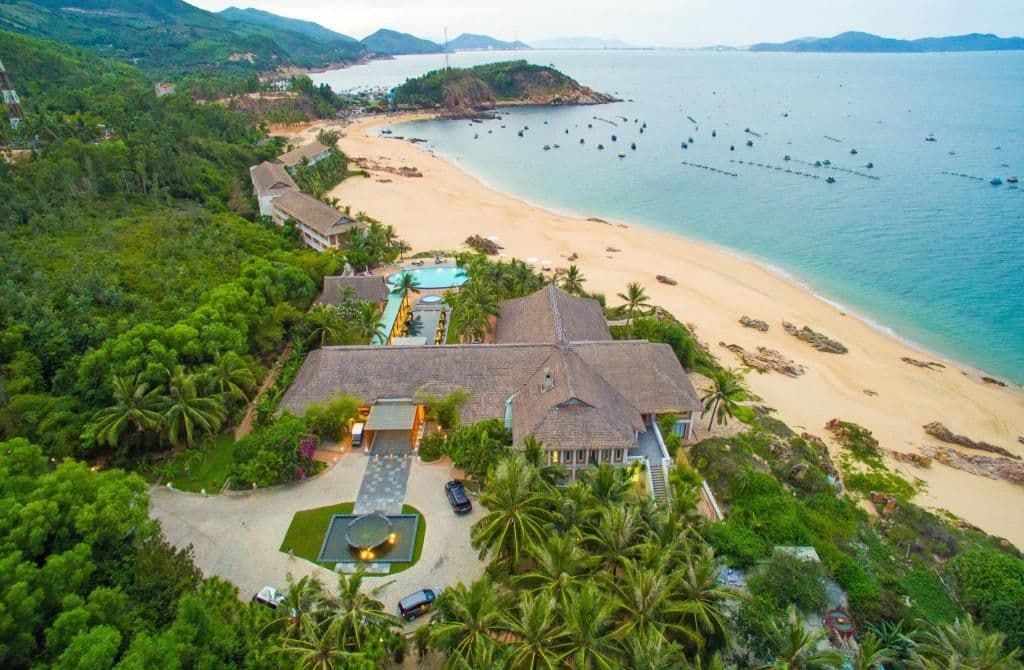
How to Customize a Vietnam Beach and Culture Itinerary by Traveler Type?
For First-Time Visitors
First-time visitors should keep the route simple. A strong first-time itinerary can include Hanoi or Ho Chi Minh City, Central Vietnam, and one beach destination.
Travelers can add Hoi An, Da Nang, Hue, and either Phu Quoc or Nha Trang depending on travel dates and beach style. Food tours, local guides, cooking classes, and beach rest help create a balanced experience.
A 10-14 day itinerary usually works well. The goal is to avoid too many flights and hotel changes while still seeing Vietnam’s cultural and coastal highlights.
For Couples and Honeymooners
Couples and honeymooners should focus on atmosphere, privacy, and pacing. Boutique hotels, private guides, romantic dinners, lantern walks, spa, beach resorts, and island sunsets can make the trip feel special.
Strong routes may include Hoi An, Da Nang, Phu Quoc, Con Dao, Ninh Binh, and Lan Ha Bay. Photography, cooking classes, private cruises, and wellness days can also be added.
The trip should end with a beach or island stay so couples can relax after the cultural stage.
For Families
Families should choose destinations with easy logistics, family rooms, pools, beaches, and interactive cultural activities. Good options include Da Nang, Hoi An, Ninh Binh, Ho Chi Minh City, the Mekong Delta, and Phu Quoc.
Cooking classes, lantern making, basket boats, light cycling, beach time, and pool breaks work well for children and parents. Families should avoid too many remote transfers and overly packed days.
Sharing children’s ages and dietary needs early helps create a smoother itinerary.
For Senior Travelers
Senior travelers should choose slower routes, private transfers, comfortable hotels, gentle cultural walks, beaches, and spa time. Good options include Hue, Hoi An, Da Nang, Ninh Binh, Phu Quoc, and the Mekong Delta.
The itinerary should avoid too many flights, difficult hikes, long stairs, and packed schedules. Hotel elevators, walking distances, boat access, and transfer time should be checked carefully.
Rest time should be part of the itinerary, not treated as an afterthought.
For Luxury Travelers
Luxury travelers should choose premium hotels, private guides, luxury cruises, spa resorts, beachfront villas, fine dining, and seamless transfers. Strong routes may include Hanoi, Lan Ha Bay, Hue, Hoi An, Da Nang, Phu Quoc, and Con Dao.
The itinerary should focus on fewer destinations with more quality time. Private photography, cooking classes, romantic dinners, wellness, and special local experiences can be included.
A luxury beach and culture trip should feel effortless, carefully paced, and deeply personal.
For Food Lovers
Food lovers can build an itinerary around Hanoi, Hue, Hoi An, Da Nang, Ho Chi Minh City, the Mekong Delta, and Phu Quoc. This route connects street food, seafood, coffee culture, cooking classes, market walks, and home-style meals.
Each beach destination can be connected with local food experiences. Da Nang offers seafood, Hoi An offers cooking classes and specialties, while Phu Quoc offers island seafood and local markets.
Dietary needs should be shared early so suitable meals and restaurants can be arranged.
Best Trip Length for a Vietnam Beach and Culture Itinerary
Is 7-9 Days Enough?
A 7-9 day itinerary works best for one compact region, such as Hue, Da Nang, Hoi An, and An Bang Beach. This length is suitable for travelers with limited time who want culture, food, and beach without too many flights.
Travelers should avoid adding islands or too many distant regions. A simple itinerary with one heritage city, one ancient town, and one beach base will feel more comfortable.
Is 10-12 Days Enough?
A 10-12 day itinerary works well for first-time visitors who want culture and one beach destination. Travelers can combine Hanoi or Ho Chi Minh City with Central Vietnam and a beach stay.
This length allows food tours, cooking classes, heritage walks, beach days, and spa time. It works well for couples, families, and seniors when enough rest time is included.
How about 14 Days?
A 14-day itinerary allows a fuller beach and culture route. Travelers can combine Hanoi, Ninh Binh, Hue, Hoi An, Da Nang, Ho Chi Minh City, the Mekong Delta, and Phu Quoc or Con Dao.
This length gives more space for cultural experiences and a proper island ending. It is suitable for honeymooners, families, luxury travelers, and slow travelers.
Smart routing is important because too many hotel changes can make the trip tiring.
Is 21 Days Better for Slow Travel?
A 21-day itinerary is best for slow travel and deeper discovery. Travelers can add northern culture, central heritage, coastal stays, southern river life, and tropical islands.
This length allows rest days, wellness, photography, cooking classes, workshops, and beach extensions. It is best planned as a customized private itinerary so the route feels natural rather than overloaded.
Seasonal Tips for a Vietnam Beach and Culture Itinerary
Why Should Travelers Plan Around Regional Weather?
Vietnam’s weather differs by region, so beach timing should match the route. Central Vietnam, southern islands, and northern coastal areas do not always share the same best months.
Travelers should avoid assuming that one season works equally well for every beach. Weather flexibility is especially important for cruises, islands, and beach stays.
A local planner can help match destinations to travel dates and suggest backup activities if beach weather changes.
Why Is Central Vietnam Strong for Heritage and Beach Balance?
Central Vietnam is strong for culture and beach because Hue, Da Nang, Hoi An, and nearby beaches are close together. This region works well for travelers who want fewer flights and simpler transfers.
It is suitable for families, seniors, couples, and first-time visitors. Travelers should still check seasonal rain patterns before booking.
Backup cultural activities such as cooking classes, cafés, museums, spa, food tours, or craft workshops can be useful if beach weather is not ideal.
Why Choose Southern Islands for a Relaxing Ending?
Phu Quoc and Con Dao work well as final beach stages after Ho Chi Minh City or the Mekong Delta. Island stays are better when travelers allow enough nights to settle in and relax.
Flight access and weather should be reviewed early. Beach days should not be overloaded with too many activities.
A slower island ending helps the whole trip feel more restful, especially after heritage towns, city tours, and river experiences.
Why Keep Flexible Alternatives?
Beach itineraries should not depend only on sunshine. Rainy days can still be enjoyable with cooking classes, spa, cafés, museums, workshops, food tours, or wellness time.
Flexible planning makes the trip smoother. Private tours can adjust daily pacing more easily, which is especially helpful for families, seniors, honeymooners, and travelers with special needs.
Travel Requirements US Travelers Should Prepare
What Passport and Vietnam Visa Details Matter?
US travelers need a valid passport and a Vietnam visa or e-visa. The U.S. Department of State notes that passports should have six months’ validity beyond the arrival date and one blank page per stamp. It also states that US travelers need a visa to enter Vietnam.
Vietnam’s official e-visa system lists the e-visa fee as US$25 for a single-entry visa and US$50 for a multiple-entry visa. Travelers should apply through the official e-visa system, check all passport details carefully, and print approved visa documents before departure.
Because entry rules can change, travelers should verify official information close to the travel date.
Why Is Travel Insurance Important for Beach and Culture Trips?
Travel insurance is strongly recommended for Vietnam beach and culture itineraries. Coverage should include medical care, cancellation, delays, lost luggage, domestic flights, cruises, boat trips, beach stays, and planned activities.
Travelers should check swimming conditions, weather, and local beach guidance. Sunscreen, hydration, insect repellent, and basic first aid are also important.
Families and seniors should choose comfortable hotels and safe transfers, especially when the itinerary includes islands, cruises, or multiple hotel changes.
What Money, Connectivity, and Documents Should Travelers Prepare?
Travelers should bring credit cards and some Vietnamese Dong for small purchases. Cash is useful for markets, local food, tips, small shops, and rural areas.
SIM, eSIM, or roaming access is useful for maps, messaging, translation, and local support. Travelers should save hotel addresses, guide contacts, itinerary details, domestic flight information, and emergency numbers offline.
Printed and digital copies of passport, visa, insurance, and flights should be kept in separate places. Medication and key documents should stay in hand luggage.
Cost Factors for Vietnam Beach and Culture Itineraries
How Do Destinations and Domestic Flights Affect Cost?
More destinations usually mean higher costs. Islands such as Phu Quoc and Con Dao may require domestic flights, while multi-region itineraries may need private transfers, cruises, or additional hotel nights.
A compact Central Vietnam route is often more cost-efficient than a full north-to-south itinerary. However, a longer route can be worthwhile if travelers want cultural variety and a proper island ending.
Good routing helps reduce wasted travel time and unnecessary expense.
How Does Hotel and Resort Level Affect Cost?
Beach resorts often cost more than city hotels. Room category, sea view, villa type, pool access, and resort facilities can all affect pricing.
Boutique hotels in Hoi An or Hue can add cultural character, while beachfront resorts in Da Nang, Phu Quoc, or Con Dao can raise the budget. Families may need connecting rooms, and luxury travelers may prefer fewer destinations with higher-quality stays.
The right hotel level depends on travel goals, not only budget.
Should Travelers Choose Private or Shared Services?
Private guides and transfers cost more but offer flexibility, comfort, and smoother pacing. Shared tours may work for some beach activities, city experiences, or simple transfers.
Private service is often better for families, seniors, honeymooners, luxury travelers, and guests with special diets. A mixed approach can balance budget and comfort.
Custom planning helps travelers choose where private service is worth it and where a simpler option is enough.
How Do Included Experiences Affect Price?
Cooking classes, food tours, craft workshops, cruises, spa, island tours, snorkeling, private dinners, and photography can all affect the package price.
Some beach packages include breakfast and resort activities, while others charge separately for extras. Travelers should check inclusions clearly before comparing packages.
The right itinerary should balance cultural value and relaxation time. Transparent planning helps avoid surprise costs.
Common Mistakes to Avoid When Planning a Beach and Culture Trip
A Vietnam beach and culture trip can feel smooth and rewarding when the route is realistic. It can feel tiring when travelers try to include too many beaches, too many cultural stops, or too many transfers.
Common mistakes include:
• Choosing too many beach destinations in one trip. • Ignoring regional weather differences. • Booking an island stay for too few nights. • Overloading cultural days before beach relaxation. • Choosing hotels far from both beach and cultural areas. • Not checking domestic flight timing. • Skipping travel insurance. • Assuming all beaches have the same atmosphere. • Choosing a resort only by photos. • Leaving no free time for rest.
Travelers should also share dietary needs, mobility concerns, children’s ages, and special occasions early. These details can affect hotel selection, transfer style, meal planning, and daily pacing.
Why Plan a Vietnam Beach and Culture Itinerary with FtripVietnam?
FtripVietnam helps travelers design Vietnam beach and culture itineraries based on travel dates, route preference, hotel style, beach goals, comfort level, dietary needs, interests, and preferred pace.
The team is 100% local, with 7+ years of experience creating Vietnam trips for international travelers. This local knowledge helps travelers choose the right destinations, avoid poor routing, match beach stays with weather, and balance culture with relaxation.
FtripVietnam can customize beach and culture itineraries for first-time visitors, couples, honeymooners, families, seniors, small groups, luxury travelers, food lovers, photographers, and wellness travelers.
The team also has experience serving niche markets, including Muslim and Judaism travelers. This makes it easier to arrange suitable meals, cultural sensitivity, private support, and smoother logistics.
Travelers can request experiences that are difficult to find in standard packages, such as private beach extensions, heritage walks, cooking classes, local workshops, craft villages, seafood routes, photography tours, romantic dinners, countryside stays, scenic cruises, wellness days, and daily cultural activities.
Many tourists praise FtripVietnam for enthusiastic, knowledgeable, and friendly support. This is especially valuable for travelers who want a beach and culture trip arranged with care, comfort, flexibility, and local insight.
FAQs
What is the best Vietnam beach and culture itinerary?
A strong Vietnam beach and culture itinerary can combine Hue, Da Nang, Hoi An, Ho Chi Minh City, the Mekong Delta, and Phu Quoc or Con Dao. Travelers with less time can focus on Central Vietnam with Hue, Hoi An, Da Nang, and nearby beaches. First-time visitors may prefer a 10-14 day itinerary with culture first and beach relaxation at the end. The best route depends on travel dates, budget, comfort level, and preferred beach style.
Which Vietnam beach is best for culture lovers?
Da Nang and Hoi An are strong choices for culture lovers because they connect easily with Hoi An Ancient Town, Hue, My Son Sanctuary, local workshops, food tours, and beaches. Phu Quoc is better for a tropical island ending after cultural touring. Con Dao is better for quiet nature and privacy, while Nha Trang is better for travelers who want a livelier coastal atmosphere.
How many days do you need for a Vietnam beach and culture trip?
Around 7-9 days work for a compact Central Vietnam route. Around 10-12 days works for first-time visitors who want culture and one beach destination. Around 14 days allows a fuller route with northern or southern culture plus an island ending. Around 21 days is ideal for slow travel with several cultural regions and beach stays.
Can a Vietnam beach and culture itinerary be customized?
Yes, a Vietnam beach and culture itinerary can be customized by destination, beach style, hotel level, activity type, travel pace, dietary needs, and comfort level. Travelers can combine ancient towns, heritage walks, food tours, cooking classes, craft workshops, beach resorts, island escapes, wellness, photography, and local villages. With FtripVietnam, travelers can design a beach and culture itinerary that matches their interests and preferred travel style.
Conclusion
A Vietnam beach and culture itinerary is ideal for travelers who want both meaningful discovery and relaxing coastal escapes. It allows visitors to experience ancient towns, imperial heritage, food culture, river life, local workshops, beach resorts, tropical islands, and restorative downtime in one journey.
Key cultural destinations may include Hue, Hoi An, Da Nang, Ho Chi Minh City, the Mekong Delta, Hanoi, Ninh Binh, and selected heritage sites. Key beach and island options may include Da Nang, An Bang Beach, Nha Trang, Phu Quoc, Con Dao, Lang Co, and Quy Nhon.
The right itinerary should match travel dates, weather, trip length, hotel style, beach atmosphere, cultural interests, dietary needs, and comfort level. The most successful beach and culture trips balance guided experiences with free time rather than rushing from place to place.
For travelers who want a route that moves naturally from ancient towns and local traditions to tropical islands and restorative beach days, FtripVietnam can help design a customized Vietnam beach and culture itinerary with suitable resorts, private transfers, trusted local guides, special meals, authentic experiences, and flexible local support.


Founder & Photography Guide
Specialties: Culture, landscape, portrait, hiking, active and adventurous tour
Besides my unlimited passion for traveling, a professional tour guide for over a decade, I have been taking photographs since sitting at Hanoi of the University of Culture in the early 2000s. Photography started as a hobby but it was seriously taken due to my work relations and my significant passion for the beauty of our world, especially in Southeast Asian parts such as Vietnam, Laos, Cambodia, and Myanmar.
Within a few years of taking photographs, my works began to be recognized by many reliable international publications such as AFAR Travel, The Times, and The Daily Telegraph newspaper. In addition, I continuously add to my growing profile by winning numerous major awards: 3rd Position of The Independent Photographer 2018, 1st Position of Amateur Photographer of the year 2018, Grand Prize Winner of the AFAR Travel Photography 2019, and a Gold Award of San Francisco Bay International Photography 2020.
I photograph a wide variety of subjects, from travel to landscapes to street scenes. I enjoy documenting the East’s rich cultural heritage and its land soaked in glorious sunrise or sunset light in remote and secluded spots. And, I am very happy to share my knowledge and experience with you. You can visit Luminousvietnamtour to explore tour!