- Vietnam’s Climate Overview: North, Central & South
- Northern Vietnam (Hanoi, Ha Long, Sapa)
- Central Vietnam (Hue, Da Nang, Hoi An, Quy Nhon)
- Southern Vietnam (Ho Chi Minh City, Mekong Delta, Phu Quoc)
- Quick Climate Snapshot
- Best Time to Visit Vietnam by Season
- Spring (February – April)
- Summer (May – August)
- Autumn (September – November)
- Winter (December – January)
- Month-by-Month Travel Breakdown
- January
- February
- March – April
- May – June
- July – August
- September
- October – November
- December
- Best Time for Different Types of Trips
- Beaches & Sunshine
- Cultural Festivals
- Nature & Trekking
- Budget-Friendly Travel
- Seasonal Travel Tips for a Smooth Trip
- What to Pack
- Avoid Weather Issues
- Booking Tips
- Hidden Seasonal Highlights Most Travelers Miss
- FTripVietnam – Your Travel Companion for Every Season
- Seasonal Specialty Tours
- Benefits
- Vietnam Is Magical Year-Round — Choose the Season That Fits You
Wondering when to visit Vietnam? With its tropical beaches, misty mountains, ancient temples, lantern-lit towns, and vibrant festivals, Vietnam is a country that transforms dramatically from month to month. Travel here in the right season, and you’ll be rewarded with golden rice terraces glowing beneath autumn sunlight, crystal-clear turquoise waters along the central coast, or sunny skies perfect for cruising the Mekong Delta. Choose the wrong month, however, and you may face typhoons sweeping through the central region, intense humidity in the north, or crowded holiday peaks during local vacations.
This guide breaks down exactly when to travel to Vietnam—based on real climate data, regional differences, traveler trends, and local insights—so you can design a trip that’s packed with comfort, beauty, cultural immersion, and unforgettable experiences. Whether you want beaches, mountains, festivals, or photography, you’ll find your perfect travel month here.
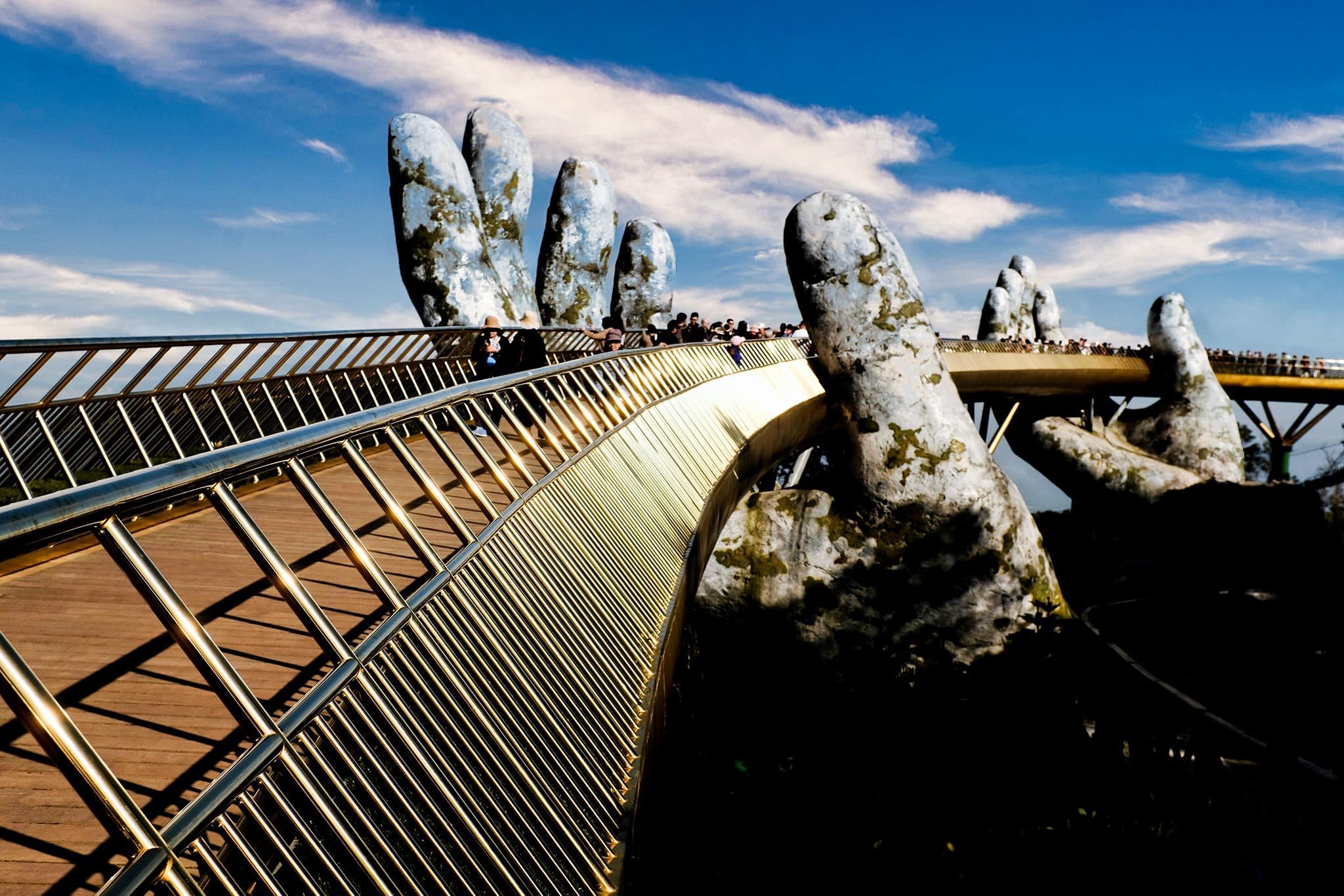
Vietnam’s Climate Overview: North, Central & South
Vietnam stretches over 1,600 km, making its climate incredibly diverse. Understanding the three major weather zones is the key to choosing the right time to visit.
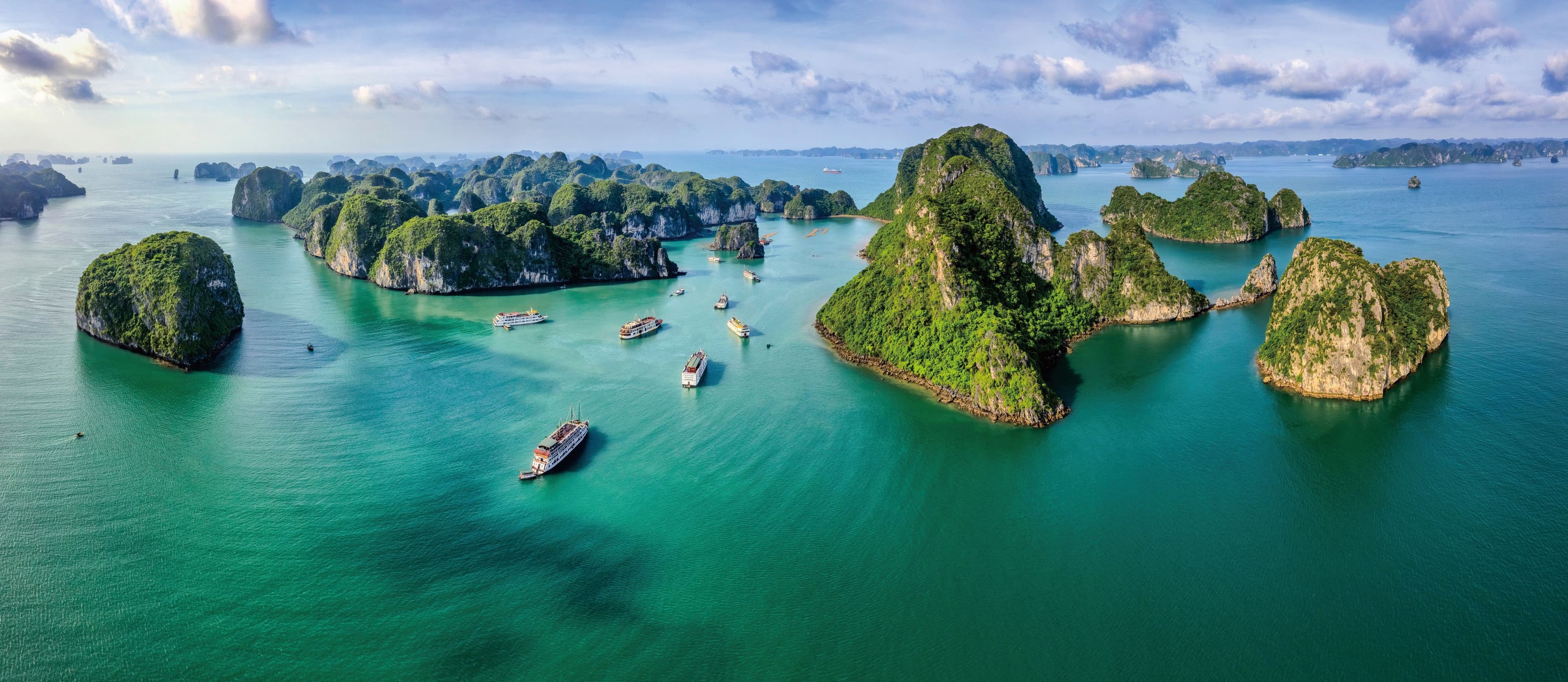
Northern Vietnam (Hanoi, Ha Long, Sapa)
- Climate: Four distinct seasons
- Winter: Cool and sometimes cold (Dec–Feb)
- Summer: Hot and humid with rain (May–Aug)
- Best features: Misty mountains, autumn colors, spring blossoms
Central Vietnam (Hue, Da Nang, Hoi An, Quy Nhon)
- Climate: Hot summers with long beach days
- Storm season: Sep–Nov (typhoons possible)
- Best features: Golden beaches, ancient towns, coastal resorts
Southern Vietnam (Ho Chi Minh City, Mekong Delta, Phu Quoc)
- Climate: Tropical year-round
- Dry season: Dec–Apr (sunny, breezy, ideal)
- Rainy season: May–Nov (short afternoon showers)
- Best features: River cruises, island hopping, fruit seasons
Quick Climate Snapshot
| Region | Best Months | Avoid | Temperature Range |
|---|---|---|---|
| North | Oct–Apr | Jul–Aug heat | 10–35°C |
| Central | Feb–Aug | Sep–Nov storms | 22–38°C |
| South | Dec–Apr | May–Sep rains | 25–35°C |
Best Time to Visit Vietnam by Season
Spring (February – April)
Spring is one of Vietnam’s most pleasant times of year.
- Weather: Mild temperatures, low humidity
- Nature: Blossoms in the north, green landscapes across the country
- Travel vibe: Festive, lively, full of cultural energy
Why visit: Perfect for first-time travelers doing the classic Hanoi–Hoi An–HCMC route.
Key events:
- Post-Tết festivities
- Spring flower markets
- Temple ceremonies and cultural rituals
Summer (May – August)
Summer is beach season in Central Vietnam.
- Weather: Hot, sunny, ideal for swimming
- Best coastline: Da Nang, Hoi An, Quy Nhon, Nha Trang
- North: Lush green mountains
- South: Rain, but often short showers
Why visit: Ideal for resort vacations, snorkeling, island hopping, and family holidays.
Autumn (September – November)
Often rated the best overall time to visit Vietnam.
- Weather: Cool, dry, breezy — especially in the north
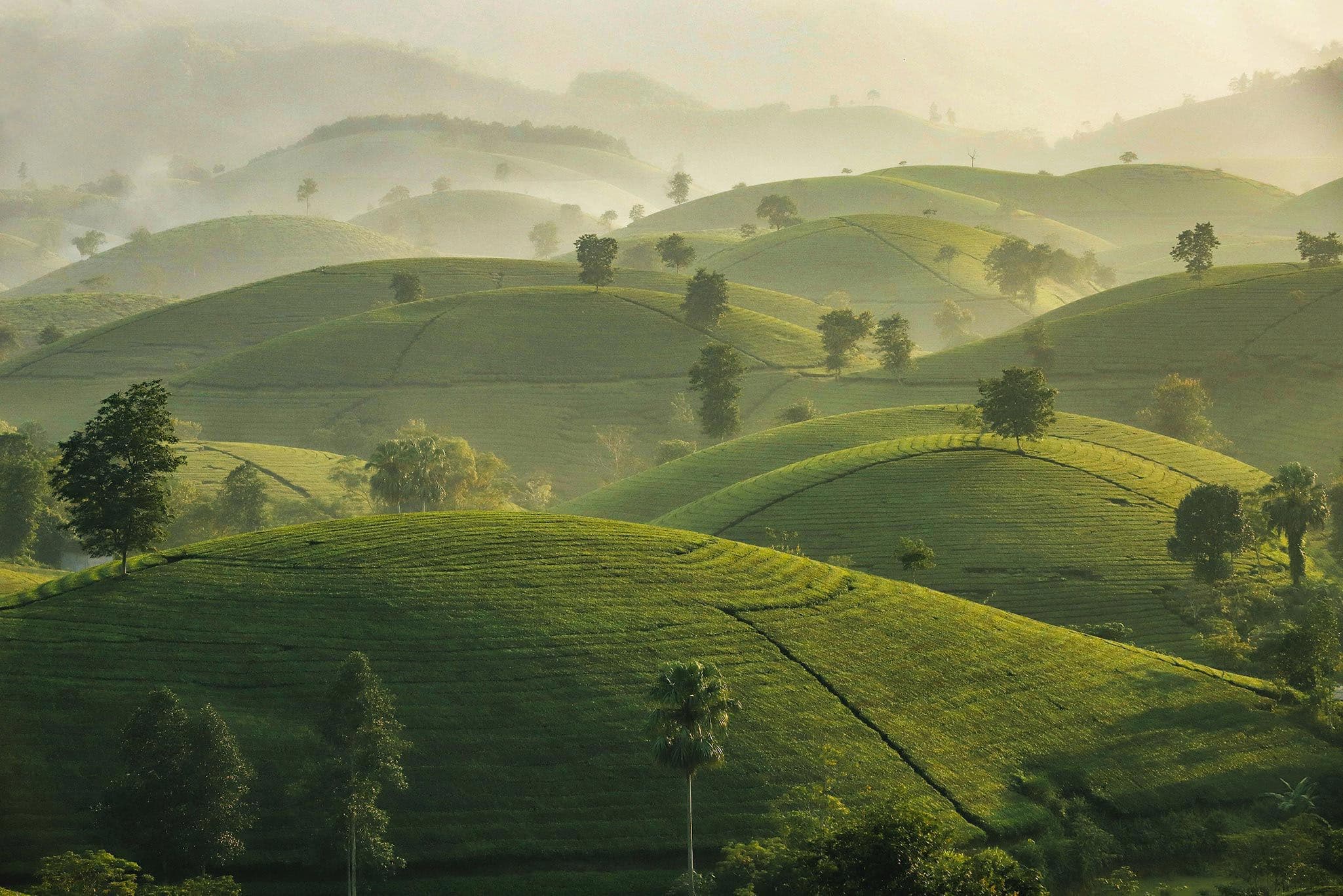
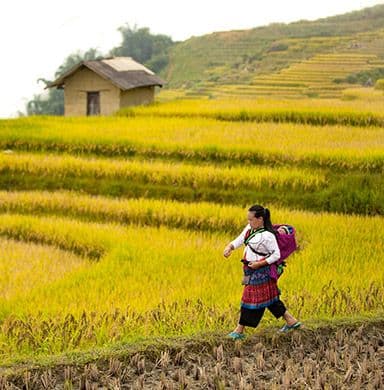
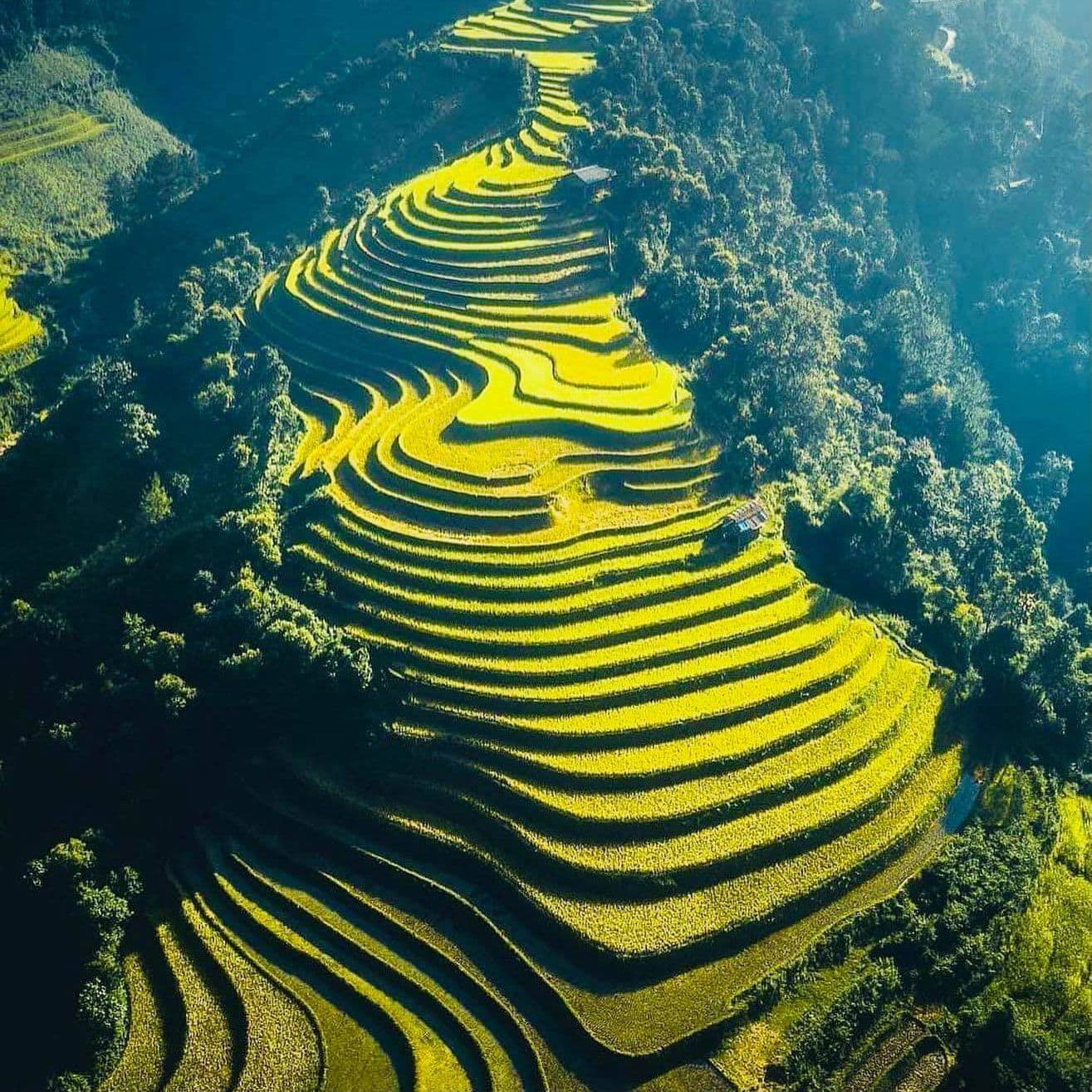
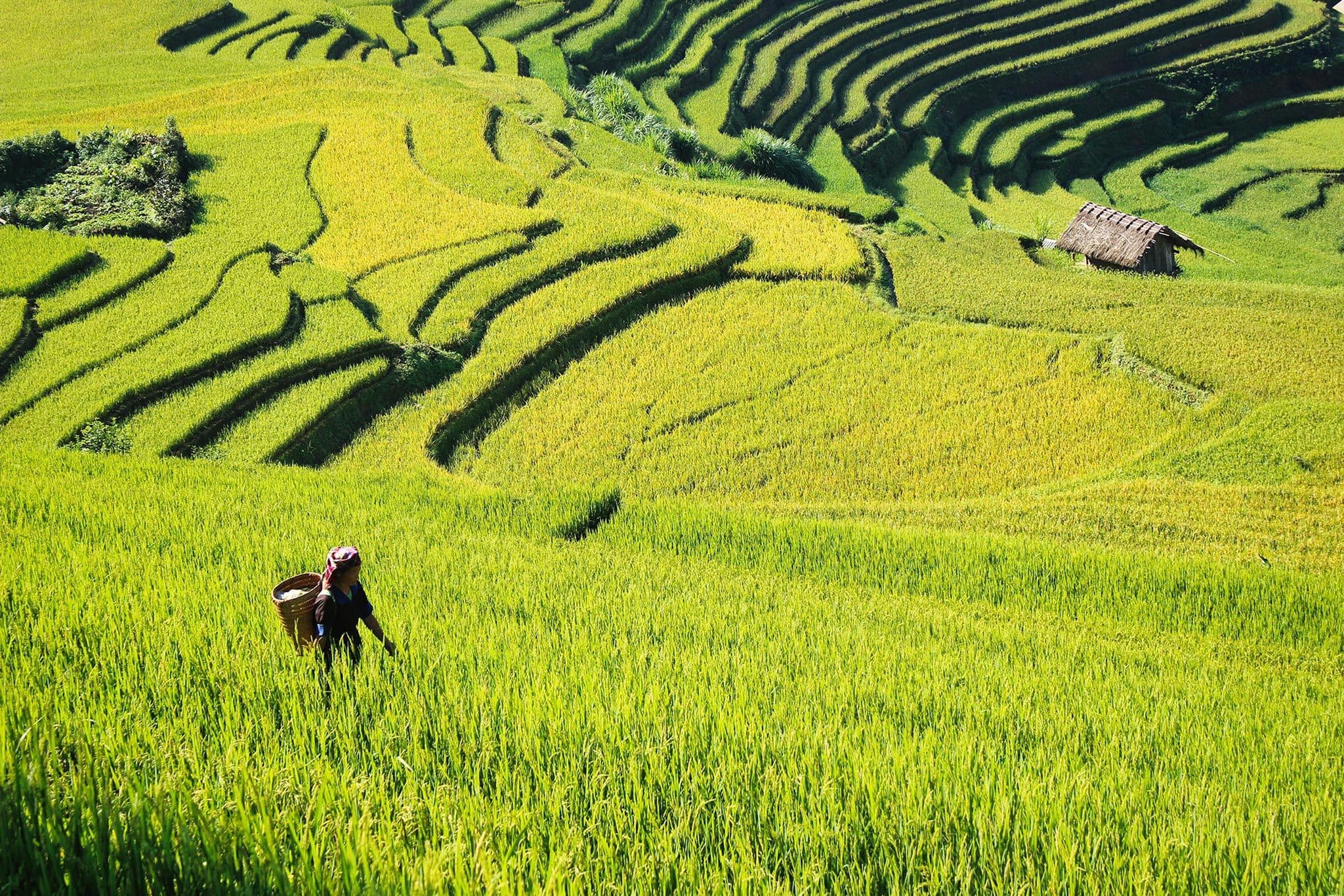
- Scenery: Golden rice terraces in Sapa, Y Ty, Ha Giang, Mu Cang Chai
- Atmosphere: Clear skies, photogenic landscapes
Why visit: Perfect for trekking, photography, and scenic road trips.
Winter (December – January)
A mix of crisp northern winters and tropical southern sunshine.
- North: Cold but atmospheric
- Central: Mild, sometimes rainy
- South: Perfect beach weather
Why visit: Best time for island escapes, Mekong cruises, and cultural experiences in the north.
Month-by-Month Travel Breakdown
January
Cool in the north and sunny in the south. A time of festival preparation and clear skies.
Great for: Hanoi, Ha Long Bay, Mekong Delta.
February
Tết season — Vietnam’s biggest cultural celebration.
Great for: Cultural travelers, heritage lovers. Expect closures for a few days.
March – April
Pleasant weather everywhere.
Great for: North–Central–South itineraries.
May – June
Beginning of beach season, rising temperatures, fewer international crowds.
Great for: Da Nang, Hoi An, island resorts.
July – August
Peak summer holidays; great for beaches but expect crowds.
Great for: Nha Trang, Quy Nhon, Phu Quoc (beginning).
September
Harvest season in the mountains. Golden, photogenic landscapes.
Great for: Ha Giang Loop, Sapa, Mu Cang Chai.
October – November
Cool, dry, and ideal for trekking and photography.
Great for: Hanoi, Ninh Binh, Ha Long, mountain regions.
December
Sunny south, festive cities, beautiful winter landscapes.
Great for: Phu Quoc, Con Dao, Mekong cruises.
Best Time for Different Types of Trips
Beaches & Sunshine
Vietnam’s coastline stretches over 3,000 km, meaning each region has its own peak sun season. For travelers seeking sun, sand, and water sports, timing is everything.
- Best months: February–August
- Top beach destinations:
- Da Nang & Hoi An: Wide golden sands, calm waters, and vibrant beachfront cafes; ideal March–June for fewer crowds.
- Nha Trang: Clear waters for diving and snorkeling; April–July offers sunshine with less rainfall.
- Phu Quoc: Tropical island paradise with calm seas; best November–April for dry weather.
- Quy Nhon & Con Dao: Untouched beaches and coral reefs; April–August is perfect for swimming and boat tours.
Why visit:
- Swim, sunbathe, snorkel, or dive in crystal-clear waters.
- Enjoy long days of sunlight, perfect for photography and water sports.
- Avoid peak typhoon season in Central Vietnam (Sep–Nov).
Travel tips:
- Book resorts early during high season (June–August).
- Consider shoulder months (March–May) for lower rates and quieter beaches.
Cultural Festivals
Vietnam is rich in year-round cultural celebrations that provide a deep immersion into local life. Choosing your travel month around festivals can make your trip truly memorable.
- Tết (Late Jan–Feb): The Vietnamese Lunar New Year is the country’s largest and most important festival. Expect colorful street markets, family gatherings, dragon dances, and flower displays. Northern regions like Hanoi are magical during this period, but some attractions and businesses may close.
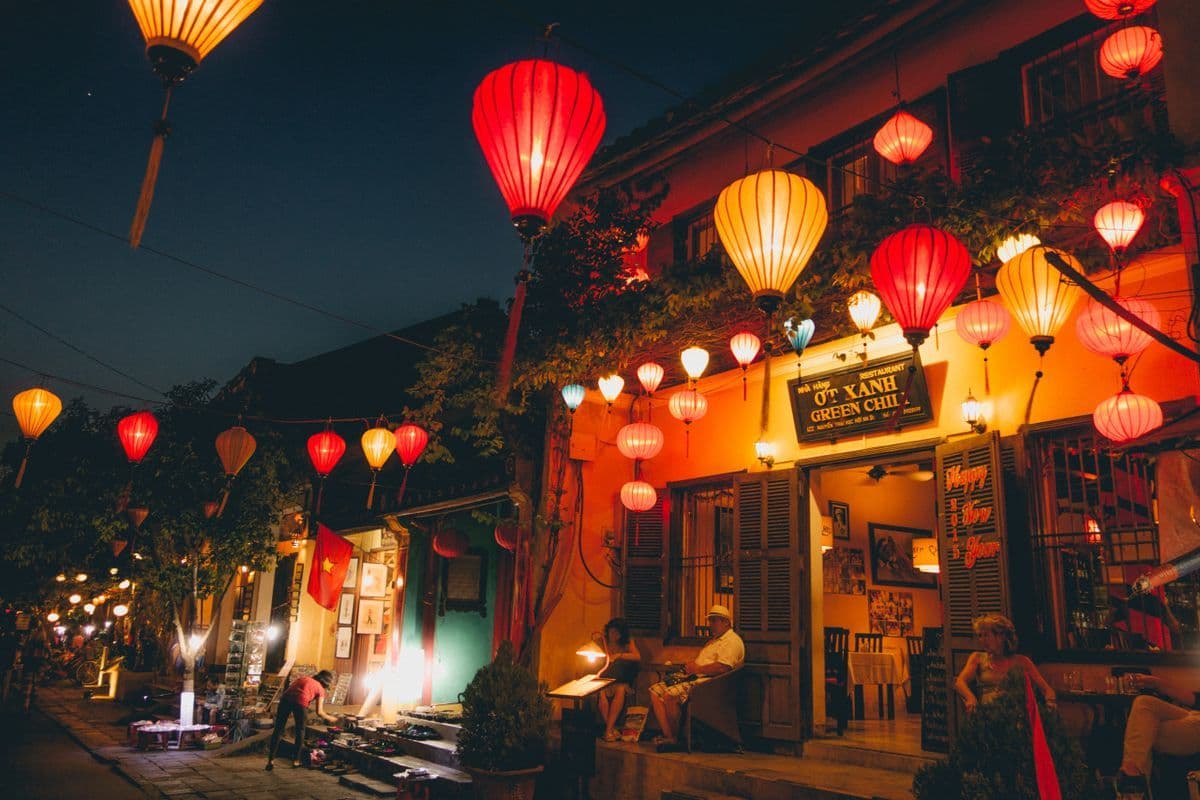
- Mid-Autumn Festival (Sep–Oct): Children parade with lanterns, mooncakes fill bakeries, and cities glow with lantern-lit streets. Great for family-friendly travel.
- Hue Festival (April–June, every 2 years): Traditional music, royal reenactments, and cultural performances celebrate the imperial history of Central Vietnam. Perfect for history and culture enthusiasts.
- Hoi An Lantern Festival (Monthly, full moon): The town’s riverside streets are transformed by floating lanterns, folk music, and local performances. Ideal for photographers and romantic getaways.
- Reunification Day & Labor Day (April 30–May 1): A time of parades and celebrations; heavy domestic tourism requires early bookings.
Why visit: Festivals allow travelers to witness authentic Vietnamese culture, taste seasonal foods, and join local traditions.
Nature & Trekking
For outdoor adventurers, Vietnam’s mountains and rural landscapes offer stunning seasonal changes. Timing your visit ensures optimal trekking conditions and breathtaking scenery.
- Best months: September–November
- Top destinations:
- Sapa: Golden rice terraces in autumn, misty mornings, and moderate temperatures for trekking.
- Ha Giang: Rugged mountain roads with spectacular landscapes; autumn harvest season provides the most photogenic views.
- Ninh Binh: Limestone karsts and boat trips in Tam Coc or Trang An are best in dry months (March–May & Sept–Nov).
- Phong Nha: Caves and national parks are accessible year-round, but dry season ensures safer exploration.
Seasonal highlights:
- Summer (June–Aug) brings lush greenery but occasional rains and slippery trails.
- Autumn showcases golden rice terraces and clear skies, perfect for photography.
Tips:
- Hire local guides for mountain treks.
- Bring layered clothing; mornings and evenings can be chilly.
Budget-Friendly Travel
Vietnam is relatively affordable year-round, but shoulder seasons offer the best combination of low prices, fewer tourists, and good weather.
- Best months:
- May–early June: After spring but before peak summer, hotels and flights are cheaper, especially in Central Vietnam.
- September: Post-typhoon, pre-peak season; fewer tourists and significant discounts.
Why visit:
- Lower hotel rates, cheaper domestic flights, and tour discounts.
- Less crowded attractions, allowing for more immersive experiences.
- Ideal for solo travelers, backpackers, or budget-conscious families.
Travel tips:
- Watch for occasional rains in September; pack waterproof gear.
- Book combo packages (tours + accommodation) for extra savings.
Seasonal Travel Tips for a Smooth Trip
What to Pack
- Spring: Light layers, comfortable shoes
- Summer: Sunscreen, breathable clothing, swimwear
- Autumn: Light jackets, trekking gear
- Winter: Warm layers for northern regions
Avoid Weather Issues
- Check storm forecasts for central Vietnam (Sep–Nov)
- Start early to avoid summer heat
- Book refundable hotels during monsoon months
Booking Tips
- Reserve trains/flights early for Tết
- Book resorts early for July–August
- Choose flexible itineraries during rainy season
Hidden Seasonal Highlights Most Travelers Miss
Cloud Hunting in Y Ty & Ta Xua (Oct–Nov)
Mountaintop seas of clouds—photography heaven.
Water Lily Season in the Mekong Delta (Sept–Nov)
Pink lilies across still waters — stunning boat photography.
Peach & Plum Blossoms in the North (Jan–Feb)
Romantic mountain landscapes similar to northern Japan.
Whale Watching in Binh Thuan & Phu Yen (April–July)
A rare natural spectacle loved by eco-travelers.
FTripVietnam – Your Travel Companion for Every Season
FTripVietnam creates custom, weather-optimized itineraries based on the exact month you travel. Their team monitors real-time conditions such as storms, heat waves, road closures, rice harvest dates, and festival schedules.
Seasonal Specialty Tours
- Ha Giang Loop (best: Sep–Nov)
- Ninh Binh & Ha Long Bay (best: Mar–May, Sep–Nov)
- Central Vietnam beaches (best: May–Aug)
- Mekong Delta & Phu Quoc (best: Dec–Apr)
Benefits
- Local climate experts
- Weather-adaptive planning
- Private drivers & guides
- Curated festival experiences
- 24/7 support for all regions
Get a custom plan tailored to your travel month — stress-free and perfectly timed.
Vietnam Is Magical Year-Round — Choose the Season That Fits You
Vietnam offers something beautiful in every month — from golden rice terraces to glowing lantern festivals to sunny island escapes. By understanding the climate, regional differences, and seasonal highlights, you can plan a trip that perfectly matches your travel interests.
Whether you prefer beaches, mountains, culture, or photography, use this guide to find your ideal travel window.
And when you’re ready, FTripVietnam can design a weather-perfect itinerary tailored just for you.
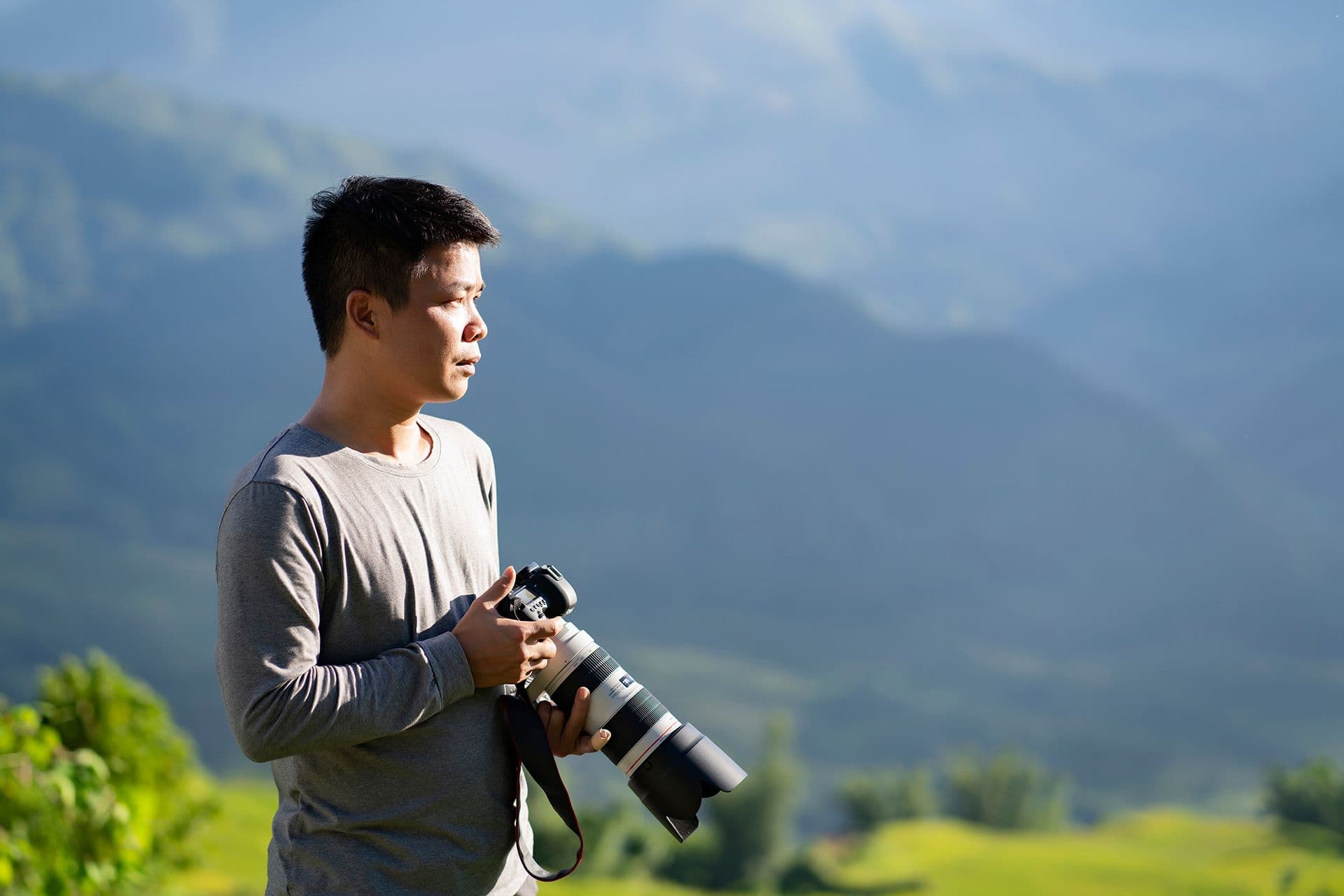
Founder & Photography Guide
Specialties: Culture, landscape, portrait, hiking, active and adventurous tour
Besides my unlimited passion for traveling, a professional tour guide for over a decade, I have been taking photographs since sitting at Hanoi of the University of Culture in the early 2000s. Photography started as a hobby but it was seriously taken due to my work relations and my significant passion for the beauty of our world, especially in Southeast Asian parts such as Vietnam, Laos, Cambodia, and Myanmar.
Within a few years of taking photographs, my works began to be recognized by many reliable international publications such as AFAR Travel, The Times, and The Daily Telegraph newspaper. In addition, I continuously add to my growing profile by winning numerous major awards: 3rd Position of The Independent Photographer 2018, 1st Position of Amateur Photographer of the year 2018, Grand Prize Winner of the AFAR Travel Photography 2019, and a Gold Award of San Francisco Bay International Photography 2020.
I photograph a wide variety of subjects, from travel to landscapes to street scenes. I enjoy documenting the East’s rich cultural heritage and its land soaked in glorious sunrise or sunset light in remote and secluded spots. And, I am very happy to share my knowledge and experience with you. You can visit Luminousvietnamtour to explore tour!