- What Are Small Group Vietnam Tours?
- Why Does Smaller Group Size Create Better Interaction?
- How Can Guided Travel Feel Structured Without Being Overcontrolled?
- How Do Small Group Tours Go Beyond Standard Sightseeing?
- Who Should Choose a Small Group Vietnam Tour?
- Why Are Small Group Tours Good for First-Time Travelers to Vietnam?
- Why Are Small Group Tours Useful for Solo Travelers?
- Why Do Couples and Friends Enjoy Small Group Tours?
- Can Small Group Tours Work for Families and Multi-Generational Travelers?
- Why Choose Small Group Tours for Authentic Local Experiences?
- Benefits of Small Group Vietnam Tours
- Why Are Small Group Tours More Personal Than Large Group Tours?
- How Do Small Groups Offer Better Access to Local Places?
- How Do Small Group Tours Share Costs More Efficiently?
- How Do Small Group Tours Balance Structure and Freedom?
- Best Small Group Vietnam Tour Routes
- Classic Small Group Vietnam Route
- Food and Culture Small Group Route
- Northern Vietnam Local-Life Route
- Central Vietnam Small Group Route
- Southern Vietnam Local Experience Route
- Suggested Small Group Vietnam Tour by Travel Stage
- Stage 1: How Should Travelers Begin with Hanoi Arrival and Cultural Introduction?
- Stage 2: Why Add Ninh Binh Countryside and Scenic Local Life?
- Stage 3: Should Travelers Add Mai Chau or Pu Luong as a Hidden-Gem Extension?
- Stage 4: Why Include Ha Long Bay or Lan Ha Bay Cruise Experience?
- Stage 5: How Does Central Vietnam Add Heritage and Old-Town Atmosphere?
- Stage 6: Why Add Hoi An Countryside, Beach, and Hands-On Experiences?
- Stage 7: How Can Ho Chi Minh City Show Food, History, and Local Neighborhoods?
- Stage 8: Why End with Mekong Delta River Culture and Departure Extension?
- Authentic Local Experiences to Include
- Why Add Small Group Food Walks?
- Why Add Cooking Classes and Market Visits?
- Why Add Craft Workshops and Artisan Visits?
- Why Add Countryside Cycling and Village Walks?
- Why Add Home-Style Meals and Local Hosts?
- Why Add Photography and Local Storytelling?
- Best Vietnam Destinations for Small Group Local Experiences
- Hanoi
- Ninh Binh
- Mai Chau and Pu Luong
- Ha Long Bay and Lan Ha Bay
- Hue
- Hoi An
- Ho Chi Minh City
- Mekong Delta
- How to Choose the Right Small Group Vietnam Tour
- Why Should You Check Group Size?
- Why Review the Itinerary Pace?
- Why Compare Included Experiences?
- Why Does Guide Quality Matter?
- How Should You Match the Tour to Traveler Type?
- Travel Requirements US Travelers Should Prepare
- What Passport and Vietnam Visa Details Matter?
- What Travel Insurance and Health Preparation Should Travelers Consider?
- What Should Travelers Pack for Small Group Travel?
- Cost Factors for Small Group Vietnam Tours
- How Do Group Size and Tour Style Affect Cost?
- How Do Hotels and Room Categories Affect Cost?
- How Do Transport and Domestic Flights Affect Cost?
- How Do Local Experiences and Inclusions Affect Cost?
- Common Mistakes to Avoid When Booking Small Group Vietnam Tours
- Why Plan Small Group Vietnam Tours with FtripVietnam?
- FAQs
- Are small group Vietnam tours worth it?
- What is included in a small group Vietnam tour?
- What are the best destinations for authentic local experiences in Vietnam?
- Can small group Vietnam tours be customized?
- Conclusion
Vietnam is a destination where travelers can experience culture, food, history, nature, countryside, beaches, and daily local life in one journey. From Hanoi’s old streets and Ninh Binh’s limestone scenery to Hoi An’s craft workshops, Lan Ha Bay cruises, Hue’s heritage sites, Ho Chi Minh City’s food culture, and the Mekong Delta’s river communities, Vietnam offers many ways to connect with local life.
Small group Vietnam tours are ideal for travelers who want shared experiences without the crowded feeling of large group tours. They offer the social connection of traveling with others, while still keeping the atmosphere more personal, flexible, and relaxed.
Small groups allow better interaction with local guides, easier access to markets and villages, more flexible pacing, and more meaningful cultural exchange. Travelers can ask questions, join hands-on activities, move through narrow streets more comfortably, and experience local spaces without overwhelming them.
Authentic local travel should include more than sightseeing. It should include food walks, workshops, family-style meals, countryside routes, craft villages, local markets, community-based activities, and guided conversations about daily life.
FtripVietnam helps travelers design small group Vietnam tours with authentic experiences, smooth logistics, suitable hotels, local guides, special meal support, and flexible pacing.
What Are Small Group Vietnam Tours?
Why Does Smaller Group Size Create Better Interaction?
Small group tours usually feel more personal than large coach tours. Travelers can ask more questions, interact naturally with the guide, and learn more deeply about culture, food, history, and daily life.
Smaller groups are also easier to manage in markets, old towns, countryside villages, food stops, local homes, and small workshops. Instead of feeling like part of a large crowd, travelers can move at a more comfortable pace.
The experience often feels more relaxed and less rushed. Travelers can still enjoy social connection while keeping a comfortable level of privacy.
A smaller group does not automatically guarantee authenticity, but it creates a better setting for meaningful local interaction.
How Can Guided Travel Feel Structured Without Being Overcontrolled?
Small group tours provide structure, local guidance, and planned logistics. Travelers do not need to manage every transfer, hotel, domestic route, or activity by themselves.
At the same time, a good small group tour should not feel overcontrolled. Travelers should still have time for cafés, markets, photography, shopping, rest, and personal exploration.
The itinerary should avoid back-to-back full-day touring every day. A strong route balances guided experiences with personal time, especially in places such as Hanoi, Hoi An, Da Nang, Ho Chi Minh City, and beach destinations.
This style works well for solo travelers, couples, friends, families, and first-time visitors who want guidance without losing flexibility.
How Do Small Group Tours Go Beyond Standard Sightseeing?
Small group tours can include food walks, cooking classes, local workshops, boat rides, craft villages, countryside cycling, and home-style meals. These experiences allow travelers to understand Vietnam beyond famous landmarks.
Authentic experiences should feel natural, respectful, and connected to local communities. They should not feel like staged performances designed only for tourists.
Local guides can explain daily life, customs, food culture, family traditions, and regional differences. Small groups can often visit smaller local spaces more comfortably than large groups.
The goal is to understand Vietnam, not only photograph famous places.
Who Should Choose a Small Group Vietnam Tour?
Why Are Small Group Tours Good for First-Time Travelers to Vietnam?
Small group tours are good for first-time travelers who want local guidance and smoother logistics. Vietnam can feel exciting but unfamiliar at first, especially for travelers navigating traffic, food, regional weather, domestic transport, and local customs for the first time.
Small groups make Vietnam easier to navigate without losing personal interaction. Guides can explain culture, food, traffic, etiquette, history, and daily life in a way that feels approachable.
Travelers can experience key highlights with more confidence. This style works especially well for 10-14 day first-time Vietnam trips that include northern, central, and southern Vietnam.
Why Are Small Group Tours Useful for Solo Travelers?
Small group tours offer social connection without requiring solo travelers to travel alone every day. Travelers can share meals, activities, transfers, and guided experiences with others.
The group format adds reassurance in a new destination. It can make food walks, countryside routes, and evening activities feel easier and more enjoyable.
Solo travelers still get free time for independent discovery. They can join group activities when they want connection and use personal time for cafés, photos, shopping, or rest.
Small group tours can also be more cost-effective than a fully private tour.
Why Do Couples and Friends Enjoy Small Group Tours?
Couples and friends can enjoy local experiences while meeting like-minded travelers. Small group tours often feel more intimate than large group packages because the atmosphere is more conversational.
Shared activities such as cooking classes, food tours, boat rides, craft workshops, and countryside cycling can create memorable moments. Free time allows couples or friends to enjoy private meals, photos, shopping, or relaxation.
This style works well for culture, food, photography, and soft-adventure travelers who want both connection and personal space.
Can Small Group Tours Work for Families and Multi-Generational Travelers?
Small group tours can work for families when the itinerary is not too fast. Family-friendly activities may include cooking classes, lantern workshops, boat rides, beaches, food walks, craft activities, and countryside cycling.
Private or customized small group versions can better support children and grandparents. Families often need flexible meals, rest time, private or comfortable transport, and activities that match different ages.
Families should check group size, hotel style, activity difficulty, room options, and daily pacing before booking. A small group tour can be rewarding when it supports both children and adults.
Why Choose Small Group Tours for Authentic Local Experiences?
Small group tours are best for travelers who want food, craft, countryside, markets, village life, and regional stories. Smaller groups make it easier to visit local eateries, artisan workshops, market alleys, river communities, and family-style meal settings.
Local experiences feel stronger when guided by people who understand the community. A good guide can explain what travelers are seeing, why it matters, and how to interact respectfully.
This style suits travelers who prefer depth over rushing through attractions. It works well for photography, food, culture, and slow-travel interests.
Benefits of Small Group Vietnam Tours
Why Are Small Group Tours More Personal Than Large Group Tours?
Smaller group sizes allow more guide attention. Travelers can ask questions, discuss local stories, and learn more deeply about the places they visit.
Movement through markets, streets, boats, villages, and workshops feels easier. The atmosphere is more relaxed and conversational.
Travelers are less likely to feel like they are being moved from stop to stop. Instead, they can experience the journey with more space for interaction and observation.
This personal feeling is one of the biggest advantages of small group travel.
How Do Small Groups Offer Better Access to Local Places?
Small groups can visit family homes, small workshops, local eateries, narrow alleys, countryside routes, and community spaces more comfortably than large groups.
They can join activities that may not fit large coach tours. Local guides can introduce travelers to vendors, artisans, cooks, farmers, and community hosts.
This creates a more natural sense of connection. However, authenticity depends on careful experience selection, not only group size.
The best local experiences should feel respectful, small-scale, and relevant to the destination.
How Do Small Group Tours Share Costs More Efficiently?
Small group tours share guide, vehicle, and activity costs across travelers. This can make them more affordable than fully private tours while still offering better quality and flexibility than large group packages.
Travelers can still benefit from planned hotels, transport, domestic flights, guides, entrance fees, cruises, and local experiences.
Shared logistics reduce planning stress. This makes small group travel a good middle ground between independent travel and private luxury travel.
For many travelers, it offers strong value without losing cultural depth.
How Do Small Group Tours Balance Structure and Freedom?
A strong small group tour gives travelers a clear route and professional guidance while keeping enough free time. Personal exploration can be added in Hanoi, Hoi An, Da Nang, Ho Chi Minh City, and beach destinations.
The best itineraries do not overplan every hour. Travelers should have time for cafés, markets, photos, shopping, rest, and personal interests.
This balance helps the trip feel authentic instead of forced. Travelers can enjoy both group connection and personal discovery.
Best Small Group Vietnam Tour Routes
Classic Small Group Vietnam Route
A classic small group Vietnam route can include Hanoi, Ninh Binh, Ha Long Bay or Lan Ha Bay, Hoi An, Da Nang, Ho Chi Minh City, and the Mekong Delta.
This route is best for first-time travelers who want Vietnam’s key highlights with authentic local touches. It includes culture, food, countryside, cruising, old-town charm, beach time, and southern river life.
It works well for around 10-12 days. The route can be adapted for couples, solo travelers, families, friends, and first-time visitors.
Food and Culture Small Group Route
A food and culture small group route can include Hanoi, Hue, Hoi An, Ho Chi Minh City, and the Mekong Delta. This is best for travelers who love food, heritage, markets, cooking classes, and local neighborhoods.
Experiences can include Hanoi food walks, Hue regional cuisine, Hoi An cooking classes, southern street food, craft workshops, market visits, and home-style meals.
This route works well for travelers who want deeper cultural interaction instead of only scenic highlights.
Northern Vietnam Local-Life Route
A northern Vietnam local-life route can include Hanoi, Ninh Binh, Mai Chau or Pu Luong, and Lan Ha Bay. This is best for travelers who want countryside, rice fields, limestone scenery, village life, and scenic nature.
Experiences can include boat rides, light cycling, local meals, community stays, and photography stops. It is good for active travelers and slow-travel groups.
Private or small group transfers can make this route smoother, especially when visiting rural areas.
Central Vietnam Small Group Route
A Central Vietnam small group route can include Hue, Da Nang, Hoi An, My Son, and Hoi An countryside. This is best for travelers who want heritage, beaches, workshops, food, and easier logistics.
The route can include garden houses, ancient towns, craft villages, lantern workshops, cooking classes, and beach relaxation. It works well for shorter Vietnam trips.
Central Vietnam is suitable for couples, seniors, families, and culture-focused travelers because destinations connect well by road.
Southern Vietnam Local Experience Route
A southern Vietnam local experience route can include Ho Chi Minh City, Cu Chi, the Mekong Delta, Phu Quoc, or Con Dao. This route is best for travelers who want city energy, river life, markets, tropical weather, and beach relaxation.
Experiences can include food tours, canals, fruit gardens, local workshops, island stays, and seafood. It is good for travelers who prefer warmer weather and a softer route.
This route can also be combined with Central Vietnam if time allows.
Suggested Small Group Vietnam Tour by Travel Stage
Stage 1: How Should Travelers Begin with Hanoi Arrival and Cultural Introduction?
The journey can begin in Hanoi, where travelers settle into the first hotel and ease into Vietnam’s rhythm. The first experience should stay gentle, especially after a long flight.
A short walk, local dinner, or coffee stop can help travelers adjust. With a local guide, the group can explore Hoan Kiem Lake, the Old Quarter, temples, markets, cafés, and cultural landmarks.
A small group food walk is a strong way to introduce Vietnamese flavors in a comfortable way. Hidden alleys, traditional craft streets, small local eateries, and quiet café corners can make Hanoi feel more personal.
This stage helps travelers adjust to Vietnam while building group connection.
Stage 2: Why Add Ninh Binh Countryside and Scenic Local Life?
From Hanoi, the group can travel to Ninh Binh by private vehicle or small group transfer. Ninh Binh offers limestone scenery, rivers, rice fields, pagodas, and countryside roads.
Travelers can enjoy a Trang An or Tam Coc boat ride through dramatic landscapes. Local temples, pagodas, village roads, rice fields, short cycling routes, and local-style lunches can also be included.
The pace should be easy enough for different traveler types. This stage gives the group a strong nature and countryside experience without difficult trekking.
Stage 3: Should Travelers Add Mai Chau or Pu Luong as a Hidden-Gem Extension?
Mai Chau or Pu Luong can add rice fields, valley scenery, village life, and a quieter atmosphere. Mai Chau is better for softer cultural encounters and easier pacing, while Pu Luong offers more dramatic rice terraces and nature-focused scenery.
Small groups work well here because they can move respectfully through local communities. Experiences may include light walking, local meals, stilt-house villages, scenic viewpoints, and photography stops.
This stage adds hidden-gem value beyond standard Vietnam routes.
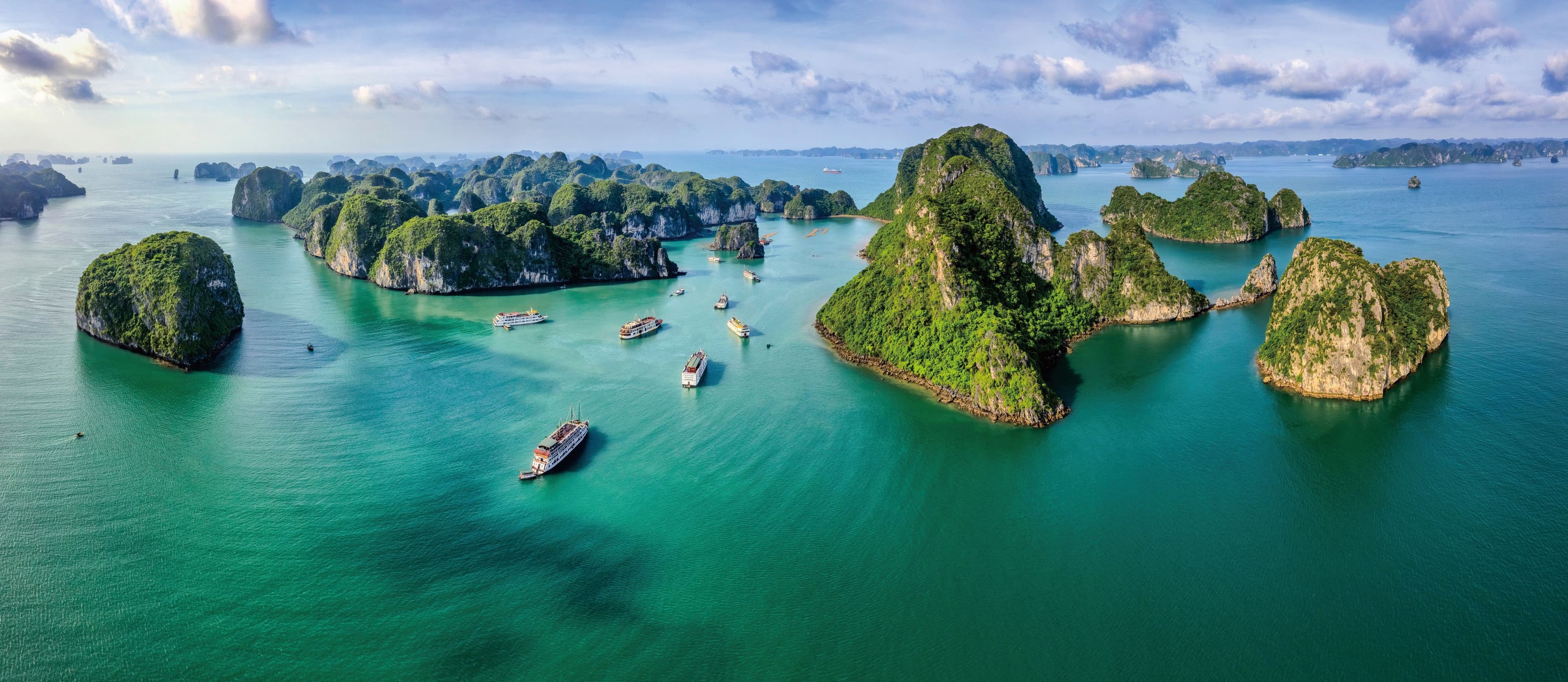
Stage 4: Why Include Ha Long Bay or Lan Ha Bay Cruise Experience?
Ha Long Bay or Lan Ha Bay creates a shared scenic highlight for the group. Travelers can transfer to the bay for a cruise that matches the group’s comfort level, cabin needs, route preference, and activity style.
The cruise may include limestone islands, kayaking, caves, seafood, sunset views, and quiet bay scenery. Lan Ha Bay can feel softer depending on cruise route and boat selection.
Activities should be optional so travelers can relax or join based on energy level. Cruise quality should be reviewed carefully before booking.
Stage 5: How Does Central Vietnam Add Heritage and Old-Town Atmosphere?
Central Vietnam can include Hue, Da Nang, and Hoi An. If Hue is included, travelers can explore the Imperial City, royal tombs, garden houses, and local cuisine.
The transfer from Hue to Hoi An can include scenic stops such as Hai Van Pass, Lang Co, or Lap An Lagoon. In Hoi An, travelers can enjoy the ancient town, lantern streets, riverside cafés, and local shops.
A small group lantern workshop, cooking class, or craft village experience can make this stage more interactive. Central Vietnam brings heritage, creativity, food, and soft romance into the journey.
Stage 6: Why Add Hoi An Countryside, Beach, and Hands-On Experiences?
Hoi An countryside, Cam Thanh, Tra Que, and nearby villages are ideal for hands-on local experiences. Travelers can add cooking classes, basket boat rides, farming experiences, pottery, tailoring, cycling, or craft visits.
Free time should be included for cafés, shopping, tailoring, beach visits, photography, and rest. The group pace should stay flexible so travelers do not feel overscheduled.
Da Nang beach or a wellness break can be added if the route includes relaxation. This stage helps the tour feel local, interactive, and comfortable.
Stage 7: How Can Ho Chi Minh City Show Food, History, and Local Neighborhoods?
Ho Chi Minh City introduces southern Vietnam’s urban energy. Travelers can explore markets, cafés, historic sites, street food, and local neighborhoods with a guide.
A small group evening food tour or scooter-free walking food route can work well depending on comfort level. Selected history sites can be included without making the day too heavy.
A central hotel makes it easier to access restaurants, cafés, and evening activities. This stage introduces southern Vietnam through food, stories, and daily life.
Stage 8: Why End with Mekong Delta River Culture and Departure Extension?
A small group day trip or overnight extension to the Mekong Delta can close the journey with local river life. Travelers can visit canals, fruit gardens, local workshops, riverside communities, and family-style meal settings.
Routes should be chosen carefully to avoid overly touristy stops. Cycling, boat rides, market visits, or craft activities can be added if suitable.
Travelers can return to Ho Chi Minh City for departure or continue to a beach extension. This stage gives the journey a slower cultural ending.
Authentic Local Experiences to Include
Why Add Small Group Food Walks?
Small group food walks allow travelers to explore local dishes, markets, cafés, and street food with a guide. Routes should be manageable, comfortable, and matched to the group’s interests.
Food choices can be adjusted for spice level, allergies, vegetarian needs, Muslim needs, Judaism travel support, or other dietary preferences. Hanoi, Hue, Hoi An, and Ho Chi Minh City are strong destinations for food walks.
Food experiences help travelers understand daily life through local flavor.
Why Add Cooking Classes and Market Visits?
Cooking classes with local chefs or families help travelers learn about herbs, noodles, rice paper, sauces, fresh ingredients, and home-style cooking. Hoi An is one of the most comfortable places for small group cooking classes.
Classes should be hands-on rather than only demonstrations. Market visits can be included to explain ingredients and local shopping habits.
These experiences work well for couples, families, solo travelers, and food lovers.
Why Add Craft Workshops and Artisan Visits?
Craft workshops and artisan visits can include lantern making, pottery, incense making, weaving, farming, tailoring, or traditional music. Small groups allow better interaction with artisans.
Workshops create memories beyond sightseeing. They should feel respectful and not overly staged.
These experiences are especially good for creative travelers, families, and culture-focused groups.
Why Add Countryside Cycling and Village Walks?
Light cycling can be added in Ninh Binh, Hoi An countryside, Mai Chau, Pu Luong, or the Mekong Delta. Routes should be easy, scenic, and include rest stops.
Village walks should be guided respectfully. Travelers can see rice fields, gardens, rivers, local homes, and daily routines.
Activity level should match the group’s comfort. The goal is connection, not physical difficulty.
Why Add Home-Style Meals and Local Hosts?
Home-style meals with local families, community hosts, or small local restaurants help travelers understand regional cooking and hospitality.
Dietary needs should be confirmed in advance. These meals should feel natural and comfortable, not staged or rushed.
Small groups are better suited for intimate local meal settings than large groups.
Why Add Photography and Local Storytelling?
Guided photography routes can include markets, rice fields, old towns, fishing areas, temples, and river communities. Early morning or late afternoon timing gives softer light and fewer crowds.
Guides can help travelers understand the local stories behind the scenes. Photography should be respectful, especially when people are involved.
This experience is good for creative travelers and culture lovers.
Best Vietnam Destinations for Small Group Local Experiences
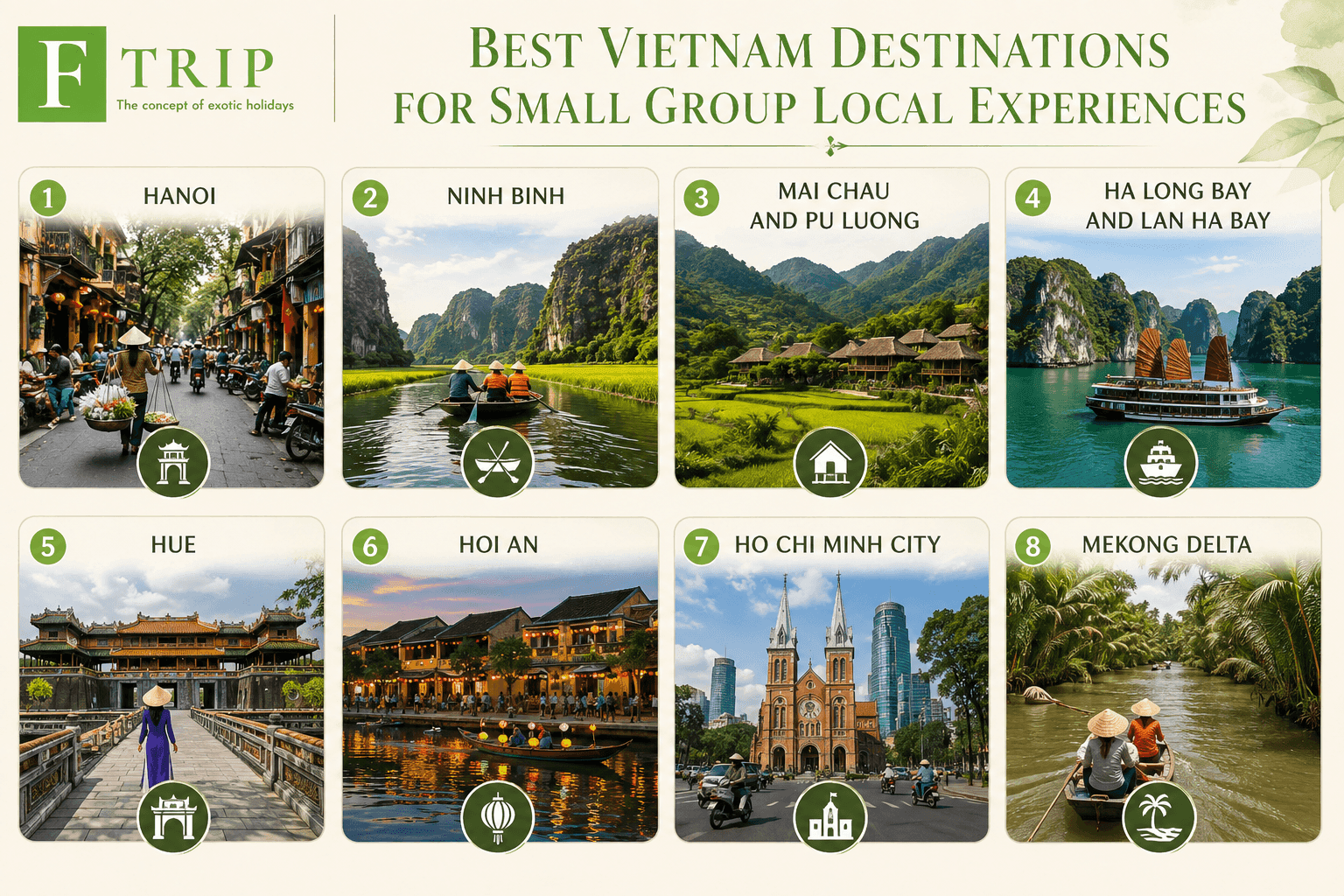
Hanoi
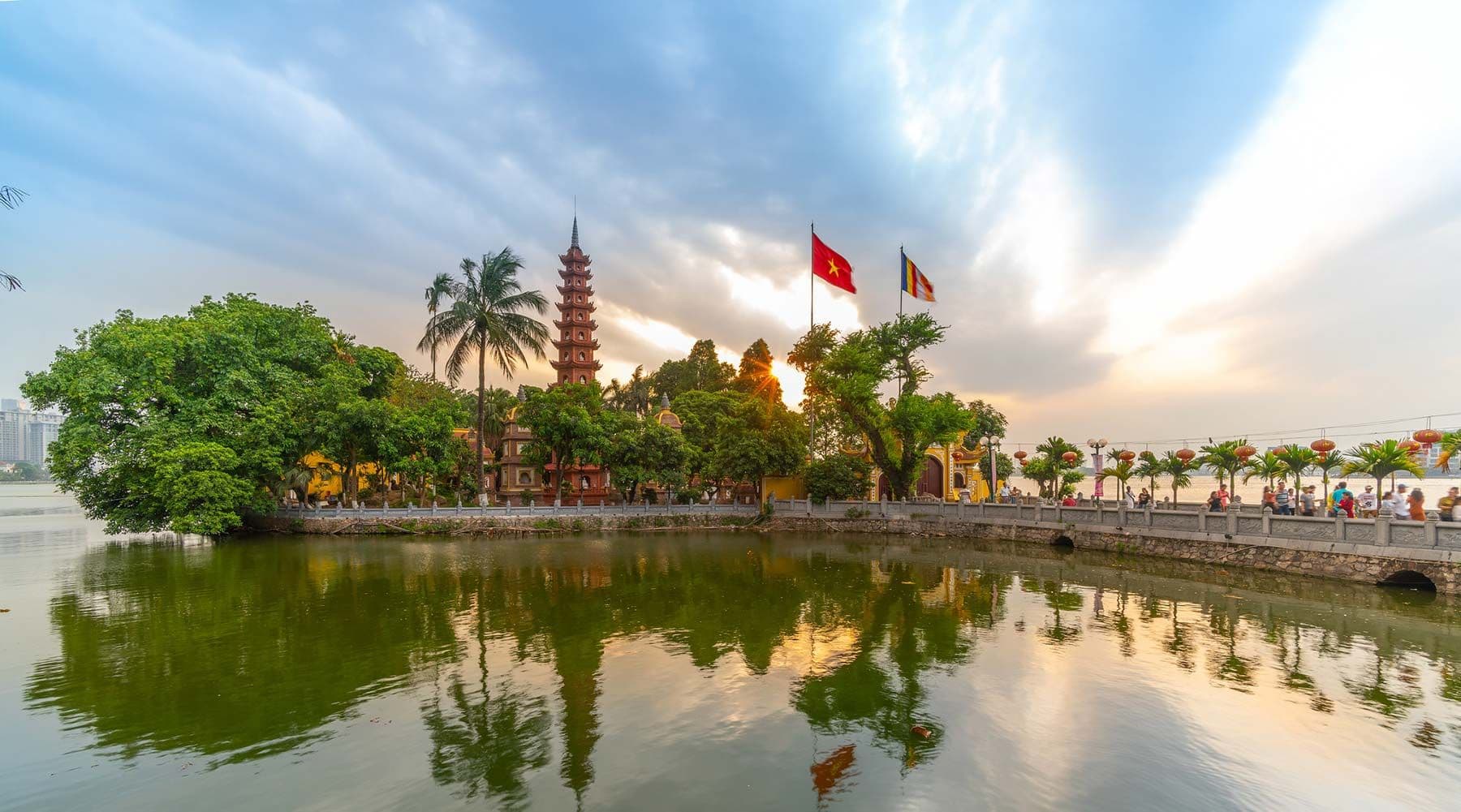
Hanoi is good for food walks, old streets, markets, temples, cafés, craft streets, and cultural landmarks. Small groups can explore alleys and local eateries more easily than large tours.
A private or small group guide adds context to history and food. Hanoi works well as the first destination after arrival and connects easily with Ninh Binh, Ha Long Bay, or Lan Ha Bay.
Ninh Binh
Ninh Binh is good for boat rides, limestone scenery, cycling, village roads, rice fields, and local meals. Small groups can enjoy countryside routes without overwhelming local spaces.
It is suitable for photography and soft adventure. Private or small group transfers improve comfort, while overnight stays create a calmer experience.
Mai Chau and Pu Luong
Mai Chau and Pu Luong are good for rice fields, local villages, scenic valleys, light walking, and community-style meals. Small groups are more respectful and manageable in village settings.
These destinations suit travelers who want hidden-gem experiences. Activity level should be planned carefully.
They work well for slow travel and photography.
Ha Long Bay and Lan Ha Bay
Ha Long Bay and Lan Ha Bay are good for cruises, kayaking, caves, seafood, and shared scenic moments. Small group travelers should compare cruise quality carefully.
Lan Ha Bay can feel softer depending on route and boat selection. Activities should remain optional based on comfort.
This stage works well between northern and central Vietnam.
Hue
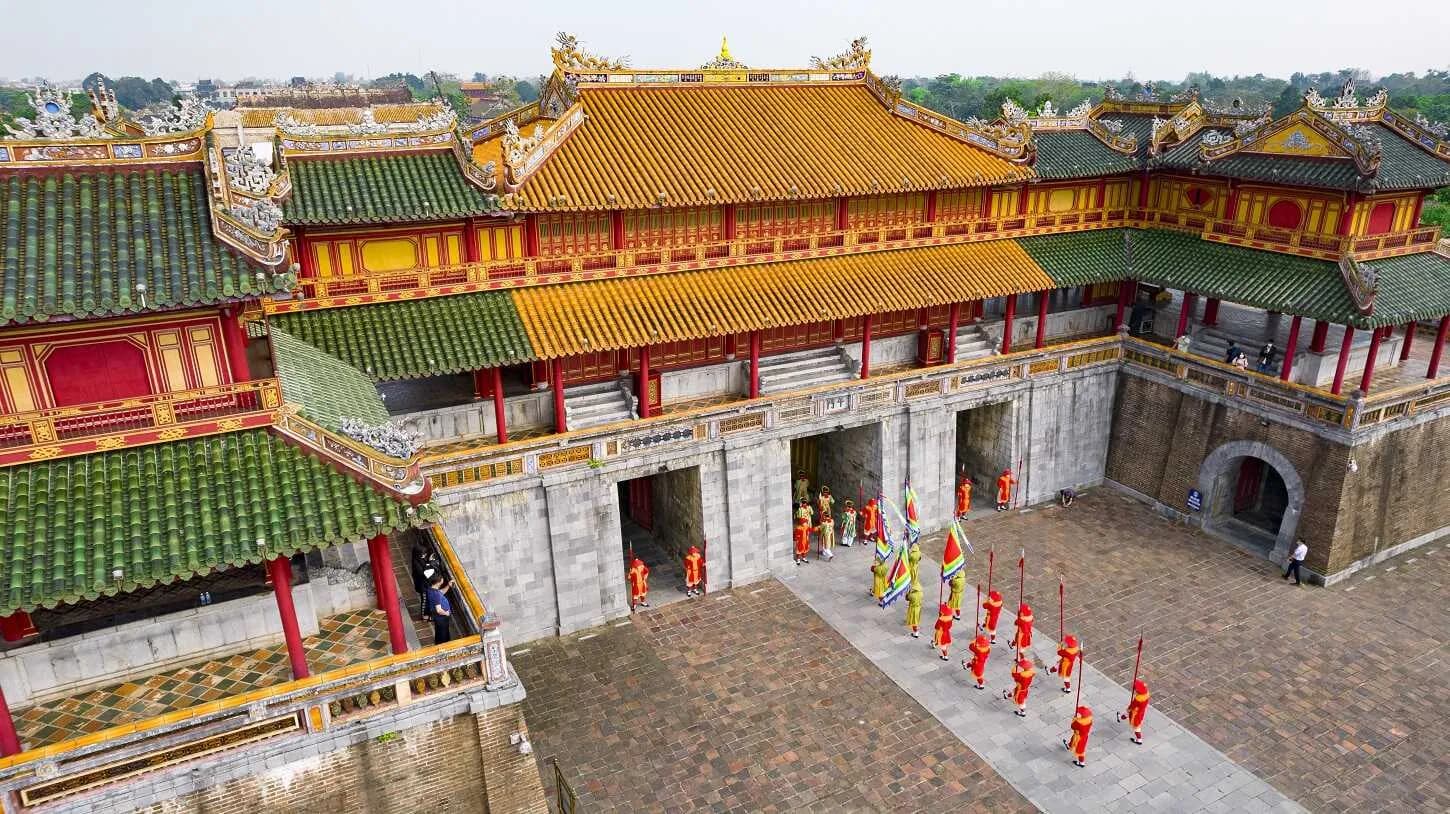
Hue is good for imperial heritage, garden houses, pagodas, local cuisine, markets, and craft villages. Small groups can enjoy deeper guide explanation and slower cultural pacing.
Incense-making villages, local meals, and quiet countryside stops can be added. Hue is especially good for travelers interested in history and food.
Hoi An
Hoi An is one of Vietnam’s strongest destinations for small group local experiences. It offers cooking classes, lantern workshops, countryside cycling, basket boats, cafés, tailor shops, and ancient town walks.
Small groups can enjoy interactive activities without feeling crowded. Hoi An works well for couples, families, solo travelers, and culture lovers.
Free time is important because Hoi An is best enjoyed slowly.
Ho Chi Minh City
Ho Chi Minh City is good for food tours, markets, cafés, museums, historic sites, and local neighborhoods. Small groups can explore food streets and café culture more comfortably.
Reliable transport is useful because traffic can feel busy. The city works well as a final stop before departure and connects naturally with the Mekong Delta.
Mekong Delta
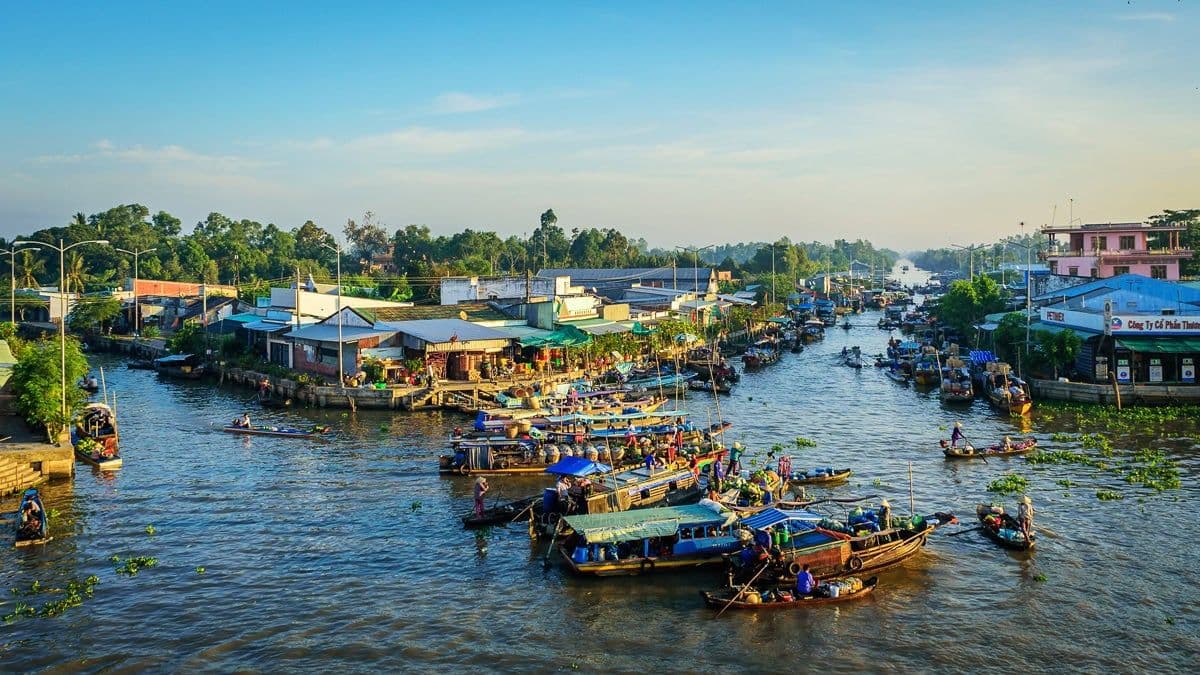
The Mekong Delta is good for canals, fruit gardens, boat rides, home-style meals, local workshops, and riverside communities. Small groups fit better in local homes and boats than large group tours.
Routes should avoid overly commercialized stops. Overnight stays can create a deeper experience if the schedule allows.
This is a strong region for travelers who want southern local life.
How to Choose the Right Small Group Vietnam Tour
Why Should You Check Group Size?
Smaller group size usually creates better interaction and flexibility. Travelers should ask how many people will join the tour and whether transfers, meals, or activities are shared with other groups.
Very large groups may feel less authentic, even if the itinerary says “local experiences.” Private small group options can be better for families, friends, or special-interest travelers.
Group size affects comfort, pacing, and the quality of interaction.
Why Review the Itinerary Pace?
Travelers should avoid itineraries with too many one-night stays. Transfer time between destinations should be clear.
Free time in key places such as Hanoi, Hoi An, Da Nang, and Ho Chi Minh City is important. Local experiences should not be packed too tightly.
Authentic travel needs space to breathe. A slower itinerary often creates better memories than a longer checklist.
Why Compare Included Experiences?
Travelers should check whether food tours, cooking classes, workshops, cruises, entrance fees, guides, meals, and transfers are included.
They should look for real local experiences, not only sightseeing stops. Workshops should be hands-on when possible. Cruise quality and hotel names should be reviewed carefully.
Comparing inclusions is more useful than comparing price alone.
Why Does Guide Quality Matter?
A knowledgeable local guide can turn a simple route into a meaningful experience. Guides should explain culture, food, history, etiquette, and daily life clearly.
Small group guides should be flexible and attentive. For food or cultural tours, guide quality is especially important.
Strong guiding is central to authentic travel because it helps travelers understand what they are seeing.
How Should You Match the Tour to Traveler Type?
Solo travelers may prefer social and balanced routes. Couples may want more boutique stays and free time. Families need flexible meals and child-friendly activities. Seniors need slower pacing and comfortable transport.
Food lovers, photographers, and culture-focused travelers should choose experience-rich routes. The best small group tour is the one that matches the traveler’s real style.
Travel Requirements US Travelers Should Prepare
What Passport and Vietnam Visa Details Matter?
US travelers need a valid passport and Vietnam visa or e-visa. The U.S. Department of State lists Vietnam’s passport requirement as six months’ validity beyond arrival and one blank page per stamp, and states that a visa is required for US travelers.
Vietnam e-visas can be valid for up to 90 days, with single or multiple entry options. Vietnam’s official e-visa system lists the fee as US$25 for single entry and US$50 for multiple entry.
Visa details should match passport information exactly. Travelers should apply early and print approved visa documents before departure.
What Travel Insurance and Health Preparation Should Travelers Consider?
Travel insurance is strongly recommended for Vietnam trips. Coverage should include medical care, cancellation, delays, lost luggage, cruises, and planned activities.
Travelers should prepare prescription medicine and basic first aid. Health preparation should match the itinerary, season, and activity level.
CDC recommends that travelers to Vietnam be up to date on routine vaccines and recommends hepatitis A vaccination for unvaccinated travelers going to Vietnam. Travelers should consult a doctor or travel clinic based on personal health history and travel plans.
Small group travelers should still plan for personal medical and dietary needs.
What Should Travelers Pack for Small Group Travel?
Travelers should pack lightweight clothing, comfortable walking shoes, modest clothing for temples and pagodas, rain protection depending on season, sunscreen, sunglasses, a hat, insect repellent, and a practical day bag for markets, walks, and boat trips.
A reusable bottle, medication, chargers, adapter, power bank, and SIM or eSIM plan are also useful. Printed visa documents, passport copy, insurance details, and itinerary should be kept in carry-on luggage.
Packing should match the route, season, and activity level.
Cost Factors for Small Group Vietnam Tours
How Do Group Size and Tour Style Affect Cost?
Smaller groups may cost more than large coach tours because guide attention, transport quality, and activity selection are often better. Private small groups can cost more but offer more flexibility.
Shared small group tours can balance cost and experience quality. Prices vary based on hotels, guides, activities, transport, domestic flights, and cruise level.
Travelers should compare value, not just the lowest price.
How Do Hotels and Room Categories Affect Cost?
Accommodation level strongly affects cost. Boutique hotels, 4-star hotels, resorts, and luxury cruises increase the budget.
Central locations can save time and improve comfort. Room type also matters for couples, families, and solo travelers.
Exact hotel names should be checked before booking. A vague hotel category is not enough to compare value.
How Do Transport and Domestic Flights Affect Cost?
Domestic flights help save time on longer routes, especially north-to-central or central-to-south journeys. Private or small group vehicles improve comfort and flexibility.
Shared buses are cheaper but may reduce comfort and scheduling control. Airport transfers, luggage handling, and route design also affect the overall experience.
Efficient transport makes small group travel smoother.
How Do Local Experiences and Inclusions Affect Cost?
Cooking classes, workshops, cruises, food tours, and local meals affect the price. Higher-quality experiences often create better value.
Cheap tours may exclude key activities or use overly commercial stops. Transparent inclusions help avoid surprise costs.
Authentic local experiences should be carefully selected, not added only for marketing.
Common Mistakes to Avoid When Booking Small Group Vietnam Tours
Travelers should avoid choosing a tour only because it is cheap. A low price may mean larger group size, weaker hotels, rushed pacing, fewer inclusions, or less meaningful local experiences.
Other common mistakes include not checking actual group size, booking an itinerary with too many destinations and not enough free time, assuming every “local experience” is authentic, not reviewing hotel names and cruise quality, ignoring transfer times, joining food tours without mentioning allergies or dietary needs, and booking domestic flights too tightly.
Travelers should also check visa requirements, passport validity, travel insurance, guide quality, and local support before booking.
A good small group tour should feel personal, comfortable, and connected to Vietnam.
Why Plan Small Group Vietnam Tours with FtripVietnam?
FtripVietnam helps travelers design small group Vietnam tours based on travel dates, group size, hotel style, budget, dietary needs, comfort level, and preferred local experiences.
The team is 100% local, with 7+ years of experience creating Vietnam trips for international travelers. This local knowledge helps travelers choose routes, guides, hotels, transfers, and activities that feel authentic and realistic.
FtripVietnam can customize small group tours for solo travelers, couples, families, seniors, food lovers, photographers, and culture-focused travelers.
The team has experience serving niche markets, including Muslim and Judaism travelers, making it easier to arrange suitable meals, cultural sensitivity, and smoother logistics.
Travelers can request experiences that are difficult to find in standard packages, such as photography tours, cooking classes, local workshops, craft villages, private food tours, countryside stays, scenic cruises, home-style meals, and daily cultural activities.
Many tourists praise FtripVietnam for enthusiastic, knowledgeable, and friendly support. This is especially valuable for travelers seeking authentic local experiences in Vietnam.
With FtripVietnam, travelers can design a small group Vietnam tour that feels authentic, comfortable, flexible, and locally meaningful.
FAQs
Are small group Vietnam tours worth it?
Yes, small group Vietnam tours can be worth it for travelers who want local guidance, social connection, shared costs, and more authentic experiences than large group tours. They work well for first-time visitors, solo travelers, couples, friends, families, and culture-focused travelers. The value depends on group size, guide quality, route design, hotels, and included experiences.
What is included in a small group Vietnam tour?
Inclusions vary by package, but they may include hotels, guides, transfers, domestic flights, meals, entrance fees, cruises, food tours, cooking classes, workshops, and local experiences. Travelers should check exact inclusions before booking. Hotel names, cruise quality, group size, and guide standards should be reviewed carefully.
What are the best destinations for authentic local experiences in Vietnam?
Strong destinations include Hanoi, Ninh Binh, Mai Chau, Pu Luong, Lan Ha Bay, Hue, Hoi An, Ho Chi Minh City, and the Mekong Delta. Hoi An is especially strong for cooking classes, lantern workshops, countryside cycling, and local craft experiences. Hanoi and Ho Chi Minh City are strong for food tours and market walks.
Can small group Vietnam tours be customized?
Yes, small group Vietnam tours can be customized based on group size, travel dates, hotel style, budget, dietary needs, comfort level, and interests. The itinerary can include food tours, craft workshops, photography routes, cooking classes, beach breaks, countryside stays, and soft adventure. With FtripVietnam, travelers can design a small group Vietnam tour that feels authentic, flexible, comfortable, and locally meaningful.
Conclusion
Small group Vietnam tours are ideal for travelers who want authentic local experiences without the crowded feeling of large group travel. They allow better guide interaction, more flexible pacing, easier access to local places, and a stronger sense of connection.
Strong routes can include Hanoi, Ninh Binh, Mai Chau or Pu Luong, Ha Long Bay or Lan Ha Bay, Hue, Hoi An, Da Nang, Ho Chi Minh City, and the Mekong Delta. The right itinerary should balance guide quality, local experiences, realistic pacing, comfortable hotels, transparent inclusions, and enough free time.
Food walks, cooking classes, craft workshops, countryside cycling, home-style meals, photography routes, cruises, and local markets can make the journey more meaningful. These experiences help travelers understand Vietnam through people, places, flavors, and daily life.
FtripVietnam can help travelers design small group Vietnam tours with suitable hotels, private or shared transfers, local guides, special meals, authentic activities, and flexible pacing.
Travelers can request a tailored small group Vietnam itinerary that feels personal, comfortable, authentic, and easy to enjoy.
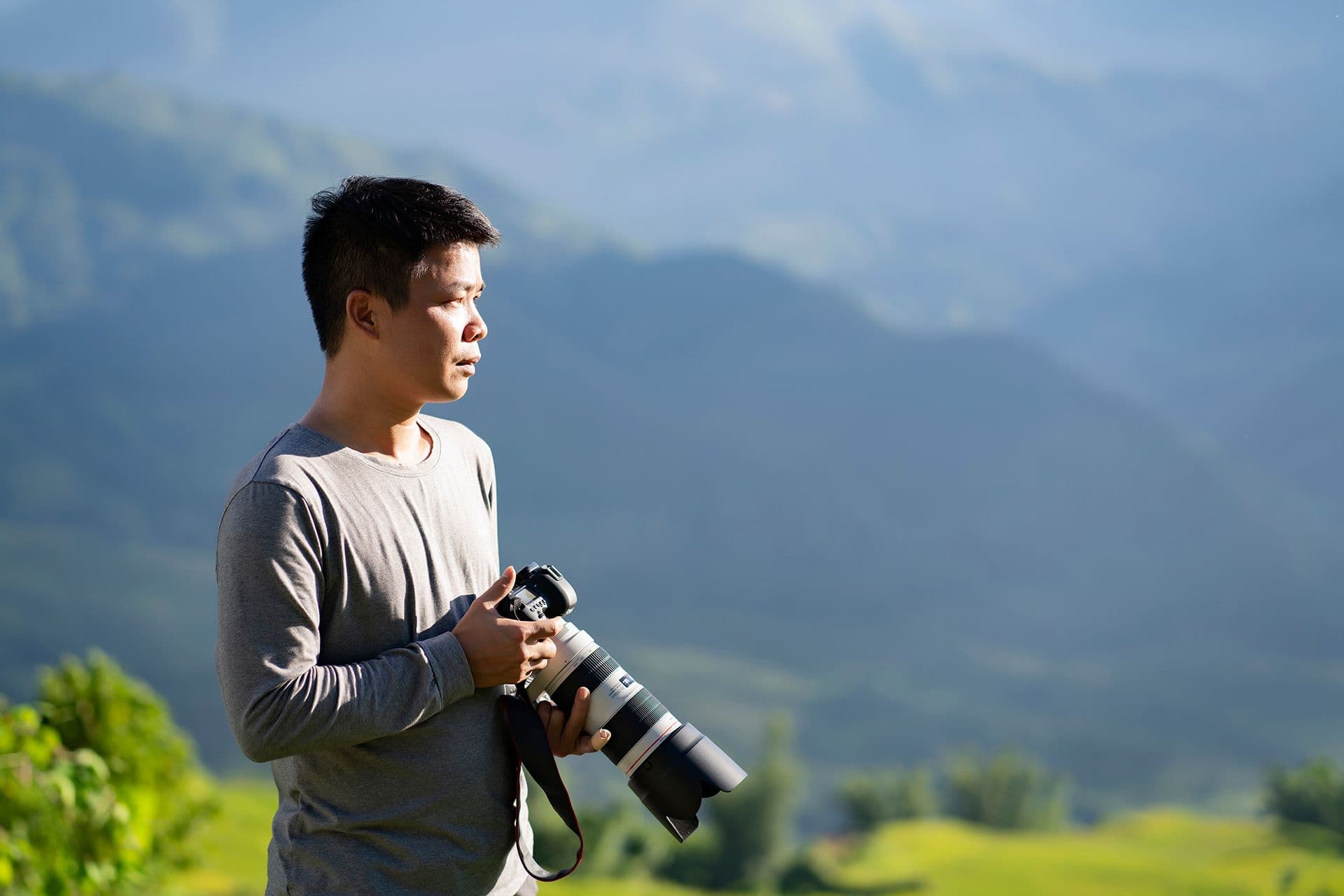
Founder & Photography Guide
Specialties: Culture, landscape, portrait, hiking, active and adventurous tour
Besides my unlimited passion for traveling, a professional tour guide for over a decade, I have been taking photographs since sitting at Hanoi of the University of Culture in the early 2000s. Photography started as a hobby but it was seriously taken due to my work relations and my significant passion for the beauty of our world, especially in Southeast Asian parts such as Vietnam, Laos, Cambodia, and Myanmar.
Within a few years of taking photographs, my works began to be recognized by many reliable international publications such as AFAR Travel, The Times, and The Daily Telegraph newspaper. In addition, I continuously add to my growing profile by winning numerous major awards: 3rd Position of The Independent Photographer 2018, 1st Position of Amateur Photographer of the year 2018, Grand Prize Winner of the AFAR Travel Photography 2019, and a Gold Award of San Francisco Bay International Photography 2020.
I photograph a wide variety of subjects, from travel to landscapes to street scenes. I enjoy documenting the East’s rich cultural heritage and its land soaked in glorious sunrise or sunset light in remote and secluded spots. And, I am very happy to share my knowledge and experience with you. You can visit Luminousvietnamtour to explore tour!