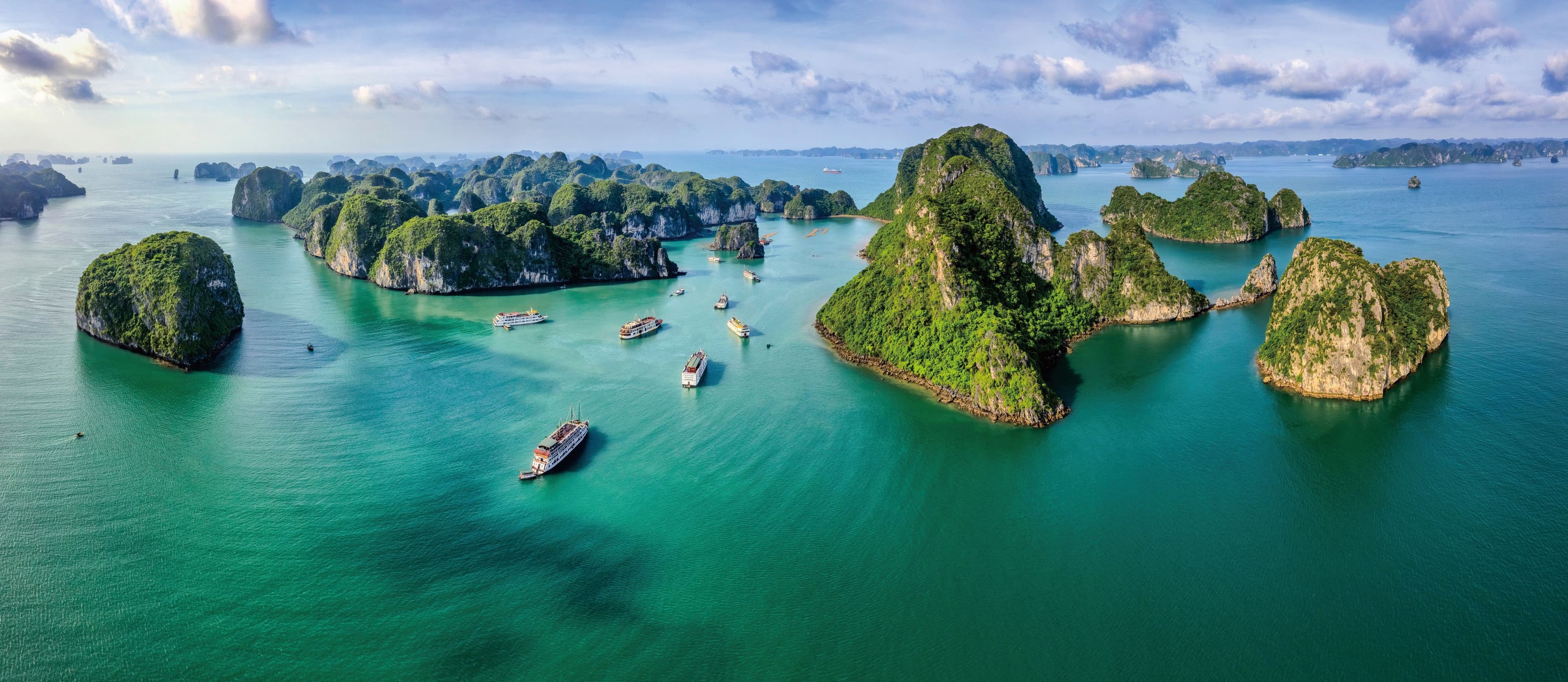
- 1. What Makes a Trip "Family Adventure" vs. Just "Family-Friendly"
- 2. The Activities
- Cooking Class with a Local Family
- Easy Rider / Motorbike Sidecar Experience
- Light Trek Through Rice Paddies or Forest Trails
- Beach & Water Time (Kayaking, Swimming, Island Stops)
- Village Market or Craft Visit
- Cycling Through Villages or Valley Roads
- 3. Where to Do Them: Matching Activities to Destinations
- Mai Chau & Pu Luong
- Ninh Binh
- Ha Long Bay & Lan Ha Bay
- Phong Nha
- Hoi An & Central Coast
- Family Adventure Activities at a Glance
- 4. Practical Parent Concerns, Answered Honestly
- What if my child is a picky eater?
- Are Easy Rider and cycling activities safe for children?
- What happens if a child gets tired halfway through?
- When is the best time for outdoor family activities in Vietnam?
- Designing the Trip Around the Family, Not the Other Way Around
A family trip to Vietnam does not have to mean choosing between sightseeing and keeping the children entertained. The country offers an easier middle ground: trips where children can cook, cycle through villages, walk through rice fields, ride with a local driver, paddle across calm water, and make something with their own hands.
That is what makes a family adventure trip to Vietnam different from a standard family-friendly holiday. The goal is not to fill every day with activities. It is to choose experiences that give children something to do, while leaving enough space for everyone to slow down.
1. What Makes a Trip "Family Adventure" vs. Just "Family-Friendly"
A family-friendly trip usually answers one question: Can children comfortably join?
A family adventure trip asks another: Will children actually want to join?
That difference matters.
| Family-Friendly Trip | Family Adventure Trip |
|---|---|
| Focuses on comfort, convenience, and child-friendly facilities | Focuses on active experiences and family participation |
| Visits destinations and attractions that are suitable for children | Combines sightseeing with hands-on activities and exploration |
| Children mainly observe and follow the itinerary | Children take part by cooking, cycling, hiking, kayaking, crafting, and more |
| Prioritizes comfortable hotels, restaurants, and transportation | Balances comfort with authentic and active experiences |
| Often follows a fixed and predictable schedule | Allows more flexibility based on children’s age, energy, and interests |
| Activities are generally designed to suit the whole family | Activities can be adjusted in distance, duration, or difficulty for different ages |
| The key question is: “Can children join?” | The key question is: “Will children actually enjoy and engage with it?” |
| The goal is a comfortable holiday for the whole family | The goal is to create memorable experiences that children actively take part in, rather than simply watch |
2. The Activities
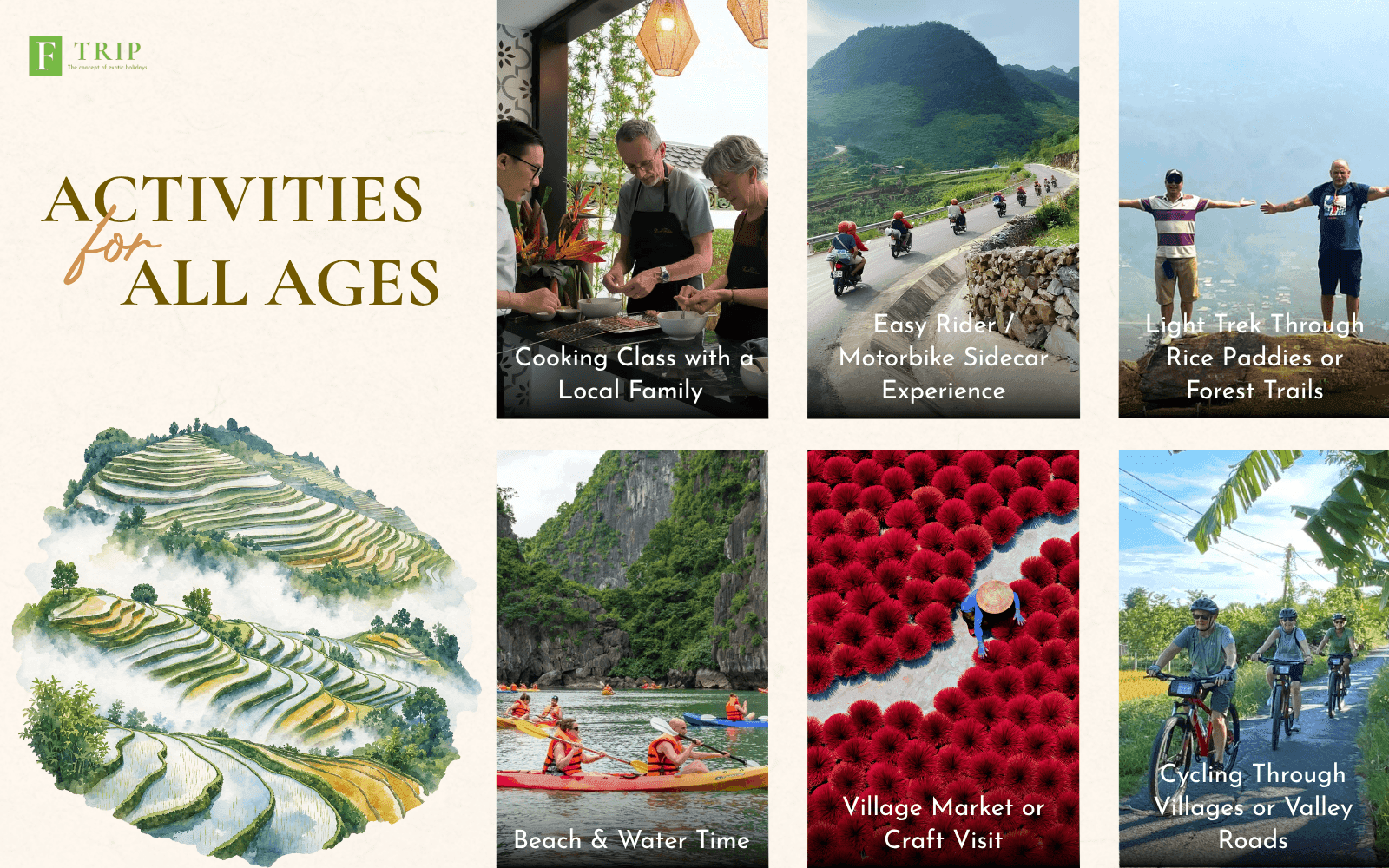
Cooking Class with a Local Family
A Vietnamese cooking class can be much more interesting for children when it starts before the cooking begins.
A cooking class generally includes a visit to a local market, where children can help choose the ingredients and not just watch their parents do all the work. This activity can also give them the chance to get a glimpse of the daily life and culture of the locals.
In the class, the simple, knife-free tasks such as washing vegetables, mixing ingredients, rolling spring rolls, or shaping cakes can also be adapted to different ages. It is also an activity that does not depend heavily on language. Even without speaking the language, children can follow the demonstration, copy the technique, and work with their parents or local host.
One more special point of this activity is that a cooking class is also a family bonding activity because the entire family will work to make the meal and enjoy it together.
As a local expert, Ftrip Vietnam works closely with locals to introduce travellers to authentic cooking classes that allow all members of the family to have hands-on experience and ensure that every member is involved in the activity.
Easy Rider / Motorbike Sidecar Experience
For children, the attraction of an Easy Rider experience is often simple: it’s fun and feels like an adventure
In an Easy Rider or Motorbike Sidecar experience, an experienced local driver handles the vehicle while passengers enjoy the scenery from the back. Travellers can take in spectacular views of mountain valleys, villages, and countryside roads.
At Ftrip Vietnam, we offer professional Easy Rider services with local drivers, maintained vehicles, helmets, and first-aid equipment. Moreover, private car routes can also be more appropriate for families who prioritize comfort and safety.
For a family itinerary, route choice matters as much as the ride itself. Road conditions, traffic, weather, and the child's age should all be considered before deciding whether a motorbike experience is appropriate.
Light Trek Through Rice Paddies or Forest Trails
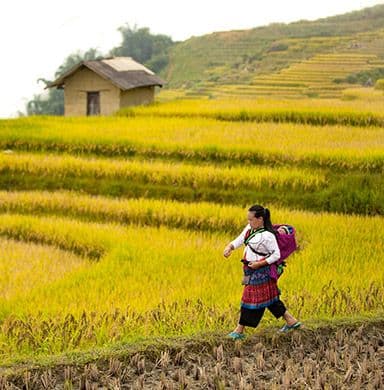
Some of the best options are short walks through rice terraces, bamboo forests, and rural villages, usually lasting around one to three hours. Children have plenty to notice along the way: water buffalo in the fields, chickens and dogs around village homes, small streams, bamboo bridges and changing landscapes.
That makes a rural walk feel less like exercise and more like exploration.
For younger children, the distance can be shortened, and the pace kept flexible. Around five years old and above can be a useful starting point for easy walking, depending on the individual child. Older children and teenagers may enjoy extending the route into a longer half-day trek.
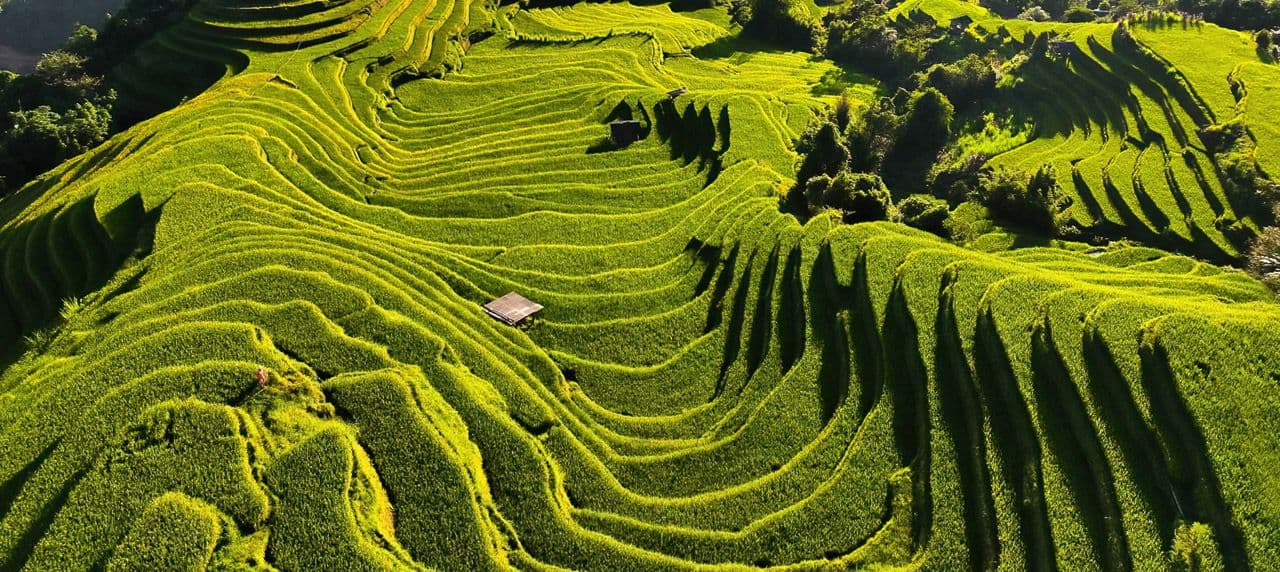
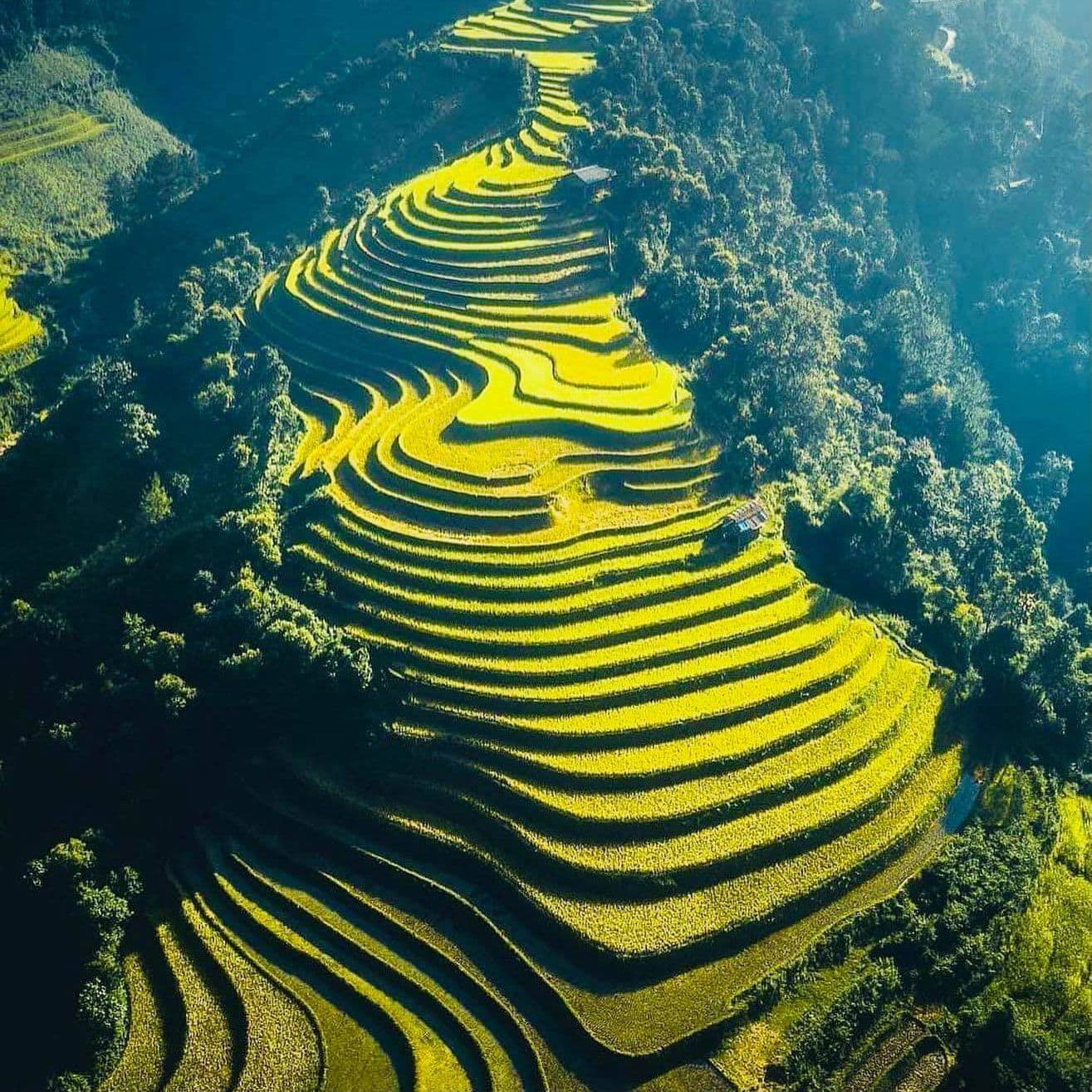
Pu Luong is particularly well suited to this style. It is easy-to-moderate two- to three-hour routes connecting villages such as Don and Kho Muong, with rice terraces, bamboo water wheels and valley scenery.
Beach & Water Time (Kayaking, Swimming, Island Stops)
Water activities work particularly well in a family adventure itinerary. A day might involve kayaking through calm water, swimming from a beach or boat, stopping at a small island, or simply exploring a bay by private boat.
For younger children, the adventure can stay simple: swimming, paddling, and exploring. Teenagers can add longer kayak routes or, where conditions and operators allow, snorkeling.
The advantage of a private or customized arrangement is that the day does not necessarily have to follow the rhythm of a large group. Families can spend longer at a stop they enjoy or return to the boat when younger children start losing energy.
Weather should still determine the final plan. Water conditions can change, particularly during rainy or storm-prone periods, so flexibility matters more than trying to force a particular activity into the itinerary.
Village Market or Craft Visit
Instead of walking through a tourist attraction and listening to explanations, with a village market or craft village visit, children can see local families shopping, eating, trading, and going about their day.
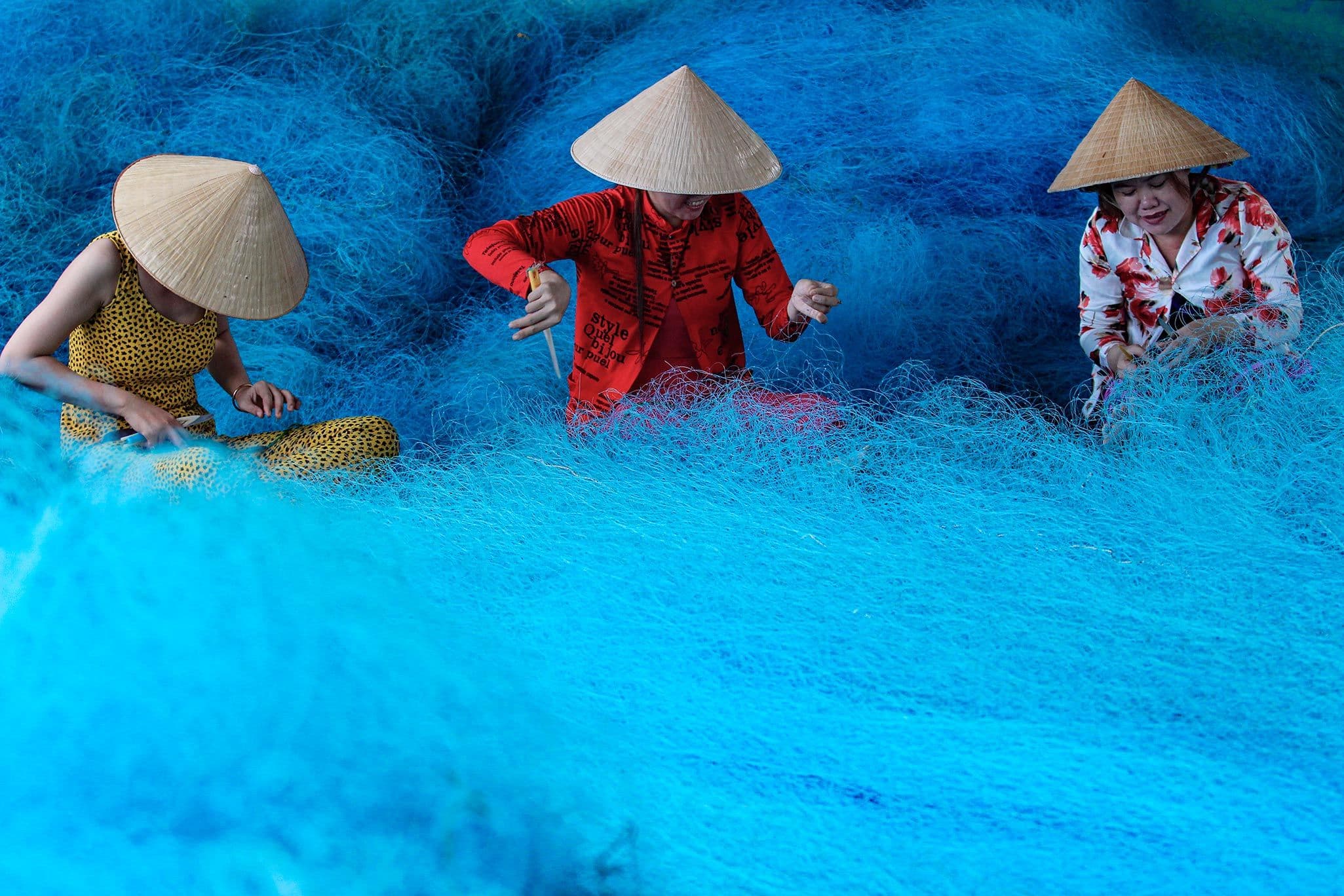
The experience becomes even more engaging when combined with a hands-on craft. Depending on the destination, that might mean weaving, paper-making, lantern-making or learning about traditional dyeing techniques.
Younger children often respond to the sensory side of a market: unfamiliar foods, colours, sounds and smells. Older children can get more from understanding what is being sold and why, or trying the craft themselves.
The timing of a village visit also matters. A genuine market experience is more meaningful when planned around the local market day rather than treating the village as a scheduled photo stop.
Cycling Through Villages or Valley Roads
Cycling gives children a sense of independence, they are not simply being driven, but they are moving through the landscape themselves, choosing where to look and setting their own pace.
For families, the ideal routes are generally flat or gently rolling, away from heavy traffic, with a destination or stop built into the ride. A cycling route might finish at a local home, small workshop, swimming spot or scenic viewpoint.
Confident riders around seven or eight may be ready for an easy family route, while younger children can use a tandem, trailer or other age-appropriate arrangement where available.
Route selection is especially important. A quiet village road is usually more suitable for a family than a busy road offering slightly better scenery.
3. Where to Do Them: Matching Activities to Destinations
Mai Chau & Pu Luong
Best for: light trekking, cycling and cooking experiences connected with a homestay or local community.
The combination of rice terraces, valleys and ethnic villages makes this one of the strongest areas for a first taste of soft adventure. Pu Luong is particularly suitable for families who want countryside experiences without committing to strenuous mountain trekking.
Ftrip Vietnam's family itinerary includes Pu Luong with an easy hiking day, while its hiking guide recommends two- to three-hour routes through the reserve. Learn more
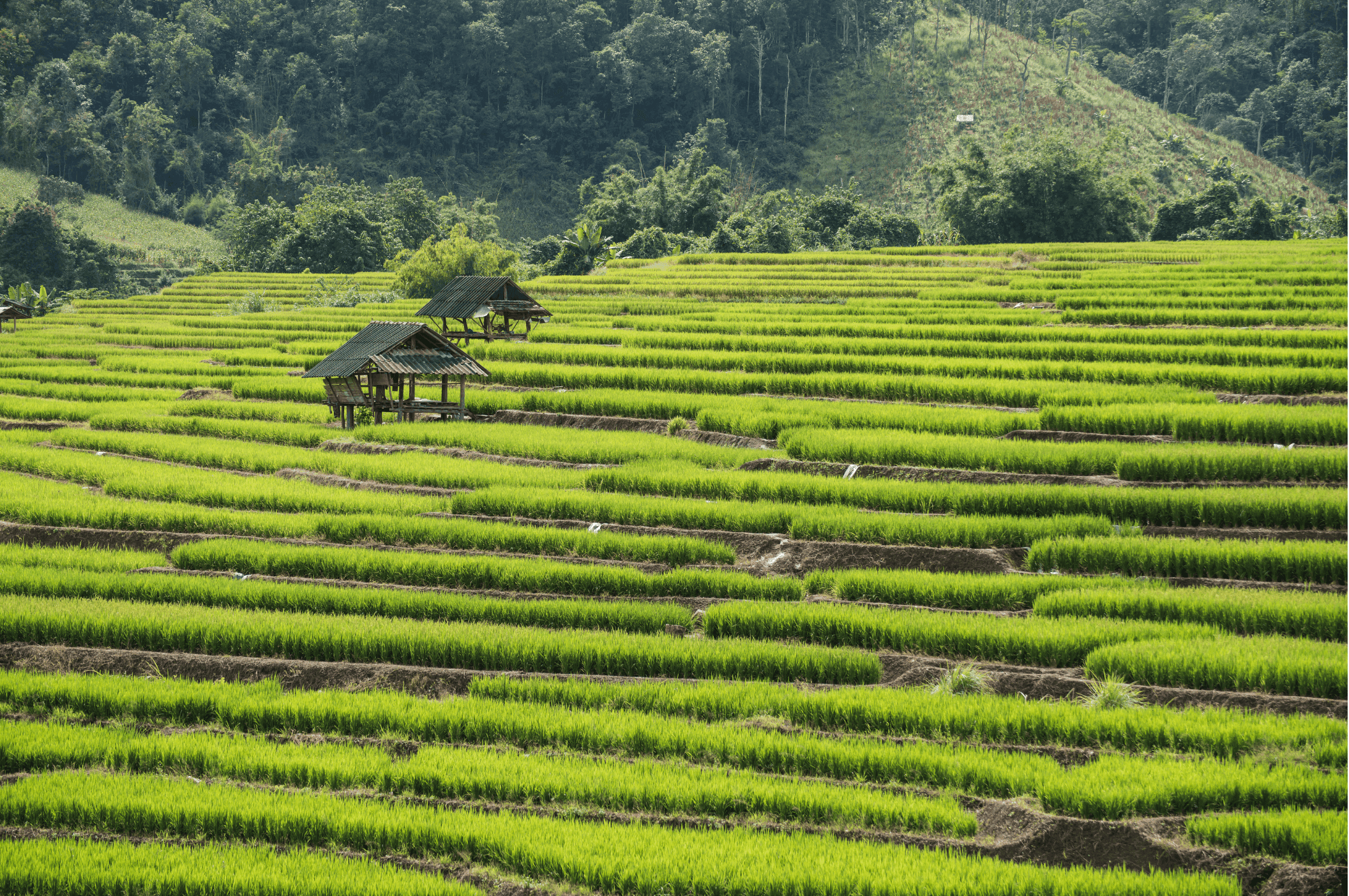
Ninh Binh
Best for: light cycling, walking through rural landscapes and boat-based adventure.
Ninh Binh is useful for families who want scenery without a demanding physical schedule. Cycling or a short countryside walk can provide the active part of the day, while a boat trip through Tam Coc, Trang An, or nearby waterways offers a lower-exertion alternative.
That combination also works well for multi-generational families, where not everyone wants to hike.
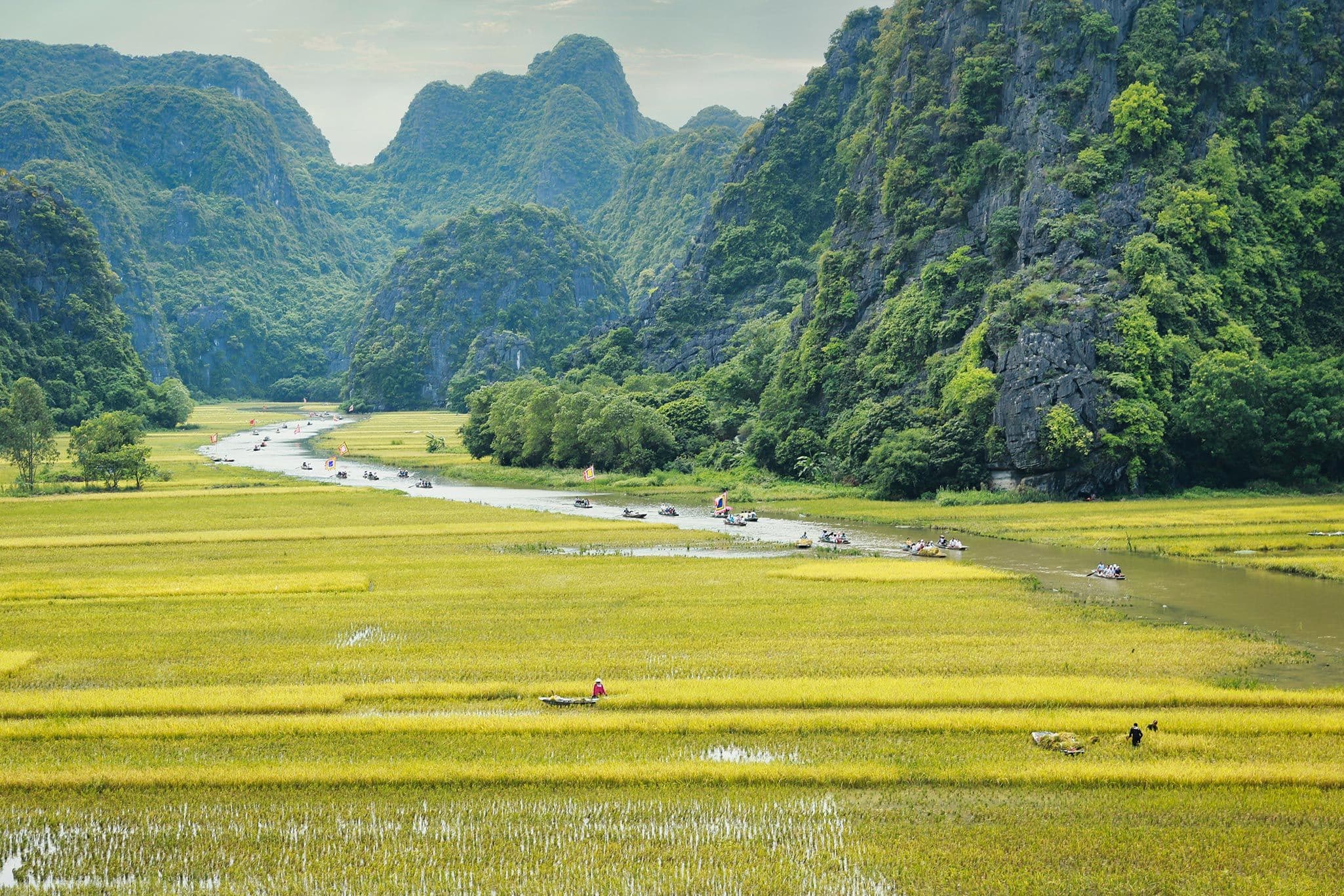
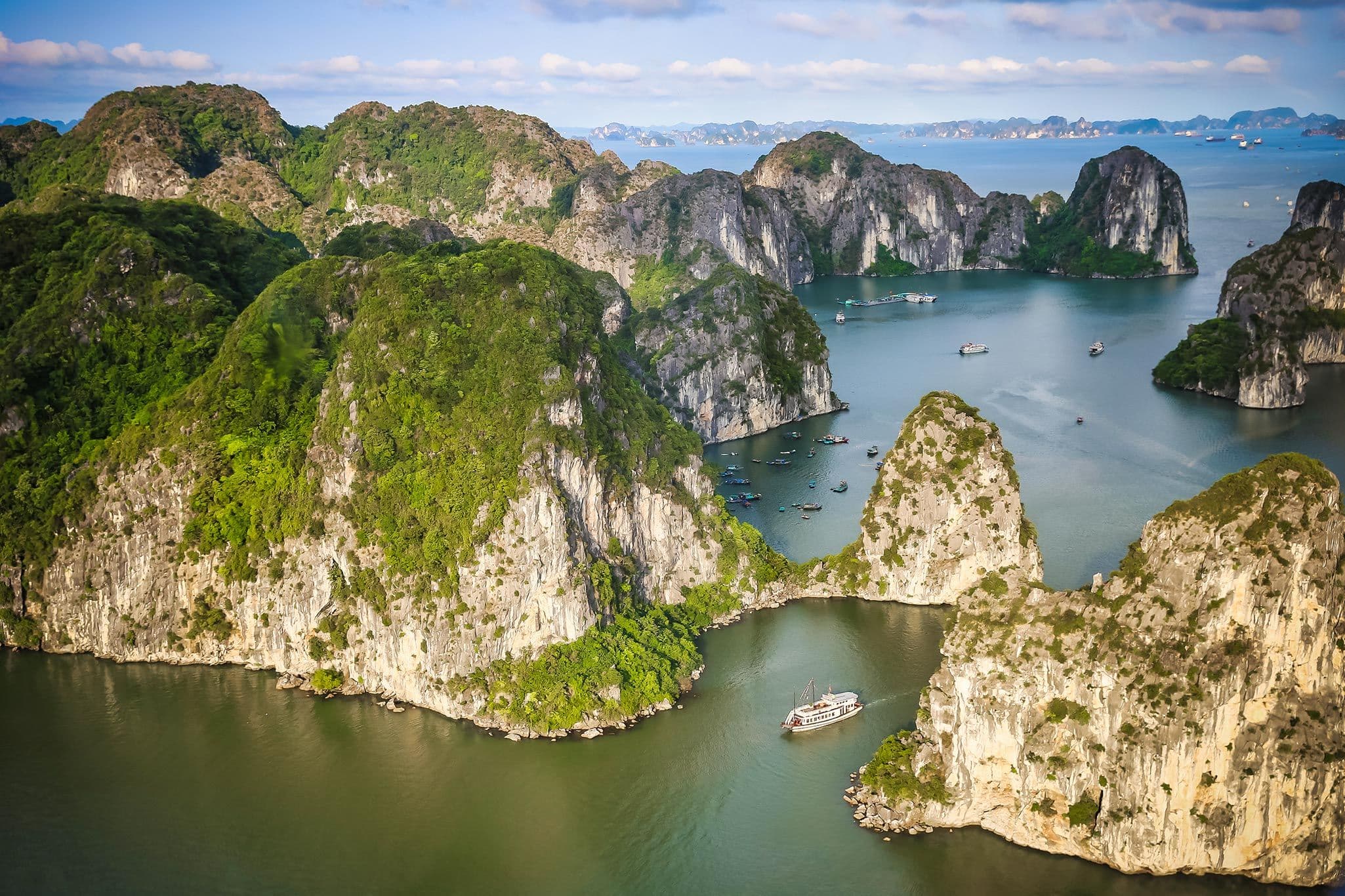
Ha Long Bay & Lan Ha Bay
Best for: kayaking, swimming and private-boat experiences.
The limestone islands and sheltered waterways create a natural setting for water-based adventure. Families can combine kayaking or swimming with periods of simply enjoying the boat, rather than treating the entire day as an activity schedule.
Phong Nha
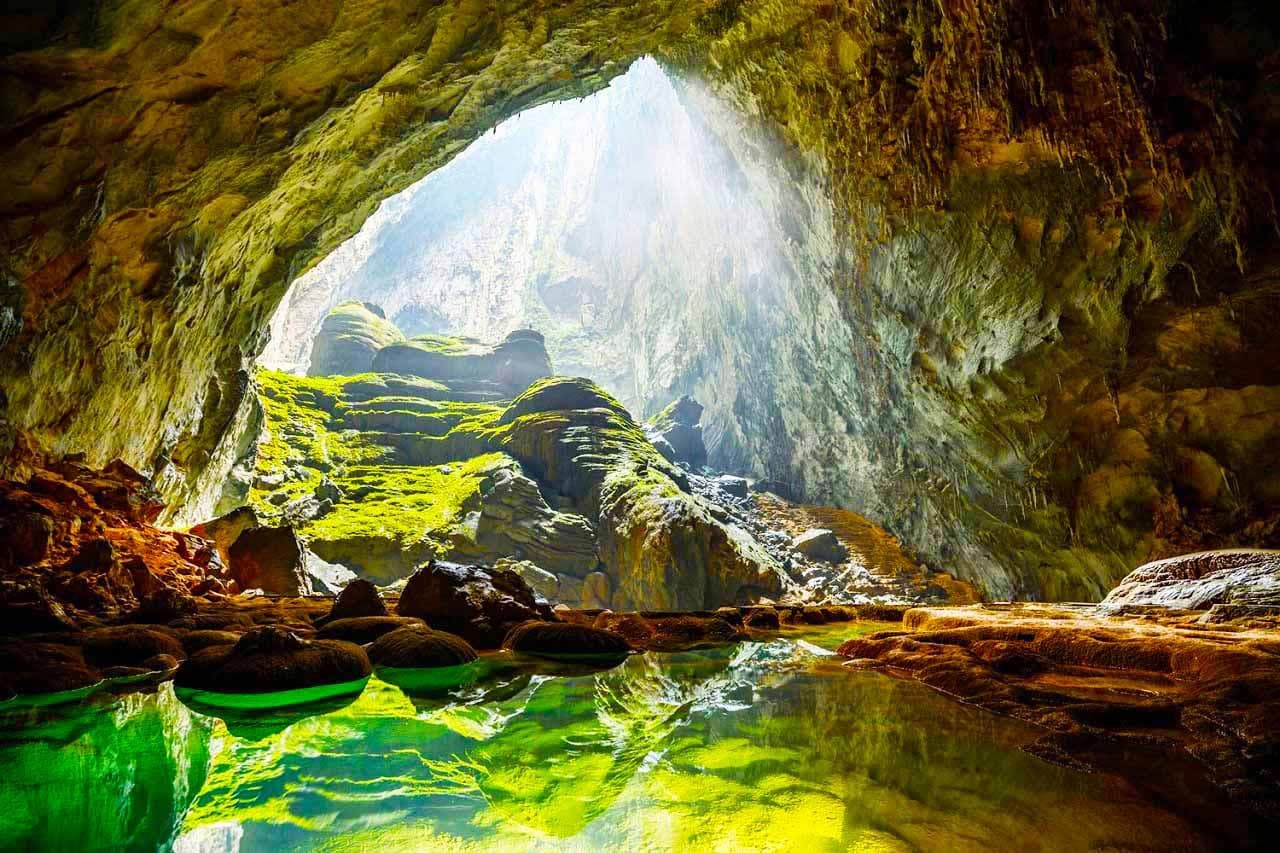
Best for: families with different activity levels.
Phong Nha works particularly well when a family wants to split the day. Some members can choose an easier cave or nature walk, while teenagers or more active adults can take on a longer adventure.
Hoi An & Central Coast
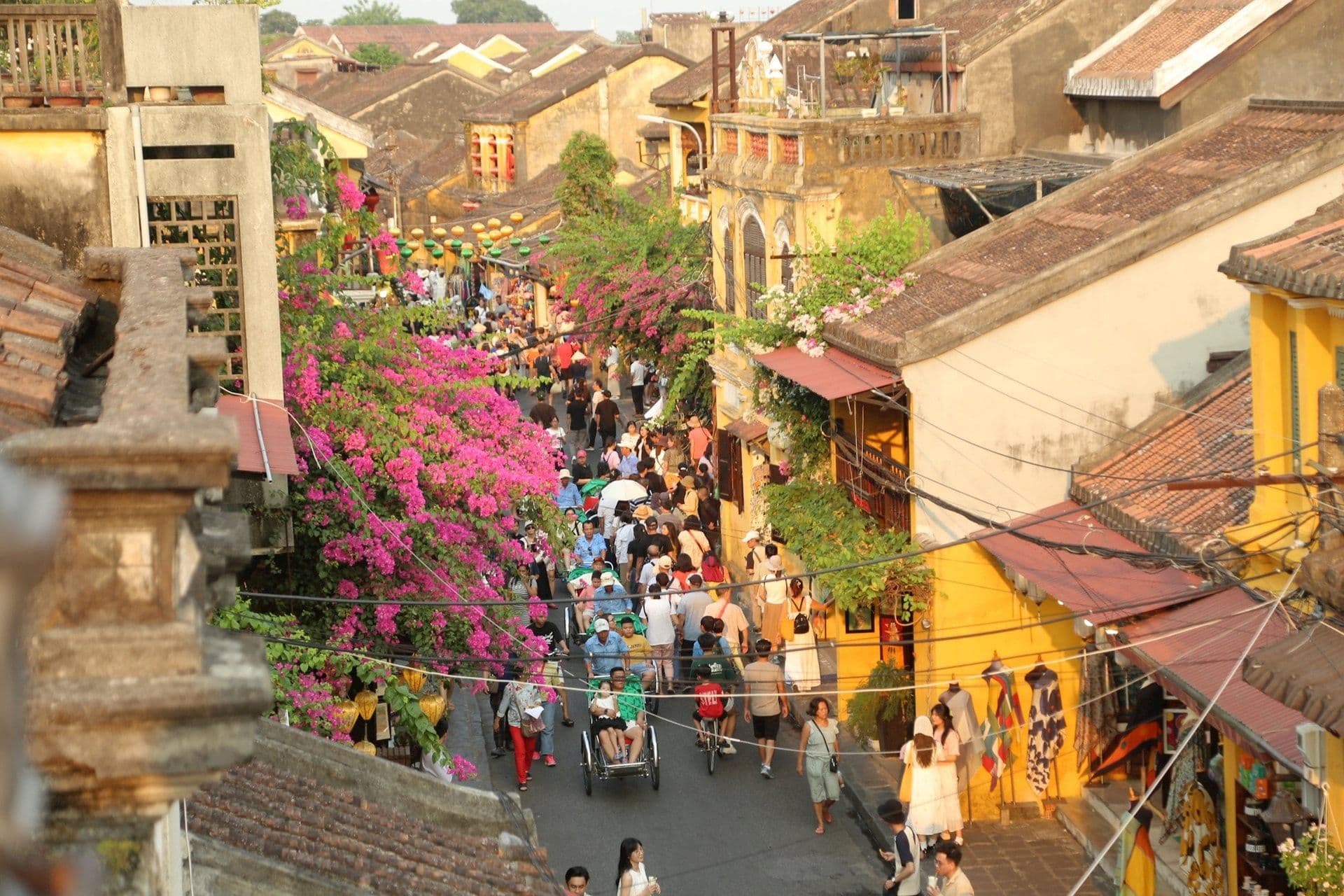
Best for: cooking classes, craft experiences, cycling and beach time.
Hoi An provides an easy combination of culture and relaxation. Families can spend part of the day making lanterns or joining a cooking class, cycle through the surrounding countryside, then finish with time at the coast.
Family Adventure Activities at a Glance
| Activity | Best Region(s) | Typical Age Fit |
|---|---|---|
| Cooking class | Hanoi, Hoi An, Central Vietnam | Almost all ages |
| Easy Rider / motorbike passenger experience | Northern Vietnam, especially Ha Giang | Older children/teens; age-dependent |
| Light trekking | Pu Luong, Ninh Binh, Phong Nha | Around 5+ |
| Kayaking & swimming | Ha Long Bay, Lan Ha Bay, Central Coast | Almost all ages with supervision |
| Village market / craft visit | Northern Vietnam, Hoi An | Almost all ages |
| Family cycling | Mai Chau, Pu Luong, Ninh Binh, Hoi An | Around 7–8+ for independent riders |
4. Practical Parent Concerns, Answered Honestly
What if my child is a picky eater?
Vietnamese food offers plenty of options, but parents should not assume every child will immediately enjoy local flavours.
Rice, noodles, grilled meat, fresh fruit, eggs and simple soups can usually provide familiar starting points. For families with allergies, religious dietary requirements or particularly selective children, these needs should be communicated before the trip rather than at the restaurant.
A cooking class can also help. Children are more likely to try an unfamiliar dish when they have helped prepare it.
Are Easy Rider and cycling activities safe for children?
There is no single answer for every child.
Motorbike activities involve real road conditions; children should ride only as passengers with qualified, experienced drivers and appropriate protective equipment. Age and size requirements should be checked for the specific operator and vehicle.
For cycling, route selection is equally important. Families should favor low-traffic roads and routes appropriate to the youngest confident rider.
What happens if a child gets tired halfway through?
A good itinerary should have options. A hike can be shortened. A cycling route can end earlier. An afternoon activity can become hotel pool time. A longer excursion can be replaced with a lighter one.
This is also where private travel has a practical advantage, which family itineraries are designed around children's ages, travel pace, and preferences.
When is the best time for outdoor family activities in Vietnam?
For a north-to-south family adventure, March to May can offer a useful balance across several regions, although temperatures and rainfall still vary by destination. Northern mountain areas, Central Vietnam and the southern coast each have their own weather patterns.
For outdoor activities, the most important thing is to match the route with the season. March to May is a broadly balanced period for trekking and multi-region travel. You can also have additional flexibility for Central Vietnam during wetter, storm-prone months.
Families travelling during wetter periods should also avoid building an itinerary where one delayed boat, road journey or hike causes problems for everything that follows.
Designing the Trip Around the Family, Not the Other Way Around
The best family adventure trip to Vietnam is not necessarily the one with the most activities.
It is the one where a child remembers rolling their first spring roll, cycling past rice fields, crossing a small stream, paddling between limestone islands, or making a lantern in Hoi An.
That requires a different approach to itinerary planning.
Instead of asking how many destinations can fit into two weeks, start with the experiences the family actually wants. Then choose the regions that support them.
This is where working with a local DMC can make a practical difference. FtripVietnam's bespoke family trips are built around factors such as children's ages, preferred pace, dietary requirements, accommodation preferences and activity levels, rather than treating every family as the same type of traveler.
The result does not have to be an action-packed holiday.
It can be a few hours walking through rice paddies, an afternoon on a boat, a cooking class before lunch, a quiet cycling route in the countryside, and enough free time for everyone to rest.
Because sometimes the most adventurous part of a family trip is simply giving children the chance to put down the screen and discover what is happening outside it.

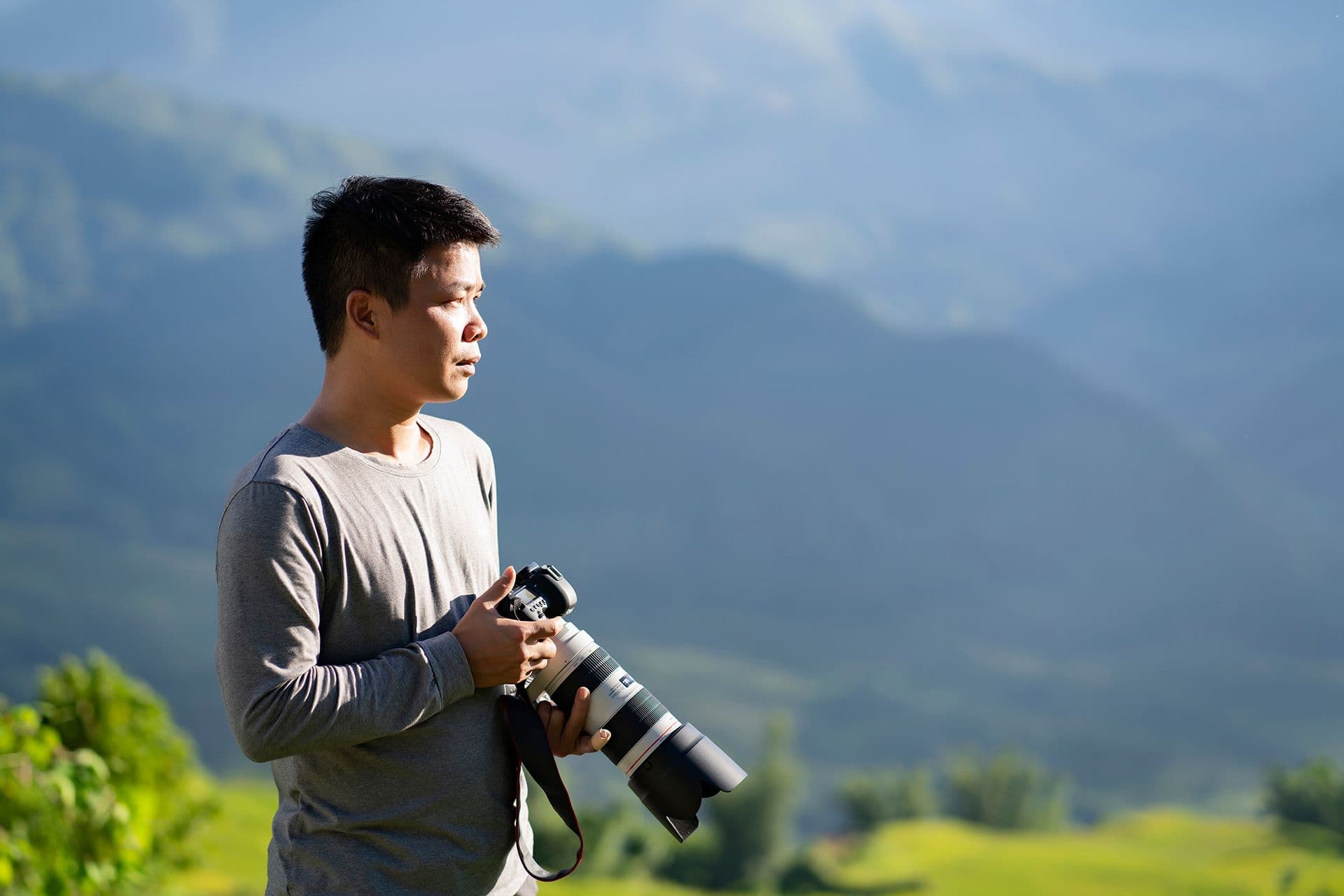
Founder & Photography Guide
Specialties: Culture, landscape, portrait, hiking, active and adventurous tour
Besides my unlimited passion for traveling, a professional tour guide for over a decade, I have been taking photographs since sitting at Hanoi of the University of Culture in the early 2000s. Photography started as a hobby but it was seriously taken due to my work relations and my significant passion for the beauty of our world, especially in Southeast Asian parts such as Vietnam, Laos, Cambodia, and Myanmar.
Within a few years of taking photographs, my works began to be recognized by many reliable international publications such as AFAR Travel, The Times, and The Daily Telegraph newspaper. In addition, I continuously add to my growing profile by winning numerous major awards: 3rd Position of The Independent Photographer 2018, 1st Position of Amateur Photographer of the year 2018, Grand Prize Winner of the AFAR Travel Photography 2019, and a Gold Award of San Francisco Bay International Photography 2020.
I photograph a wide variety of subjects, from travel to landscapes to street scenes. I enjoy documenting the East’s rich cultural heritage and its land soaked in glorious sunrise or sunset light in remote and secluded spots. And, I am very happy to share my knowledge and experience with you. You can visit Luminousvietnamtour to explore tour!