- Why Central Vietnam Is Worth Visiting
- Where Is Central Vietnam, and What Does It Include?
- Best Places to Visit in Central Vietnam
- Best Beaches in Central Vietnam
- Best Cultural Experiences in Central Vietnam
- Best Landscapes and Scenic Experiences in Central Vietnam
- Best Things to Do in Central Vietnam
- Best Time to Visit Central Vietnam
- How Many Days Do You Need in Central Vietnam?
- Suggested Central Vietnam Itinerary Ideas
- Who Should Visit Central Vietnam?
- What Travelers Are Looking for in Central Vietnam Now
- Why FtripVietnam Is a Strong Choice for Central Vietnam Travel
- How to Choose the Right Central Vietnam Tour or Itinerary
- Frequently Asked Questions
- Conclusion
That balance is what makes Central Vietnam so appealing. Da Nang brings beaches and modern city energy, Hoi An offers heritage and riverside charm, Hue adds imperial depth, and Phong Nha introduces one of the region’s strongest landscape experiences. Together, they form a route that feels varied without becoming overly complicated.
This guide is designed as a practical resource for planning where to go, what to do, and how to build the right Central Vietnam itinerary based on your travel style, timing, and priorities.
Why Central Vietnam Is Worth Visiting
A rare mix of beaches, heritage, and nature
Central Vietnam stands out because it brings together cultural cities, coastal resorts, scenic drives, and national-park-style landscapes within one region. Travelers can spend time on Da Nang’s coast, explore the preserved trading-port heritage of Hoi An, experience the royal legacy of Hue, and then continue to the karst and cave scenery of Phong Nha-Ke Bang.
This makes the region especially attractive for travelers who want real variety without having to constantly change flight zones or cover the full length of Vietnam in a short trip. That convenience is one of Central Vietnam’s biggest strengths.
Strong destination variety in one route
A classic Central Vietnam route gives travelers a very wide range of experiences. Da Nang offers broad beaches, urban food, and coastal convenience. Hoi An is known for its old-world charm and UNESCO-recognized townscape. Hue brings imperial history and the legacy of the Nguyen Dynasty. Phong Nha adds caves, limestone formations, and outdoor scenery.
That combination makes the region ideal for travelers who want a trip that feels layered rather than repetitive.
Suitable for many travel styles
Central Vietnam works well for first-time trips, couples, families, luxury travelers, photographers, and culture-focused visitors because the region supports both relaxation and exploration. This is partly an inference, but it is strongly supported by the mix of beaches, heritage sites, and scenic destinations documented across the region’s official tourism and UNESCO sources.
Where Is Central Vietnam, and What Does It Include?
What travelers usually mean by Central Vietnam
When travelers talk about Central Vietnam, they usually mean a core route that includes Da Nang, Hoi An, Hue, and Phong Nha. These are the most common headline destinations because they cover beaches, culture, heritage, and landscapes in one logical journey.
Some longer itineraries also extend farther south or inland to places such as Nha Trang, Da Lat, or Phu Yen, but those are better treated as optional additions rather than part of the shortest classic Central Vietnam route. I am treating those as common planning extensions rather than claiming they belong to a strict official regional definition.
Why this region is easy to combine in one itinerary
Central Vietnam is easier to combine than an all-Vietnam route because its major destinations connect in a relatively logical chain. Da Nang and Hoi An naturally pair together, Hue adds a strong historical layer, and Phong Nha works as a landscape-focused extension for travelers with more time.
For many travelers, that means a better balance between depth and convenience. You get a more complete experience than a single-city trip, but without the complexity of trying to cover north, center, and south Vietnam all at once.
Best Places to Visit in Central Vietnam
Da Nang
Da Nang is one of the most versatile destinations in Central Vietnam. Official tourism guidance describes it as a year-round destination known for beaches, warm weather in its best seasons, and easy access to other central highlights. It also serves as a gateway to scenic routes and coastal luxury stays.
Da Nang is best for travelers who want beach convenience, a modern city feel, food options, and access to nearby experiences such as the Hai Van Pass and Hoi An.
Hoi An
Hoi An is one of the region’s cultural anchors. UNESCO describes it as an exceptionally well-preserved Southeast Asian trading port dating from the 15th to the 19th century, and its old streets, traditional architecture, and river setting remain its biggest draw.
It is especially appealing to culture lovers, photographers, and travelers who want a slower, more atmospheric destination with beach access nearby. Official tourism guidance also highlights March to May as its best months.
Hue
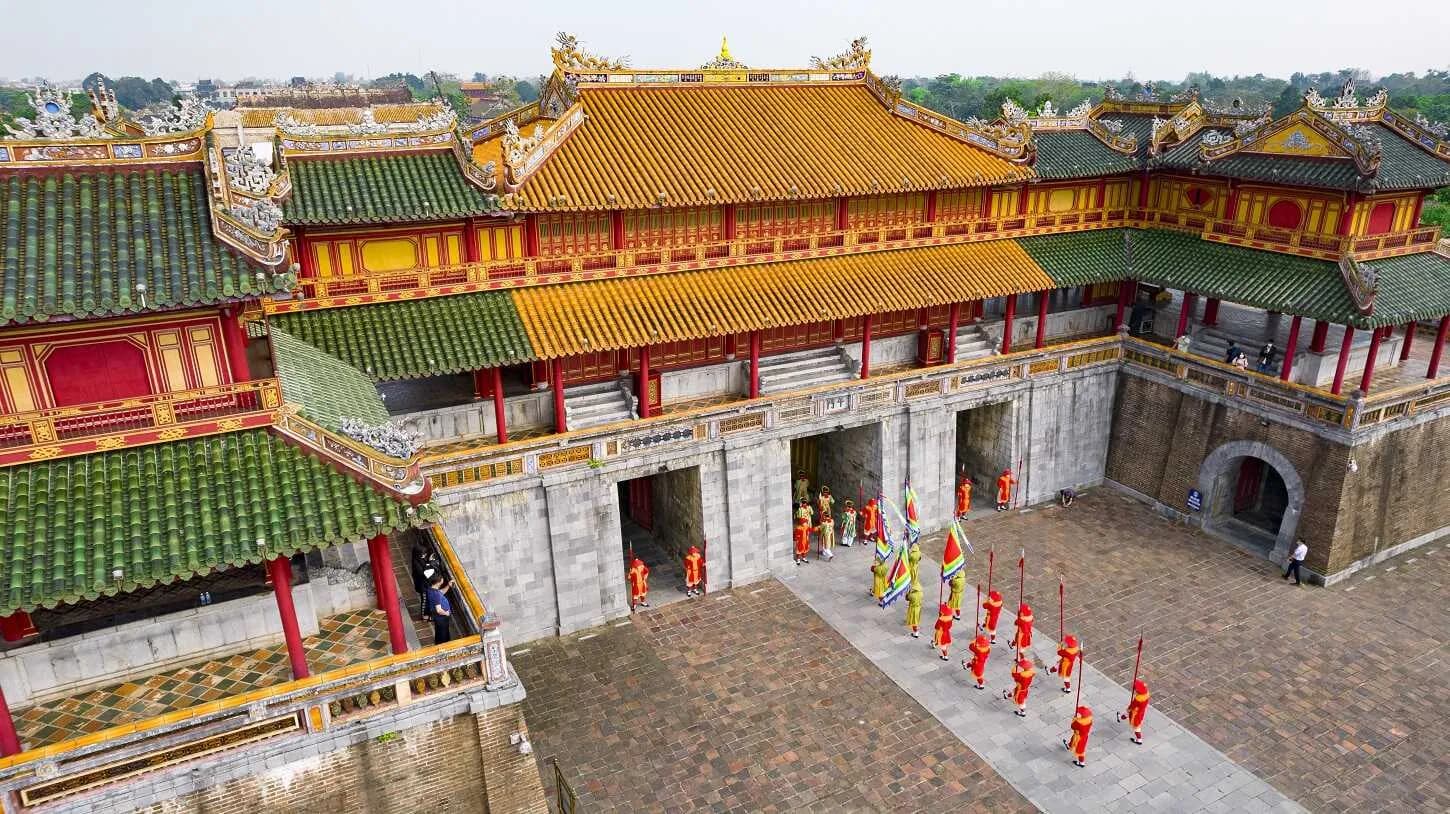
Hue is the historical heart of Central Vietnam. UNESCO notes that it became the capital of unified Vietnam in 1802 and served as the political, cultural, and religious center under the Nguyen Dynasty until 1945.
For travelers, that means imperial tombs, the Citadel, pagodas, and a deeper cultural layer than many other Vietnamese cities. Hue is especially rewarding for people interested in history, architecture, and royal-era heritage.
Phong Nha
Phong Nha is one of Central Vietnam’s strongest landscape destinations. UNESCO describes the Phong Nha-Ke Bang area as one of the world’s most outstanding and intact limestone karst landscapes and ecosystems.
It appeals most to travelers who want caves, outdoor scenery, and a nature-driven extension beyond the coast and heritage cities.
Optional extensions in Central Vietnam
Travelers with more time sometimes add quieter or more specialized destinations such as Phu Yen for a quieter coast, Nha Trang for beach and wellness, or Da Lat for cooler mountain scenery. I am mentioning these as common itinerary extensions rather than core stops in the classic Da Nang–Hoi An–Hue–Phong Nha route.
Best Beaches in Central Vietnam
Da Nang’s beach strip
Da Nang’s beach strip is one of the easiest beach bases in Vietnam because it combines long accessible beaches with city convenience. Official tourism guidance highlights Da Nang as a strong beach destination and notes that June to August often brings little rain and clear, calm seas.
This makes it a strong option for travelers who want both beach time and easy access to food, hotels, and day trips.
Hoi An beaches
Hoi An’s beaches suit travelers who want seaside time while staying close to a cultural town rather than in a larger city. This combination gives Hoi An a more boutique, slower-paced feel than Da Nang. That travel-style distinction is an inference, but it follows directly from Hoi An’s heritage-town character and nearby coastal access.
Hue-area beaches
Hue-area beaches are useful for travelers who want quieter coastal time paired with imperial sightseeing. They are not as central to the destination’s identity as Da Nang’s coast, but they can add balance to a heritage-led itinerary. This is an inference based on Hue’s location near the sea and its broader heritage positioning.
Which beach area suits which traveler
Da Nang is best for convenience and variety. Hoi An suits travelers looking for charm and a slower pace. Quieter coastal options near Hue or farther afield can work better for visitors who prefer less-crowded beach time. This comparison is an inference built from the documented strengths of each destination.
Best Cultural Experiences in Central Vietnam
Imperial Heritage in Hue
Hue offers the strongest imperial heritage in the region. The Citadel, tomb complexes, pagodas, and the Nguyen Dynasty legacy make it the best destination in Central Vietnam for travelers who want royal history and deeper historical context.
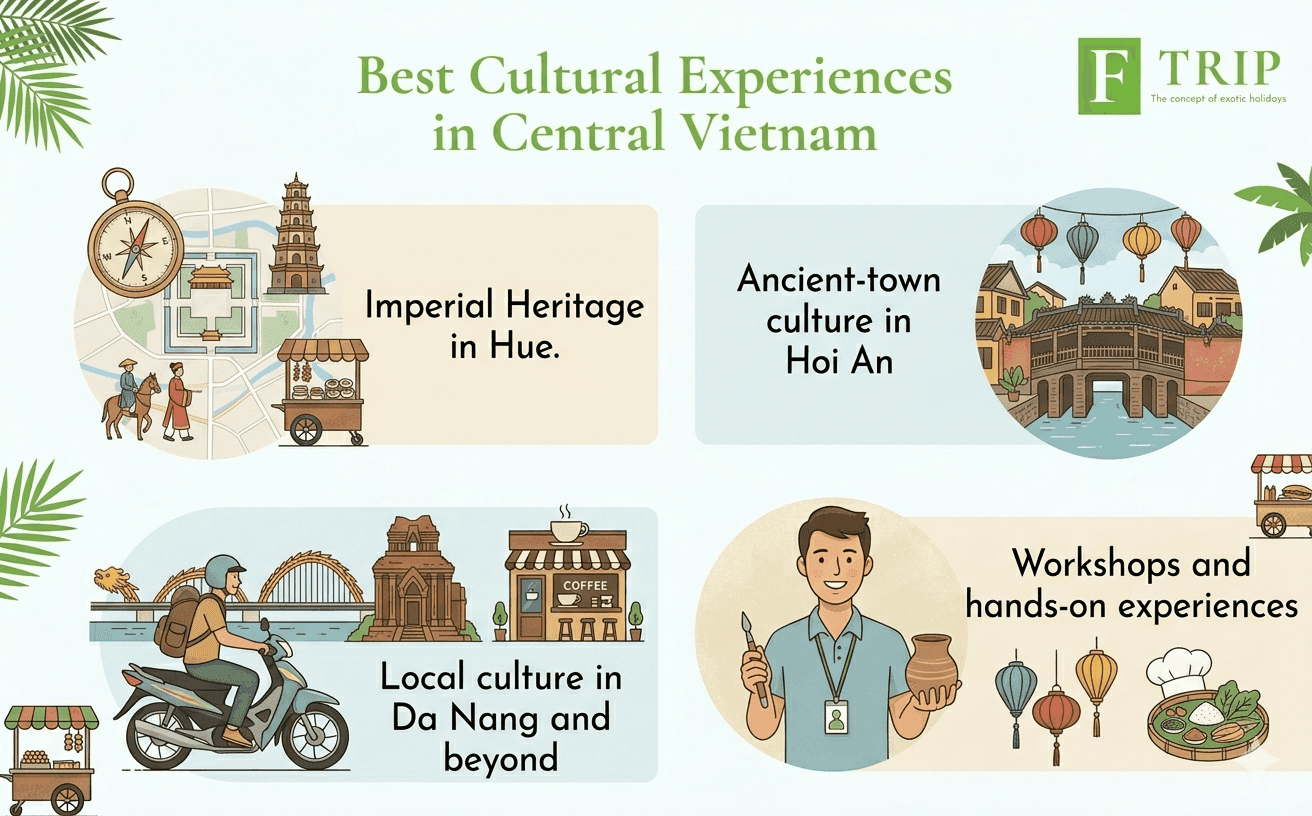
Ancient-town culture in Hoi An
Hoi An’s culture is rooted in architecture, temples, riverside streets, and trading-port history. UNESCO specifically emphasizes the town’s preservation and its fusion of indigenous and foreign influences across centuries of maritime trade.
Local culture in Da Nang and beyond
Da Nang adds a more contemporary cultural layer through food, markets, modern city life, and access to nearby villages and attractions. It does not replace Hoi An or Hue culturally, but it complements them with a livelier urban identity.
Workshops and hands-on experiences
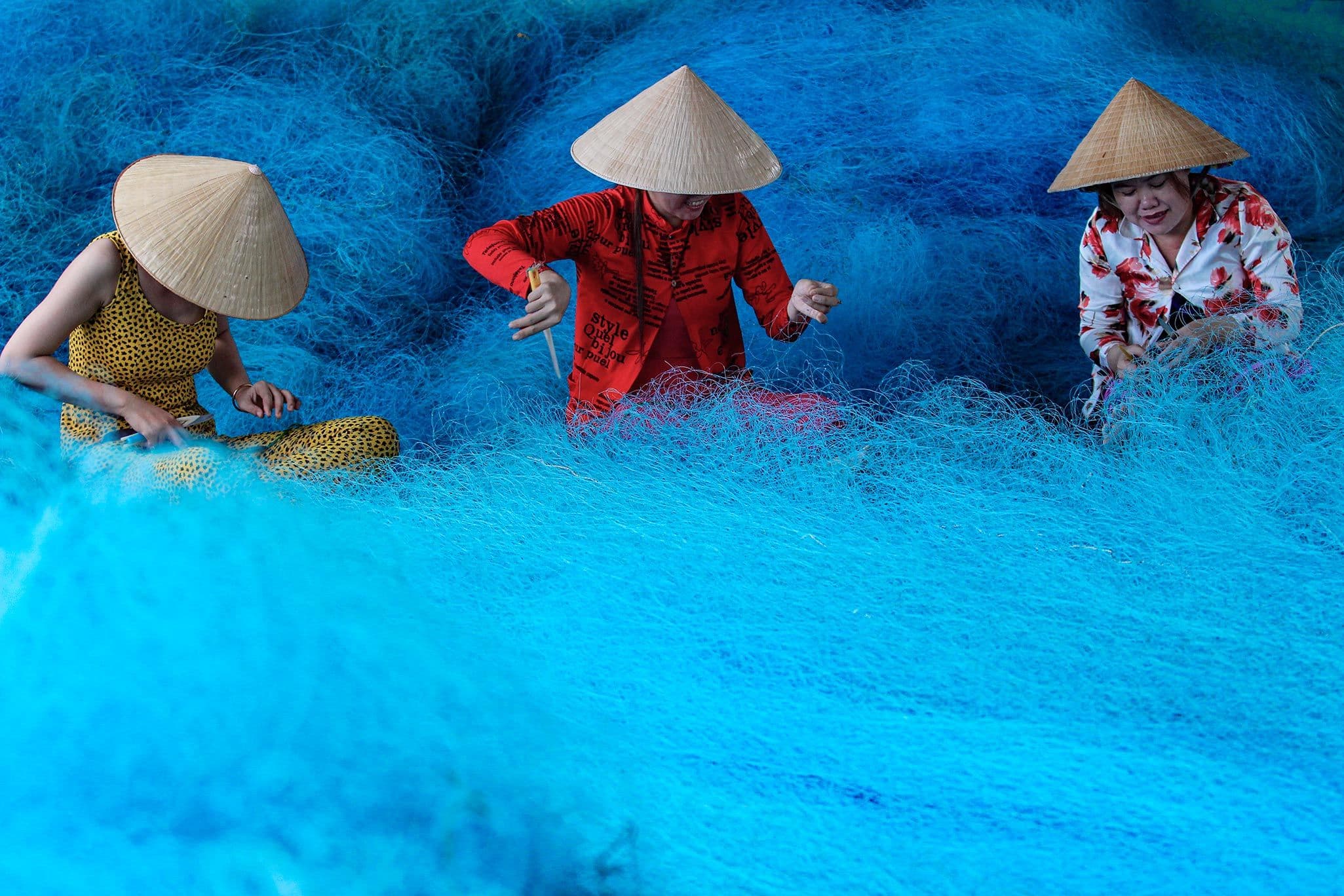
Central Vietnam is also well suited to cooking classes, artisan visits, and daily-life experiences, especially around Hoi An and Hue. While I am not citing a single official source that catalogs all workshops, this is a grounded inference from the region’s tourism identity as a place for culture, food, and preserved heritage environments.
Best Landscapes and Scenic Experiences in Central Vietnam
Hai Van Pass
The Hai Van Pass is one of the region’s most iconic scenic routes, known for coast-meets-mountain views and strong appeal for road trips and photography. This is widely recognized in Vietnam travel guidance, and it fits naturally into the Da Nang–Hue route.
Phong Nha’s cave and karst scenery
Phong Nha’s cave and karst landscapes are among Central Vietnam’s most visually dramatic experiences. UNESCO’s recognition of the park’s limestone karst systems strongly supports its status as one of the region’s best destinations for landscape lovers and soft-adventure travelers.
Coastal scenery from Da Nang to Hoi An and Hue
The route between Da Nang, Hoi An, and Hue creates strong visual variety through beaches, lagoons, mountain backdrops, and scenic coastal movement. That is one reason Central Vietnam works so well as a self-contained journey.
Why Central Vietnam works well for photography
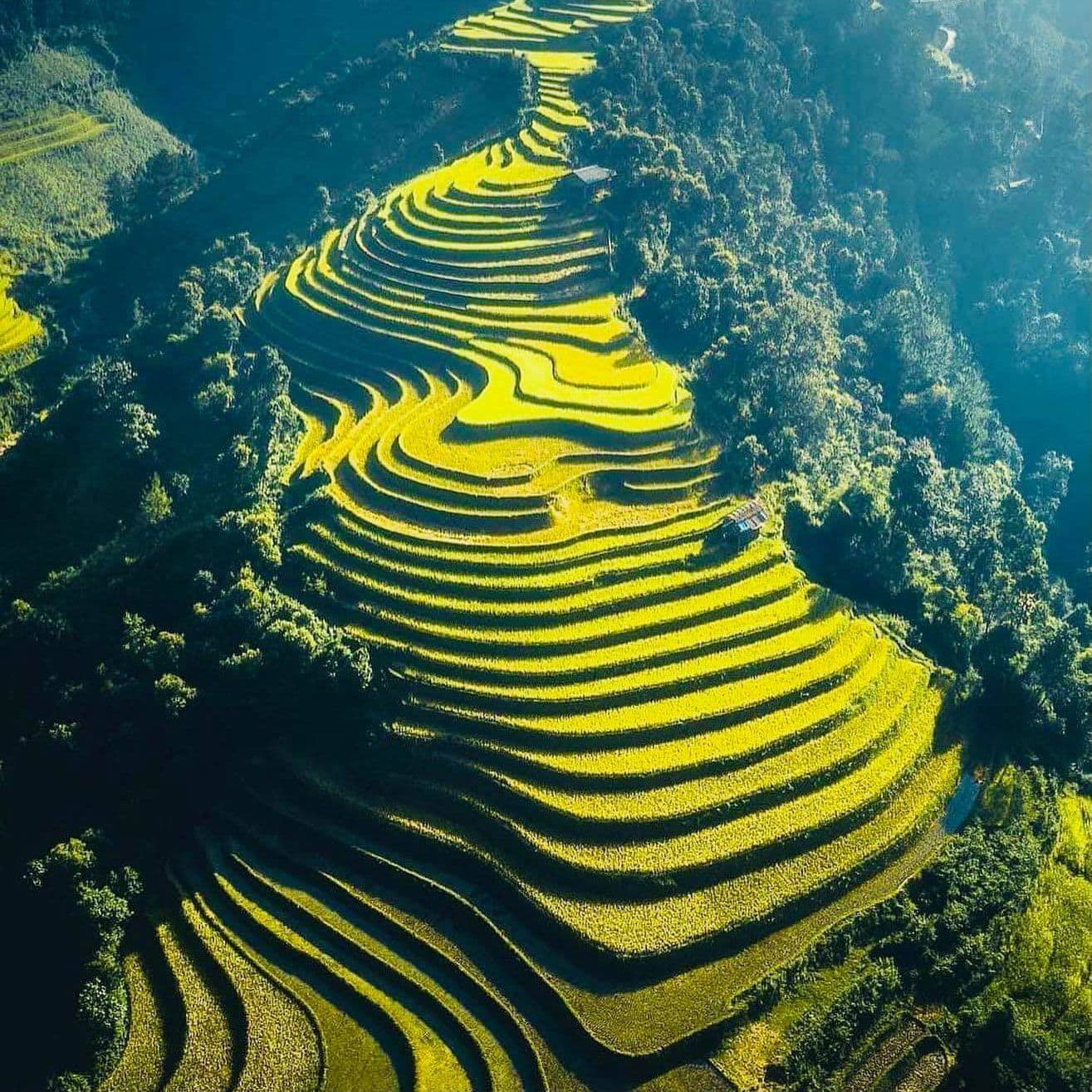
Central Vietnam is particularly strong for photography because it combines heritage architecture, ocean views, scenic passes, caves, and riverside old-town settings in one region. This is an inference, but it is strongly grounded in the documented qualities of Da Nang, Hoi An, Hue, and Phong Nha.
Best Things to Do in Central Vietnam
Central Vietnam works best when travelers combine several styles of experience rather than focusing on only one. The strongest options include relaxing on the beach in Da Nang or near Hoi An, exploring Hoi An Ancient Town and Hue’s imperial sites, driving or riding the Hai Van Pass, discovering the cave landscapes of Phong Nha, and enjoying regional food and local specialties.
Travelers who want more depth can also add workshops, cooking classes, and hands-on cultural encounters, especially in Hoi An and Hue. That combination of beach time, heritage, food, and scenic travel is one of Central Vietnam’s biggest advantages.
Best Time to Visit Central Vietnam
Best time for beaches
For central-coast beach comfort, the drier months are generally best. Official tourism guidance says Da Nang is strongest from March to May and September to October, while June to August can still be very good for beach conditions because rainfall is low and the sea is clear and calm. Hoi An also identifies March to May as its best period.
Best time for culture and sightseeing
Shoulder periods, such as spring and parts of autumn, are especially comfortable for culture-led itineraries because they make walking-heavy travel in Hoi An and Hue easier. This is an inference supported by the official best-time guidance for Da Nang and Hoi An, plus the outdoor nature of these destinations.
Best time for landscapes and scenic routes
For scenic drives and cave landscapes, timing affects visibility, comfort, and greenery. In general, clearer and less rainy periods make routes such as the Hai Van Pass and Phong Nha more rewarding. This is an inference based on regional weather guidance and the outdoor nature of these attractions.
Why season matters more in Central Vietnam than some travelers expect
Central Vietnam does not follow the same weather logic as the north or south. Official tourism guidance specifically notes a rainy season in Da Nang from November to February, and Hoi An experiences rainy days and several storms from October to January. That makes seasonal planning especially important in this region.
How Many Days Do You Need in Central Vietnam?
4 to 5 days
A 4- to 5-day trip is enough for Da Nang, Hoi An, and one major add-on, such as a beach-focused stay or a heritage-heavy detour. This is the minimum comfortable window for travelers who want both coast and culture without rushing too much. This timing recommendation is an inference based on the distances and experience mix of the core route.
6 to 8 days
A 6- to 8-day itinerary is stronger because it allows Da Nang, Hoi An, Hue, and scenic travel in a more balanced way. For many travelers, this is the ideal range for Central Vietnam.
9 to 12 days
A 9- to 12-day itinerary is best if you want to add Phong Nha or quieter extensions and still keep the trip relaxed. This longer window creates a fuller regional experience instead of a highlights-only route.
Suggested Central Vietnam Itinerary Ideas
4-day Central Vietnam highlights trip
A compact 4-day route can focus on Da Nang and Hoi An, giving travelers a strong mix of beach time, local food, and old-town culture.
6-day beaches and heritage itinerary
A 6-day route can comfortably combine Da Nang, Hoi An, and Hue, creating one of the most balanced beach-and-culture itineraries in Vietnam.
8-day beaches, culture, and landscapes itinerary
An 8-day itinerary can add Hai Van Pass movement and Phong Nha for caves and landscapes, making the trip feel much more complete.
Luxury Central Vietnam itinerary
A luxury version of Central Vietnam works especially well with premium coastal stays in Da Nang, boutique experiences in Hoi An, private heritage touring in Hue, and well-paced scenic movement between destinations. This luxury framing is an inference, but it is supported by Da Nang’s resort positioning and the region’s strong high-end travel potential.
Who Should Visit Central Vietnam?
Central Vietnam is a strong fit for first-time visitors to Vietnam, couples wanting romance and scenery, families looking for a balanced trip, luxury travelers wanting comfort and variety, and photography- or culture-focused travelers. That broad fit is an inference, but it follows directly from the region’s combination of beaches, UNESCO heritage, and scenic landscapes.
What Travelers Are Looking for in Central Vietnam Now
More meaningful travel, not just sightseeing
Travelers increasingly want local depth, hands-on experiences, and better-paced itineraries rather than only landmark checklists. Central Vietnam is especially well-suited to that style because of its strong overlap between culture, scenery, and food. This is an inference, but it aligns with current travel demand patterns and the types of experiences promoted by official tourism guidance.
Better balance between relaxation and exploration
Beach plus culture is one of the strongest market fits in Central Vietnam. Few regions in the country make it as easy to combine seaside time with UNESCO heritage and scenic inland exploration.
Customization over fixed packages
Modern travelers often want itineraries shaped around their interests, comfort level, and timing. Central Vietnam supports that well because the route can lean more toward beaches, heritage, or landscapes, depending on the traveler. This is an inference from the modular nature of the region’s core destinations.
Why FtripVietnam Is a Strong Choice for Central Vietnam Travel
Completely customizable based on each client’s requests
FtripVietnam can tailor hotels, destinations, luxury style, beach priorities, cultural focus, scenic routes, and travel pace around each traveler’s needs.
100% local people with 7+ years of experience
Local expertise is especially valuable in Central Vietnam because good planning can make a big difference in route flow, timing, and hidden-value experiences.
Experience with niche markets like Muslims and Judaism
This can be helpful for travelers with specific cultural, dining, or comfort needs who want a more personalized regional itinerary.
Unique tours that clients cannot find anywhere else.
Photography tours, less-generic scenic routes, and deeper local experiences can make a Central Vietnam trip feel far more distinctive than a standard package.
Cooperation with lots of workshops and daily experiences, like cooking classes
This is especially relevant in Hoi An and Hue, where culture can be experienced in a more hands-on way.
High praise from tourists for enthusiastic, knowledgeable, and friendly attitude
That kind of service matters for travelers who want both smooth logistics and more meaningful experiences.
How to Choose the Right Central Vietnam Tour or Itinerary
Choose based on your travel style
Start by deciding whether you care most about beaches, culture, landscapes, luxury, family travel, or photography. Central Vietnam can support all of these, but not equally in every route.
Decide how much movement you want.
Some travelers want slow beach-led travel. Others want a balanced regional route. Others prefer a more scenic and adventure-led version with Phong Nha included. How much movement you want should shape the itinerary.
Match the itinerary to the season.
This is especially important in Central Vietnam because beach comfort and scenic visibility depend heavily on timing, and the region’s rainy pattern differs from the north and south.
Prioritize operators with real local expertise.
Better local planning often leads to a more seamless and rewarding trip, especially when combining coastal stays, heritage sites, and scenic inland travel. This is an inference, but a practical one.
Frequently Asked Questions
What is included in Central Vietnam?
For most travelers, Central Vietnam usually includes Da Nang, Hoi An, Hue, and often Phong Nha as the core route.
Is Central Vietnam better for beaches or culture?
It is strong for both. That balance is one of the region’s main selling points. Da Nang leads on beaches, while Hoi An and Hue lead on culture.
How many days should I spend in Central Vietnam?
Most travelers should aim for 6 to 8 days for a balanced regional route, though 4 to 5 days can work for a shorter highlight trip. This is an itinerary recommendation based on route logic rather than a formal official rule.
Is Da Nang, Hoi An, and Hue a good itinerary?
Yes. It is one of the strongest classic Central Vietnam itineraries because it combines beaches, heritage, and scenic movement in a manageable route.
Is Phong Nha worth adding to a Central Vietnam trip?
Yes, especially for travelers who want landscapes, caves, and a more nature-led itinerary. UNESCO’s recognition of its karst landscape strongly supports its value.
What is the best time to visit Central Vietnam?
For many travelers, March to May is the safest broad recommendation, with September to October also strong for parts of the region. Beach travelers should pay close attention to the central coast's dry season and rainy months.
Can Central Vietnam be planned as a luxury trip?
Yes. Da Nang’s resort coast, Hoi An’s boutique appeal, Hue’s private heritage experiences, and scenic regional routing make Central Vietnam very suitable for luxury travel. This is an inference supported by the region’s destination profile.
Conclusion
Central Vietnam is one of the best regions in the country for travelers who want beaches, culture, and landscapes in one journey. Its biggest appeal is that it offers variety, convenience, and depth without requiring a full-country itinerary. You can relax on the coast, explore UNESCO heritage, enjoy scenic drives, and add cave landscapes all within one practical route.
For travelers who want a smoother and more personalized Central Vietnam trip, working with local experts like FtripVietnam can be a strong option. A tailored itinerary built around beach time, cultural interests, scenic priorities, luxury preferences, and unique local experiences usually leads to a more rewarding journey.


Founder & Photography Guide
Specialties: Culture, landscape, portrait, hiking, active and adventurous tour
Besides my unlimited passion for traveling, a professional tour guide for over a decade, I have been taking photographs since sitting at Hanoi of the University of Culture in the early 2000s. Photography started as a hobby but it was seriously taken due to my work relations and my significant passion for the beauty of our world, especially in Southeast Asian parts such as Vietnam, Laos, Cambodia, and Myanmar.
Within a few years of taking photographs, my works began to be recognized by many reliable international publications such as AFAR Travel, The Times, and The Daily Telegraph newspaper. In addition, I continuously add to my growing profile by winning numerous major awards: 3rd Position of The Independent Photographer 2018, 1st Position of Amateur Photographer of the year 2018, Grand Prize Winner of the AFAR Travel Photography 2019, and a Gold Award of San Francisco Bay International Photography 2020.
I photograph a wide variety of subjects, from travel to landscapes to street scenes. I enjoy documenting the East’s rich cultural heritage and its land soaked in glorious sunrise or sunset light in remote and secluded spots. And, I am very happy to share my knowledge and experience with you. You can visit Luminousvietnamtour to explore tour!