- Vietnam weather in plain English (North vs Central vs South)
- Northern Vietnam (Hanoi - mountains - imestone day trips)
- Central Vietnam (Hoi An - Da Nang - Hue coastline)
- Southern Vietnam (Saigon - Mekong - islands)
- Best time to visit Vietnam by travel goal
- Best overall (first-timers doing North → Central → South)
- Best for beaches
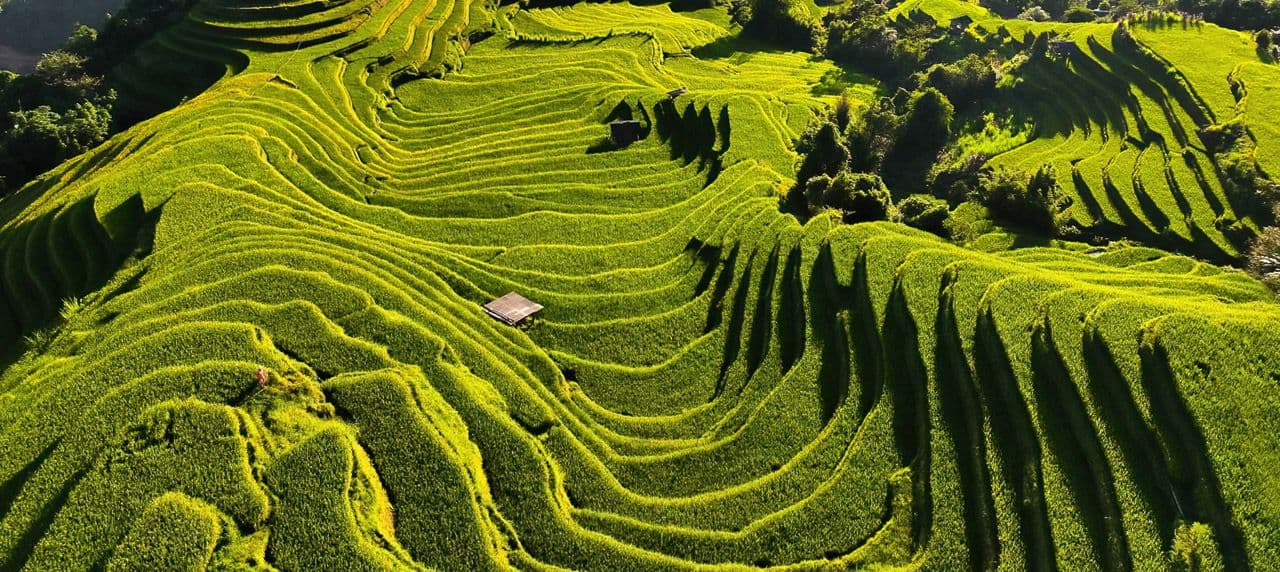
- Best for mountains + trekking (Sapa/Ha Giang)
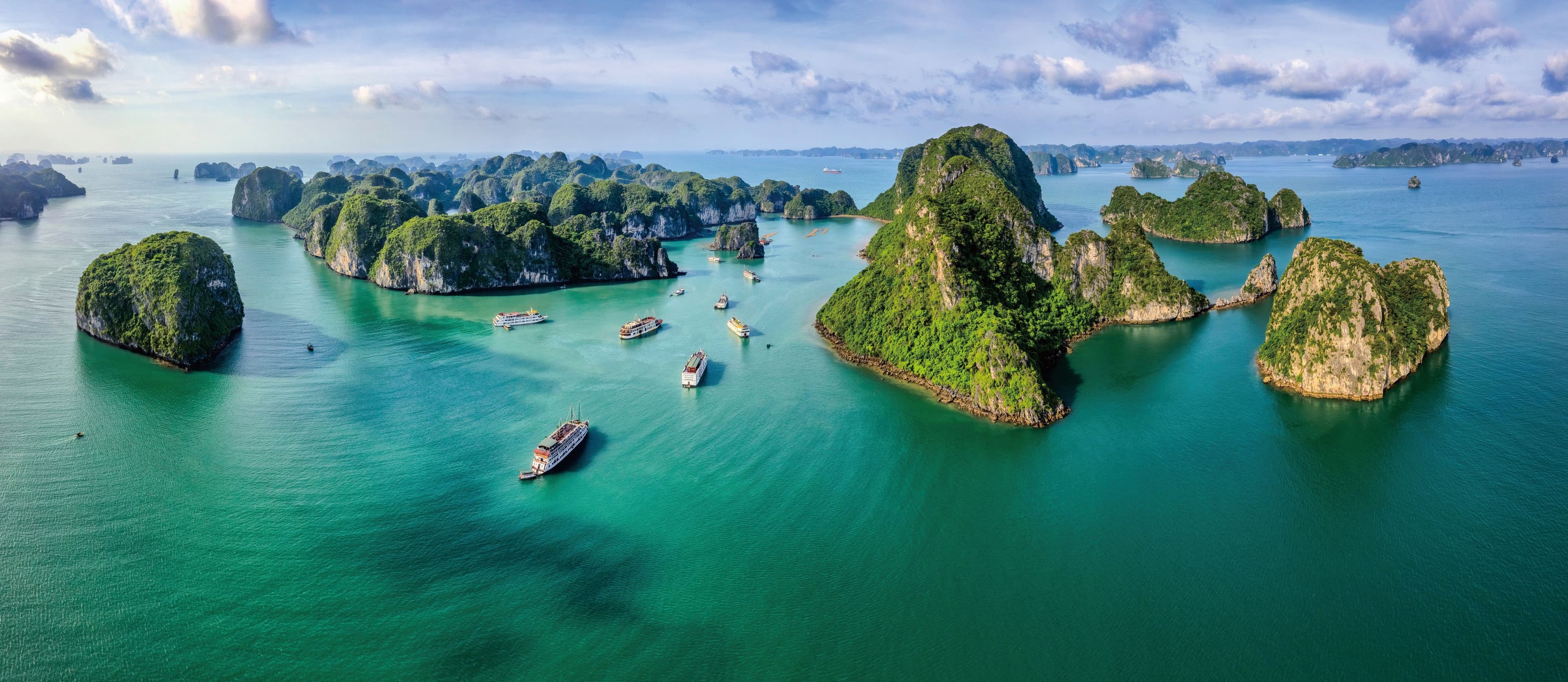
- Best for cruises (Ha Long / Lan Ha / Bai Tu Long style routes)
- Costs & crowds: what to expect (and how to save)
- Peak season (more crowds, higher prices)
- Low season (best value)
- Money-wise booking tips (fast box)
- Travel activities by season
- Dry-season strengths (roughly Nov - Apr, varies by region)
- Shoulder seasons (spring + autumn feel)
- Rainy season strengths (May - Oct)
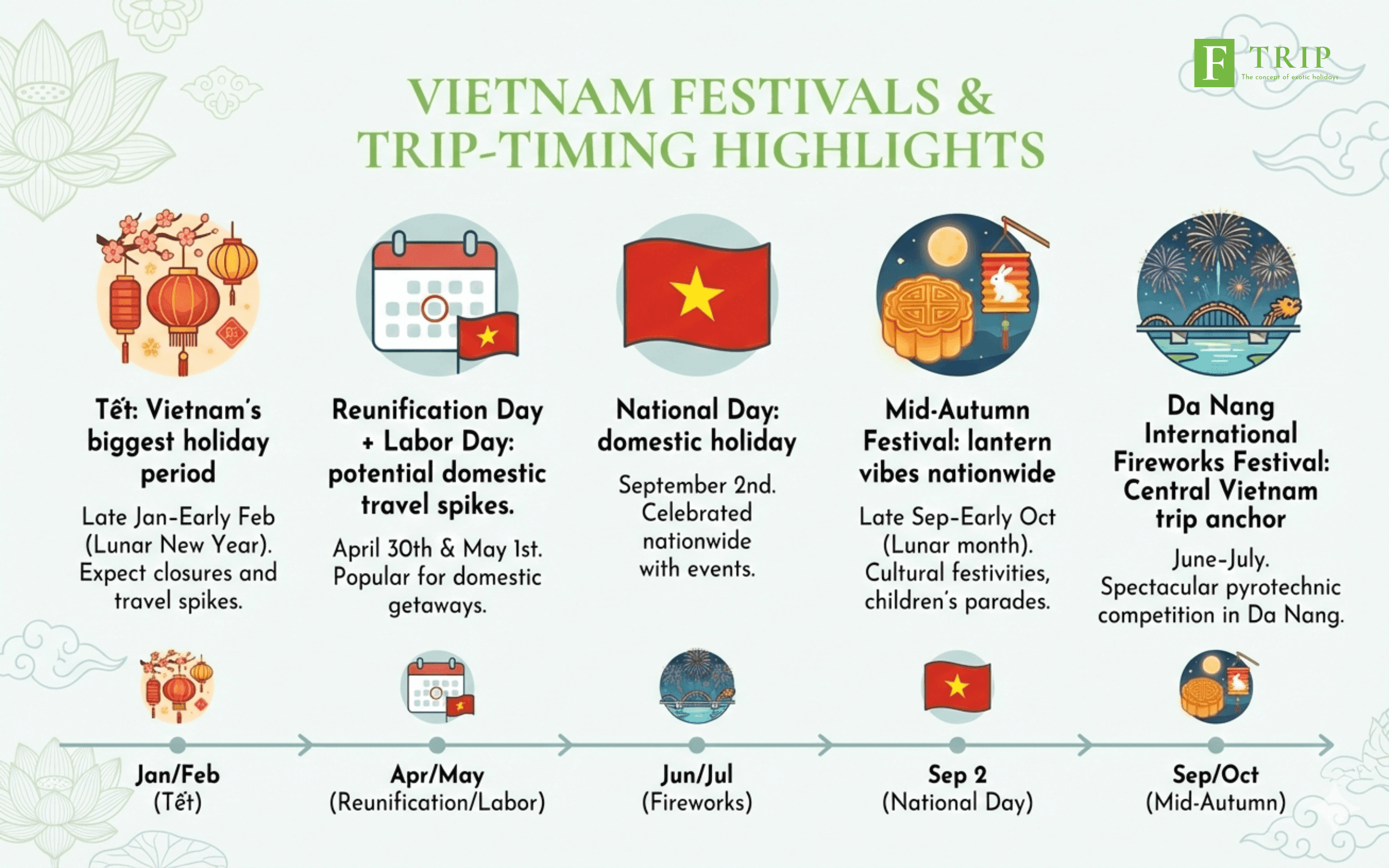
- Vietnam festivals and trip-timing highlights
- Month-by-month planner (quick table)
- Planning shortcuts
- FtripVietnam services
- Conclusion
Choosing the best time to visit Vietnam can feel confusing at first because the country does not have one single travel season. Stretching from the mountains of the north to the beaches of the central coast and the tropical waterways of the south, Vietnam has clear regional weather differences that can affect your route, travel costs, outdoor activities, and overall comfort. A month that is ideal for trekking in Sapa may not be the best time for beach days in Central Vietnam, while a period with short tropical showers in Ho Chi Minh City can still be very enjoyable for food tours, cultural sightseeing, and Mekong Delta experiences.
From a practical travel-planning perspective, the most comfortable months for many first-time visitors are usually from March to April and from October to early December. These periods often offer a better balance of pleasant weather, manageable crowds, scenic landscapes, and flexible itinerary options across different parts of the country. However, the best time for your trip still depends on what you want to experience. Travelers looking for beaches, photography, family holidays, cultural festivals, luxury resorts, trekking, food tours, or a more budget-friendly journey may each benefit from choosing a different travel window.
This guide is designed to help you compare Vietnam’s weather, travel costs, and seasonal activities in a clear and useful way. Instead of giving a one-size-fits-all answer, it explains how each season works, which regions are more suitable in different months, when prices tend to rise, and what activities are worth planning around. Whether you are building a north-to-south itinerary, visiting Vietnam for the first time, or combining major highlights with local experiences, FtripVietnam can help you choose the right travel period and design a personalized journey based on your schedule, comfort level, budget, and preferred travel style.
Vietnam isn’t “one weather forecast.” It’s a long S-shaped country where the north can feel like spring while the south is in full tropical heat. The best time to visit depends on where you’re going, what you want to do, and whether you’re optimizing for price or perfect skies.
Vietnam weather in plain English (North vs Central vs South)
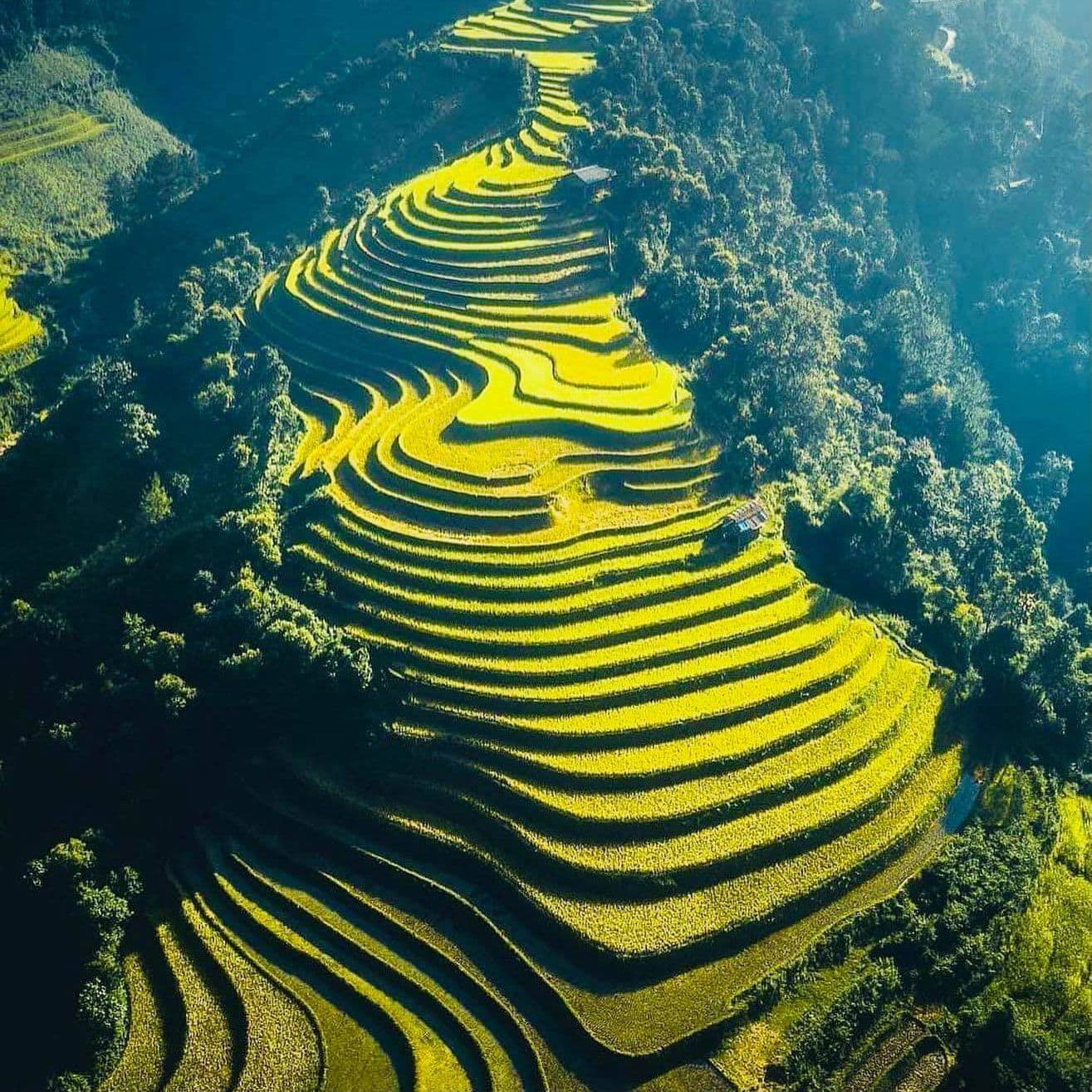
Northern Vietnam (Hanoi - mountains - imestone day trips)
Think cooler winters + clear sightseeing in the drier stretch, with great shoulder-season comfort for city + landscapes. Top bases include Hà Nội, Ninh Bình, Sa Pa, and Hà Giang.
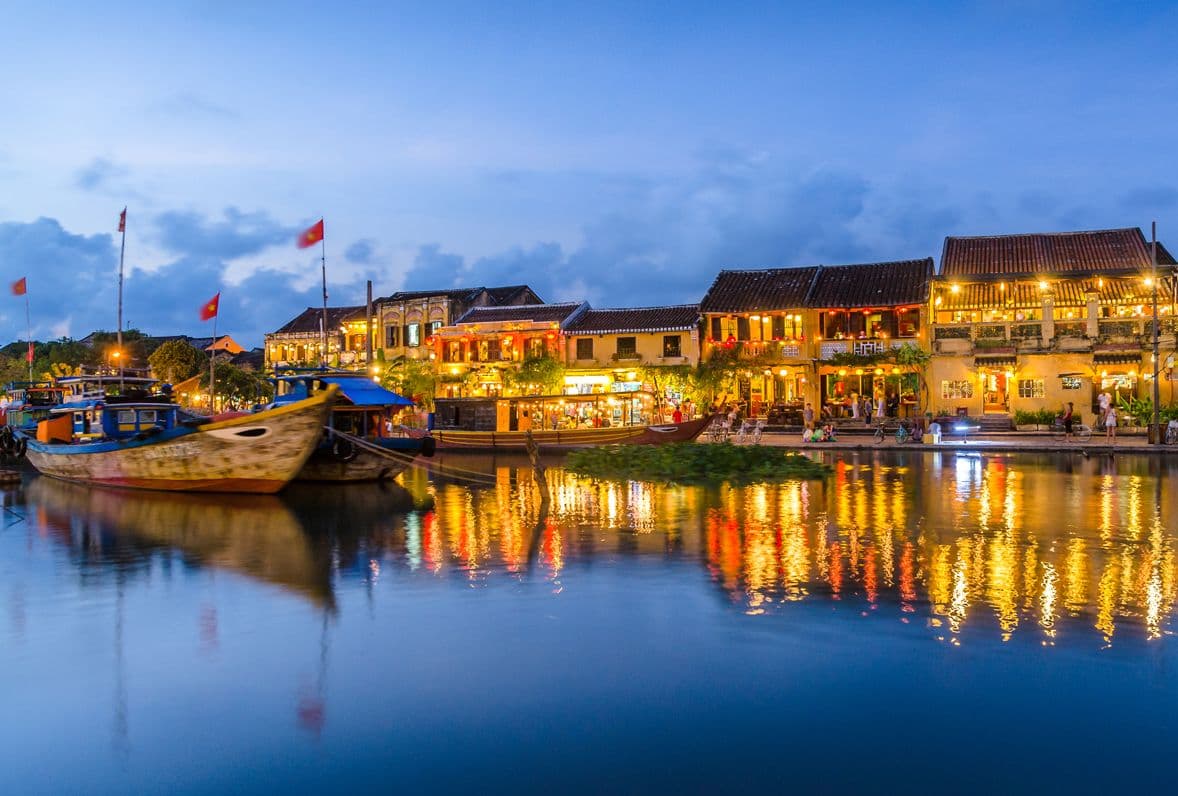
Central Vietnam (Hoi An - Da Nang - Hue coastline)
Central Vietnam can be beach-friendly for long stretches of the year, but it’s also the region where late-year storms and flooding can hit hardest - so you plan with forecasts and buffers, especially in the fall. Key cities: Đà Nẵng and Huế.
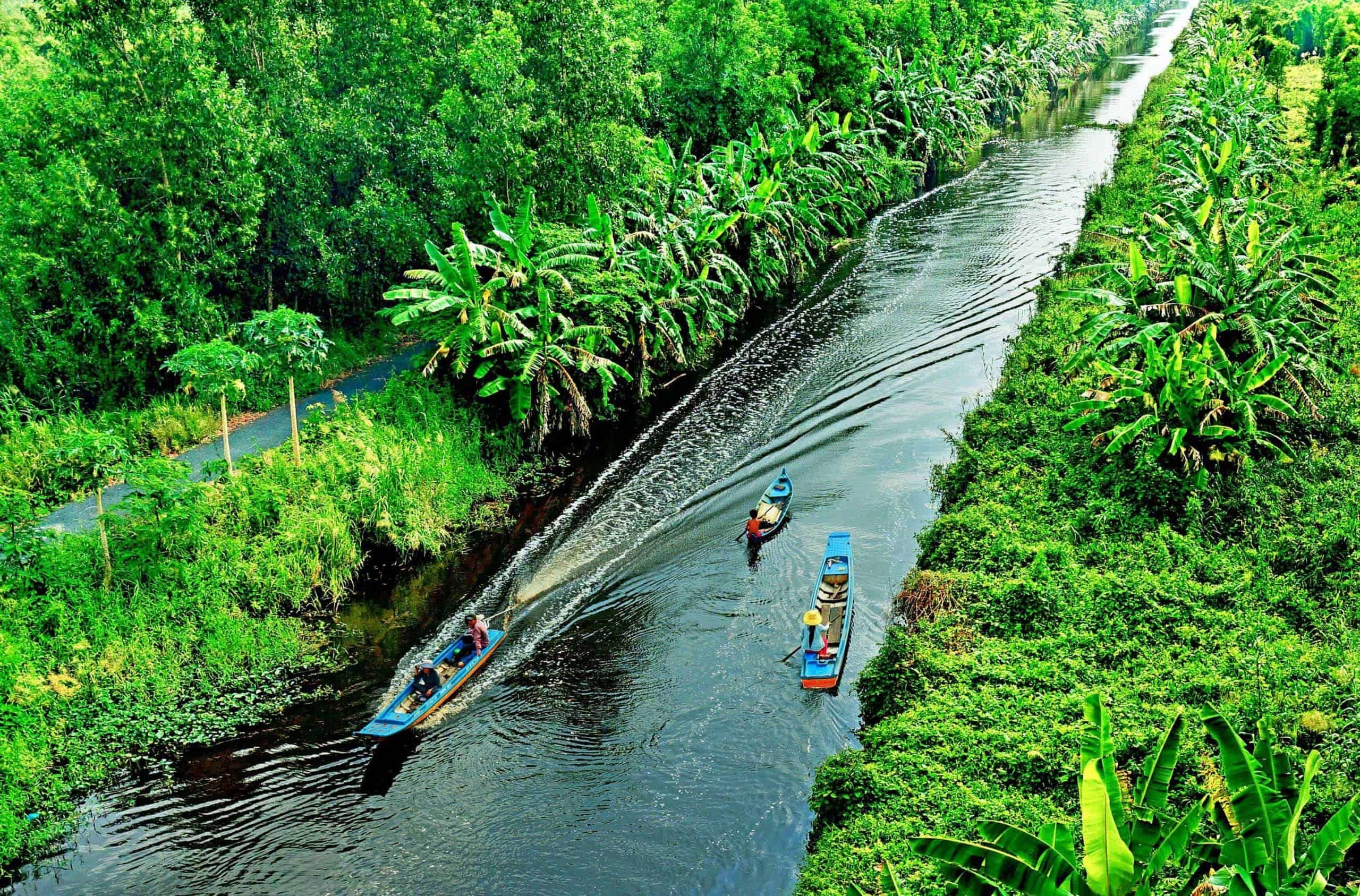
Southern Vietnam (Saigon - Mekong - islands)
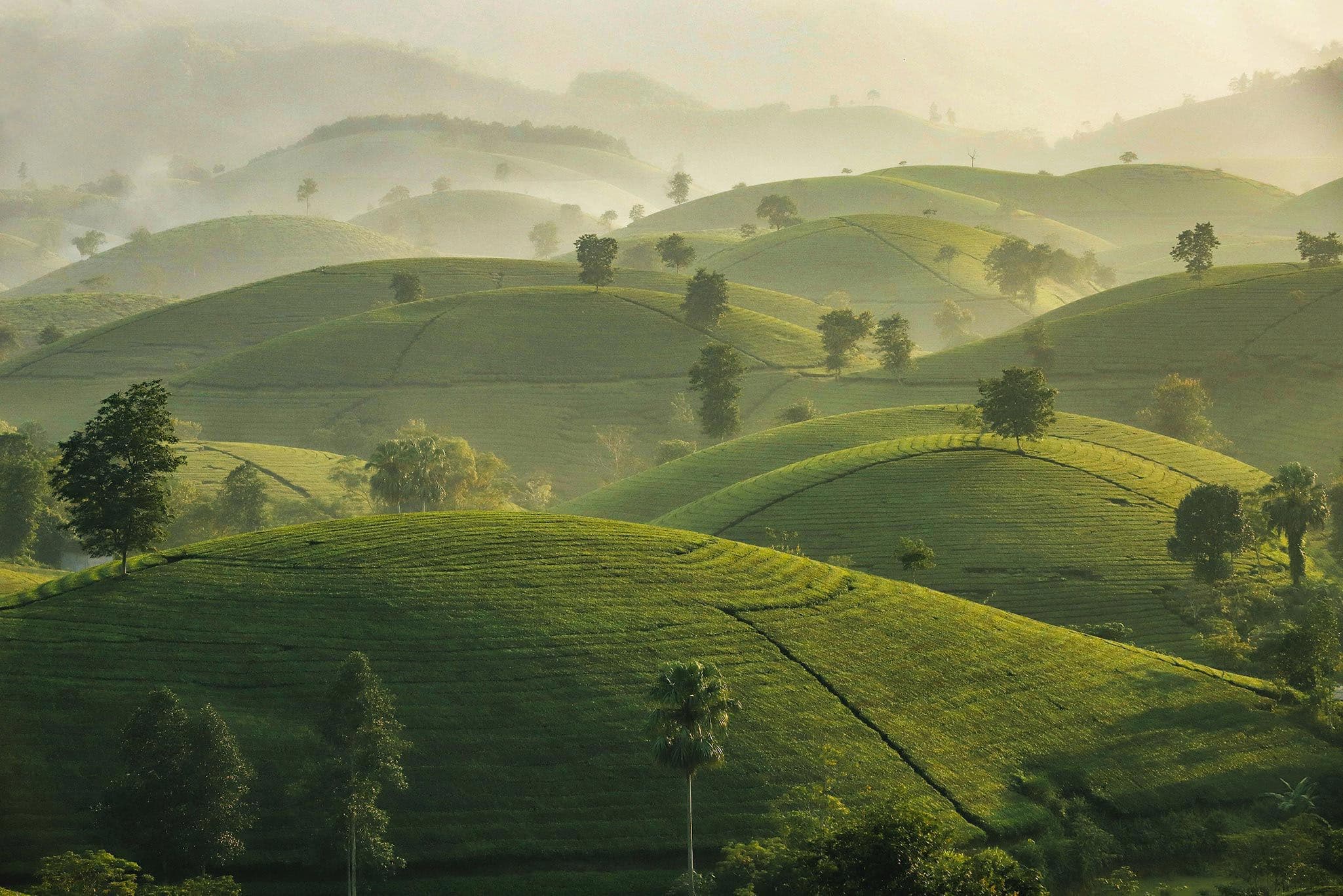
The south is the most “tropical”: drier months are usually easier; rainy months often bring short, intense downpours rather than day-long drizzle. Core bases: Ho Chi Minh City and the Mekong Delta.
Best time to visit Vietnam by travel goal
Best overall (first-timers doing North → Central → South)
- March - May: one of the strongest “all-around” windows for mixing multiple regions.
- Nov - Apr: widely recommended for easier logistics and lower rain risk in many areas.
Best for beaches
- Southern islands (Phu Quoc): typically best in the drier season window.
- Central coast beaches: often favored from late winter into summer; check local patterns if you’re targeting specific beach towns.
Best for mountains + trekking (Sapa/Ha Giang)
- Many planners recommend the drier, cooler stretch for clearer views and more comfortable hiking (winter can be chilly in the far north).
Best for cruises (Ha Long / Lan Ha / Bai Tu Long style routes)
- Shoulder seasons often win: more comfortable temperatures and fewer “weather surprises” than peak summer storms or colder winter haze (exact conditions vary).
- If you’re building a “nature highlight,” note that Ha Long’s landscape is now part of the UNESCO-listed Ha Long Bay - Cat Ba Archipelago.
Read more: Best Time to Visit Nha Trang Vietnam for Beaches, Diving, and Sunshine
Costs & crowds: what to expect (and how to save)
Peak season (more crowds, higher prices)
- Nov - Apr is commonly treated as the higher-demand period, especially for classic routes and islands.
- Holiday spikes: Christmas/New Year and especially Tết can push up demand—book early and expect some businesses to run limited hours.
Low season (best value)
- May - Oct often brings better hotel rates and tour availability, with the tradeoff of heat + downpours.
Money-wise booking tips (fast box)
- For Nov - Apr and holiday weeks: lock flights/hotels early.
- For value: target late May/early June or Sep - Nov, then choose regions strategically (especially in central Vietnam during storm-prone periods).
Travel activities by season
Dry-season strengths (roughly Nov - Apr, varies by region)
- City walking + food tours
- Easier day trips and island time
- “Pack-and-go” itineraries with fewer weather disruptions
Shoulder seasons (spring + autumn feel)
- Photography, mixed itineraries, and “best-of” routes that combine cities + nature
- Often a smart balance of comfort and price (region-dependent)
Rainy season strengths (May - Oct)
- Lush landscapes, fewer crowds, better deals
- Best approach: outdoor mornings + indoor backups later in the day
Vietnam festivals and trip-timing highlights
- Tết: Vietnam’s biggest holiday period; amazing atmosphere, but busy travel and some altered hours.
- Reunification Day + Labor Day: potential domestic travel spikes.
- National Day: another domestic holiday period to note.
- Mid-Autumn Festival: lantern vibes nationwide; extra photogenic in Hoi An.
- Da Nang International Fireworks Festival: often used as a Central Vietnam trip anchor (dates vary by year).
Month-by-month planner (quick table)
| Months | Weather snapshot (simple) | Costs/Crowds | Best for |
|---|---|---|---|
| Jan**** - Feb | Dry-season comfort in many areas; north can be cooler | Peak energy; Tết may fall here | First-timer highlights, city + food, islands |
| Mar-May | One of the best “balanced” windows across regions | Strong demand but often manageable | North→Central→South routes, trekking + beaches |
| Jun-Aug | Hot + humid; rain risk higher | Mixed: deals exist; some beach areas busy | Flexible travelers, lush landscapes, summer beaches (with planning) |
| Sep-Oct | Transition months; watch central storm risk | Often good value | Photographers, shoulder-season deal hunters |
| Nov-Dec | Conditions improve in many regions | Peak season returns | “Easy mode” itineraries, cruises + islands |
Planning shortcuts
- If you’re doing North → Central → South, two domestic flights usually make the route feel 10x smoother (you save full travel days).
- Decide what you optimize first: best weather or best price - then choose regions that match that choice (instead of forcing “all Vietnam” into one weather window).
- For Central Vietnam in late-year months, build buffer days and keep an eye on forecasts due to real flood/storm risk.
Read more: Best Time to Visit Northern Vietnam for Mountains, Rice Terraces, and Cool Weather
FtripVietnam services
If you want a low-stress plan, FtripVietnam can help you:
Pick the best travel weeks based on your route (North/Central/South) + priorities (cruise, beach, trekking, festivals).
Design a custom itinerary that avoids weather “bad bets,” with flexible backup days.
Support peak-season bookings (cruise cabins, boutique hotels) and shoulder-season value planning.
Conclusion
Vietnam’s “best time” isn’t one month - it’s the month that matches your route. If you want the easiest all-around conditions for a multi-region trip, March - May is a strong bet. If you want a widely recommended lower-rain travel window, aim for November - April, but expect higher demand and holiday spikes, especially around Tết. And if you’re traveling on a budget, May - October can deliver real savings - just plan flexible days and choose regions strategically, particularly in Central Vietnam during storm-prone periods.

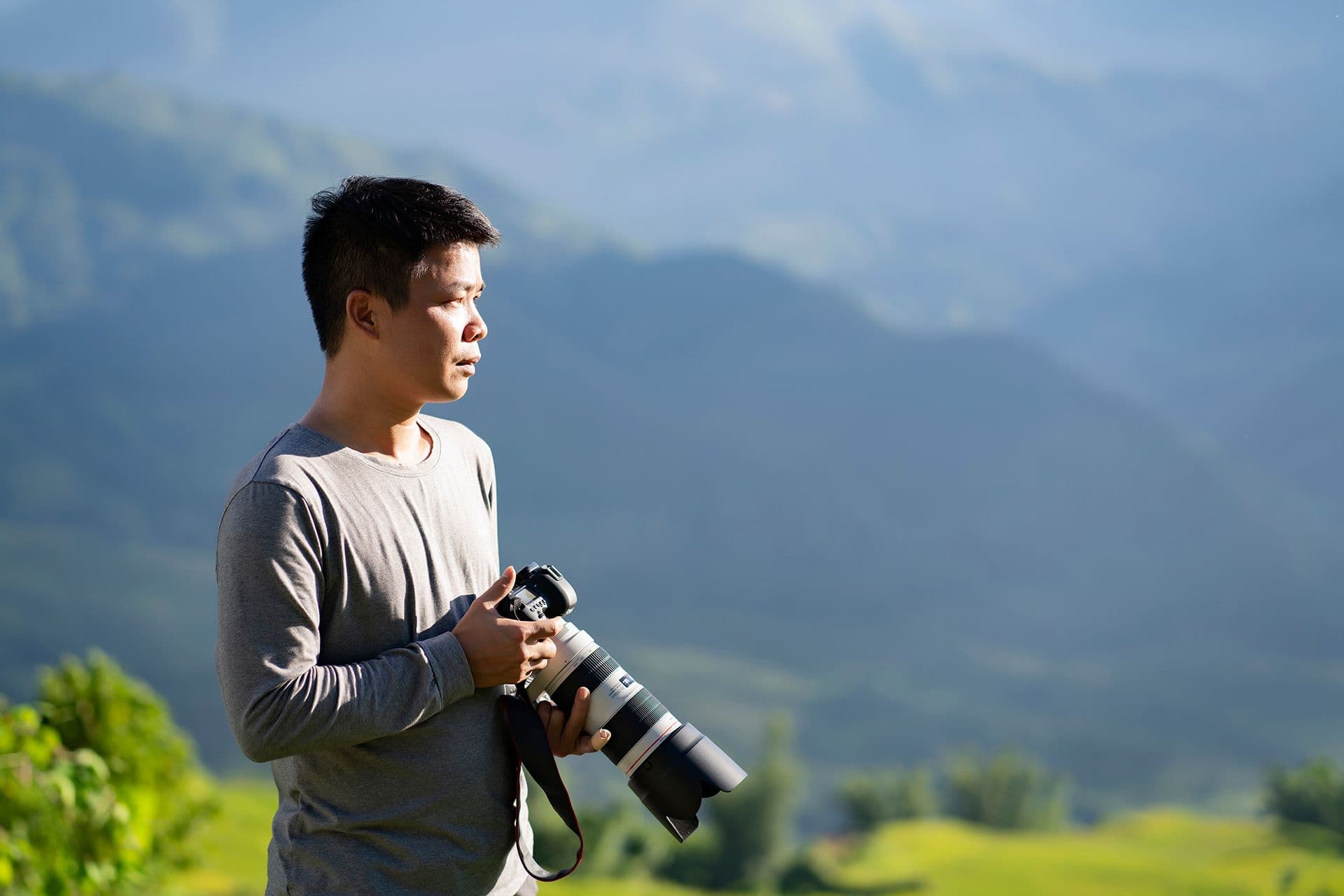
Founder & Photography Guide
Specialties: Culture, landscape, portrait, hiking, active and adventurous tour
Besides my unlimited passion for traveling, a professional tour guide for over a decade, I have been taking photographs since sitting at Hanoi of the University of Culture in the early 2000s. Photography started as a hobby but it was seriously taken due to my work relations and my significant passion for the beauty of our world, especially in Southeast Asian parts such as Vietnam, Laos, Cambodia, and Myanmar.
Within a few years of taking photographs, my works began to be recognized by many reliable international publications such as AFAR Travel, The Times, and The Daily Telegraph newspaper. In addition, I continuously add to my growing profile by winning numerous major awards: 3rd Position of The Independent Photographer 2018, 1st Position of Amateur Photographer of the year 2018, Grand Prize Winner of the AFAR Travel Photography 2019, and a Gold Award of San Francisco Bay International Photography 2020.
I photograph a wide variety of subjects, from travel to landscapes to street scenes. I enjoy documenting the East’s rich cultural heritage and its land soaked in glorious sunrise or sunset light in remote and secluded spots. And, I am very happy to share my knowledge and experience with you. You can visit Luminousvietnamtour to explore tour!