- Overview of Vietnam Trip Cost from the USA
- Main Cost Categories to Plan For
- Estimated Budget by Travel Style
- Why Costs Vary So Much?
- International Flights from the USA to Vietnam
- Typical Flight Cost Range
- Factors That Affect Flight Prices
- How US Travelers Can Save on Flights
- Hotel Costs in Vietnam
- Budget Accommodation
- Mid-Range Hotels and Boutique Stays
- Luxury Hotels, Resorts, and Cruises
- Daily Food and Drink Expenses in Vietnam
- Street Food and Local Meals
- Mid-Range Dining
- Fine Dining and Special Meals
- Domestic Flights and Transportation Costs in Vietnam
- Domestic Flights
- Private Transfers and Cars with Drivers
- Local Transport, Taxis, and Ride-Hailing
- Tour, Activity, and Entrance Fee Costs
- Cultural Tours and City Experiences
- Nature, Cruises, and Outdoor Experiences
- Workshops and Local Experiences
- Sample Vietnam Trip Cost from USA by Travel Length
- Around 7–9 Days in Vietnam
- Around 10–12 Days in Vietnam
- More Than 2 Weeks in Vietnam
- Budget Levels for Different Types of US Travelers
- Budget-Friendly Vietnam Trip
- Comfortable Mid-Range Vietnam Trip
- Luxury Vietnam Trip
- Hidden Costs US Travelers Should Not Forget
- Travel Insurance and Health Preparation
- Visa, Passport, and Entry-Related Costs
- SIM, eSIM, Laundry, Tips, and Small Purchases
- Peak Season and Holiday Surcharges
- Smart Ways to Save Money Without Lowering Trip Quality
- How to Customize a Vietnam Trip Budget Based on Travel Style?
- For Couples and Honeymooners
- For Families
- For Senior Travelers
- For Luxury Travelers
- What US Travelers Should Know Before Booking?
- Long-Haul Flights Affect the Overall Value
- Vietnam Is Affordable, But Not Every Trip Is Cheap
- Exchange Rates and Payment Methods Matter
- Costs Should Match the Itinerary, Not Just the Destination
- Why Plan Your Vietnam Trip Cost with FtripVietnam?
- FAQs
- How much does a Vietnam trip from the USA cost?
- How much are flights from the USA to Vietnam?
- How much should I budget per day in Vietnam?
- Is Vietnam affordable for US travelers?
- Conclusion
Planning a Vietnam trip from the United States often begins with one important question: how much should travelers actually budget for the full vacation? The answer is not the same for every traveler because the total Vietnam trip cost from the USA depends on many factors, including flight season, departure city, travel length, hotel category, destinations, domestic flights, private tours, and daily spending style.
For many US travelers, Vietnam is appealing because it can fit different budgets. A couple may plan a comfortable mid-range journey with boutique hotels, local food tours, domestic flights, and private transfers on key routes. A family may spend more on family rooms, reliable transportation, kid-friendly experiences, and rest days. A honeymoon couple or luxury traveler may prefer 5-star hotels, private guides, premium cruises, beach resorts, fine dining, and curated cultural activities.
International flights are usually the biggest upfront cost. Flight prices can change quickly depending on airline availability, travel season, holidays, fuel-related costs, baggage policy, and booking timing. In contrast, in-country expenses in Vietnam are often more flexible. Travelers can control their budget by adjusting hotel level, number of destinations, meal style, transportation type, and selected experiences.
This guide explains the main Vietnam trip costs for US travelers, including flights, hotels, food, domestic transportation, tours, hidden expenses, and sample budget levels. For travelers who want a clearer estimate before booking, FtripVietnam can help create a personalized Vietnam itinerary based on budget, comfort level, preferred destinations, travel pace, and special requests.
Overview of Vietnam Trip Cost from the USA
Main Cost Categories to Plan For
A realistic Vietnam travel budget should include more than just flights and accommodation. US travelers should think about the full journey from the moment they leave home until they return.
The main cost categories include:
• International round-trip flights from the USA to Vietnam. • Hotels, resorts, boutique stays, homestays, or luxury properties. • Domestic flights and local transportation inside Vietnam. • Food, drinks, cafés, snacks, and daily meals. • Tours, entrance fees, cruises, workshops, and special experiences. • Travel insurance, visa-related costs, SIM or eSIM, tips, laundry, shopping, and personal expenses.
The total cost depends on how these categories are combined. For example, a traveler who visits only Hanoi, Ninh Binh, and Hoi An may spend less on transportation than someone who covers northern, central, and southern Vietnam in one trip. Similarly, travelers who choose local restaurants and boutique hotels will have a very different budget from those who choose private villas, luxury cruises, and fine dining.
A useful way to plan is to separate the budget into two parts: international flight costs and in-country expenses. Flights from the USA are often less flexible once the travel dates are fixed, while Vietnam’s local costs can be adjusted more easily through itinerary design.
Estimated Budget by Travel Style
Vietnam can be planned for budget, mid-range, and luxury travelers. Budget travelers usually stay in simple hotels or guesthouses, eat mostly local food, use more public transport, and choose fewer paid tours. This style can work well for backpackers, solo travelers, students, and flexible visitors who are comfortable with basic services.
Mid-range travelers often choose 3–4 star hotels, domestic flights between major regions, private transfers for important routes, guided city tours, food experiences, and a few special activities such as cooking classes or cruises. This is often the most practical budget level for US couples, families, and first-time visitors because it balances comfort, convenience, and value.
Luxury travelers spend more on premium hotels, private guides, private transfers, curated dining, upgraded rooms, resort stays, wellness experiences, and exclusive local activities. This style is common for honeymooners, senior travelers, anniversary trips, and travelers who want a high level of comfort throughout the journey.
As a general reference, many 2026 Vietnam travel-budget estimates place daily in-country spending at around $35–50 for budget travelers, $80–150 for mid-range travelers, and $250 or more for luxury travelers, excluding international flights. These numbers should be treated as flexible estimates because the actual cost depends heavily on destination, season, hotel choice, and tour quality.
Why Costs Vary So Much?
Vietnam trip costs vary because two travelers can visit the same country in completely different ways. One traveler may spend most days walking through local markets, eating street food, and staying in simple hotels. Another traveler may take domestic flights, book private guides, stay in luxury resorts, and join premium cruises.
Flight prices from the USA can change based on departure airport, arrival city, airline, season, booking window, baggage rules, layover length, and broader airfare trends. Hotel prices also vary by location. Central areas in Hanoi, Ho Chi Minh City, Hoi An, Da Nang, Phu Quoc, and Ha Long Bay are usually more expensive than less tourist-heavy areas.
Private tours, domestic flights, cruises, special workshops, and beach resorts can increase the total cost quickly. However, a higher budget does not always mean a better trip. Good planning helps travelers spend money where it improves comfort and experience, while avoiding unnecessary stops, inefficient routes, and rushed schedules.
International Flights from the USA to Vietnam
Typical Flight Cost Range
International flights are often the first major expense for US travelers. Round-trip flights from the USA to Vietnam can vary widely depending on departure city, season, airline, route, and booking timing.
Travelers departing from major West Coast cities such as Los Angeles, San Francisco, or Seattle may find more convenient routes and better connections than travelers departing from smaller US airports. East Coast travelers often need longer connections through major international hubs, which can affect both price and travel time.
Recent flight examples show that US–Vietnam round-trip fares may appear around the high hundreds of dollars, with many routes starting around $700 or higher depending on date and availability. During peak seasons, school breaks, holiday periods, or last-minute booking windows, prices can rise significantly.
Because airfare is highly changeable, travelers should avoid building the entire budget around the cheapest fare they see once. A more realistic approach is to set a flight budget range and track prices early, especially if travel dates are fixed.
Factors That Affect Flight Prices
Several factors can influence flight prices from the USA to Vietnam:
• US departure city and nearby airport options. • Vietnam arrival city, usually Hanoi or Ho Chi Minh City. • Travel season, school breaks, holidays, and Tet period. • Airline availability, booking window, and promotional fares. • Number of stops, layover time, baggage policy, and seat class.
For long-haul travel, the cheapest ticket is not always the best value. A lower fare may include long layovers, inconvenient arrival times, limited baggage, or multiple connections. This can be tiring for families, senior travelers, and anyone starting the trip with limited vacation time.
When comparing flights, US travelers should look at the total experience, not only the ticket price. A slightly higher fare may be worthwhile if it reduces travel fatigue, includes checked baggage, offers better arrival timing, or allows a smoother connection.
How US Travelers Can Save on Flights
US travelers can often save money by being flexible with airports and dates. Comparing both Hanoi and Ho Chi Minh City as arrival points is useful because one city may offer better fares or connections at certain times. Travelers can also consider an open-jaw route, such as flying into Hanoi and returning from Ho Chi Minh City, to reduce backtracking inside Vietnam.
Booking earlier is especially important for peak travel periods. If travelers plan to visit during summer, Christmas, New Year, spring break, or Vietnam’s Tet holiday, waiting too long may reduce the number of good flight options.
Another practical strategy is to compare nearby US departure airports. In some cases, starting from a larger international gateway can provide better routes, fewer connections, or better overall value.
Hotel Costs in Vietnam
Budget Accommodation
Budget accommodation in Vietnam is suitable for backpackers, solo travelers, and flexible visitors who want to keep costs low. Options usually include hostels, guesthouses, simple hotels, and basic homestays.
This category can work well for travelers who spend most of the day exploring and only need a clean, simple place to sleep. In cities such as Hanoi, Ho Chi Minh City, Da Nang, Hue, and Hoi An, budget travelers can often find affordable stays in convenient areas.
However, travelers should look beyond the nightly price. Room cleanliness, bathroom quality, noise level, elevator access, air conditioning, location, and guest reviews can strongly affect comfort. A very cheap hotel far from the center may also increase transportation costs and reduce convenience.
Budget accommodation may be fine for short stays, but families, seniors, honeymooners, and travelers arriving after a long flight from the USA often prefer more comfort.
Mid-Range Hotels and Boutique Stays
Mid-range hotels are often the best fit for US travelers who want comfort without luxury pricing. This category may include 3–4 star hotels, boutique properties, private rooms with breakfast, central locations, pools, and small wellness facilities.
Vietnam offers strong mid-range value compared with many US destinations. In many cities and heritage towns, travelers can stay in comfortable properties with good service, pleasant design, and convenient locations at a reasonable price.
This hotel level works well for couples, families, and first-time visitors. It provides a smoother experience after long travel days, early tours, domestic flights, or busy sightseeing schedules.
For travelers booking with FtripVietnam, hotel choices can be adjusted based on preferred style, location, room type, budget, and comfort expectations. This is especially helpful because two hotels with similar prices may offer very different experiences depending on location and service quality.
Luxury Hotels, Resorts, and Cruises
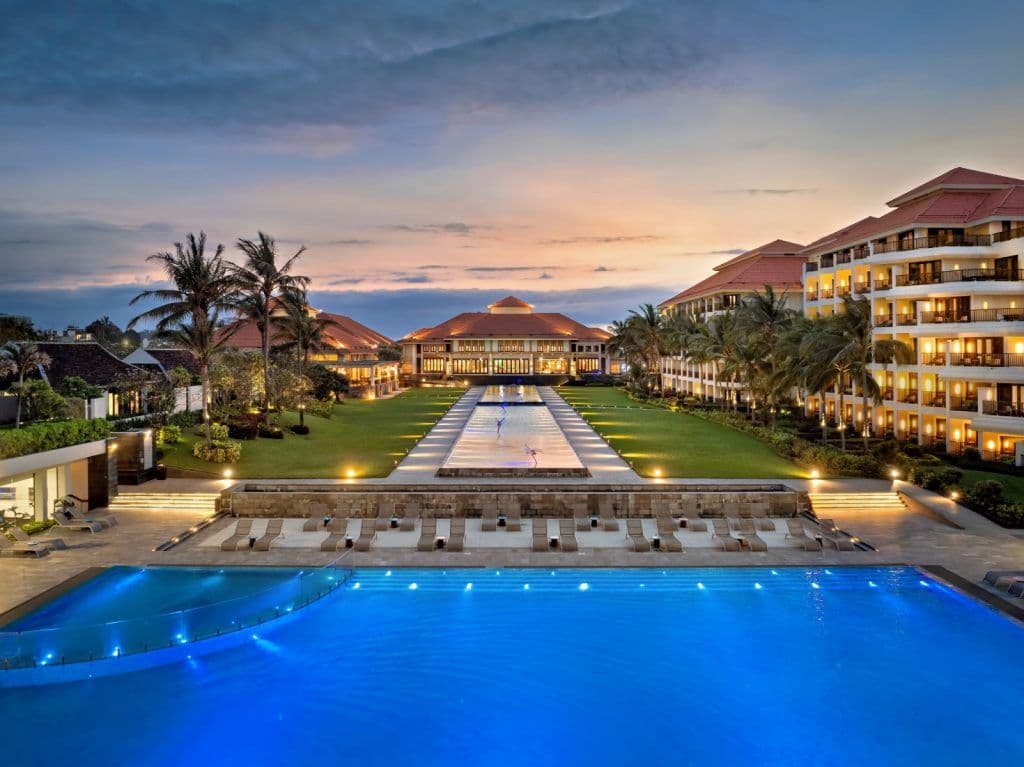
Luxury accommodation in Vietnam is suitable for honeymooners, families, seniors, anniversary travelers, and guests who want high comfort throughout the trip. This category can include 5-star city hotels, beach resorts, private villas, boutique lodges, wellness retreats, and overnight cruises.
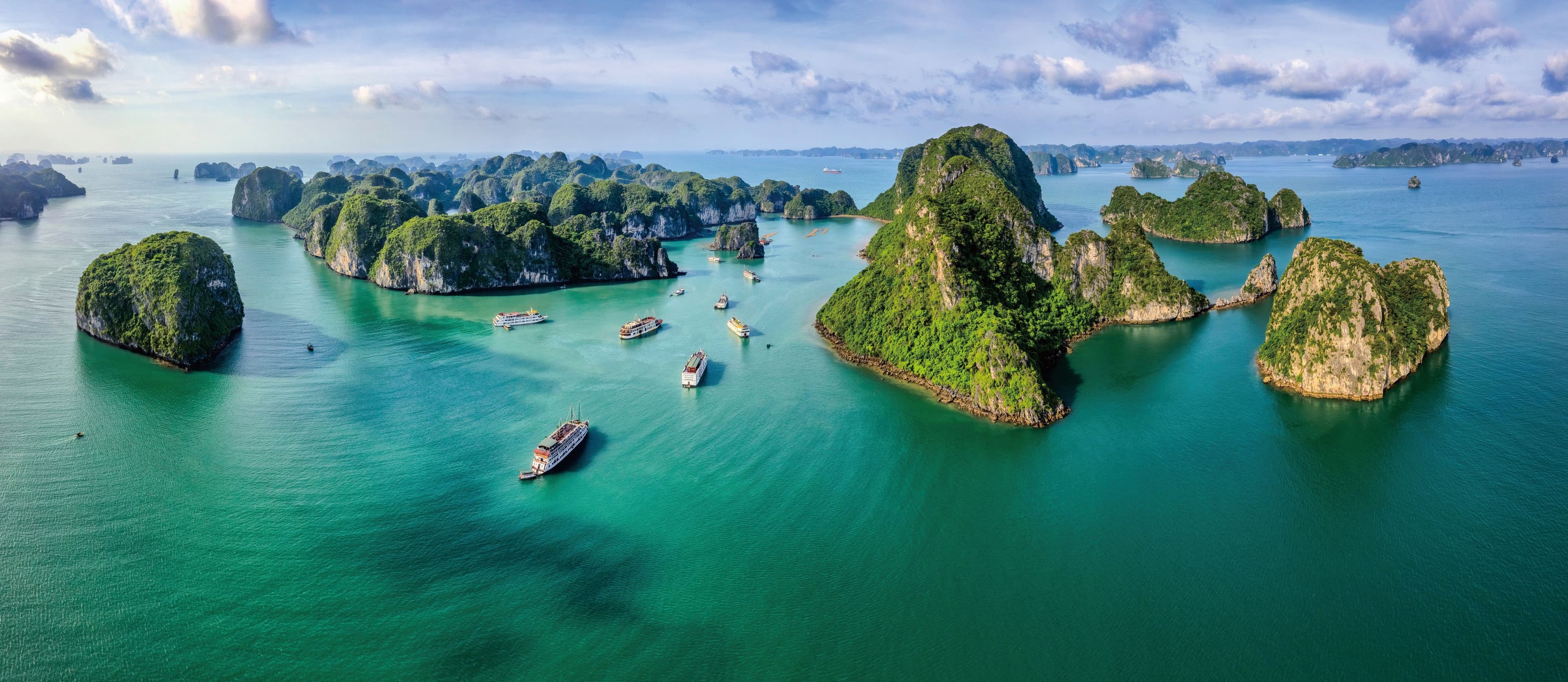
Costs are usually higher in popular leisure destinations such as Ha Long Bay, Da Nang, Hoi An, Phu Quoc, Con Dao, and premium central areas in major cities. Luxury cruises and beachfront resorts can become some of the largest in-country expenses.
Luxury stays should be planned carefully because the room category, view, location, included meals, transfers, and service level can change the value of the experience. A premium hotel is not only about the star rating; it should also match the traveler’s route, pace, and reason for the trip.
For example, honeymooners may value privacy, view, spa access, and special dining. Families may need connecting rooms, pools, beach access, and convenient transfers. Senior travelers may care more about elevator access, quiet locations, and smooth logistics.
Daily Food and Drink Expenses in Vietnam
Street Food and Local Meals
Vietnam is known for flavorful and affordable local food. Street food and casual local restaurants can help travelers keep daily expenses low while still enjoying some of the country’s most memorable experiences.
Popular dishes include pho, banh mi, bun cha, com tam, spring rolls, local noodles, fresh fruit, and Vietnamese coffee. For many visitors, these simple meals become highlights of the trip because they connect directly with local life.
Street food is ideal for adventurous eaters, but first-time visitors should still be thoughtful. Choosing busy food stalls, observing cleanliness, and joining a guided food tour can make the experience easier and more enjoyable. A local guide can explain ingredients, eating customs, and regional differences while helping travelers avoid random tourist traps.
Food tours are especially useful in Hanoi, Ho Chi Minh City, Hoi An, and Da Nang, where the number of options can feel overwhelming for new visitors.
Mid-Range Dining
Mid-range dining is suitable for travelers who want a balance of local flavor, comfort, and predictable service. This may include casual restaurants, cafés, family-friendly dining spots, and occasional nicer meals.
Couples may enjoy a mix of street food, coffee shops, and atmospheric local restaurants. Families may prefer restaurants with more space, flexible menus, and familiar service. Senior travelers may value clean settings, comfortable seating, and easy access.
Daily food costs depend on restaurant location, drink choices, seafood, tourist-area pricing, and how often travelers choose western-style or upscale meals. Dining in central Hoi An, beach resorts, rooftop restaurants, and popular tourist streets usually costs more than eating in local neighborhoods.
A balanced food budget allows travelers to enjoy affordable local meals most days while saving room for a few special dining experiences.
Fine Dining and Special Meals
Fine dining and special meals are best for luxury travelers, honeymooners, anniversary trips, and food-focused itineraries. These experiences may include tasting menus, private dinners, rooftop dining, resort restaurants, seafood meals, and curated food experiences.
Travelers with special dietary needs should plan ahead. Muslim, Judaism, vegetarian, vegan, and allergy-friendly meals may require advance communication, suitable restaurant selection, or private arrangements.
For travelers with strict food requirements, planning meals early helps reduce stress during the trip. FtripVietnam can support travelers by matching dining choices with dietary needs, destination routes, hotel locations, and daily schedules.
Domestic Flights and Transportation Costs in Vietnam
Domestic Flights
Domestic flights are useful when travelers want to cover long distances in a limited amount of time. Common routes include Hanoi to Da Nang, Hanoi to Ho Chi Minh City, Da Nang to Ho Chi Minh City, and Ho Chi Minh City to Phu Quoc.
For US travelers with only 10–12 days, domestic flights can make the route more efficient. They help connect the north, central region, and south without spending too much time on long road or train journeys.
However, too many flights can make the itinerary tiring. Each flight also includes airport transfers, check-in time, baggage handling, waiting time, and possible delays. Families, seniors, and honeymooners may prefer fewer flights and a smoother pace.
Domestic flight prices vary by season, baggage policy, route demand, and booking timing. Travelers should compare the full cost, not only the base fare.
Private Transfers and Cars with Drivers
Private transfers are often worth the cost for travelers who want comfort, flexibility, and smoother logistics. They are especially useful for routes such as Da Nang to Hoi An, Hue to Hoi An, Hanoi to Ninh Binh, and local sightseeing days.
Compared with buses or public transport, private cars offer direct pickup, luggage support, flexible timing, and fewer stressful transitions. They also allow scenic stops along the way, which can turn a transfer into part of the travel experience.
This option is particularly helpful for families with children, senior travelers, honeymooners, and guests carrying large luggage. It may cost more, but it can improve the overall flow of the trip.
Local Transport, Taxis, and Ride-Hailing
Local transportation is usually manageable in Vietnam, but it still needs to be included in the daily budget. Travelers may use taxis, ride-hailing services, short transfers, airport pickups, and occasional private city transport.
For short city trips, costs are usually reasonable. However, frequent movement between restaurants, markets, cafés, hotels, and tourist sites can add up over several days.
First-time visitors may prefer pre-arranged airport transfers, especially after a long flight, late arrival, or when traveling with children. This small upgrade can make the first day feel much easier.
Tour, Activity, and Entrance Fee Costs
Cultural Tours and City Experiences
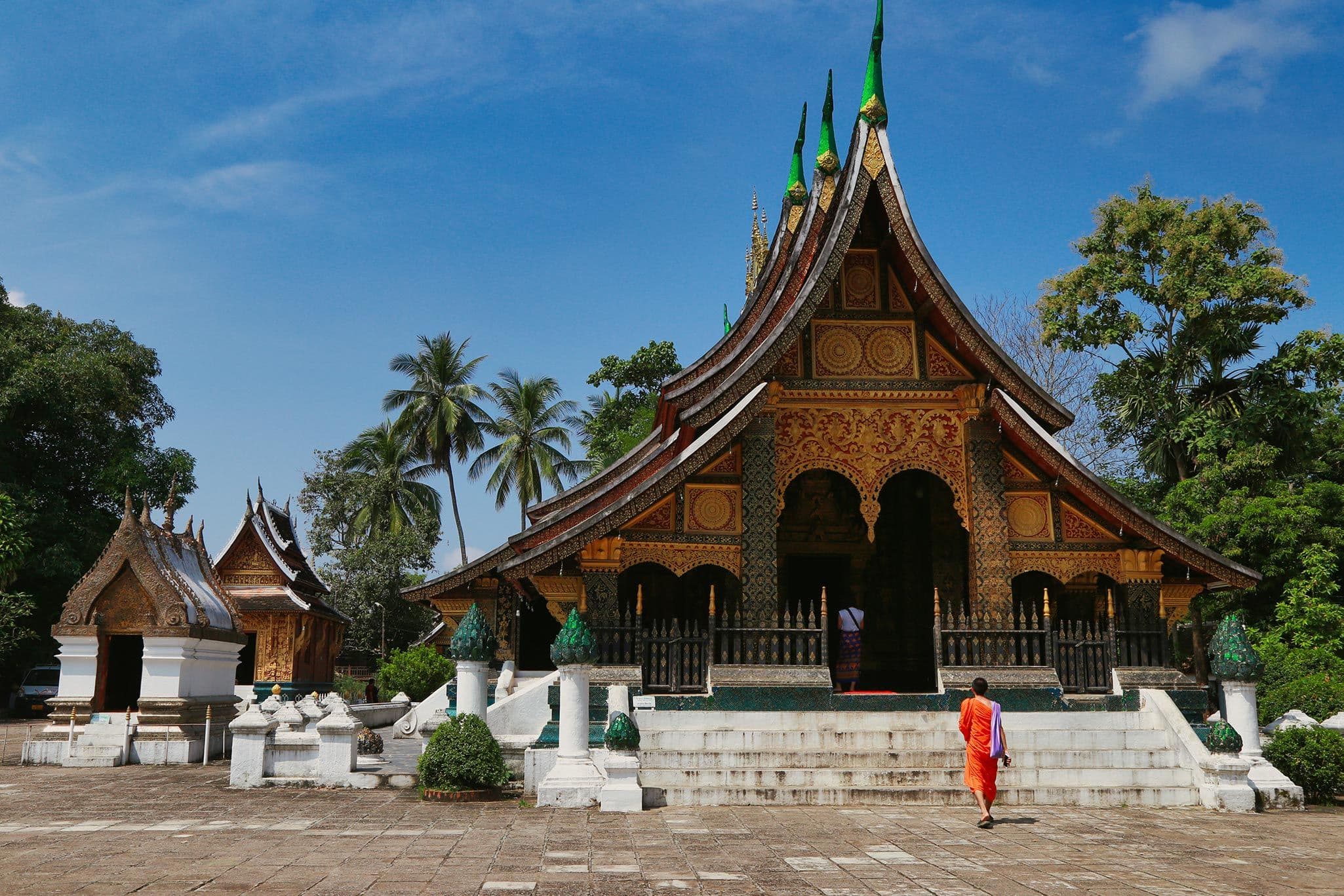
Cultural tours help travelers understand Vietnam beyond the surface. These experiences may include guided city tours, food walks, temple visits, museums, local markets, historical sites, and old town walks.
Private tours cost more than group tours, but they usually offer better pacing, flexibility, and explanation. A private guide can adjust the route based on traveler interests, energy level, weather, and timing.
For US travelers visiting Vietnam for the first time, guided experiences can be valuable because they provide context. Instead of simply seeing a temple, market, or historic building, travelers can understand why it matters and how it connects to local culture.
Cultural tours are especially useful in Hanoi, Hue, Hoi An, Ho Chi Minh City, and Ninh Binh.
Nature, Cruises, and Outdoor Experiences
Nature experiences can be some of the most memorable parts of a Vietnam trip, but they can also become major cost items. Popular activities include Ha Long Bay cruises, Ninh Binh boat rides, Mekong Delta tours, trekking, kayaking, snorkeling, island hopping, and countryside cycling.
Overnight cruises and private outdoor tours should be compared carefully. Travelers should check what is included in the price, such as transfers, meals, guide quality, room type, group size, activity schedule, and safety standards.
Choosing the lowest price is not always wise for cruises or remote experiences. Poor timing, crowded routes, limited service, or weak safety standards can reduce the value of the trip.
A better strategy is to choose quality where it matters most, especially for cruises, nature routes, and activities that require good organization.
Workshops and Local Experiences
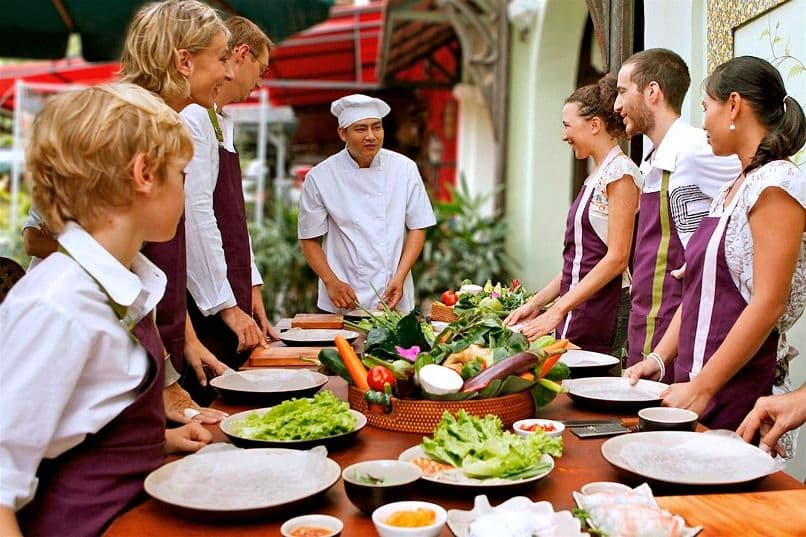
Workshops and local experiences can make a Vietnam itinerary more personal. These activities may include cooking classes, lantern-making, pottery, craft villages, farming experiences, photography tours, private food tours, and market visits.
These experiences are often worth the extra budget because they create memories beyond sightseeing. Families may enjoy hands-on activities that children can join. Couples may prefer photography tours, cooking classes, or romantic cultural experiences. Culture-focused travelers may want craft villages, local workshops, and deeper community visits.
FtripVietnam can help match these activities with travel style, destination route, available time, comfort level, and budget.
Sample Vietnam Trip Cost from USA by Travel Length
Around 7–9 Days in Vietnam
A 7–9 day Vietnam trip is suitable for travelers with limited vacation time. Because the long-haul flight from the USA takes time and money, the itinerary should be compact and efficient.
This length usually works best with 2–3 main areas. For example, travelers may combine Hanoi, Ninh Binh, and Ha Long Bay, or choose Da Nang, Hoi An, and Hue. Another option is to focus on Ho Chi Minh City and the Mekong Delta with a short beach or cultural extension.
The in-country cost may be lower because the trip is shorter, but the international flight still takes a large share of the total budget. Travelers should avoid trying to cover too many regions in a short time because that can increase domestic transport costs and reduce the quality of the experience.
Around 10–12 Days in Vietnam
A 10–12 day itinerary is often a strong choice for US travelers. It gives more value to the long-haul flight and allows travelers to experience different sides of Vietnam without making the trip too long.
This length can include culture, food, countryside, heritage towns, beach time, or a cruise. A common route may include northern Vietnam, central Vietnam, and one southern stop, depending on pace and travel style.
Mid-range travelers can plan a comfortable route with boutique hotels, selected private tours, domestic flights, and a few memorable activities. Families and couples can also include rest time so the trip does not feel too packed.
This length is often ideal for first-time visitors who want variety while still keeping the itinerary manageable.
More Than 2 Weeks in Vietnam
A trip of more than two weeks is best for travelers who want a more complete Vietnam experience. It allows time for northern mountains, heritage towns, beaches, the Mekong Delta, local workshops, food experiences, and slower cultural discovery.
Although the total cost increases with more nights, meals, transfers, and activities, the daily value may feel better because the fixed international flight cost is spread across more days.
Longer trips also allow travelers to slow down. Instead of changing hotels every one or two nights, they can stay longer in selected destinations, enjoy rest days, and reduce travel fatigue.
This style works well for retirees, families with longer holidays, digital nomads, culture-focused travelers, and anyone who wants to explore Vietnam more deeply.
Budget Levels for Different Types of US Travelers
Budget-Friendly Vietnam Trip
A budget-friendly Vietnam trip focuses on simple hotels, local meals, fewer destinations, public transport, and selective paid experiences. This style is suitable for backpackers, solo travelers, and flexible visitors.
Travelers can save money by staying longer in fewer places. Reducing the number of domestic flights, hotel changes, and private transfers can lower the total cost significantly. Walking tours, markets, casual restaurants, and local cafés can also keep the trip affordable while still making it enjoyable.
However, budget travelers should not cut costs everywhere. It is better to pay for quality when it affects safety, comfort, or the core experience, such as overnight cruises, remote transfers, or guided outdoor activities.
Comfortable Mid-Range Vietnam Trip
A comfortable mid-range trip is often the most practical choice for US travelers. It usually includes 3–4 star hotels, domestic flights, private transfers on key routes, guided tours, local dining, and a few special experiences.
This budget level allows travelers to enjoy Vietnam without feeling restricted. They can eat local food, stay in comfortable hotels, join food tours, take a cooking class, enjoy a cruise, or add a beach stay without making the entire trip luxury-priced.
For most couples, families, and first-time visitors, this style offers the best balance between value, comfort, and authentic experiences.
Luxury Vietnam Trip
A luxury Vietnam trip focuses on comfort, privacy, and curated travel. Travelers may choose 5-star hotels, private guides, premium transfers, luxury cruises, fine dining, resort stays, wellness experiences, photography tours, and private workshops.
This style is suitable for honeymooners, families, seniors, anniversary trips, and high-comfort travelers. However, luxury pricing varies greatly by destination and season. A luxury beach resort, private villa, premium cruise, or upgraded room category can significantly increase the total budget.
Luxury travelers should avoid overpacking the itinerary. Premium hotels and resorts are more worthwhile when travelers have enough time to enjoy them.
Hidden Costs US Travelers Should Not Forget
Travel Insurance and Health Preparation
Travel insurance should be included in the budget before departure. The cost depends on coverage level, traveler age, trip length, cancellation protection, baggage coverage, medical care, and adventure activity coverage.
Families and senior travelers may want more comprehensive policies because unexpected changes can be more expensive. Travelers joining trekking, water activities, or remote routes should also check whether their policy covers those activities.
Health preparation should also be considered. Sunscreen, insect repellent, medication, personal supplies, and basic first-aid items may not be major expenses, but they are important for a smoother trip.
Visa, Passport, and Entry-Related Costs
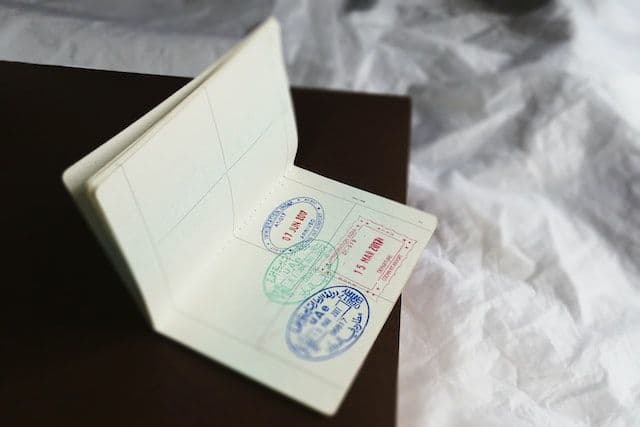
US travelers should check Vietnam entry requirements before booking. Visa rules, fees, processing time, entry points, and passport validity should be reviewed carefully.
Travelers should check passport validity early because urgent passport renewal or last-minute corrections can create extra costs. Visa-related mistakes can also affect arrival plans, especially if the itinerary includes multiple countries or specific entry and exit points.
Because entry requirements can change, travelers should verify official information close to the travel date.
SIM, eSIM, Laundry, Tips, and Small Purchases
Small daily expenses are easy to forget when planning a Vietnam budget. These may include SIM or eSIM, laundry, bottled water, snacks, tips, souvenirs, convenience items, cafés, and short local transport.
These expenses are usually not expensive individually, but they can add up during a 10–14 day trip. Families and groups should budget extra because snacks, drinks, laundry, and small purchases tend to increase with more people.
Keeping a small daily cash buffer helps travelers feel more comfortable, especially in markets, local restaurants, small shops, and rural areas.
Peak Season and Holiday Surcharges
Peak travel periods can raise the cost of flights, hotels, cruises, private tours, and transfers. US school breaks, summer holidays, year-end holidays, Vietnam’s Tet holiday, and popular beach seasons can all affect pricing and availability.
During Tet, some shops, restaurants, and local services may close or operate on different schedules. This can affect both cost and convenience.
Travelers with fixed dates should book important services earlier. Travelers with flexible dates may be able to save money by avoiding peak periods or choosing less crowded travel windows.
Smart Ways to Save Money Without Lowering Trip Quality
Saving money on a Vietnam trip does not mean choosing the cheapest option for everything. The goal is to spend wisely and protect the quality of the experience.
Travelers can save by reducing unnecessary hotel changes, choosing well-located mid-range hotels, using domestic flights only for long distances, and selecting private transfers only where comfort matters most. They can also mix affordable local meals with a few special dining experiences instead of eating at upscale restaurants every day.
Another important strategy is choosing experiences carefully. It may be worth paying more for a high-quality guide, cruise, cooking class, or workshop because these moments can shape the whole trip. At the same time, travelers can save on parts of the trip that matter less to them.
A customized itinerary can also reduce waste. Instead of following a fixed package with unnecessary stops, travelers can focus the budget on destinations, hotels, and experiences that match their actual travel goals.
How to Customize a Vietnam Trip Budget Based on Travel Style?
For Couples and Honeymooners
Couples and honeymooners may want to spend more on atmosphere, privacy, and memorable moments. Boutique hotels, private dinners, beach resorts, spa time, photography sessions, scenic cruises, and slower pacing can make the trip feel more special.
At the same time, couples can save money by choosing fewer destinations and avoiding too many hotel changes. A slower itinerary often feels more romantic and less stressful than a packed route.
Good destinations for couples include Hoi An, Ninh Binh, Ha Long Bay, Da Nang, Phu Quoc, and Con Dao. FtripVietnam can help couples decide where to upgrade and where to keep the budget more balanced.
For Families
Families should build the budget around comfort, flexibility, and child-friendly pacing. Important costs may include family rooms, private transfers, snacks, flexible meals, beach hotels, kid-friendly activities, and rest days.
A family trip should avoid too many domestic flights or long transfers in a short period. Children and parents often enjoy Vietnam more when the itinerary includes enough downtime.
Family-friendly experiences may include cooking classes, boat rides, beaches, craft workshops, local markets, countryside visits, and gentle cultural activities. These experiences can keep both kids and parents engaged without making the schedule too demanding.
For Senior Travelers
Senior travelers may want to spend more on private transfers, comfortable hotels, slower pacing, guided tours, convenient locations, and reliable support. These choices can reduce stress and make the journey more enjoyable.
The itinerary should avoid overly remote routes or physically demanding activities unless the traveler specifically wants them. Destinations such as Hanoi, Ninh Binh, Hoi An, Da Nang, Hue, and Phu Quoc can work well when planned with smooth transfers and comfortable hotels.
For senior travelers, the budget should not only focus on price. Convenience, accessibility, pacing, and support are just as important.
For Luxury Travelers
Luxury travelers should plan around comfort, privacy, service quality, and exclusive experiences. Premium hotels, private guides, luxury cruises, wellness experiences, upgraded transport, fine dining, and private workshops may all be part of the budget.
However, luxury does not mean every part of the trip needs to be upgraded. A smart luxury itinerary focuses on the details that matter most, such as room view, location, cruise quality, private guide expertise, and smooth logistics.
Working with a local planner such as FtripVietnam helps luxury travelers combine high comfort with authentic Vietnam experiences.
What US Travelers Should Know Before Booking?
Long-Haul Flights Affect the Overall Value
Because flights from the USA are a major cost, a longer trip often feels more worthwhile than a very short visit. Travelers should think about jet lag, arrival time, layover length, first-night hotel comfort, and airport transfer timing.
A cheaper flight with a difficult arrival time may not be the best option if it causes fatigue or disrupts the first days of the trip. Open-jaw routes can also improve itinerary flow by reducing backtracking inside Vietnam.
Good planning helps travelers make better use of their vacation time and get more value from the long-haul flight.
Vietnam Is Affordable, But Not Every Trip Is Cheap
Vietnam can be affordable compared with many long-haul destinations, especially for local food, cafés, taxis, and mid-range hotels. However, the trip becomes more expensive with luxury resorts, private tours, domestic flights, premium cruises, peak-season travel, and multiple destination changes.
Travelers should define priorities before choosing a budget level. Some travelers may care most about hotels, while others may prefer spending on cultural tours, cruises, food experiences, or photography sessions.
Spending more on the right parts of the trip can improve comfort and reduce stress, while unnecessary upgrades may not add much value.
Exchange Rates and Payment Methods Matter
US travelers should check current exchange rates before departure. Credit cards are accepted in many hotels, larger restaurants, and travel services, but cash is still useful for markets, small shops, tips, street food, and rural areas.
ATM withdrawal fees may apply, so travelers should check their bank policies before leaving the USA. It is also useful to carry more than one payment method in case a card does not work.
A mix of card and cash usually gives travelers the most flexibility.
Costs Should Match the Itinerary, Not Just the Destination
A Vietnam trip budget should be based on the actual itinerary, not only the destination name. A beach-heavy vacation, mountain route, honeymoon, family trip, cultural tour, and luxury private journey can all have very different costs.
The number of destinations often affects the budget more than travelers expect. More destinations usually mean more transfers, more flights, more hotel changes, and more luggage handling.
A realistic budget should be built after the route is clear. This helps travelers understand where the money goes and where adjustments can be made.
Why Plan Your Vietnam Trip Cost with FtripVietnam?
FtripVietnam helps US travelers design a completely customizable Vietnam trip based on budget, hotel style, destinations, comfort level, travel pace, luxury preferences, and special requests.
Instead of offering only fixed routes, FtripVietnam can help travelers decide where to save and where to spend. Some travelers may want better hotels in major cities but simple stays in rural areas. Others may prefer private transfers, upgraded cruises, special meals, or local workshops.
The team is 100% local, with 7+ years of experience creating Vietnam trips for international travelers. This local knowledge helps travelers make practical decisions about route design, seasonal timing, hotel areas, transport options, daily expenses, and cultural experiences.
FtripVietnam also has experience serving niche markets, including Muslim and Judaism travelers. This support can be important for suitable meals, cultural sensitivity, private arrangements, and smoother travel logistics.
Travelers can request unique experiences such as photography tours, cooking classes, private food tours, craft villages, local workshops, market visits, and daily cultural activities. Many tourists praise FtripVietnam for enthusiastic, knowledgeable, and friendly support, which is especially valuable for US travelers comparing flights, hotels, routes, tours, and daily budgets before booking.
FAQs
How much does a Vietnam trip from the USA cost?
The total cost depends on international flights, travel length, hotels, destinations, domestic transport, tours, and travel style. International flights are usually one of the biggest expenses for US travelers, while in-country costs can be adjusted based on comfort level and itinerary design.
How much are flights from the USA to Vietnam?
Round-trip prices vary by departure city, arrival city, travel season, booking window, airline, baggage policy, and layovers. West Coast travelers may find more convenient routes, while travelers from smaller US airports may need additional connections. It is useful to compare both Hanoi and Ho Chi Minh City as arrival points.
How much should I budget per day in Vietnam?
Budget travelers may spend less by choosing simple hotels, local meals, and fewer paid tours. Mid-range travelers should budget more for private rooms, guided tours, domestic flights, and comfortable dining. Luxury travelers should plan for premium hotels, private transfers, cruises, curated experiences, and resort stays.
Is Vietnam affordable for US travelers?
Yes, Vietnam can be affordable compared with many long-haul destinations, especially for food, local transport, cafés, and mid-range hotels. However, the trip becomes more expensive with luxury resorts, private tours, cruises, domestic flights, and peak travel dates. With FtripVietnam, travelers can build a realistic budget that matches their comfort level, travel style, and must-have experiences.
Conclusion
The cost of a Vietnam trip from the USA depends on flights, hotels, daily expenses, domestic transportation, tours, hidden costs, and personal travel style. International flights are usually the biggest upfront cost, while Vietnam’s in-country expenses can be adjusted across budget, mid-range, and luxury levels.
A realistic budget should consider travel season, route design, hotel comfort, dining style, domestic flights, private transfers, guided tours, cruises, workshops, and small daily expenses. Careful planning helps US travelers avoid overspending while still enjoying Vietnam’s culture, food, nature, beaches, heritage towns, and local experiences.
For travelers who want clear cost expectations, FtripVietnam can help design a fully customized Vietnam itinerary with suitable hotels, smart routing, private experiences, niche travel support, and flexible budget planning.
US travelers can request a tailored Vietnam trip plan that fits their budget, comfort level, travel pace, and dream experiences.


Founder & Photography Guide
Specialties: Culture, landscape, portrait, hiking, active and adventurous tour
Besides my unlimited passion for traveling, a professional tour guide for over a decade, I have been taking photographs since sitting at Hanoi of the University of Culture in the early 2000s. Photography started as a hobby but it was seriously taken due to my work relations and my significant passion for the beauty of our world, especially in Southeast Asian parts such as Vietnam, Laos, Cambodia, and Myanmar.
Within a few years of taking photographs, my works began to be recognized by many reliable international publications such as AFAR Travel, The Times, and The Daily Telegraph newspaper. In addition, I continuously add to my growing profile by winning numerous major awards: 3rd Position of The Independent Photographer 2018, 1st Position of Amateur Photographer of the year 2018, Grand Prize Winner of the AFAR Travel Photography 2019, and a Gold Award of San Francisco Bay International Photography 2020.
I photograph a wide variety of subjects, from travel to landscapes to street scenes. I enjoy documenting the East’s rich cultural heritage and its land soaked in glorious sunrise or sunset light in remote and secluded spots. And, I am very happy to share my knowledge and experience with you. You can visit Luminousvietnamtour to explore tour!