- Step 1: Decide Your Vietnam Travel Goals
- How Should You Define Your Main Travel Style?
- What Do You Want to Experience in Vietnam?
- Why Should You Avoid Planning Around Only Famous Places?
- Step 2: Choose the Best Time to Visit Vietnam
- How Does Vietnam’s Regional Weather Work?
- What Is the Best Time Based on Travel Style?
- Why Should You Plan Around Peak Seasons and Holidays?
- Step 3: Set a Realistic Vietnam Travel Budget
- Why Should You Separate International Flights from In-Country Costs?
- How Should You Estimate Cost by Travel Style?
- Why Should You Build a Buffer Budget?
- Step 4: Decide How Many Days to Spend in Vietnam
- What Can You Do in Around 7-9 Days?
- What Can You Do in Around 10-12 Days?
- What Can You Do in Around 14 Days or More?
- Step 5: Choose Your Vietnam Route
- Is a Classic North-to-South Route Right for You?
- Should You Focus on Northern Vietnam?
- Should You Focus on Central Vietnam?
- Should You Focus on Southern Vietnam?
- Step 6: Plan Your Flights from the USA
- How Should You Choose Arrival and Departure Cities?
- How Should You Compare Flight Comfort and Layovers?
- How Should You Plan the First Day?
- Step 7: Prepare Passport, Visa, and Entry Documents
- What Is the Passport Checklist for US Citizens?
- What Should Americans Know About Vietnam Visa or E-Visa?
- What Documents Should You Save and Print?
- Step 8: Choose Hotels Based on Comfort and Location
- Why Does Hotel Location Matter?
- How Should You Match Hotel Style to Travel Style?
- What Hotel Details Should You Review?
- Step 9: Plan Domestic Transport Inside Vietnam
- When Should You Use Domestic Flights?
- When Should You Use Private Transfers?
- When Should You Use Trains, Buses, or Ride-Hailing?
- Step 10: Select Tours and Local Experiences
- What Are Must-Have Experiences for First-Time Travelers?
- Which Local Experiences Add More Depth?
- How Can You Avoid Generic Tours?
- Step 11: Prepare Health, Safety, and Travel Insurance
- What Health Preparation Should Americans Consider?
- Why Is Travel Insurance Important?
- What Safety Planning Should Travelers Do?
- Step 12: Pack for Vietnam Based on Season and Destination
- What Is the Essential Packing List?
- How Should You Pack by Region?
- How Should You Pack by Traveler Type?
- Step 13: Confirm the Final Itinerary Before Departure
- How Should You Review Route and Timing?
- What Bookings Should You Confirm?
- What Travel Details Should You Share?
- Step 14: Arrival and First-Day Planning in Vietnam
- What Should You Do After Landing?
- How Can You Make the First Day Smooth?
- What Should You Check During the First 24 Hours?
- Common Mistakes Americans Should Avoid When Planning Vietnam
- Why Plan Your Vietnam Trip with FtripVietnam?
- FAQs
- How do Americans plan a Vietnam trip step by step?
- How many days do Americans need for Vietnam?
- What documents do US citizens need for Vietnam?
- Should Americans book a private Vietnam travel planner?
- Conclusion
Vietnam is a rewarding destination for American travelers who want culture, food, history, nature, beaches, local life, and meaningful experiences in one journey. From Hanoi’s Old Quarter and Ninh Binh’s limestone scenery to Hoi An’s lantern streets, Da Nang’s beaches, Ho Chi Minh City’s energy, and the Mekong Delta’s river life, Vietnam offers a wide range of travel styles for first-time and returning visitors.
Planning a Vietnam trip from the USA can feel confusing because travelers need to think about flights, visas, itinerary length, weather, budget, hotels, domestic transport, health preparation, packing, local customs, and arrival logistics. A good trip is not only about choosing famous places. It is about connecting those places in a realistic way.
A step-by-step Vietnam travel planner helps travelers avoid rushed routes, visa mistakes, poor hotel locations, overpacked schedules, and unnecessary travel stress. This is especially important for Americans flying long distances, often with limited vacation time and significant time zone adjustment.
Vietnam is a long country, so smart routing is essential. A route that looks simple on a map may require domestic flights, long drives, weather planning, and careful hotel selection. Travelers should plan around comfort, time, and travel style instead of trying to see everything at once.
FtripVietnam helps Americans plan customized Vietnam trips based on travel dates, budget, hotel style, dietary needs, comfort level, local interests, and travel pace.
Step 1: Decide Your Vietnam Travel Goals
How Should You Define Your Main Travel Style?
The first step is to decide what kind of Vietnam trip you want. Not every traveler needs the same route, hotel style, or daily pace.
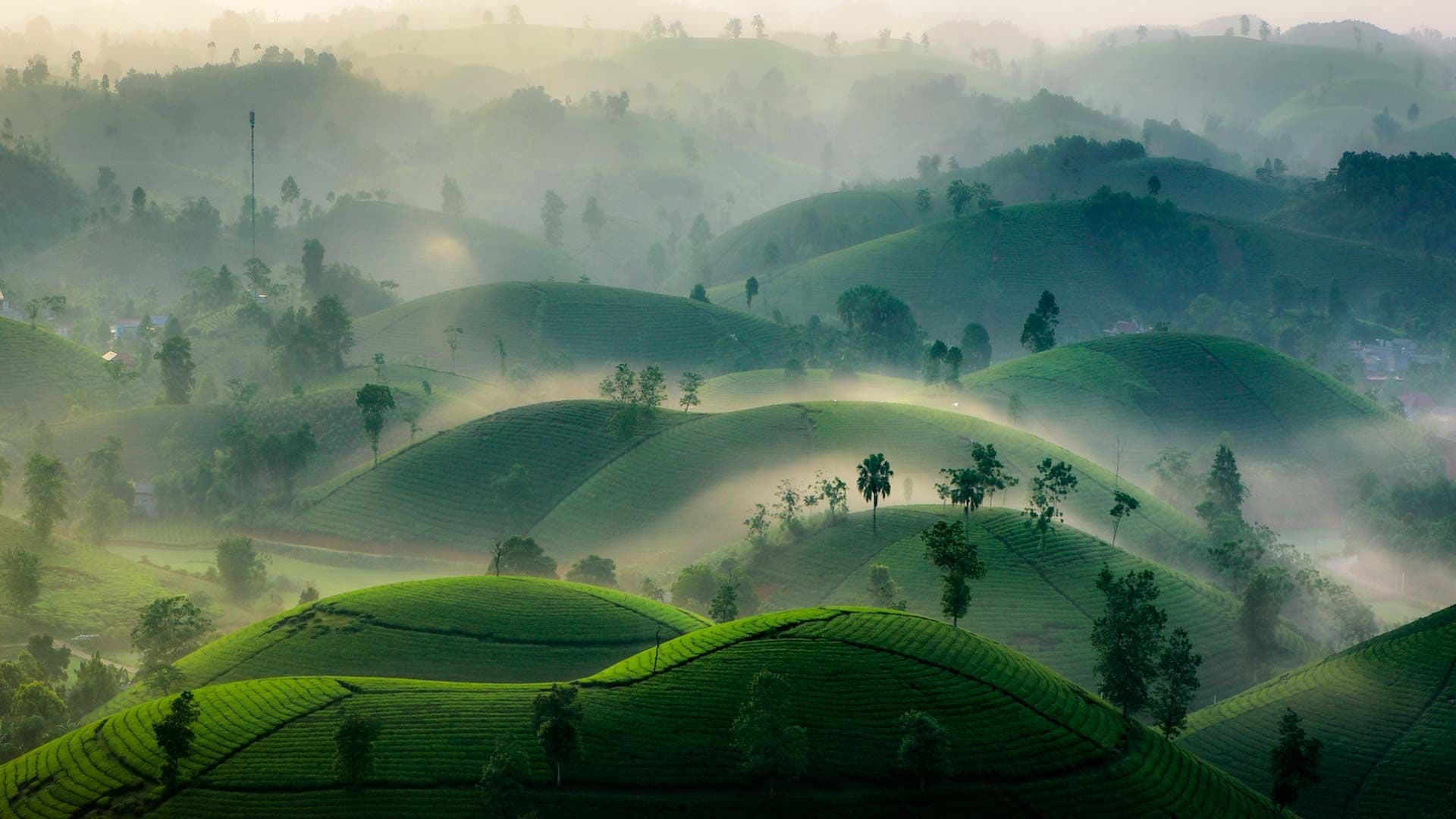
Some travelers want culture and heritage, with temples, pagodas, museums, royal history, and ancient towns. Others want food and local life, with street food, coffee culture, markets, cooking classes, and home-style meals. Nature lovers may prefer rice fields, limestone mountains, caves, rivers, countryside villages, and soft adventure.
Beach travelers may want Da Nang, Hoi An beaches, Nha Trang, Phu Quoc, or Con Dao. Luxury and wellness travelers may want premium hotels, spa time, private guides, curated dining, and slower routing. Families may need child-friendly hotels, private transfers, shorter activity blocks, and pool time. Senior travelers may prioritize comfort, easy walking routes, and rest time.
Vietnam can also be planned for honeymoons, romantic trips, photography journeys, creative travel, Muslim-friendly travel, Judaism travel support, vegetarian needs, allergy-friendly planning, or workshop-focused experiences.
Your travel style should guide the rest of the planning process.
What Do You Want to Experience in Vietnam?
After choosing your travel style, define the experiences you want most. This may include historic cities, old quarters, temples, pagodas, museums, heritage sites, street food, markets, cooking classes, local cafés, rice fields, mountains, caves, rivers, countryside villages, beaches, islands, cruises, resort stays, craft workshops, photography tours, family activities, and home-style meals.
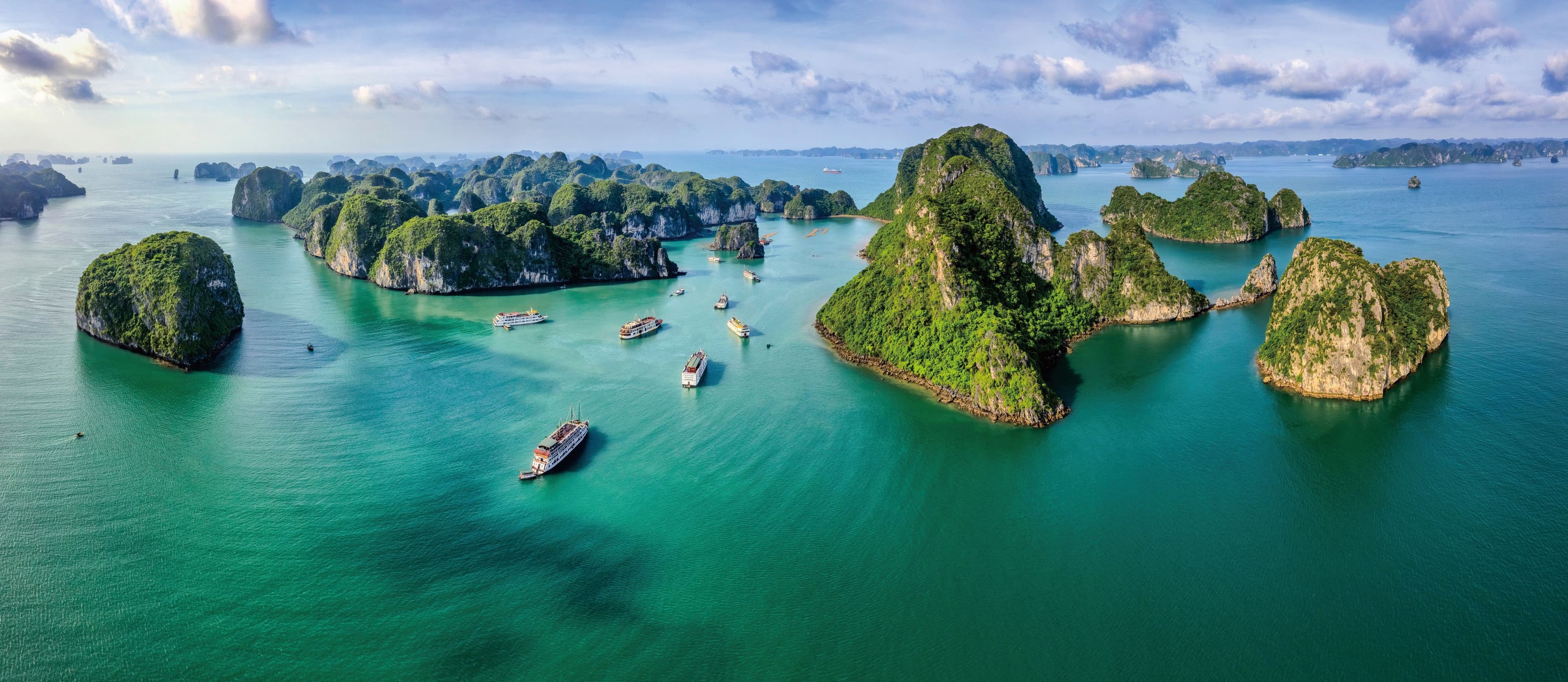
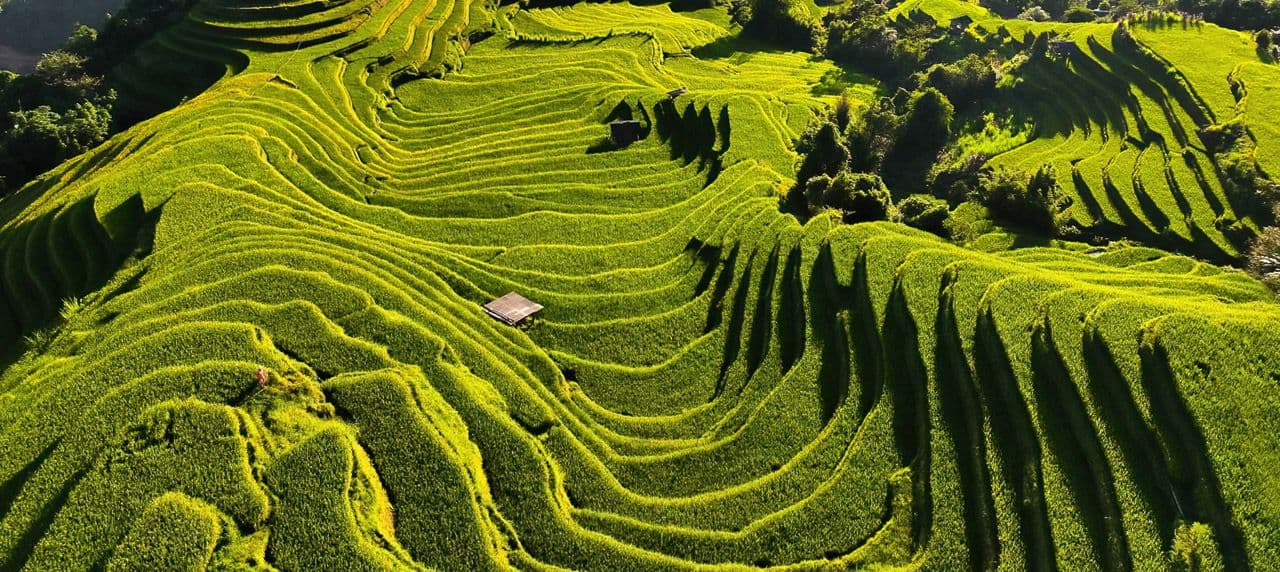
A strong travel goal helps shape the right route, budget, hotel level, pace, and guide style. For example, a food-focused traveler may spend more time in Hanoi, Hue, Hoi An, and Ho Chi Minh City. A nature-focused traveler may include Ninh Binh, Pu Luong, Mai Chau, Ha Long Bay, Lan Ha Bay, or the Mekong Delta.
The better you define your priorities, the easier it becomes to remove unnecessary stops.
Why Should You Avoid Planning Around Only Famous Places?
Famous destinations are useful starting points, but not every popular place fits every traveler. A famous beach may not be worth adding if it requires another flight and makes the route feel rushed. A mountain destination may look beautiful but may not fit families with young children or senior travelers who prefer lighter logistics.
A good Vietnam trip should match interests, comfort level, and travel pace. Hidden gems and local experiences should be added thoughtfully, not just to make the itinerary look longer.
Travelers from the USA should prioritize meaningful experiences over checking off too many places. A well-paced trip often feels more memorable than a crowded itinerary full of short stops.
Step 2: Choose the Best Time to Visit Vietnam
How Does Vietnam’s Regional Weather Work?
Vietnam’s weather changes significantly from north to south. Northern Vietnam can be cool in winter, hot in summer, and misty or rainy in mountain areas. Hanoi, Ninh Binh, Ha Long Bay, Sa Pa, Mai Chau, and Pu Luong can feel very different depending on month and elevation.
Central Vietnam has a separate weather pattern, with beach-friendly months and periods of heavier rain. Hue, Da Nang, Hoi An, My Son, and nearby beaches should be planned carefully around seasonal conditions.
Southern Vietnam is generally warm and tropical, with dry and rainy seasons affecting Ho Chi Minh City, the Mekong Delta, Phu Quoc, Con Dao, and southern islands.
Because Vietnam stretches from north to south, travelers should match destinations to the season instead of assuming the whole country has the same weather.
What Is the Best Time Based on Travel Style?
Culture and city travel can work in many months with the right pacing. Hanoi, Hue, Hoi An, and Ho Chi Minh City can be enjoyable year-round if travelers plan around heat, rain, and walking comfort.
Beach travelers should choose destinations and timing carefully, especially for Da Nang, Hoi An beaches, Nha Trang, Phu Quoc, or Con Dao. Mountain and countryside travelers should consider visibility, rainfall, rice-field seasons, and road conditions.
Food and local-life travelers can enjoy Vietnam year-round, but outdoor markets and walking tours may need rain or heat planning. Families and senior travelers should avoid overly hot, stormy, or transfer-heavy schedules when possible.
The best time depends on the route, not only the calendar.
Why Should You Plan Around Peak Seasons and Holidays?
Peak travel periods can affect hotel prices, cruise availability, domestic flights, guide availability, and tour quality. Vietnamese public holidays can make local transport and popular sites busier. US holiday periods can also increase international flight prices.
Travelers should book earlier for Christmas, New Year, spring travel, summer breaks, and major Vietnam holiday periods. If traveling during peak season, hotels, cruises, domestic flights, and private guides should be confirmed early.
A flexible itinerary can help reduce weather and crowd-related stress. Travelers should also avoid planning tight connections around holidays or storm-prone periods.
Step 3: Set a Realistic Vietnam Travel Budget
Why Should You Separate International Flights from In-Country Costs?
Flights from the USA can be one of the largest cost items in a Vietnam trip. They vary by departure city, airline, cabin class, season, layover, baggage, and booking window.
In-country costs include hotels, meals, domestic flights, private transfers, guides, tours, cruises, entrance fees, SIM or eSIM, tips, and personal spending. Travelers should compare total trip cost, not only daily spending.
A low-cost package may become expensive if many important items are excluded, such as domestic flights, entrance fees, airport transfers, meals, cruises, or local support.
A clear budget helps travelers choose between budget, mid-range, comfort, private, and luxury travel styles.
How Should You Estimate Cost by Travel Style?
Budget travel usually focuses on simple hotels, hostels, street food, public transport, and group tours. This can work well for flexible travelers who are comfortable with independent planning.
Mid-range travel usually includes comfortable hotels, selected tours, domestic flights, local restaurants, and some private transfers. This is often a good balance for first-time American travelers.
Comfort or private travel usually includes better hotels, private vehicles, private guides, curated activities, and smoother pacing. Luxury travel usually includes premium hotels, luxury cruises, fine dining, wellness, private experiences, and high-touch support.
The right budget should match comfort expectations, vacation length, travel priorities, and the level of support travelers want during the trip.
Why Should You Build a Buffer Budget?
A buffer budget helps protect the trip from surprises. Travelers should add extra budget for tips, laundry, SIM or eSIM, drinks, souvenirs, tailoring, coffee, optional activities, and local transport.
Emergency funds are also useful for delays, weather changes, medical needs, domestic flight changes, or last-minute transport adjustments. Families and senior travelers may need extra comfort and a backup budget. Honeymooners and luxury travelers may want a budget for special dinners, spa time, photography, and room upgrades.
A flexible budget helps the trip feel smoother and reduces stress when plans change.
Step 4: Decide How Many Days to Spend in Vietnam
What Can You Do in Around 7-9 Days?
Around 7-9 days is best for travelers with limited vacation time. The itinerary should focus on one or two regions instead of trying to cover the whole country.
Good route options include Hanoi, Ninh Binh, and Ha Long Bay, or Da Nang, Hoi An, and Hue. Travelers can also choose a southern route with Ho Chi Minh City, the Mekong Delta, and a beach extension if flights work well.
This length is best for focused culture, food, or beach trips. Travelers should avoid adding too many domestic flights because transfer time can reduce the actual travel experience.
What Can You Do in Around 10-12 Days?
Around 10-12 days works well for a balanced first Vietnam trip. Travelers can include northern, central, and selected southern highlights with careful routing.
A common route can include Hanoi, Ninh Binh, Ha Long Bay or Lan Ha Bay, Hoi An, Da Nang, and Ho Chi Minh City. This gives travelers culture, food, countryside, cruising, heritage, beach time, and southern energy.
Travelers should still avoid too many one-night stays. This length works well for couples, families, and first-time visitors who want variety without extreme rushing.
What Can You Do in Around 14 Days or More?
Around 14 days or more is ideal for travelers who want deeper local experiences and selected hidden gems. A well-paced route can include Hanoi, Ninh Binh, Pu Luong or Mai Chau, Ha Long Bay or Lan Ha Bay, Hue, Hoi An, Da Nang, Ho Chi Minh City, and the Mekong Delta.
This length allows time for cooking classes, workshops, countryside cycling, food tours, photography routes, home-style meals, and beach breaks.
Two weeks or more works well for private and customized itineraries because travelers can go deeper without packing every day with sightseeing.
Step 5: Choose Your Vietnam Route
Is a Classic North-to-South Route Right for You?
A classic north-to-south route may include Hanoi, Ninh Binh, Ha Long Bay or Lan Ha Bay, Hue, Hoi An, Da Nang, Ho Chi Minh City, and the Mekong Delta. It is one of the strongest options for first-time travelers from the USA.
This route offers culture, food, nature, cruises, heritage towns, beach time, and southern local life. It works well for 10-14 day trips when domestic flights and transfers are planned properly.
Open-jaw flights can make this route smoother. For example, travelers can arrive in Hanoi and depart from Ho Chi Minh City, avoiding unnecessary backtracking.
Should You Focus on Northern Vietnam?
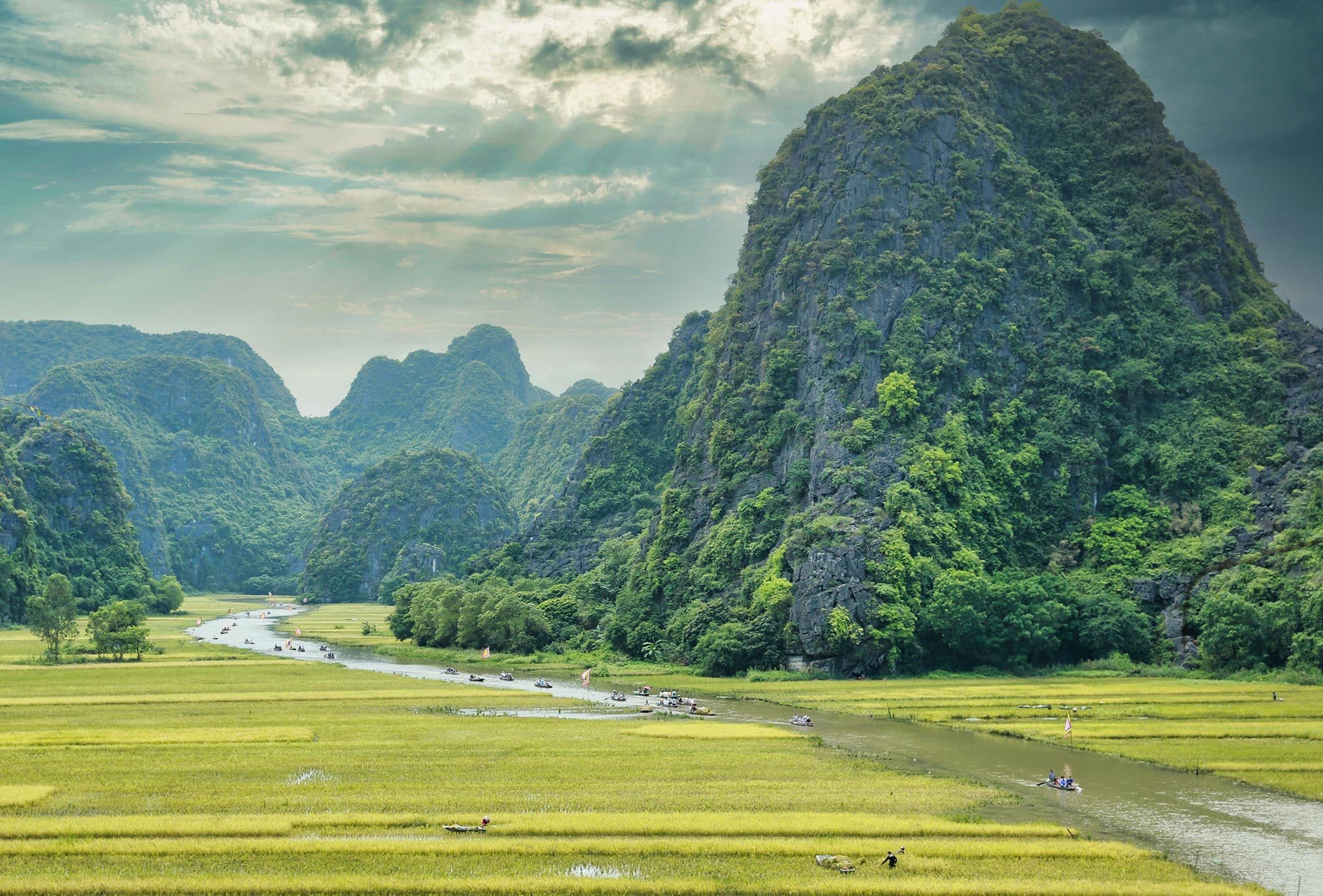
A northern Vietnam route can include Hanoi, Ninh Binh, Mai Chau, Pu Luong, and Ha Long Bay or Lan Ha Bay. This is best for culture, countryside, rice fields, limestone landscapes, and soft adventure.
It is a good choice for travelers who want fewer flights inside Vietnam. It also works well for photographers, nature lovers, couples, and slow travelers.
With private transfers and careful pacing, this route can be adjusted for families and senior travelers.
Should You Focus on Central Vietnam?
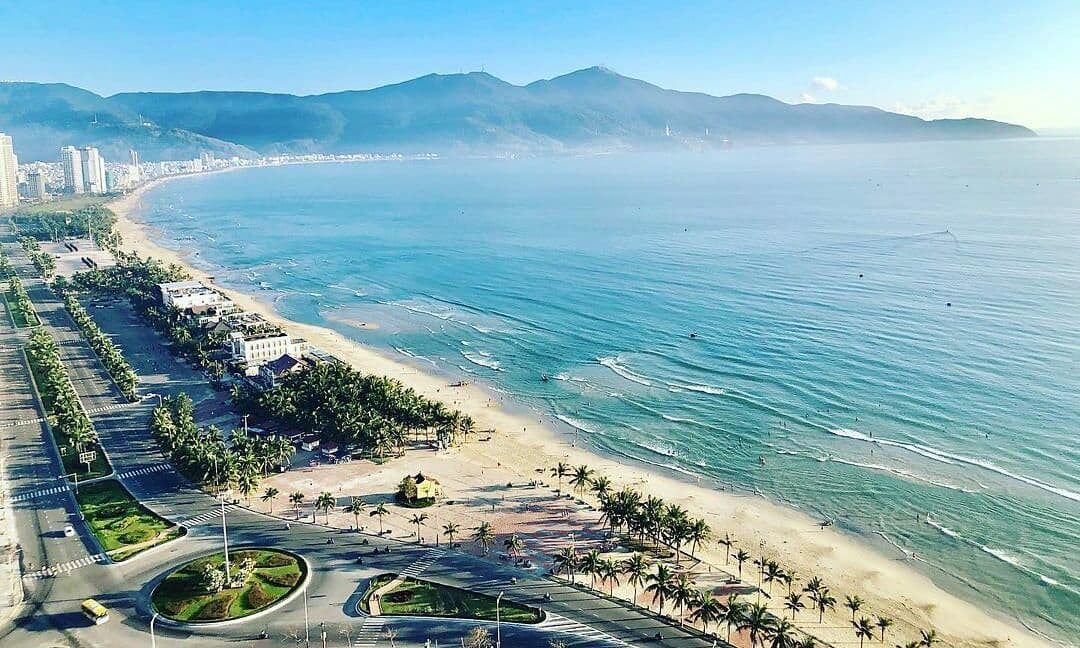
A Central Vietnam route can include Hue, Da Nang, Hoi An, My Son, Hoi An countryside, and nearby beaches. This is best for heritage, food, beaches, craft workshops, cooking classes, and easier logistics.
It is a strong option for travelers with around 7-9 days. The route is suitable for couples, families, seniors, and first-time visitors because major destinations connect well by road.
Central Vietnam offers a softer pace with fewer long transfers.
Should You Focus on Southern Vietnam?
A southern Vietnam route can include Ho Chi Minh City, Cu Chi, the Mekong Delta, Phu Quoc, or Con Dao. This is best for tropical weather, city energy, river life, local markets, seafood, and island relaxation.
It works well for travelers who want a warmer route or a shorter trip with fewer domestic connections. It can also be combined with Central Vietnam if time allows.
Southern Vietnam is especially good for food, river culture, and beach-focused travel.
Step 6: Plan Your Flights from the USA
How Should You Choose Arrival and Departure Cities?
Common arrival cities include Hanoi and Ho Chi Minh City. Da Nang can also work depending on route and flight availability.
A north-to-south route often works well with arrival in Hanoi and departure from Ho Chi Minh City. A south-to-north route can work in reverse. Open-jaw flights can reduce backtracking and save time.
Travelers should choose airports based on the itinerary, not only the cheapest flight. A slightly better route can save one domestic flight or a long transfer.
How Should You Compare Flight Comfort and Layovers?
Long-haul flights from the USA can be tiring, so layover quality matters. Travelers should check total travel time, baggage rules, layover length, arrival time, and whether the ticket is protected on one booking.
Very tight connections should be avoided if using separate tickets. Families and senior travelers may prefer smoother connections and private airport pickup. Luxury travelers may consider premium economy or business class for comfort.
Flight comfort affects the first few days of the trip, so it should be part of the planning process.
How Should You Plan the First Day?
The first day should be light. Travelers should avoid a full-day tour immediately after arrival from the USA.
Airport pickup should be arranged in advance, and the first hotel should be comfortable and conveniently located. The first day can include rest, coffee, short walks, and an easy dinner.
Jet lag planning can improve the entire trip. Starting slowly helps travelers enjoy the rest of the itinerary more.
Step 7: Prepare Passport, Visa, and Entry Documents
What Is the Passport Checklist for US Citizens?
US citizens should check passport validity before booking major travel services. The U.S. Department of State lists Vietnam’s passport requirement as six months’ validity beyond arrival and one blank page per stamp.
Passport details should match visa and flight information exactly. Children’s passports should be checked early because they expire sooner than adult passports.
Travelers should renew the passport early if it is close to expiration or almost full.
What Should Americans Know About Vietnam Visa or E-Visa?
US citizens need a valid Vietnam visa, e-visa, or approved entry document before travel. Vietnam e-visas can be issued for single or multiple entry and are valid for a maximum of 90 days.
The official e-visa fee is US$25 for a single-entry visa and US$50 for a multiple-entry visa. Multiple entry may be needed if travelers leave Vietnam and return later during a Southeast Asia trip.
Travelers should apply early and check every visa detail before flying. The name, passport number, date of birth, nationality, visa dates, and entry type should match the passport and itinerary.
What Documents Should You Save and Print?
Travelers should save and print key documents before departure. These include passport copy, approved Vietnam visa or e-visa, flight confirmation, hotel confirmations, travel insurance, tour itinerary, emergency contacts, and prescription documents if needed.
Printed and digital copies are both recommended. Digital copies should be saved in email, phone storage, and cloud storage, while printed copies should be kept in carry-on luggage.
This simple document system can prevent stress during check-in, immigration, hotel check-in, and domestic transfers.
Step 8: Choose Hotels Based on Comfort and Location
Why Does Hotel Location Matter?
Hotel location affects daily comfort, transport cost, and travel energy. A cheaper hotel far from the main area may cost more in time and local transport.
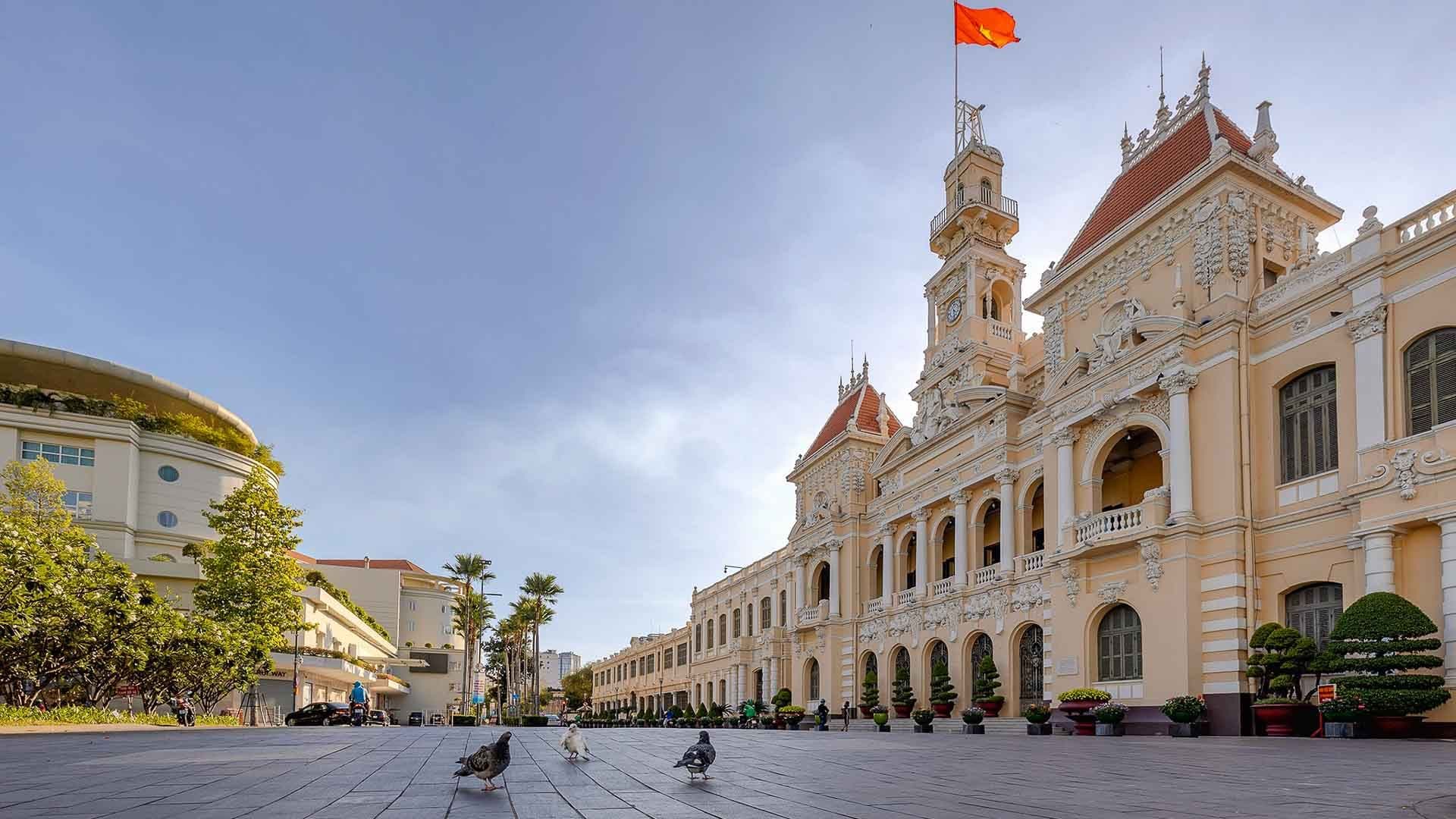
In Hanoi, many first-time travelers prefer the Old Quarter, Hoan Kiem area, or quieter central districts. In Hoi An, travelers can choose between the ancient town, countryside, riverside, or beach-area stays. In Da Nang, beachfront hotels are useful for relaxation. In Ho Chi Minh City, central areas are easier for food, markets, cafés, and evening activities.
A well-located hotel can make the itinerary feel smoother.
How Should You Match Hotel Style to Travel Style?
Budget travelers may choose hostels, guesthouses, or basic hotels. Mid-range travelers may choose 3-4 star hotels or boutique stays. Luxury travelers may choose 5-star hotels, resorts, villas, wellness stays, and premium cruises.
Families should check connecting rooms, family rooms, pools, breakfast, and transfer convenience. Senior travelers should check elevators, room access, quietness, and walking distance.
Hotel style should support the travel goal. A romantic trip, family trip, food trip, and senior-friendly trip may all require different hotel choices.
What Hotel Details Should You Review?
Travelers should check hotel name, room type, location, breakfast, cancellation terms, and included services. Star rating alone is not enough.
For cruises, travelers should check cabin type, route, meals, transfer quality, and activity level. Cruise quality can strongly affect satisfaction, especially in Ha Long Bay or Lan Ha Bay.
Hotel choice is one of the most important factors in overall trip value.
Step 9: Plan Domestic Transport Inside Vietnam
When Should You Use Domestic Flights?
Domestic flights are useful for long distances such as Hanoi to Da Nang or Da Nang to Ho Chi Minh City. They help American travelers save time on 10-14 day routes.
Travelers should avoid flights on consecutive days if possible. They should leave enough time for airport transfers, check-in, delays, and luggage.
Major tours should not be scheduled immediately after a domestic flight because delays or fatigue can affect the experience.
When Should You Use Private Transfers?
Private transfers are useful for Hanoi to Ninh Binh, Da Nang to Hoi An, Hue to Hoi An, and Mekong Delta routes. They are especially helpful for families, seniors, couples, and travelers with luggage.
Private cars allow rest stops, scenic stops, and smoother pacing. They can also reduce stress in places where public transport may be confusing or less comfortable.
Travelers should confirm inclusions, pickup points, vehicle type, and travel time before booking.
When Should You Use Trains, Buses, or Ride-Hailing?
Trains can work for selected routes if travelers enjoy scenic travel and have enough time. Buses and shared vans are more budget-friendly but may be less comfortable.
Ride-hailing is useful in major cities for short trips. Travelers should choose transport based on time, comfort, route, and budget.
Budget savings should not create unnecessary fatigue, especially for short vacations from the USA.
Step 10: Select Tours and Local Experiences
What Are Must-Have Experiences for First-Time Travelers?
First-time travelers may want to include a Hanoi food tour, Ninh Binh boat ride, Ha Long Bay or Lan Ha Bay cruise, Hoi An Ancient Town walk, Hoi An cooking class or lantern workshop, Hue heritage tour if included, Ho Chi Minh City food or history tour, and Mekong Delta river experience.
These experiences introduce Vietnam through food, history, scenery, local life, and cultural interaction.
Travelers do not need to include every experience. The best choices should match the route and travel style.
Which Local Experiences Add More Depth?
Local experiences can make the trip feel more personal. Travelers can add market walks, cooking classes, coffee tastings, craft workshops, countryside cycling, home-style meals, photography tours, basket boat rides, incense-making, pottery, lantern making, farming, or weaving experiences.
These activities help travelers connect with Vietnam beyond landmarks. They also work well for families, couples, food lovers, creative travelers, and culture-focused visitors.
Local depth comes from participation, not just sightseeing.
How Can You Avoid Generic Tours?
Travelers should choose experiences based on interests, not only popularity. They should check group size, guide quality, transport, meals, and real inclusions.
Tours with too many shopping stops should be avoided unless shopping is a stated interest. Full-day tours every day can also make the trip feel exhausting.
Private experiences can be adjusted for pace, dietary needs, children, seniors, and special occasions. Free time should remain part of the plan.
Step 11: Prepare Health, Safety, and Travel Insurance
What Health Preparation Should Americans Consider?
CDC recommends that travelers to Vietnam be up to date on routine vaccines and review destination-specific guidance. Hepatitis A is recommended for unvaccinated travelers going to Vietnam. (CDC)
Typhoid and other vaccines may be relevant depending on itinerary, trip length, food plans, rural activities, and individual health history. Travelers should consult a doctor or travel clinic before departure.
Prescription medication should be brought in original packaging and packed in carry-on luggage. Travelers should also bring basic medicine for stomach issues, motion sickness, pain relief, allergies, and minor injuries.
Why Is Travel Insurance Important?
Travel insurance is strongly recommended for American travelers. Coverage should include medical care, trip cancellation, delays, lost luggage, and emergency support.
Adventure activities, cruises, islands, or remote countryside routes may require suitable coverage. Families and senior travelers may want more comprehensive plans.
Insurance details should be saved offline and online so they are easy to access if needed.
What Safety Planning Should Travelers Do?
Travelers should keep passports, cards, and extra cash secure. Reliable taxis, ride-hailing, or private transfers are better than unclear street transport offers.
Phones should be handled carefully near roads and crowded areas. Travelers should drink bottled, filtered, or properly treated water, and plan around heat, rain, storms, and traffic.
Emergency contacts should be accessible offline. Basic preparation can prevent many common travel problems.
Step 12: Pack for Vietnam Based on Season and Destination
What Is the Essential Packing List?
A practical Vietnam packing list should include a passport, printed Vietnam visa or e-visa, travel insurance, itinerary, lightweight clothing, comfortable walking shoes, modest clothing for temples and pagodas, rain jacket or umbrella, sunscreen, sunglasses, hat, insect repellent, prescription medication, basic first aid, phone, charger, adapter, power bank, SIM or eSIM plan, and a secure day bag or crossbody bag.
The goal is to pack light but not underprepare. Vietnam trips often include multiple regions, so versatile clothing is better than many single-use outfits.
Travelers should keep documents, medication, electronics, and one change of clothes in carry-on luggage.
How Should You Pack by Region?
Northern Vietnam may need layers during cooler months and mountain stays. Central Vietnam may need both beachwear and rain protection depending on season. Southern Vietnam needs breathable clothing, sun protection, and mosquito protection.
Mountain and countryside routes need sturdy shoes, light layers, and rain gear. Beach and cruise routes need swimwear, sandals, dry bags, and sun protection.
Because weather can change by region, packing should follow the itinerary, not just the destination country.
How Should You Pack by Traveler Type?
Families should pack snacks, child medicine, extra clothes, and comfort items. Seniors should pack medication, medical summaries, comfortable shoes, and easy luggage.
Honeymooners may add dressier outfits, swimwear, spa-ready clothing, and photography outfits. Muslim and Judaism travelers may bring modest clothing, translated dietary notes, and suitable snacks for long travel days.
Photographers should prepare camera gear, chargers, memory cards, waterproof protection, and backup storage.
Step 13: Confirm the Final Itinerary Before Departure
How Should You Review Route and Timing?
Before departure, travelers should review arrival city, departure city, hotel nights, domestic flights, transfers, tours, and free time. The route should not include too many one-night stays.
Travel days should not be overloaded. Jet lag recovery and weather flexibility should be included. Each destination should have a clear purpose.
If a stop does not add meaningful value, it may be better to remove it.
What Bookings Should You Confirm?
Travelers should confirm international flights, domestic flights, hotels, cruises, airport transfers, private guides, tours, workshops, travel insurance, visa approval, and restaurant or special occasion bookings if needed.
Confirmation should happen several days before departure, not the night before the flight. This gives travelers time to fix missing details.
Travelers should also check baggage rules for domestic flights and cruise pickup times if included.
What Travel Details Should You Share?
Travelers should share itinerary and emergency contacts with family or trusted contacts in the USA. Hotel addresses and guide contacts should be saved offline.
Copies of passport, visa, and insurance should be stored in cloud storage. Phone connectivity should be prepared before arrival.
Printed documents should stay in carry-on luggage for easy access during flights, immigration, and hotel check-in.
Step 14: Arrival and First-Day Planning in Vietnam
What Should You Do After Landing?
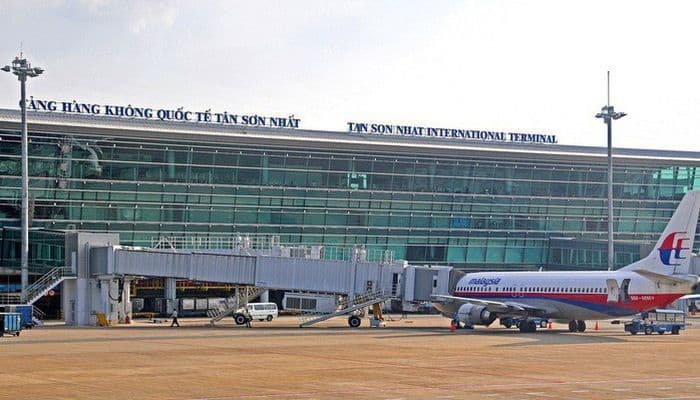
After landing, travelers should pass immigration with passport and visa or e-visa, collect luggage, and check important belongings. Pre-arranged airport pickup or reliable transport should be used for the transfer to the hotel.
After hotel check-in, travelers can rest, exchange or withdraw a small amount of Vietnamese Dong if needed, and set up SIM or eSIM, maps, and messaging.
The first few hours should be simple and calm.
How Can You Make the First Day Smooth?
The first day should stay light. Travelers can eat a simple local meal, take a short walk near the hotel, and avoid heavy sightseeing or long transfers.
They should confirm the next day’s plan and sleep early if jet lag is strong. A slow first day helps the body adjust and makes the rest of the trip more enjoyable.
Travelers should avoid judging the whole trip by the first few tired hours after arrival.
What Should You Check During the First 24 Hours?
During the first 24 hours, travelers should check hotel comfort and location, the next transfer or tour pickup time, local contact or guide details, phone connectivity, cash and card access, weather forecast, and any dietary or health needs that should be reconfirmed.
This small review can prevent confusion later. It also helps travelers feel settled before the itinerary becomes more active.
Common Mistakes Americans Should Avoid When Planning Vietnam
Americans should avoid trying to visit too many regions in too few days. They should also avoid booking international flights before checking visa and passport validity, applying for the wrong visa type, forgetting to print the e-visa, and scheduling a full tour immediately after arrival.
Other common mistakes include booking hotels far from main areas to save a small amount of money, ignoring regional weather differences, choosing the cheapest cruise without checking quality, booking domestic flights too tightly, not buying travel insurance, and not mentioning dietary needs, mobility limits, children’s ages, or special occasions early.
Travelers should also avoid comparing tour prices without checking inclusions and local support. A lower price may not include the services that make the trip smoother.
Why Plan Your Vietnam Trip with FtripVietnam?
FtripVietnam helps American travelers plan customized Vietnam trips step by step, from route design and hotel selection to private transfers, local guides, special meals, and unique experiences.
The team is 100% local, with 7+ years of experience creating Vietnam itineraries for international travelers. This local knowledge helps travelers avoid rushed routes, poor hotel locations, inefficient transfers, and generic experiences.
FtripVietnam can customize trips for different budgets, including budget-conscious, mid-range, comfort, private, and luxury travel styles.
The team has experience serving niche markets, including Muslim and Judaism travelers, making it easier to arrange suitable meals, cultural sensitivity, private support, and smoother logistics.
Travelers can request experiences that are difficult to find in standard packages, such as photography tours, cooking classes, local workshops, craft villages, private food tours, romantic arrangements, countryside stays, and daily cultural activities.
Many tourists praise FtripVietnam for enthusiastic, knowledgeable, and friendly support. This is especially valuable for Americans planning a Vietnam trip from far away.
With FtripVietnam, American travelers can build a Vietnam trip that feels personal, realistic, smooth, and easy to enjoy.
FAQs
How do Americans plan a Vietnam trip step by step?
Americans can start by choosing travel dates, trip length, travel style, and budget. Then they should build a realistic route based on weather, domestic transport, and arrival or departure cities. Passport, visa or e-visa, insurance, flights, hotels, transfers, and local experiences should be prepared before departure. The first day should stay light after the long flight from the USA. FtripVietnam can help travelers build a customized itinerary with local support.
How many days do Americans need for Vietnam?
Around 7-9 days work for one or two regions. Around 10-12 days works for a balanced first trip. Around 14 days or more is better for hidden gems, local workshops, countryside stays, and smoother pacing. The ideal length depends on travel goals, budget, comfort level, and available vacation time.
What documents do US citizens need for Vietnam?
US citizens need a valid passport and the correct Vietnam visa or e-visa. The passport should have six months’ validity beyond arrival and at least one blank visa page. Travelers should also bring flight confirmations, hotel details, travel insurance, itinerary, emergency contacts, and prescription documents if needed. Printed and digital backups are both recommended.
Should Americans book a private Vietnam travel planner?
A private travel planner can be useful for first-time visitors, families, seniors, honeymooners, luxury travelers, and anyone with limited vacation time. It helps reduce route mistakes, transfer stress, hotel uncertainty, and generic experiences. A local planner can also support dietary needs, weather changes, private transfers, and unique local activities. With FtripVietnam, American travelers can plan a Vietnam trip that matches their budget, comfort level, interests, and travel pace.
Conclusion
Planning a Vietnam trip from the USA becomes much easier when travelers follow a clear step-by-step process. The key stages include defining travel goals, choosing dates, setting a budget, deciding trip length, designing the route, booking flights, preparing visa documents, choosing hotels, planning domestic transport, selecting experiences, arranging insurance, packing properly, and confirming details before departure.
Vietnam is a long and diverse country, so smart routing and realistic pacing are essential. American travelers should pay close attention to passport validity, visa details, regional weather, domestic transport, hotel location, travel insurance, and arrival-day planning.
A strong Vietnam travel plan should feel personal and manageable. It should balance culture, food, nature, beaches, local life, rest time, and meaningful experiences without forcing travelers into an overloaded schedule.
FtripVietnam can help American travelers build a customized Vietnam trip with transparent planning, suitable hotels, private transfers, local guides, special meals, hidden gems, and unique experiences.
Travelers from the USA can request a tailored Vietnam travel plan that feels smooth, personal, realistic, and easy to enjoy.


Founder & Photography Guide
Specialties: Culture, landscape, portrait, hiking, active and adventurous tour
Besides my unlimited passion for traveling, a professional tour guide for over a decade, I have been taking photographs since sitting at Hanoi of the University of Culture in the early 2000s. Photography started as a hobby but it was seriously taken due to my work relations and my significant passion for the beauty of our world, especially in Southeast Asian parts such as Vietnam, Laos, Cambodia, and Myanmar.
Within a few years of taking photographs, my works began to be recognized by many reliable international publications such as AFAR Travel, The Times, and The Daily Telegraph newspaper. In addition, I continuously add to my growing profile by winning numerous major awards: 3rd Position of The Independent Photographer 2018, 1st Position of Amateur Photographer of the year 2018, Grand Prize Winner of the AFAR Travel Photography 2019, and a Gold Award of San Francisco Bay International Photography 2020.
I photograph a wide variety of subjects, from travel to landscapes to street scenes. I enjoy documenting the East’s rich cultural heritage and its land soaked in glorious sunrise or sunset light in remote and secluded spots. And, I am very happy to share my knowledge and experience with you. You can visit Luminousvietnamtour to explore tour!