- Overview of a 2-Week Vietnam Travel Budget
- Main Cost Categories to Include
- Estimated 2-Week Budget by Travel Style
- Should International Flights Be Included?
- Sample 2-Week Vietnam Budget by Travel Style
- Budget 2-Week Vietnam Trip
- Mid-Range 2-Week Vietnam Trip
- Comfort or Luxury 2-Week Vietnam Trip
- Accommodation Costs for 2 Weeks in Vietnam
- Budget Accommodation
- Mid-Range Hotels and Boutique Stays
- Luxury Hotels, Resorts, and Special Stays
- Food and Drink Budget for 14 Days
- Street Food and Local Restaurants
- Mid-Range Dining
- Special Meals and Fine Dining
- Transportation Costs During a 2-Week Vietnam Trip
- Domestic Flights
- Trains, Buses, and Shared Transport
- Private Transfers and Local Transport
- Tour, Activity, and Entrance Fee Budget
- Cultural Tours and Heritage Sites
- Nature and Outdoor Experiences
- Workshops and Local Experiences
- Suggested 2-Week Vietnam Budget Structure
- Where Does Most of the Budget Usually Go?
- What Is a Good Budget Split for a Comfortable Mid-Range Trip?
- How Can Travelers Adjust the Budget?
- Best 2-Week Vietnam Routes by Budget Style
- Budget-Friendly Route
- Comfortable Mid-Range Route
- Luxury or High-Comfort Route
- Hidden Costs Travelers Should Not Forget
- Visa, Insurance, and Entry Preparation
- SIM/eSIM, Laundry, Tips, and Small Daily Costs
- Peak Season and Holiday Costs
- Smart Ways to Save Money During 2 Weeks in Vietnam
- How to Customize a 2-Week Vietnam Budget Based on Travel Style?
- For Couples and Honeymooners
- For Families
- For Senior Travelers
- For Luxury Travelers
- What Travelers Should Know Before Booking a 2-Week Vietnam Trip?
- Is Two Weeks Enough for Vietnam?
- Is Vietnam Affordable for a 2-Week Trip?
- Should the Budget Match Travel Goals?
- Why Plan Your 2-Week Vietnam Budget with FtripVietnam?
- FAQs
- How much money do I need for 2 weeks in Vietnam?
- Is 2 weeks enough for Vietnam?
- What is the biggest cost during a 2-week Vietnam trip?
- Can a 2-week Vietnam trip be customized to my budget?
- Conclusion
Planning a 2-week Vietnam trip is exciting, but it also raises an important question: how much should travelers really spend? Vietnam is often seen as an affordable destination, yet the actual cost of a 14-day trip can vary widely depending on travel style, route, hotel level, domestic flights, tours, food choices, beach stays, and hidden costs.
A backpacker can travel through Vietnam with simple accommodation, street food, buses, trains, and fewer paid tours. A mid-range traveler may prefer 3-4 star hotels, domestic flights, private transfers on key routes, guided tours, and a mix of local and comfortable dining. A luxury traveler may choose premium hotels, private guides, curated experiences, beach resorts, cruises, wellness time, and upgraded transport.
The right Vietnam travel budget for 2 weeks is not only about spending less. It is about spending smartly. A cheaper itinerary can still feel expensive if it includes poor routing, too many hotel changes, or unnecessary transfers. A higher-budget trip can feel worthwhile if it improves comfort, reduces stress, and creates meaningful experiences.
This guide explains the main costs of a 2-week Vietnam trip, including accommodation, food, transport, tours, activities, hidden expenses, and sample budget levels. For travelers who want a clearer plan before booking, FtripVietnam can help design a personalized 2-week Vietnam itinerary with suitable hotels, smart routing, meaningful experiences, and clear cost expectations.
Overview of a 2-Week Vietnam Travel Budget
Main Cost Categories to Include
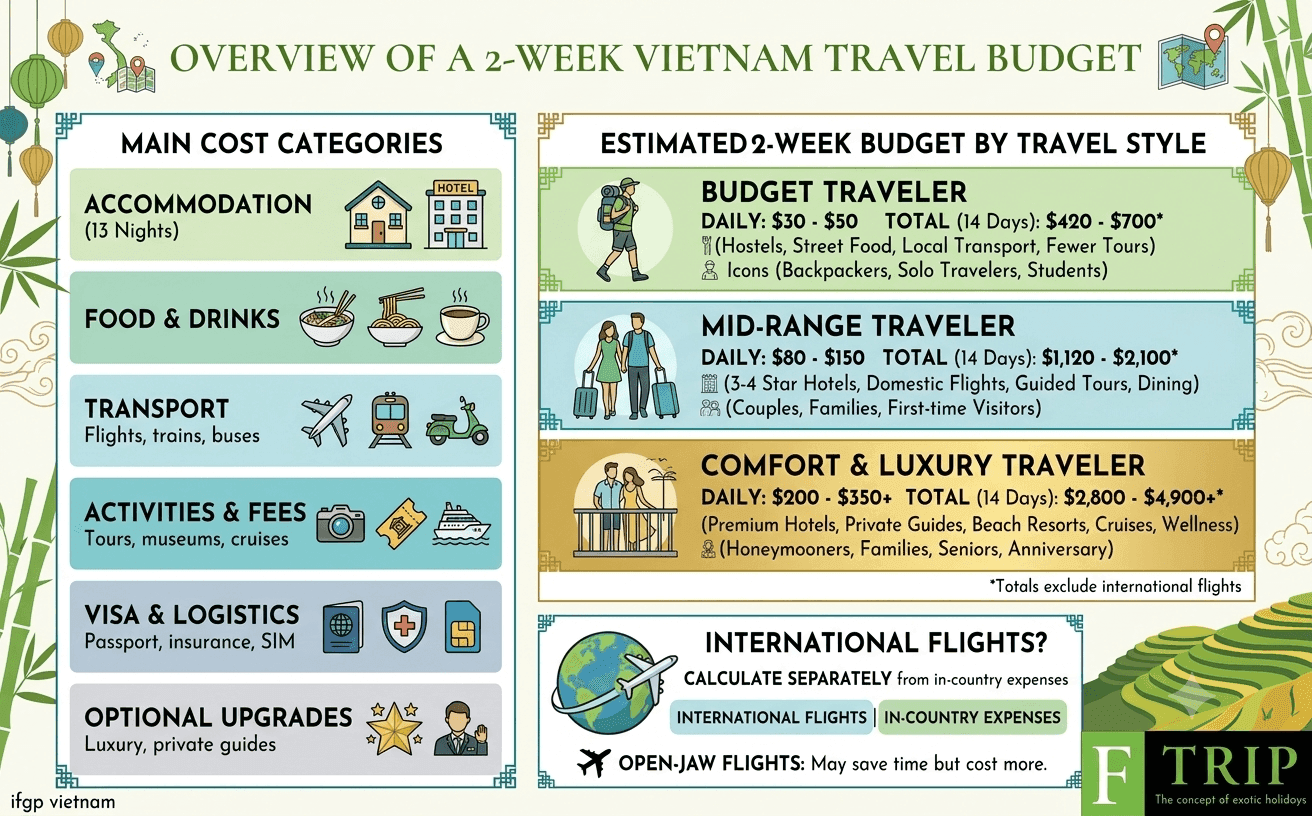
A realistic 2-week Vietnam budget should include all major travel expenses, not only hotels and daily meals. For most travelers, the total cost is shaped by how many regions they visit, how often they move, what type of accommodation they choose, and how many guided experiences they include.
Main cost categories usually include:
• Accommodation for around 13 nights. • Food, drinks, cafés, snacks, and daily meals. • Domestic flights, trains, buses, private transfers, taxis, or ride-hailing. • Tours, entrance fees, cruises, workshops, and local experiences. • Visa or entry-related costs, travel insurance, SIM or eSIM, laundry, tips, and small purchases. • Optional upgrades such as luxury hotels, private guides, beach resorts, special dinners, wellness activities, or photography tours.
A traveler who stays mostly in one region will usually spend less on transportation than someone who covers northern, central, and southern Vietnam. Similarly, a traveler who chooses boutique hotels and private transfers will have a very different budget from someone using hostels and buses.
The best way to budget is to separate essential costs from optional upgrades. This makes it easier to control spending without removing the experiences that matter most.
Estimated 2-Week Budget by Travel Style
Vietnam can suit several travel styles, from budget-friendly travel to comfortable mid-range trips and luxury private itineraries. The daily cost depends on accommodation, transport, food, activities, and level of support.
A simple budget estimate for 14 days may look like this:
• Budget travelers: around $30-50 per day, or roughly $420-700 for 14 days, excluding international flights. • Mid-range travelers: around $80-150 per day, or roughly $1,120-2,100 for 14 days, excluding international flights. • Comfort or luxury travelers: around $200-350+ per day, or roughly $2,800-4,900+ for 14 days, excluding international flights.
Budget travelers usually use simple hotels, hostels, street food, local transport, and fewer paid tours. This style can work well for backpackers, solo travelers, students, and flexible travelers.
Mid-range travelers usually choose 3-4 star hotels, domestic flights where useful, guided tours, selected private transfers, and comfortable dining. This is often the best fit for couples, families, and first-time visitors.
Comfort and luxury travelers may choose premium hotels, private guides, curated experiences, beach resorts, cruises, wellness stays, and upgraded transfers. This budget level works well for honeymooners, families, seniors, anniversary trips, and travelers who want smooth logistics.
Should International Flights Be Included?
International flights should usually be calculated separately from in-country Vietnam expenses. For travelers coming from the USA, Europe, Australia, or other long-haul markets, flights can become one of the biggest total expenses of the trip.
A traveler may spend a moderate amount once inside Vietnam, but the total vacation budget can increase significantly after adding international airfare. Flight costs also change quickly depending on season, airline, route, booking window, baggage policy, and departure city.
For clearer planning, travelers should divide the budget into two parts:
• International flights to and from Vietnam. • In-country Vietnam expenses for accommodation, food, transport, tours, and personal spending.
This article focuses mainly on in-country spending for a 2-week Vietnam trip. Travelers should add international flights separately based on their departure country and travel dates.
Travelers should also budget extra if they plan to arrive in one city and depart from another. Open-jaw flights can save time inside Vietnam, but they may sometimes cost more depending on the route.
Sample 2-Week Vietnam Budget by Travel Style
Budget 2-Week Vietnam Trip
A budget 2-week Vietnam trip is suitable for backpackers, solo travelers, students, and flexible visitors who care more about local discovery than high comfort. This travel style usually includes hostels, guesthouses, simple hotels, street food, local buses, trains, and limited paid tours.
Budget travelers should focus on fewer destinations to reduce transport costs. Moving too often can increase the total budget through extra buses, taxis, train tickets, baggage handling, and wasted travel time. A slower route can be cheaper and more enjoyable.
A budget traveler may plan around $30-50 per day, or roughly $420-700 for 14 days, excluding international flights. This can work well in Vietnam, especially for travelers who enjoy street food, walking, markets, local cafés, and independent sightseeing.
However, this style comes with trade-offs. Travelers should expect simpler rooms, fewer private services, less flexibility, and more self-planning. It is also worth paying more for safety and quality in certain areas, such as overnight cruises, remote transport, or physically demanding outdoor activities.
Mid-Range 2-Week Vietnam Trip
A mid-range 2-week Vietnam trip is suitable for most couples, families, first-time visitors, and comfort-focused travelers. This style usually includes 3-4 star hotels, domestic flights where useful, private transfers for important routes, guided day tours, and a mix of local and sit-down restaurants.
Mid-range travelers may plan around $80-150 per day, or roughly $1,120-2,100 for 14 days, excluding international flights. This budget usually gives travelers a good balance between comfort, value, and authentic local experiences.
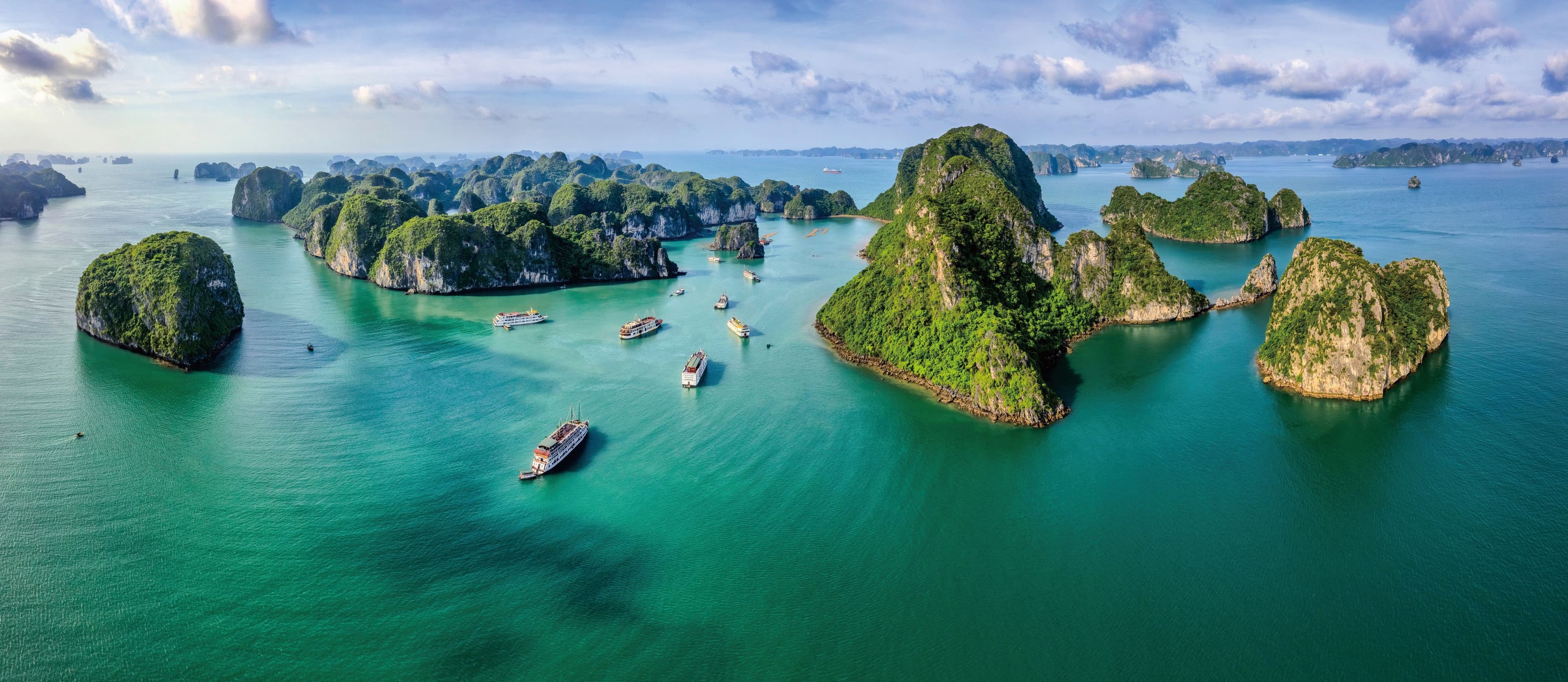
A mid-range itinerary may include a Ha Long Bay cruise, cooking class, food tour, guided city visit, countryside day trip, and a few comfortable transfers. Travelers can still enjoy local food and affordable cafés while choosing better hotels and smoother transport.
For first-time visitors, this budget level often feels practical because it reduces stress without making every part of the trip luxury-priced. It also allows enough flexibility for families, couples, and senior travelers who want comfort but still care about value.
Comfort or Luxury 2-Week Vietnam Trip
A comfort or luxury 2-week Vietnam trip is suitable for honeymooners, families, seniors, anniversary travelers, and anyone who prefers private support. This style may include boutique hotels, premium resorts, private guides, private transfers, luxury cruises, curated dining, spa time, and special activities.
Comfort or luxury budgets can range from $200-350+ per day, while high-end luxury can go higher depending on hotel choice, room category, destination, season, and experience level.
This style is best when travelers want smooth logistics, privacy, and a more personalized itinerary. Private guides can add deeper cultural explanation. Premium transfers reduce travel stress. Luxury cruises and resorts can make the trip feel more relaxing and memorable.
However, luxury travelers should still plan carefully. Upgrading every night may not always improve the experience. It is often better to spend more in special destinations and use comfortable mid-range hotels for short transit stays.
Accommodation Costs for 2 Weeks in Vietnam
Budget Accommodation
Budget accommodation includes hostels, guesthouses, simple hotels, and basic homestay-style stays. This option is best for travelers who prioritize savings and location over facilities.
Budget stays can work well in Hanoi, Ho Chi Minh City, Hue, and smaller towns where travelers spend most of the day exploring. A simple but well-located hotel can be better than a slightly nicer property far from the main area.
However, travelers should look beyond the nightly price. Room cleanliness, air conditioning, bathroom quality, noise level, elevator access, and safety can affect the overall experience.
Budget accommodation is less suitable for travelers who need quiet rooms, family facilities, pools, or higher comfort. Families, seniors, honeymooners, and travelers arriving after long flights may prefer a mid-range hotel for better rest.
Mid-Range Hotels and Boutique Stays
Mid-range hotels and boutique stays are often the best choice for travelers who want comfort without luxury-level spending. These properties usually offer private rooms, breakfast, central locations, reliable service, and sometimes pools or small wellness areas.
This category works well for couples, families, first-time visitors, and senior travelers. Boutique hotels in Hanoi, Hoi An, Hue, and Ho Chi Minh City can offer strong value because they combine comfort, location, and local design.
Hotel location matters. A central stay can reduce taxi costs, save time, and make daily sightseeing easier. In a 2-week trip, a good location can make a noticeable difference because travelers will be moving through several destinations.
With FtripVietnam, travelers can choose hotel levels based on budget, comfort expectations, location preferences, and travel style.
Luxury Hotels, Resorts, and Special Stays
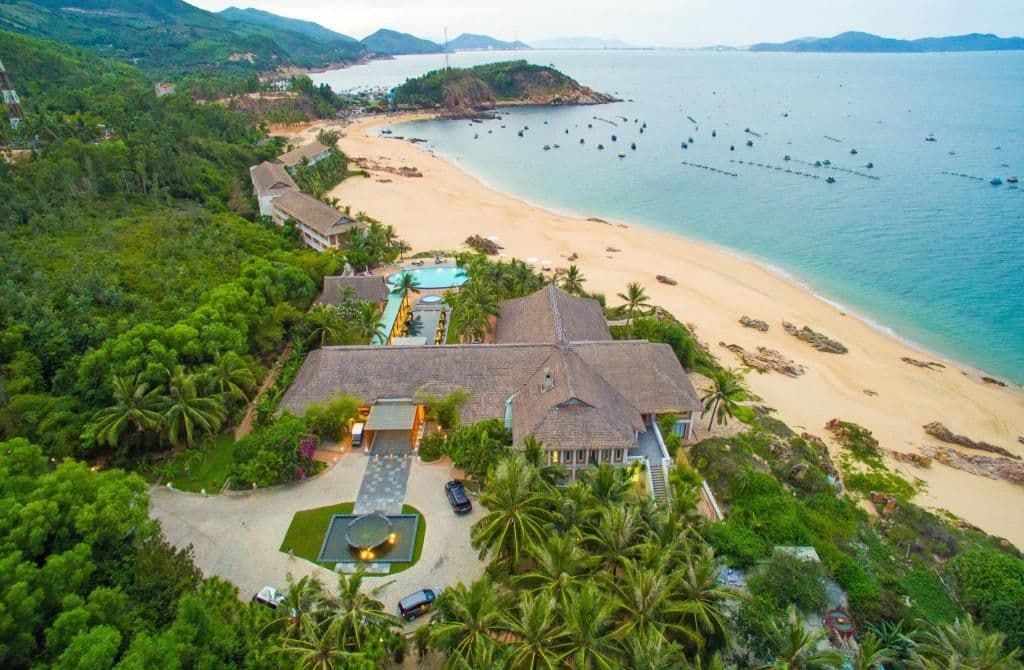
Luxury accommodation includes 5-star city hotels, beachfront resorts, heritage hotels, private villas, mountain lodges, and cruises. This category is ideal for honeymooners, families, seniors, wellness travelers, and special occasions.
Luxury costs can rise quickly in Da Nang, Phu Quoc, Con Dao, Ha Long Bay, and premium Hoi An locations. Premium room types such as ocean-view rooms, suites, family villas, or private pool villas can increase the total budget significantly.
Travelers should choose luxury stays strategically. A luxury resort may be worth it for beach days or honeymoon nights, while a simpler hotel may be enough for a one-night transit stop.
A good 2-week itinerary does not always need luxury every night. Smart luxury planning means upgrading the moments that truly matter.
Food and Drink Budget for 14 Days
Street Food and Local Restaurants
Vietnam is known for affordable and flavorful food, which makes it easier to manage a 2-week travel budget. Travelers who enjoy local dishes can eat well without overspending.
Popular local foods include pho, banh mi, bun cha, com tam, cao lau, spring rolls, noodles, fresh fruit, and Vietnamese coffee. Street food is often one of the most enjoyable parts of the trip because it connects travelers with local daily life.
Street food and local meals can be very affordable, while simple local restaurants usually remain budget-friendly compared with many international destinations. This makes food one of the easiest areas to save money without lowering the quality of the experience.
First-time visitors may want to join a guided food tour in Hanoi, Hoi An, or Ho Chi Minh City. A local guide can explain dishes, ingredients, dining customs, and trusted places to eat.
Mid-Range Dining
Mid-range dining is suitable for travelers who want casual restaurants, cafés, hotel breakfasts, seafood meals, and occasional nicer dining. This style works well for couples, families, and senior travelers who want comfort and reliable service.
Daily food costs increase in beach resorts, tourist streets, rooftop restaurants, and seafood-focused meals. Drinks, desserts, imported ingredients, and western-style restaurants can also raise the total.
A mixed dining style is usually best. Travelers can enjoy local meals and street food on many days, then reserve budget for a few special restaurants, seafood meals, or atmospheric dinners.
This approach keeps the food budget reasonable while still giving travelers variety and comfort.
Special Meals and Fine Dining
Special meals and fine dining should be treated as separate budget items rather than normal daily food spending. These may include private dinners, tasting menus, resort dining, seafood feasts, rooftop meals, romantic setups, or special occasion meals.
This category is best for honeymooners, anniversary travelers, luxury travelers, and food-focused itineraries. A few carefully chosen meals can make a 2-week Vietnam trip more memorable.
Dietary needs such as Muslim, Judaism, vegetarian, or allergy-friendly meals may require advance planning. Suitable restaurants, hotel arrangements, and private dining options should be checked before the trip.
FtripVietnam can help travelers plan food experiences that match budget, dietary needs, comfort level, and destination route.
Transportation Costs During a 2-Week Vietnam Trip
Domestic Flights
Domestic flights are useful for long routes such as Hanoi to Da Nang, Da Nang to Ho Chi Minh City, or Ho Chi Minh City to Phu Quoc. During a 2-week trip, flights can save valuable time, especially for travelers covering northern, central, and southern Vietnam.
Flight costs vary by season, baggage policy, airline, booking timing, and route demand. A cheap base fare may become more expensive once checked baggage or seat selection is added.
Travelers should avoid too many flights because each one requires airport transfers, check-in time, waiting time, and possible delays. Too many airport days can make a 2-week trip feel tiring.
A good itinerary uses domestic flights strategically. Fly long distances, but avoid unnecessary short flights when a private transfer or train route makes more sense.
Trains, Buses, and Shared Transport
Trains, buses, and shared transport can help reduce costs during a 2-week Vietnam trip. They are suitable for travelers who want to save money or enjoy overland travel.
Sleeper trains can be useful on some routes, but comfort varies by cabin class and schedule. Some travelers enjoy the experience, while others may prefer flying or using private transfers to save time and energy.
Buses are usually cheaper but less comfortable for families, senior travelers, or visitors with limited time. Long bus rides can also reduce the time available for sightseeing and rest.
Shared transport works best when budget matters more than flexibility. For comfort-focused travelers, private transfers may offer better value on key routes.
Private Transfers and Local Transport
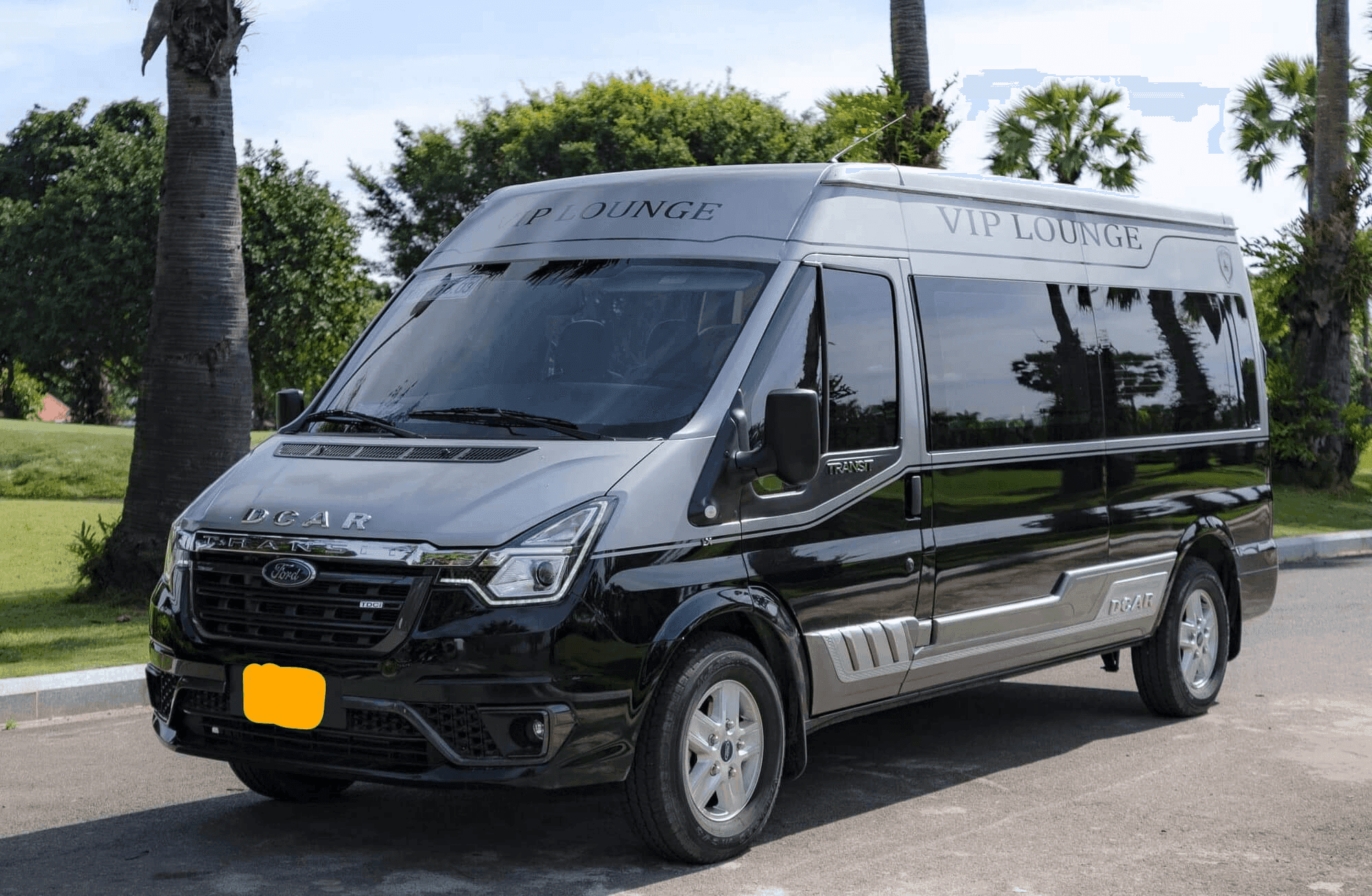
Private cars with drivers are useful for routes such as Hanoi to Ninh Binh, Da Nang to Hoi An, Hue to Hoi An, and Mekong Delta day trips. They cost more than buses or shared transfers, but they improve comfort, luggage handling, timing control, and door-to-door convenience.
Private transfers are especially valuable for families, seniors, couples, and luxury travelers. They can also turn travel days into scenic experiences by allowing stops along the route.
In major cities, taxis and ride-hailing are convenient for short rides to restaurants, markets, cafés, and attractions. These costs are usually manageable, but they can add up over 14 days.
Travelers should include a daily local transport allowance instead of assuming city movement will be free.
Tour, Activity, and Entrance Fee Budget
Cultural Tours and Heritage Sites
Cultural tours and heritage sites are important parts of many Vietnam itineraries. These may include city tours, temple visits, museums, ancient towns, imperial sites, historical landmarks, and local markets.
Entrance fees are usually manageable, but they should still be included in a realistic 2-week budget. The cost can increase if the itinerary includes many museums, heritage sites, guided visits, and special attractions.
Private guides cost more than self-guided visits, but they add cultural context and smoother pacing. For first-time visitors, guided tours in Hanoi, Hue, Hoi An, and Ho Chi Minh City can make the trip more meaningful.
A good guide helps travelers understand local history, architecture, religion, food culture, and daily life instead of only taking photos at famous places.
Nature and Outdoor Experiences
Nature and outdoor experiences can become major budget items during a 2-week Vietnam trip. These may include Ninh Binh boat rides, Ha Long Bay cruises, Mekong Delta tours, Sapa or Pu Luong trekking, cave visits, snorkeling, kayaking, and island hopping.
Overnight cruises and private outdoor tours usually cost more than simple day trips. Travelers should compare inclusions carefully, including meals, transfers, room type, guide quality, route, group size, and safety standards.
A 2-week trip usually has enough time to include a few higher-value nature experiences. These can become highlights of the journey when chosen carefully.
Travelers should avoid booking only by the lowest headline price, especially for cruises, trekking, remote routes, or water activities.
Workshops and Local Experiences
Workshops and local experiences add strong value because they make the trip more personal. These may include cooking classes, market tours, lantern making, pottery, basket boats, farming, craft villages, home-style meals, and photography tours.
These activities work well for families, couples, and culture-focused travelers. They allow travelers to interact with local people, learn something hands-on, and create memories beyond standard sightseeing.
Travelers should reserve part of the budget for these experiences, but they do not need to add too many. A few well-chosen workshops are better than a packed schedule full of rushed activities.
FtripVietnam can help match workshops and local activities with budget, route, travel pace, and personal interests.
Suggested 2-Week Vietnam Budget Structure
Where Does Most of the Budget Usually Go?
For a 2-week Vietnam trip, the largest in-country expenses are usually accommodation, domestic transportation, cruises, private tours, and selected premium experiences.
Accommodation often becomes one of the largest expenses because travelers need around 13 nights. Hotel level, location, and room category can strongly affect the total cost.
Transport can also take a large share if the itinerary covers several regions. Domestic flights, private transfers, and island logistics can raise the budget quickly.
Cruises, beach resorts, guided tours, and workshops can add significant value, but they should be selected carefully. Food can remain affordable if travelers mix local meals with selected special dining.
Hidden costs such as tips, laundry, SIM or eSIM, snacks, cafés, and small purchases should not be ignored because they add up over 14 days.
What Is a Good Budget Split for a Comfortable Mid-Range Trip?
For a comfortable mid-range 2-week Vietnam trip, travelers can use a simple budget structure to estimate where the money may go.
A practical in-country budget split may look like this:
• Accommodation: 35-45% of the in-country budget. • Transport: 20-30%, depending on domestic flights and private transfers. • Food and drinks: 15-20%, depending on dining style. • Tours and activities: 15-25%, depending on cruises, workshops, and private guides. • Miscellaneous: 5-10% for tips, SIM or eSIM, laundry, small shopping, snacks, and personal needs.
This split is only a guide. A traveler who cares most about food and local experiences may spend more on tours and dining. A family may spend more on hotels and private transfers. A honeymoon couple may spend more on special stays and romantic experiences.
The best budget structure should match the purpose of the trip.
How Can Travelers Adjust the Budget?
Travelers can adjust the budget by deciding what matters most. A 2-week Vietnam trip does not need to be expensive in every category. It should be designed around priorities.
Travelers can adjust spending in several ways:
• Spend more on hotels if comfort, location, and rest matter most. • Spend more on guides and tours if culture, history, and local insight matter most. • Spend more on transport if traveling with children, seniors, or limited time. • Spend more on special experiences if the trip is for a honeymoon, anniversary, or once-in-a-lifetime vacation. • Reduce costs by choosing fewer destinations, fewer hotel changes, and fewer premium upgrades.
This is where customized planning can help. Instead of copying a fixed route, travelers can build a budget around their own travel goals.
Best 2-Week Vietnam Routes by Budget Style
Budget-Friendly Route
A budget-friendly 2-week route should focus on fewer destinations and cost-efficient transport. A practical route may include Hanoi, Ninh Binh, Hue, Hoi An, and Ho Chi Minh City.
This route allows travelers to experience history, food, countryside, old towns, and city life without adding too many remote or island destinations. Trains or buses can be used where suitable, while guesthouses and simple hotels can keep accommodation costs low.
Budget travelers can focus on walking tours, local food, markets, temples, free time, and selected paid activities. They should avoid adding too many islands, remote mountain areas, or premium cruises because extra transport can increase costs.
This style works best for flexible travelers who do not mind simpler comfort and more independent planning.
Comfortable Mid-Range Route
A comfortable mid-range route can include Hanoi, Ninh Binh, Ha Long Bay, Hoi An, Da Nang, Ho Chi Minh City, and the Mekong Delta. This is a balanced option for many first-time visitors.
Domestic flights can be used for longer distances, while private transfers can make shorter regional routes smoother. Travelers can stay in 3-4 star hotels or boutique properties, then add a Ha Long Bay cruise, cooking class, food tour, and guided cultural visits.
This route gives travelers a strong mix of city culture, countryside, heritage towns, bay scenery, food experiences, and river life. It works well for couples, families, and first-time visitors who want variety without making the trip too rushed.
Luxury or High-Comfort Route
A luxury or high-comfort route may include Hanoi, Ninh Binh, Ha Long Bay or Lan Ha Bay, Hue, Hoi An, and Phu Quoc or Con Dao. This route combines culture, scenery, heritage, cruising, and beach relaxation.
Travelers may use private transfers, premium hotels, private guides, luxury cruises, curated dining, wellness experiences, and beach resort stays. Photography tours, private workshops, spa treatments, and special meals can also be added.
This route is best for couples, families, seniors, and travelers who want smooth logistics and high comfort.
Luxury travelers should avoid overloading the route. Premium stays feel more worthwhile when there is enough time to enjoy the hotel, cruise, or beach resort.
Hidden Costs Travelers Should Not Forget
Visa, Insurance, and Entry Preparation
Visa or entry-related fees should be checked before booking because rules and costs can change. Travelers should review passport validity, entry requirements, processing time, and any documents needed before departure.
Travel insurance should also be included in the total budget, especially for families, senior travelers, and anyone joining adventure activities. Medical coverage, cancellation protection, baggage coverage, and emergency support can affect the price.
Urgent passport processing, visa corrections, or last-minute document issues can create extra costs. These expenses should be kept separate from daily spending.
SIM/eSIM, Laundry, Tips, and Small Daily Costs
Small daily costs are easy to underestimate during a 14-day trip. SIM or eSIM, laundry, bottled water, snacks, tips, small taxi rides, cafés, and convenience purchases can add up over two weeks.
Families should budget extra for snacks, drinks, laundry, and small adjustments. Travelers who shop at markets or buy souvenirs should also include a flexible spending allowance.
A small daily cash buffer is useful for markets, local food, small shops, tips, and rural areas where card payments may not be convenient.
Peak Season and Holiday Costs
Hotels, flights, cruises, and private tours can cost more during high-demand periods. Tet, Christmas, New Year, summer holidays, and school breaks may affect both pricing and availability.
Popular places such as Hoi An, Da Nang, Phu Quoc, and Ha Long Bay may require earlier booking during peak travel windows. Beach resorts, family rooms, boutique hotels, and cruises can sell out quickly.
Flexible dates can help travelers control the overall budget. If travel dates are fixed, booking key services earlier is usually the safer choice.
Smart Ways to Save Money During 2 Weeks in Vietnam
Saving money in Vietnam does not mean choosing the cheapest option for everything. The goal is to reduce waste while protecting comfort and experience quality.
Smart saving strategies include:
• Choose fewer destinations because reducing hotel changes and transfers can save money and improve comfort. • Mix hotel levels by using comfortable mid-range hotels for most nights and upgrading only in special destinations. • Eat local often because local meals and street food can lower daily costs while improving the cultural experience. • Book key experiences carefully and spend on quality guides, cruises, and workshops where they matter most. • Use domestic flights strategically by flying long distances but avoiding unnecessary short flights. • Plan by region and weather to reduce last-minute changes and wasted travel time. • Keep free time in the itinerary because not every day needs a paid tour. • Customize instead of copying a fixed route so the trip focuses spending on what matters most.
A tailored 2-week itinerary can often save money because it removes unnecessary stops, inefficient transfers, and activities that do not match the traveler’s interests.
How to Customize a 2-Week Vietnam Budget Based on Travel Style?
For Couples and Honeymooners
Couples and honeymooners may want to spend more on boutique hotels, private dinners, spa time, beach resorts, photography sessions, and scenic cruises. These experiences can make the trip feel more romantic and personal.
They can save money by choosing fewer destinations and a slower route. A relaxed itinerary often feels more special than a packed schedule with constant transfers.
Special experiences should be added selectively instead of upgrading every part of the trip. Good destinations include Hoi An, Ninh Binh, Ha Long Bay, Da Nang, Phu Quoc, and Con Dao.
For Families
Families should budget for family rooms, connecting rooms, private transfers, snacks, flexible meals, kid-friendly activities, and rest time. A family trip should be planned around comfort and pacing, not only destination count.
Too many domestic flights or long transfers in a short period can make the trip tiring for both children and parents. Cooking classes, boat rides, beaches, craft workshops, and countryside visits often work well because they are enjoyable for different ages.
Pool time or rest days should be included. These slower moments can make the trip feel easier and more enjoyable.
For Senior Travelers
Senior travelers may want to spend more on private transfers, comfortable hotels, slower pacing, and guided tours. These choices can reduce physical stress and make the trip smoother.
Overly remote routes or physically demanding activities should be avoided unless preferred. Budget should also include convenience, accessibility, and reliable local support.
Good destinations for senior travelers include Hanoi, Ninh Binh, Hue, Hoi An, Da Nang, and Phu Quoc because they can be planned with smoother logistics and comfortable services.
For Luxury Travelers
Luxury travelers should allocate more budget to premium hotels, private guides, cruises, wellness, exclusive experiences, and upgraded transport. They should also check what is included in luxury services, such as meals, transfers, activities, room type, and private support.
A luxury 2-week trip should not be overpacked. Premium stays feel more worthwhile when travelers have time to enjoy the hotel, resort, cruise, or wellness experience.
Working with a local planner helps combine luxury comfort with authentic local experiences, so the trip feels personal instead of generic.

What Travelers Should Know Before Booking a 2-Week Vietnam Trip?
Is Two Weeks Enough for Vietnam?
Yes, two weeks is enough for a balanced Vietnam trip if the route is planned well. Travelers can combine cities, countryside, heritage towns, food experiences, nature, and beach time within 14 days.
However, two weeks is not enough to see everything comfortably. Trying to cover too many destinations can increase costs and reduce enjoyment. More stops usually mean more transfers, more hotel changes, more luggage handling, and less time to relax.
A well-paced itinerary often feels better than a long checklist. Travelers should choose the regions that match their interests instead of trying to fit every famous place into one trip.
Is Vietnam Affordable for a 2-Week Trip?
Vietnam can be affordable for a 2-week trip, especially for travelers who enjoy local food, simple transport, and mid-range hotels. Many daily expenses can be lower than in long-haul destinations with higher living costs.
However, not every 2-week Vietnam trip is cheap. Domestic flights, luxury hotels, private tours, cruises, beach resorts, and special experiences can raise the total quickly.
Travelers should decide what comfort level they want before setting the budget. Spending more in the right places can improve the whole trip, especially for families, seniors, honeymooners, and travelers with limited time.
Should the Budget Match Travel Goals?
Yes, the budget should match travel goals. A backpacker route, family vacation, honeymoon, cultural tour, and luxury trip will all have different costs.
Travelers should think about what matters most:
• Comfort and hotel quality. • Privacy and private support. • Food and dining experiences. • Beach time and resort stays. • Workshops and local culture. • Photography and special memories. • Smooth transport and fewer travel delays.
The best budget is not always the lowest one. It is the budget that supports the experience travelers actually want.
Clear planning helps avoid both overspending and under-budgeting.
Why Plan Your 2-Week Vietnam Budget with FtripVietnam?
FtripVietnam helps travelers design a completely customizable 2-week Vietnam itinerary based on budget, hotel style, destinations, comfort level, luxury preferences, cultural interests, dietary needs, and special requests.
The team is 100% local, with 7+ years of experience creating Vietnam trips for international travelers. This local knowledge is useful when travelers need realistic advice on route design, hotel areas, transfer options, seasonal timing, daily expenses, and experience quality.
FtripVietnam also has experience serving niche markets, including Muslim and Judaism travelers. This makes it easier to arrange suitable meals, cultural sensitivity, private support, and smoother travel logistics.
Travelers can request unique experiences that are difficult to find in standard packages, such as photography tours, cooking classes, local workshops, craft villages, private food tours, market visits, and daily cultural activities.
Many tourists praise FtripVietnam for enthusiastic, knowledgeable, and friendly support. This is especially valuable when planning a realistic 2-week Vietnam budget and route.
With FtripVietnam, travelers can build a 2-week itinerary that balances cost, comfort, pacing, and meaningful local experiences.
FAQs
How much money do I need for 2 weeks in Vietnam?
The amount depends on travel style, hotels, route, domestic flights, tours, and dining preferences. Budget travelers may spend much less by using simple accommodation and local food. Mid-range travelers should plan more for comfortable hotels, guided tours, domestic flights, and better transport. Luxury travelers should budget for premium stays, private guides, cruises, resorts, and curated experiences.
Is 2 weeks enough for Vietnam?
Yes, 2 weeks is enough for a balanced Vietnam trip if the route is planned well. Travelers can combine cities, countryside, heritage towns, food experiences, and beaches. The itinerary should avoid too many destinations, otherwise the trip may feel rushed and more expensive.
What is the biggest cost during a 2-week Vietnam trip?
Accommodation, domestic transport, cruises, private tours, and beach resorts are usually major in-country costs. For international travelers, long-haul flights may be the biggest total expense. The biggest cost driver depends on whether the trip is budget, mid-range, or luxury.
Can a 2-week Vietnam trip be customized to my budget?
Yes, the trip can be adjusted by changing hotels, route, transport style, tours, meals, and number of destinations. Travelers can save money by choosing fewer hotel changes, mixing local food with special meals, and prioritizing key experiences. With FtripVietnam, travelers can build a 2-week Vietnam itinerary that matches their budget, comfort level, and travel goals.
Conclusion
A realistic 2-week Vietnam travel budget depends on travel style, hotel level, route, domestic transport, tours, food choices, and hidden costs. Budget travelers, mid-range travelers, and luxury travelers can all enjoy Vietnam, but they should plan with different expectations.
International flights should be calculated separately from in-country Vietnam expenses, especially for travelers coming from long-haul markets. Once inside Vietnam, costs can be adjusted through hotel choices, transport style, dining plans, route design, and selected experiences.
Smart routing, fewer unnecessary hotel changes, and selective upgrades can help travelers control costs without reducing trip quality. A good 2-week Vietnam itinerary should feel balanced, realistic, and aligned with the traveler’s comfort level.
For travelers who want transparent budget planning, FtripVietnam can help design a fully customized 2-week Vietnam itinerary with suitable hotels, smart routing, private experiences, niche travel support, and clear cost expectations.
Travelers can request a tailored 2-week Vietnam plan that fits their budget, comfort level, travel pace, and travel goals.


Founder & Photography Guide
Specialties: Culture, landscape, portrait, hiking, active and adventurous tour
Besides my unlimited passion for traveling, a professional tour guide for over a decade, I have been taking photographs since sitting at Hanoi of the University of Culture in the early 2000s. Photography started as a hobby but it was seriously taken due to my work relations and my significant passion for the beauty of our world, especially in Southeast Asian parts such as Vietnam, Laos, Cambodia, and Myanmar.
Within a few years of taking photographs, my works began to be recognized by many reliable international publications such as AFAR Travel, The Times, and The Daily Telegraph newspaper. In addition, I continuously add to my growing profile by winning numerous major awards: 3rd Position of The Independent Photographer 2018, 1st Position of Amateur Photographer of the year 2018, Grand Prize Winner of the AFAR Travel Photography 2019, and a Gold Award of San Francisco Bay International Photography 2020.
I photograph a wide variety of subjects, from travel to landscapes to street scenes. I enjoy documenting the East’s rich cultural heritage and its land soaked in glorious sunrise or sunset light in remote and secluded spots. And, I am very happy to share my knowledge and experience with you. You can visit Luminousvietnamtour to explore tour!