- Is Vietnam Safe for American Tourists?
- Overview of Safety in Vietnam for American Travelers
- General Safety Level
- Main Safety Concerns Tourists Should Know
- Who Should Plan More Carefully?
- Is Vietnam Safe for First-Time American Visitors?
- Why Is Vietnam Manageable for First-Time Travelers?
- What Should First-Time Visitors Be Careful About?
- Traffic Safety in Vietnam
- Why Does Traffic Feel Different for Americans?
- What Are the Most Important Road Safety Tips?
- Petty Theft, Pickpocketing, and Bag Safety
- Where Can Petty Theft Happen?
- How Can Travelers Protect Their Belongings?
- Common Tourist Scams in Vietnam
- What Transport and Taxi Scams Should Travelers Know?
- What Shopping and Street Vendor Scams Should Travelers Know?
- What Tour and Ticket Scams Should Travelers Know?
- Food and Water Safety in Vietnam
- Is Street Food Safe?
- What Should Travelers Know About Water and Drinks?
- How Should Travelers Handle Dietary Needs and Allergies?
- Health and Medical Safety for American Tourists
- What Vaccines and Health Preparation Should Travelers Consider?
- How Can Travelers Prevent Mosquito Bites and Dengue?
- What Should Travelers Know About Medical Care in Vietnam?
- Natural Disaster and Weather Safety
- How Should Travelers Handle Heat and Humidity?
- What Should Travelers Know About Rain, Flooding, and Typhoons?
- How Can Travelers Stay Safe During Mountain, Cave, and Adventure Activities?
- Is Vietnam Safe for Solo Female American Travelers?
- Is Vietnam Generally Safe for Solo Women?
- What Practical Tips Help Solo Female Travelers Stay Safe?
- Is Vietnam Safe for Families and Senior Travelers?
- What Safety Tips Help Families?
- What Safety Tips Help Senior Travelers?
- Safety Tips for Popular Vietnam Destinations
- What Should Travelers Know About Safety in Hanoi?
- What Should Travelers Know About Safety in Ho Chi Minh City?
- What Should Travelers Know About Safety in Hoi An and Da Nang?
- What Should Travelers Know About Safety in Ha Long Bay and Ninh Binh?
- What Should Travelers Know About Safety in Sapa, Ha Giang, and Mountain Routes?
- What Should Travelers Know About Safety in Phu Quoc and Island Destinations?
- What Should American Tourists Know Before Traveling?
- What Passport, Visa, and Entry Rules Should Americans Check?
- How Can Travelers Manage Money and Payment Safely?
- What Local Laws and Cultural Respect Should Travelers Know?
- Smart Safety Tips for a Smooth Vietnam Trip
- Why Plan a Safe Vietnam Trip with FtripVietnam?
- FAQs
- Is Vietnam safe for American tourists?
- What should Americans be careful about in Vietnam?
- Is Vietnam safe for solo female travelers from the USA?
- Is Vietnam safe for families and senior travelers?
- Conclusion
Is Vietnam Safe for American Tourists?
Yes, Vietnam is generally considered a safe destination for American tourists when travelers use normal precautions. The U.S. Department of State currently lists Vietnam as Level 1: Exercise Normal Precautions, which is the lowest advisory level for safety and security risks.
For most visitors, the main safety concerns in Vietnam are practical travel issues rather than serious danger. American tourists should pay attention to road traffic, motorbike-heavy streets, petty theft, scams, food hygiene, weather, health preparation, and travel insurance.
Many Americans visit Vietnam every year for culture, food, nature, beaches, family vacations, honeymoons, private tours, and multi-region itineraries. Popular destinations such as Hanoi, Ho Chi Minh City, Hoi An, Da Nang, Hue, Ninh Binh, Ha Long Bay, and Phu Quoc are used to welcoming international travelers.
A safe Vietnam trip is not only about avoiding problems. It is also about planning realistic routes, choosing reliable transport, staying in suitable hotels, eating carefully, checking weather, and having local support when needed.
For American travelers who want a safer, smoother, and more personalized Vietnam experience, FtripVietnam can help design a customized itinerary based on comfort level, travel pace, destinations, dietary needs, and safety concerns.
Overview of Safety in Vietnam for American Travelers
General Safety Level
Vietnam is not considered a high-risk destination for American tourists under the current U.S. travel advisory. The U.S. Department of State lists Vietnam at Level 1, meaning travelers should exercise normal precautions.
For most visitors, violent crime is not the main concern. Daily travel risks are usually more practical, such as traffic, petty theft, scams, weather, and food or water hygiene.
Travelers should still stay aware in crowded areas, nightlife zones, markets, bus stations, train stations, airport arrival areas, and busy tourist streets. These places are not necessarily unsafe, but they require more attention.
Normal precautions are enough for most Vietnam trips, especially when the route is well planned and travelers use reliable transport, suitable accommodation, and trusted local support.
Main Safety Concerns Tourists Should Know
American travelers should understand the most common safety issues before arriving. These are usually manageable with good planning and awareness.
Main safety concerns include:
• Road traffic and motorbike-heavy streets. • Pickpocketing, bag snatching, and phone theft in crowded areas. • Taxi, shopping, currency, or tour-related scams. • Food and water hygiene. • Heat, heavy rain, flooding, or typhoons depending on season and region. • Health preparation, mosquito protection, and travel insurance.
These risks should not stop travelers from visiting Vietnam. Instead, they should help travelers prepare better. A well-informed traveler can avoid most common problems and enjoy the trip with more confidence.
Who Should Plan More Carefully?
Some travelers may need more careful planning, even though Vietnam is generally safe for tourists. This does not mean they should avoid Vietnam. It means the itinerary should be designed with comfort, health, food needs, and logistics in mind.
Travelers who should plan more carefully include:
• First-time visitors to Southeast Asia. • Families with children. • Senior travelers. • Solo female travelers. • Travelers with medical conditions. • Visitors planning remote mountain areas, motorbike routes, islands, or adventure activities. • Travelers with Muslim, Judaism, vegetarian, allergy-related, or other special food needs.
For these travelers, private transfers, central hotels, reliable guides, slower pacing, and meal planning can make the trip much safer and more enjoyable.

Is Vietnam Safe for First-Time American Visitors?
Why Is Vietnam Manageable for First-Time Travelers?
Vietnam is manageable for first-time American visitors because the main tourist destinations have strong travel infrastructure. Cities and travel hubs such as Hanoi, Ho Chi Minh City, Da Nang, Hoi An, Hue, Ninh Binh, and Phu Quoc are used to welcoming international tourists.
Hotels, airports, restaurants, guides, and tour services in popular areas are generally familiar with foreign travelers. English may not be spoken everywhere, but travelers can usually find support in hotels, tour offices, airports, and major tourist zones.
Many safety issues can be avoided with careful planning. Choosing a good hotel location, arranging airport transfers, booking reliable tours, and avoiding overly rushed routes can reduce stress significantly.
First-time visitors should start with well-connected destinations before adding remote areas. A smooth first route helps travelers adjust to traffic, local customs, climate, and daily travel style.
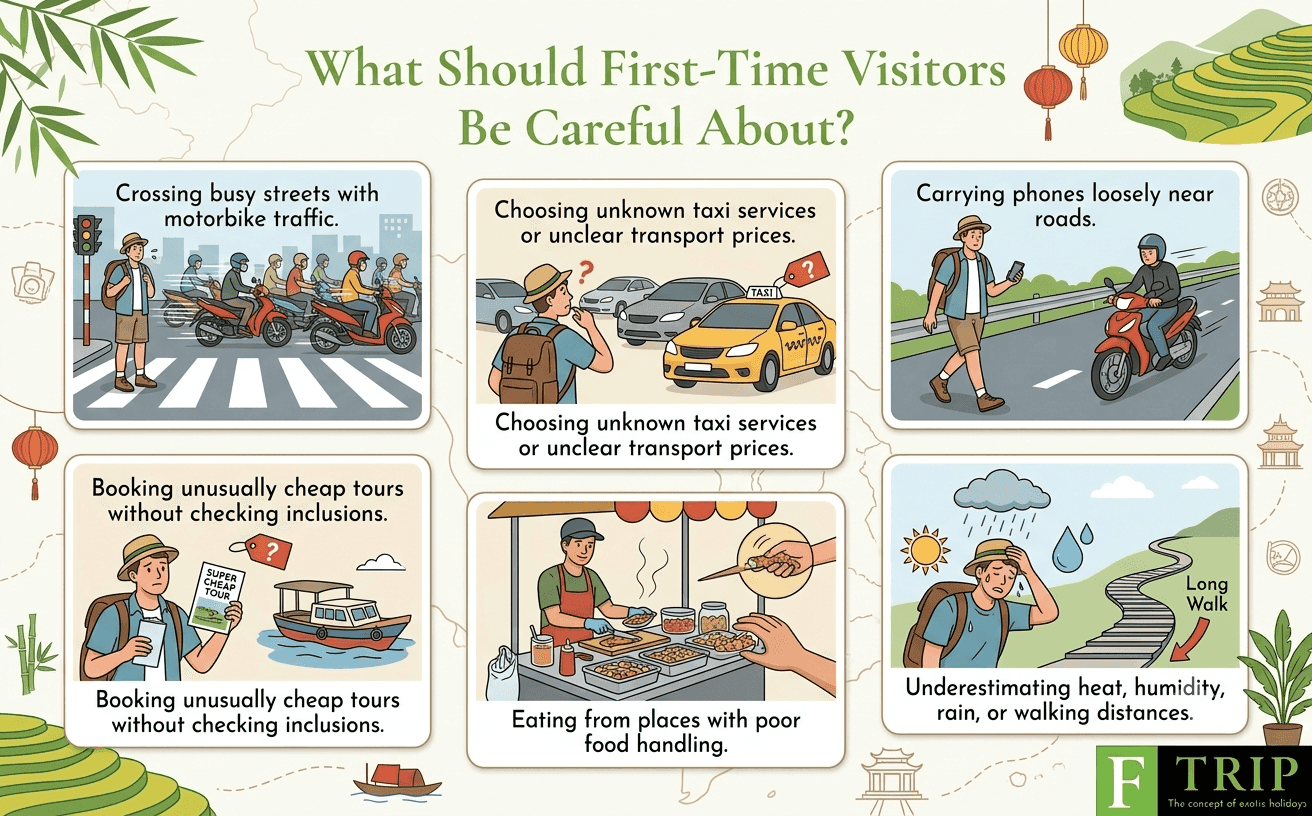
What Should First-Time Visitors Be Careful About?
First-time visitors should be especially careful with practical details that may feel different from travel in the United States.
Common things to watch include:
• Crossing busy streets with motorbike traffic. • Choosing unknown taxi services or unclear transport prices. • Carrying phones loosely near roads. • Booking unusually cheap tours without checking inclusions. • Eating from places with poor food handling. • Underestimating heat, humidity, rain, or walking distances.
These are not reasons to avoid Vietnam. They are simply areas where travelers should slow down, ask questions, and use reliable services.
Traffic Safety in Vietnam
Why Does Traffic Feel Different for Americans?
Traffic is one of the biggest adjustments for American tourists in Vietnam. Major cities such as Hanoi and Ho Chi Minh City have dense motorbike traffic, and the rhythm of the road can feel unfamiliar at first.
Crosswalks may not work exactly the way American travelers expect. Vehicles may continue moving around pedestrians instead of stopping completely. Motorbikes can also appear from small lanes, sidewalks, side streets, and unexpected directions.
The safest approach when crossing the street is to move slowly and predictably. Sudden movements can confuse drivers. Travelers should avoid running across the road or stopping suddenly in the middle of traffic.
In busy areas, it can help to cross with locals or wait for a calmer moment. First-time visitors often become more comfortable after a day or two.
What Are the Most Important Road Safety Tips?
Road safety is mostly about avoiding unnecessary risk. Travelers do not need to drive themselves to enjoy Vietnam.
Important road safety tips include:
• Use reliable transfers, licensed drivers, or trusted ride-hailing services. • Avoid renting a motorbike if you are not experienced with local traffic. • Wear a helmet if riding any motorbike or scooter. • Avoid night driving in unfamiliar areas. • Be careful near train tracks, mountain roads, and rural routes. • Use private cars for families, seniors, or travelers with luggage when possible.
For families and senior travelers, private cars are usually safer and more comfortable than self-driving or motorbike travel. For mountain areas, experienced local drivers are especially important.
Petty Theft, Pickpocketing, and Bag Safety
Where Can Petty Theft Happen?
Petty theft can happen in Vietnam, especially in crowded or tourist-heavy areas. Canada’s travel advisory notes that petty crime such as pickpocketing and purse snatching can occur, especially in larger cities and around major public holidays.
Common places where petty theft can happen include:
• Crowded markets and night markets. • Tourist streets and nightlife areas. • Bus stations, train stations, and airport arrival areas. • Busy sidewalks and roadside cafés. • Large events, festivals, or public holiday crowds.
The UK travel advice also notes that violent crime against foreigners is rare, while theft, pickpocketing, and bag-snatching can occur in crowded tourist areas.
Most travelers will not experience theft, but awareness is important. Phones, wallets, cameras, and loose bags are the most common targets.
How Can Travelers Protect Their Belongings?
Travelers can reduce theft risk by being careful with valuables, especially near roads and in crowded places.
Useful safety habits include:
• Keep phones away from the roadside when walking or taking photos. • Use a crossbody bag or anti-theft bag instead of a loose shoulder bag. • Avoid placing phones, wallets, or cameras on café tables near the street. • Keep passports, extra cash, and backup cards in the hotel safe when possible. • Carry only what is needed for the day. • Stay alert when using ATMs or exchanging money.
One of the most important habits is phone safety. Phone snatching can happen quickly from motorbikes, especially when travelers stand near the road taking photos or checking maps.
Common Tourist Scams in Vietnam
What Transport and Taxi Scams Should Travelers Know?
Transport scams can happen in tourist areas, airports, nightlife zones, and busy streets. They are usually avoidable when travelers use trusted services and confirm prices clearly.
Common transport issues include:
• Unclear taxi meters or inflated fares. • Drivers taking longer routes. • Confusing airport transfer offers. • Fake ride-hailing pickups. • Unclear pricing for cyclo, motorbike taxi, or short local rides.
Travelers should confirm the vehicle, driver details, and price before getting in. For airport arrivals, pre-arranged transfers can reduce stress, especially after a long flight from the United States.
What Shopping and Street Vendor Scams Should Travelers Know?
Shopping and street vendor scams are usually small but annoying. They often happen when pricing is unclear before the service or product is accepted.
Common examples include:
• Prices change after a product or service is accepted. • Overcharging in tourist-heavy markets. • Photo props, fruit baskets, or shoe-cleaning services with unclear pricing. • Currency confusion when paying in cash. • Pressure to sell near popular attractions.
Travelers should ask the price first, count cash carefully, and avoid accepting services they do not want. In markets, bargaining may be expected, but it should stay polite and calm.
What Tour and Ticket Scams Should Travelers Know?
Tour scams usually involve very low prices, unclear inclusions, or downgraded services. A cheap tour may not include what travelers assume it includes.
Tour-related issues may include:
• Very cheap tours with missing inclusions. • Fake or low-quality cruise offers. • Unclear pickup points, extra fees, or downgraded services. • Unlicensed guides or unofficial ticket sellers. • Poor cancellation terms or no real support.
Travelers should compare inclusions, guide quality, cancellation terms, route details, and service standards before booking. This is especially important for cruises, outdoor activities, and private transfers.
Food and Water Safety in Vietnam
Is Street Food Safe?
Street food can be one of the best parts of Vietnam travel, and many American tourists enjoy it safely. However, travelers should choose carefully.
A good approach is to look for busy stalls with high turnover. Food that is cooked fresh and served hot is generally a safer choice than food that has been sitting out for a long time.
Travelers with sensitive stomachs should be cautious with raw foods, poorly stored ingredients, and unfamiliar sauces. It may also be wise to start slowly instead of trying too many new dishes on the first day.
A guided food tour can be helpful for travelers who are unsure where to eat. A local guide can introduce trusted places, explain ingredients, and help travelers avoid random tourist traps.
What Should Travelers Know About Water and Drinks?
Travelers should avoid drinking tap water in Vietnam. Bottled, filtered, or properly treated water is the safer choice.
Water and drink safety tips include:
• Drink bottled, filtered, or properly treated water. • Avoid drinking tap water. • Be careful with ice in less reliable places. • Carry water during hot days, especially in cities, countryside areas, and beach destinations. • Use bottled water for brushing teeth if you have a sensitive stomach.
Hydration is especially important in hot and humid weather. Travelers may need more water than expected when walking, cycling, sightseeing, or spending time at beaches.
How Should Travelers Handle Dietary Needs and Allergies?
Travelers with allergies, Muslim, Judaism, vegetarian, or other special dietary needs should plan ahead. Some ingredients may not be obvious in sauces, broths, marinades, dipping sauces, or cooking oils.
A local guide can help communicate food requirements more clearly. This is useful because some restaurants may not fully understand dietary restrictions unless they are explained carefully.
FtripVietnam can help arrange suitable restaurants, hotels, and meal planning for travelers with special needs. This support can make the trip safer, more comfortable, and more respectful of cultural or religious requirements.
Health and Medical Safety for American Tourists
What Vaccines and Health Preparation Should Travelers Consider?
The CDC advises travelers to Vietnam to be up to date on routine vaccines and notes travel-related vaccines such as hepatitis A and typhoid for many travelers. CDC health guidance also discusses mosquito-borne illness risks and malaria considerations for certain areas. (CDC)
Travelers should check CDC guidance before departure, especially if visiting rural areas, staying longer, or joining outdoor activities. They should also speak with a healthcare provider before travel if they have medical conditions or specific concerns.
Health preparation should include:
• Bring prescription medication in original packaging. • Carry basic medicine for stomach issues, motion sickness, allergies, pain relief, and dehydration. • Buy travel insurance that includes medical care and emergency support. • Keep insurance details and emergency contacts accessible. • Check whether planned activities need special coverage.
Good health preparation is especially important for families, senior travelers, and visitors planning remote routes.
How Can Travelers Prevent Mosquito Bites and Dengue?
Mosquito-borne illnesses can occur in Vietnam, including dengue. Travelers should take mosquito protection seriously, especially in tropical, rural, and wet areas.
Practical mosquito prevention tips include:
• Use insect repellent, especially in the early morning and evening. • Wear lightweight long sleeves when needed. • Choose accommodation with screens, air conditioning, or mosquito protection. • Avoid standing water and heavily mosquito-prone areas when possible. • Pack repellent for countryside, island, and outdoor routes.
Travelers should not rely only on accommodation to provide mosquito protection. It is better to bring personal repellent and use it consistently.
What Should Travelers Know About Medical Care in Vietnam?
Major cities such as Hanoi, Ho Chi Minh City, and Da Nang have international clinics and hospitals that serve foreign travelers. In these areas, travelers can usually access better medical support than in remote regions.
Remote mountain areas and islands may have more limited medical facilities. Travelers with medical conditions should plan routes carefully and avoid being too far from reliable care for too long.
Travelers should keep emergency contacts, insurance details, passport copies, medication information, and hotel details accessible. This makes it easier to get help if something unexpected happens.
Natural Disaster and Weather Safety
How Should Travelers Handle Heat and Humidity?
Vietnam can feel hot and humid, especially for travelers who are not used to tropical climates. Heat can affect energy levels, hydration, walking comfort, and overall travel pace.
Travelers should schedule outdoor activities in the morning or late afternoon when possible. Midday can be better for indoor attractions, cafés, rest time, or hotel breaks.
Heat safety tips include:
• Drink enough water throughout the day. • Take breaks during long sightseeing days. • Wear breathable clothing, sunscreen, sunglasses, and a hat. • Avoid overloading the itinerary with too much walking. • Plan lighter days for families and senior travelers.
A slower pace can make the trip safer and more enjoyable, especially in hot cities or beach destinations.
What Should Travelers Know About Rain, Flooding, and Typhoons?
Heavy rain can affect transport, outdoor tours, beaches, islands, and mountain routes. Central Vietnam and coastal areas can be more affected during certain rainy or storm periods.
Travelers should check weather before cruises, island trips, trekking, cave visits, or long drives. Weather can change plans quickly, especially in coastal and mountain regions.
A flexible itinerary helps reduce risk during weather-sensitive seasons. Travelers should avoid packing every day with non-refundable outdoor activities, especially during rainy months.
Reliable local support can also help adjust timing, change routes, or recommend safer alternatives when weather conditions are not suitable.
How Can Travelers Stay Safe During Mountain, Cave, and Adventure Activities?
Mountain, cave, and adventure activities require more caution than city sightseeing. Remote routes may involve narrow roads, changing weather, fog, landslides, or limited medical access.
Travelers should use experienced drivers for mountain areas and avoid self-driving motorbikes if they are not familiar with local road conditions.
For trekking, travelers should wear suitable shoes, check weather, and use guide support when needed. For kayaking, snorkeling, cave visits, and boat trips, licensed operators and clear safety standards matter.
The cheapest outdoor activity is not always the safest choice. Travelers should compare safety standards, equipment, guide quality, and cancellation policies before booking.
Is Vietnam Safe for Solo Female American Travelers?
Is Vietnam Generally Safe for Solo Women?
Vietnam is generally manageable for solo female travelers who use normal precautions. Popular destinations have strong tourism infrastructure, many international visitors, and plenty of hotels, cafés, tours, and transport options.
Solo women should still stay alert at night, especially in nightlife areas, isolated streets, quiet alleys, and unfamiliar neighborhoods. They should choose accommodation carefully and avoid risky transport choices late at night.
Sharing hotel details and travel plans with someone trusted is also a smart habit. Solo travel can be rewarding in Vietnam, but it is safer when the route and daily logistics are planned clearly.
What Practical Tips Help Solo Female Travelers Stay Safe?
Solo female travelers can reduce risk by combining independence with sensible planning.
Helpful tips include:
• Choose centrally located hotels with good reviews. • Use reliable transport at night. • Avoid walking alone in poorly lit or isolated areas. • Keep alcohol intake moderate and watch drinks. • Join guided tours for food, markets, remote areas, or late-evening activities. • Trust instincts and leave uncomfortable situations early.
Guided food tours, day trips, and local experiences can be a good way to meet people while still keeping structure and support.
Is Vietnam Safe for Families and Senior Travelers?
What Safety Tips Help Families?
Vietnam can be enjoyable for families when the itinerary is realistic and child-friendly. The main risks for families are not usually serious crime, but tired children, traffic, heat, food issues, long transfers, and overloaded schedules.
Family safety tips include:
• Choose hotels with family rooms, safe locations, pools, and easy transport access. • Plan shorter activity blocks with rest time. • Bring snacks, water, sunscreen, hats, and basic medicine. • Avoid overloaded itineraries and too many long travel days. • Use private transfers when traveling with children or luggage.
Parents should not try to cover too many regions in a short trip. A slower route often feels safer, smoother, and more enjoyable for both kids and adults.
What Safety Tips Help Senior Travelers?
Senior travelers can enjoy Vietnam comfortably with proper planning. The itinerary should focus on smooth logistics, comfortable hotels, private transfers, guided tours, and realistic walking routes.
Senior safety tips include:
• Choose comfortable hotels, slower pacing, private transfers, and guided tours. • Avoid difficult walking routes, long stairs, and remote areas unless suitable. • Check medical access when visiting islands, mountains, or rural areas. • Plan rest days between major travel stages. • Keep medication, insurance, and emergency contacts easy to access.
For senior travelers, safety is closely connected to pacing. A well-paced itinerary can reduce fatigue and make the trip much more enjoyable.
Safety Tips for Popular Vietnam Destinations
What Should Travelers Know About Safety in Hanoi?
Hanoi is generally manageable for tourists, but traffic and crowded areas require attention. The Old Quarter is lively and walkable, but sidewalks can be busy and motorbikes may pass close to pedestrians.
Travelers should be careful when crossing streets, watching belongings in markets, and using phones near roads. Guided food tours can help first-time visitors enjoy street food more confidently.
Travelers should also avoid risky behavior around train tracks and crowded photo spots. Popular photo areas may look interesting, but safety rules and local restrictions should be respected.
What Should Travelers Know About Safety in Ho Chi Minh City?
Ho Chi Minh City is energetic, modern, and busy. The main tourist safety issue is petty theft, especially phone snatching near roads and crowded areas.
Travelers should keep phones away from traffic lanes, use reliable transport for evening activities, and watch belongings in nightlife zones and markets.
Unclear taxi or motorbike taxi pricing can also be an issue. Pre-arranged transfers or reliable ride services are safer options, especially at night or after arrival.
What Should Travelers Know About Safety in Hoi An and Da Nang?
Hoi An and Da Nang are generally comfortable for families, couples, and first-time visitors. Da Nang has beaches, resorts, and modern roads, while Hoi An is known for its old town, food, lanterns, and countryside experiences.
Travelers should be careful cycling at night or during rain. Roads may be darker outside central areas, and wet surfaces can be slippery.
Before beach days, boat trips, or transfers between Da Nang, Hoi An, and Hue, travelers should check weather conditions. Safe transport is especially important during rainy periods.
What Should Travelers Know About Safety in Ha Long Bay and Ninh Binh?
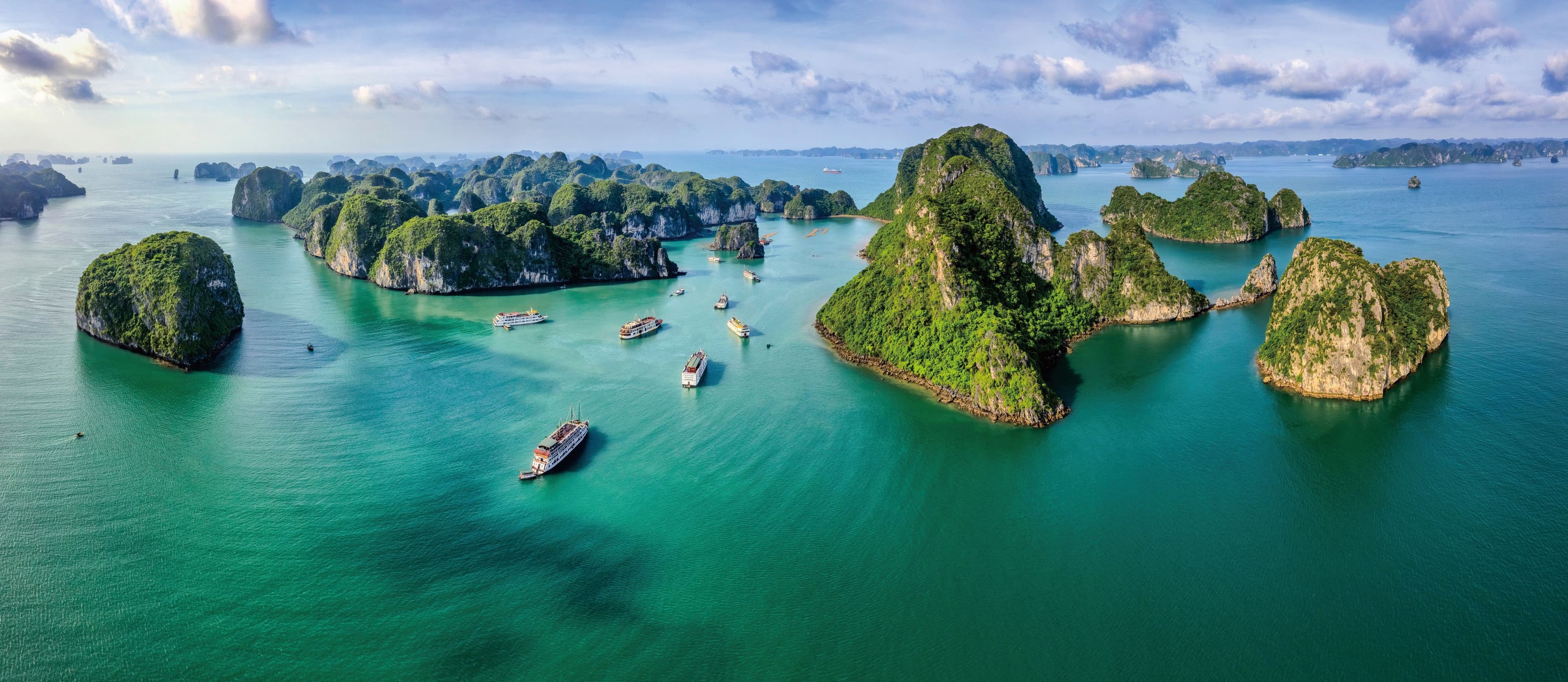
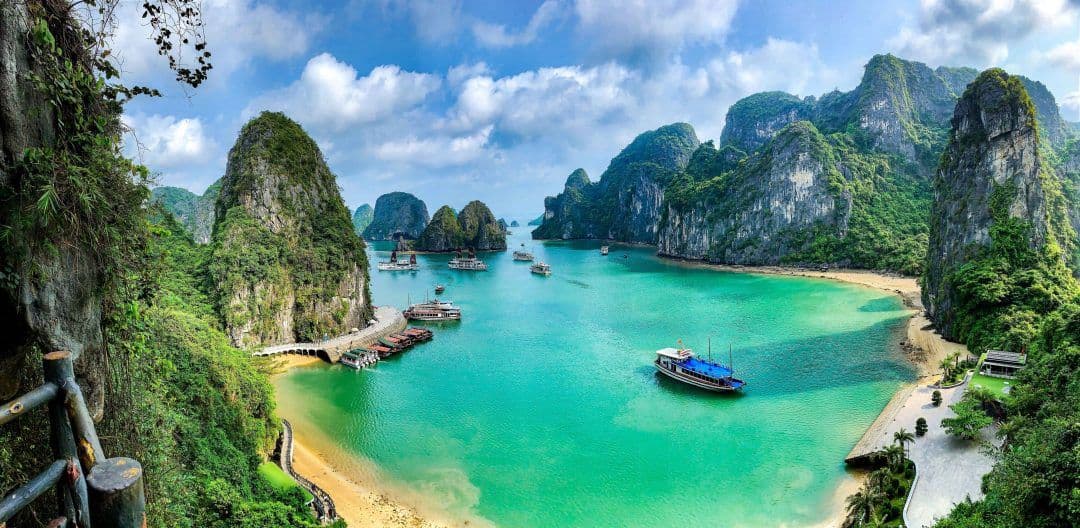
Ha Long Bay and Ninh Binh are popular for scenery, boat rides, caves, and limestone landscapes. The main safety concerns are weather, boat quality, wet paths, and crowded boarding areas.
Travelers should choose reliable boat and cruise operators. They should also check weather before cruises, kayaking, or boat rides.
Life jackets should be worn when required. Travelers should be careful on wet stairs, cave paths, and boat boarding areas, especially after rain.
What Should Travelers Know About Safety in Sapa, Ha Giang, and Mountain Routes?
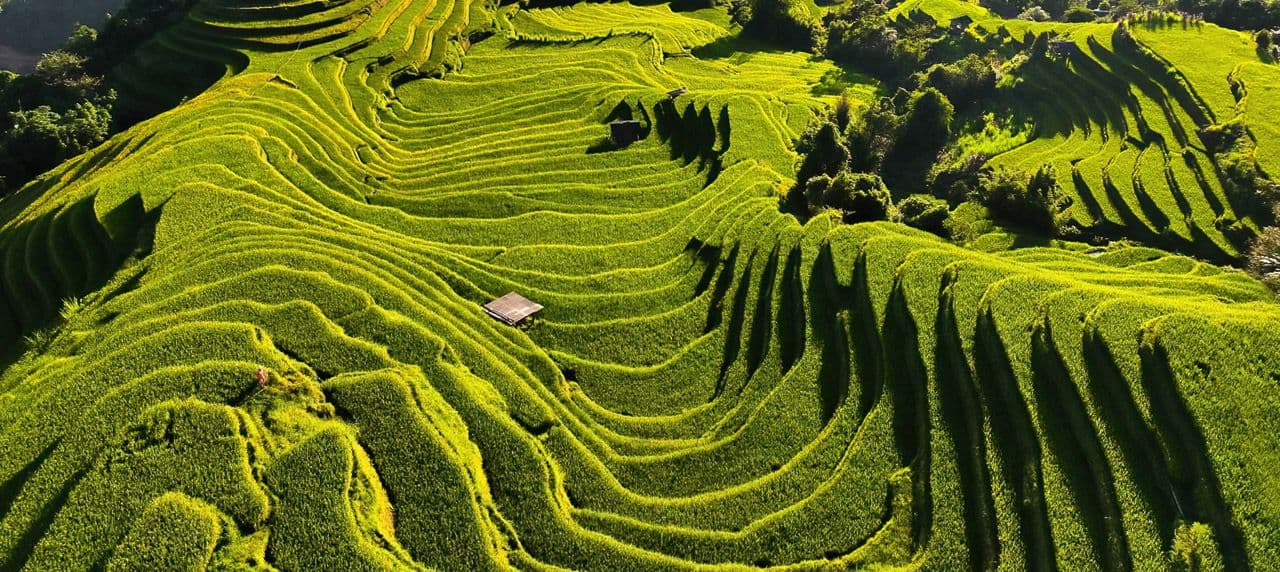
Mountain routes such as Sapa, Ha Giang, Pu Luong, and similar areas require extra planning. Roads can be winding, steep, foggy, or affected by rain.
Travelers should use experienced drivers for mountain roads and avoid self-driving motorbikes if inexperienced. Proper shoes are important for trekking, especially when paths are muddy or uneven.
Weather, fog, landslide risk, and road conditions should be checked before long drives. Travelers should plan extra time instead of rushing mountain routes.
What Should Travelers Know About Safety in Phu Quoc and Island Destinations?
Phu Quoc and other island destinations are popular for beach time, snorkeling, seafood, and resort stays. Safety planning should focus on sea conditions, sun exposure, mosquito protection, and transport schedules.
Travelers should check sea conditions before boat trips or snorkeling. They should choose safe swimming areas and follow local warnings when available.
Cash and documents should be secured during beach days. Flight, ferry, or transfer schedules should be confirmed carefully, especially during busy seasons or bad weather.
What Should American Tourists Know Before Traveling?
What Passport, Visa, and Entry Rules Should Americans Check?
The U.S. Department of State notes that U.S. travelers need a tourist visa for Vietnam and that passports should have six months’ validity remaining.
Travelers should check visa requirements before booking flights and confirm that passport details match visa documents exactly. Even small mistakes can create problems at arrival.
Important preparation steps include:
• Keep digital and printed copies of passport, visa, insurance, and hotel bookings. • Check passport validity early. • Confirm entry and exit airports or border points. • Make sure visa dates match the travel plan. • Store emergency contact information separately from the passport.
Entry rules can change, so travelers should verify official information close to the travel date.
How Can Travelers Manage Money and Payment Safely?
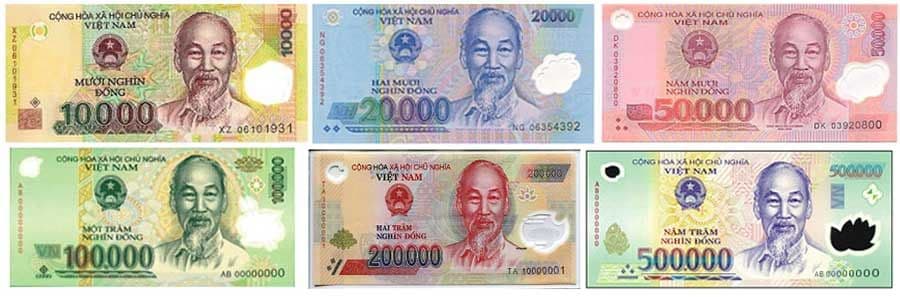
Money safety in Vietnam is mostly about using common sense. Travelers should understand Vietnamese Dong denominations because the notes can feel confusing at first.
Useful money safety tips include:
• Use ATMs in banks, malls, or safer public places. • Count change carefully and understand local currency denominations. • Carry some cash for markets, street food, tips, and small purchases. • Use credit cards in reliable hotels and restaurants. • Avoid showing large amounts of cash in public. • Keep backup cards separate from the main wallet.
Cash is still useful in Vietnam, especially for small vendors, markets, local food, and rural areas. Travelers should not rely only on credit cards.
What Local Laws and Cultural Respect Should Travelers Know?
American tourists should respect local laws, customs, and cultural spaces. Vietnam is welcoming, but travelers should behave respectfully in temples, pagodas, local homes, markets, and public areas.
Cultural respect tips include:
• Dress modestly when visiting spiritual places. • Remove hats or shoes where required. • Avoid arguments with authorities or aggressive behavior in public. • Do not use illegal drugs. • Ask before taking close-up photos of local people. • Respect quiet areas, religious ceremonies, and family spaces.
Respectful behavior helps travelers avoid problems and creates better interactions with local people.
Smart Safety Tips for a Smooth Vietnam Trip
A safe Vietnam trip depends on awareness, planning, and realistic expectations. Travelers do not need to be nervous, but they should prepare properly.
Smart safety tips include:
• Plan the route realistically and avoid too many destinations, long transfers, or rushed travel days. • Use reliable transport, including private transfers, trusted drivers, and guided tours when needed. • Protect phones and bags by keeping valuables away from roadside traffic and crowded areas. • Choose food carefully and eat where food is fresh, busy, and well handled. • Check weather before outdoor plans, especially for cruises, islands, mountains, and trekking. • Buy travel insurance that covers medical care, delays, lost luggage, and planned activities. • Save emergency contacts, including hotel, guide, insurance, and embassy information. • Work with local experts to avoid poor routes, unsafe operators, and confusing logistics.
The safest trip is not necessarily the most expensive one. It is the one that is planned with smart logistics, trusted services, and realistic pacing.
Why Plan a Safe Vietnam Trip with FtripVietnam?
FtripVietnam helps American travelers design a completely customizable Vietnam trip based on destinations, hotel style, comfort level, travel pace, dietary needs, and safety concerns.
The team is 100% local, with 7+ years of experience creating Vietnam itineraries for international travelers. This local experience helps travelers choose safer routes, reliable transport, suitable hotels, realistic schedules, and trusted activities.
FtripVietnam has experience serving niche markets, including Muslim and Judaism travelers. This makes it easier to arrange suitable meals, cultural sensitivity, private support, and smoother travel logistics.
Travelers can request unique experiences that are difficult to find in standard packages, such as photography tours, cooking classes, local workshops, craft villages, private food tours, family-friendly routes, and daily cultural activities.
Many tourists praise FtripVietnam for enthusiastic, knowledgeable, and friendly support. This is especially useful for American travelers visiting Vietnam for the first time or planning a more personalized private tour.
With FtripVietnam, travelers can enjoy Vietnam with clearer planning, safer routing, comfortable transport, reliable guides, suitable meals, and meaningful local experiences.
FAQs
Is Vietnam safe for American tourists?
Yes, Vietnam is generally safe for American tourists who use normal travel precautions. The U.S. Department of State currently advises travelers to exercise normal precautions in Vietnam, which is the lowest advisory level. Main tourist concerns are traffic, petty theft, scams, food hygiene, weather, and health preparation.
What should Americans be careful about in Vietnam?
Americans should be careful with motorbike traffic, phone snatching, pickpocketing, unclear taxi pricing, and unusually cheap tour offers. Travelers should drink bottled or filtered water, choose food carefully, check weather before cruises or mountain routes, and keep passport copies, insurance details, and emergency contacts accessible.
Is Vietnam safe for solo female travelers from the USA?
Vietnam is generally manageable for solo female travelers with normal precautions. Solo women should choose central hotels, use reliable transport at night, avoid isolated areas, and join guided tours for food, markets, or remote routes. It is also smart to share the itinerary with someone trusted and leave uncomfortable situations early.
Is Vietnam safe for families and senior travelers?
Yes, Vietnam can be safe and enjoyable for families and senior travelers with careful planning. Private transfers, comfortable hotels, slower pacing, and age-appropriate activities can reduce stress. With FtripVietnam, families and senior travelers can plan a safer route with local support, suitable hotels, flexible pacing, and reliable transport.
Conclusion
Vietnam is generally safe for American tourists, especially when travelers use normal precautions and plan their route carefully. The current U.S. advisory lists Vietnam at Level 1: Exercise Normal Precautions, which supports the view that Vietnam is a manageable destination for most visitors.
The main safety points are traffic awareness, petty theft prevention, food and water safety, health preparation, weather planning, and reliable transport. These are practical issues that can be reduced with good planning and smart daily habits.
The safest Vietnam trip is not necessarily the most expensive one. It is the one with realistic pacing, suitable hotels, reliable transportation, trusted guides, careful food choices, and flexible support.
First-time visitors, families, seniors, solo travelers, and travelers with special dietary needs may benefit from extra planning. A local expert can help reduce uncertainty and make the trip smoother.
For American tourists who want a customized Vietnam trip with safer routing, comfortable transport, reliable guides, suitable meals, and meaningful local experiences, FtripVietnam can help design an itinerary that feels safe, smooth, and personal.

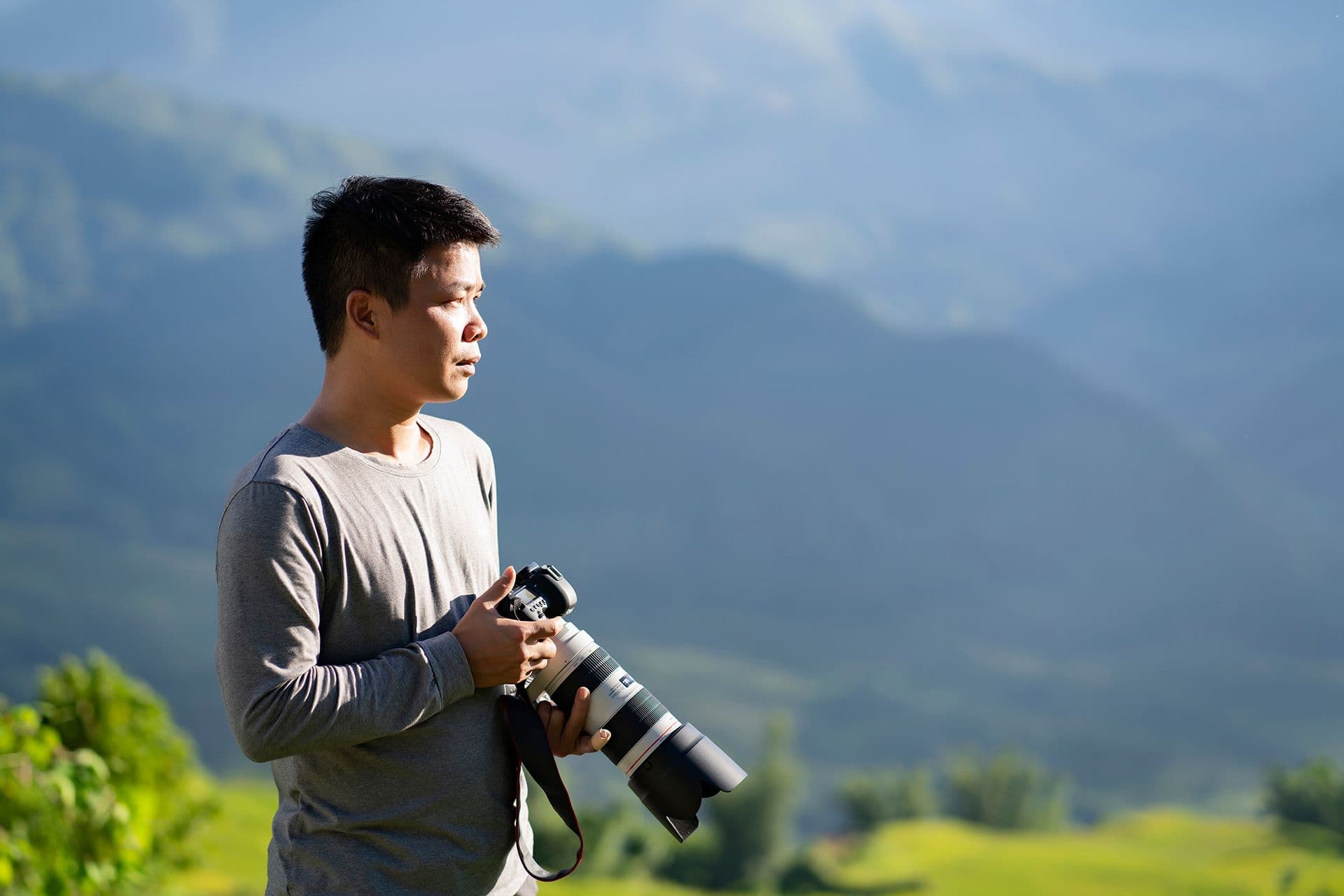
Founder & Photography Guide
Specialties: Culture, landscape, portrait, hiking, active and adventurous tour
Besides my unlimited passion for traveling, a professional tour guide for over a decade, I have been taking photographs since sitting at Hanoi of the University of Culture in the early 2000s. Photography started as a hobby but it was seriously taken due to my work relations and my significant passion for the beauty of our world, especially in Southeast Asian parts such as Vietnam, Laos, Cambodia, and Myanmar.
Within a few years of taking photographs, my works began to be recognized by many reliable international publications such as AFAR Travel, The Times, and The Daily Telegraph newspaper. In addition, I continuously add to my growing profile by winning numerous major awards: 3rd Position of The Independent Photographer 2018, 1st Position of Amateur Photographer of the year 2018, Grand Prize Winner of the AFAR Travel Photography 2019, and a Gold Award of San Francisco Bay International Photography 2020.
I photograph a wide variety of subjects, from travel to landscapes to street scenes. I enjoy documenting the East’s rich cultural heritage and its land soaked in glorious sunrise or sunset light in remote and secluded spots. And, I am very happy to share my knowledge and experience with you. You can visit Luminousvietnamtour to explore tour!