- Understand Nha Trang seasons in 60 seconds
- What the rainy season actually looks like (so you don’t panic-book)
- Best for beach sunshine (first-timers who want “easy mode”)
- Best for scuba diving (visibility + calmer seas)
- Best for snorkeling + island hopping (boat-day reliability)
- Best for value (lower prices without fully “gambling”)
- What to do in Nha Trang by season
- Dry season “perfect day” ideas (Jan - Aug)
- Rainy season “still worth it” plan (Sep - Dec)
- Diving checklist (adds real authority)
- Costs & crowds (quick, practical guidance)
- What to pack (beach + dive optimized)
- FAQs
- Conclusion
Choosing the best time to visit Nha Trang is especially important if your trip is centered on beaches, diving, island hopping, and sunshine. As one of Vietnam’s most popular coastal destinations, Nha Trang is known for its long sandy bay, clear blue water, offshore islands, seafood, resort stays, and a more relaxed seaside rhythm compared with larger cities. However, the quality of your beach holiday can change depending on the season, because sunshine, sea conditions, rainfall, and visibility for snorkeling or diving are not the same throughout the year.
From a practical travel-planning perspective, the best time to visit Nha Trang is generally from February to August, when the weather is warmer, sunnier, and more suitable for swimming, boat trips, beach days, and outdoor activities. The months from March to June are often a strong choice for travelers who want a good balance of sunshine, comfortable sea conditions, and fewer weather disruptions. July and August can also be attractive for beach lovers, although this period may feel busier because it overlaps with summer holiday demand.
This guide is designed to help you understand when Nha Trang is best for different types of trips, from relaxing on the beach to diving around nearby islands, enjoying seafood, visiting cultural landmarks, or adding a coastal stop to a wider Vietnam itinerary. Instead of simply choosing the driest month, travelers should also consider sea clarity, wind, crowd levels, hotel rates, and how Nha Trang fits with other destinations in Central and Southern Vietnam. With local travel-planning experience, FtripVietnam can help you choose the right time to visit Nha Trang and build a personalized itinerary that matches your preferred pace, beach expectations, budget, and travel style.
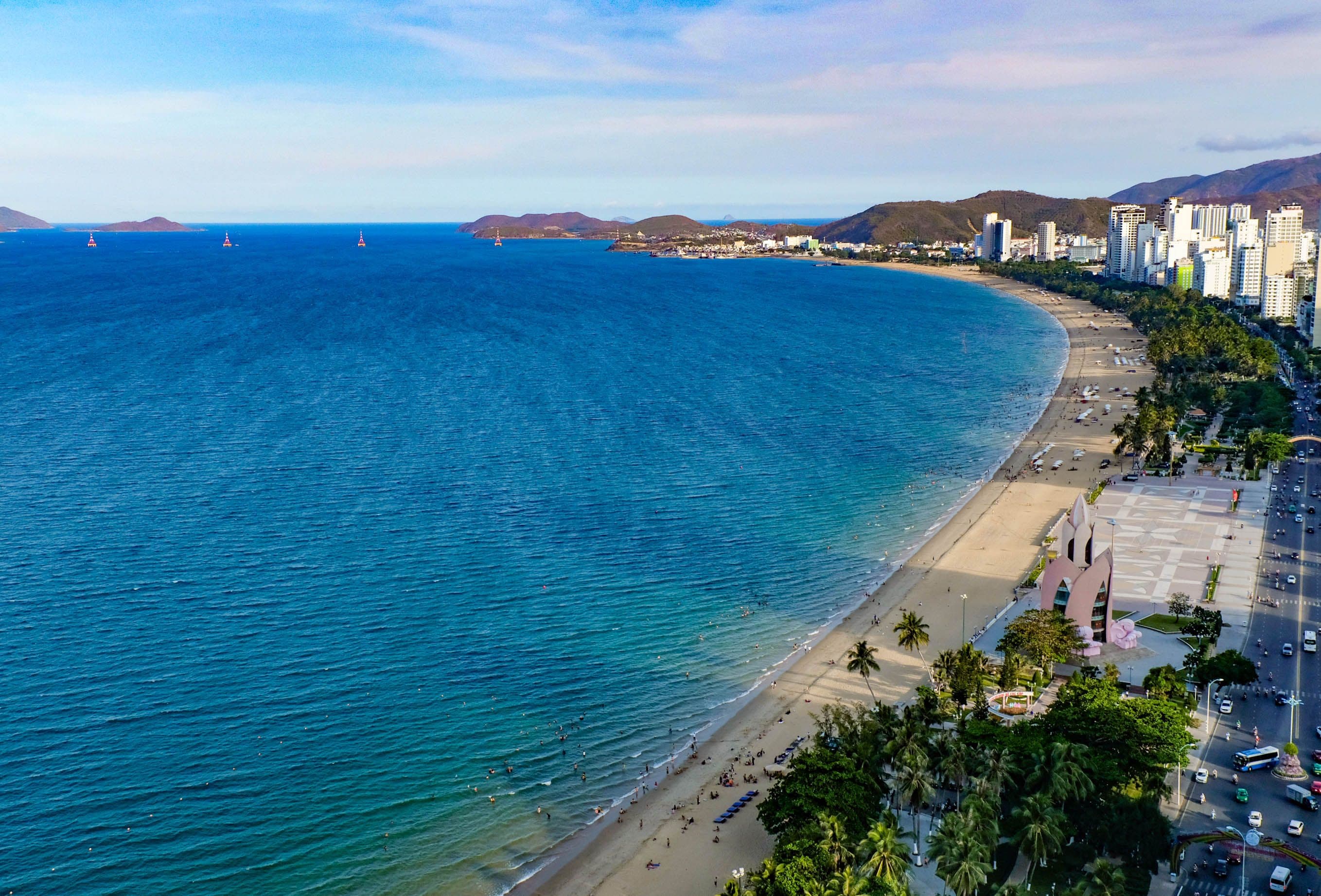
Nha Trang is one of those rare Vietnam beach cities where a “perfect day” can mean lazy sunshine on Tran Phu Beach, crystal-water island hopping, and a coral dive before lunch - but only if you time your trip for the right sea conditions.
Understand Nha Trang seasons in 60 seconds
Nha Trang sits on Vietnam’s south-central coast (often grouped with “Central Vietnam” travel weather). Many travel guides describe Central Vietnam’s best stretch as January - August, with more stormy/rainy conditions concentrated later in the year.
What the rainy season actually looks like (so you don’t panic-book)
- The wet season clusters around mid/late year, and the rain can be heavier and longer-lasting than the quick “afternoon burst” pattern common in the far south.
- October is frequently cited as a rainfall peak, and February is often among the driest in climate summaries for Nha Trang.
Read more: Best Time to Visit Vietnam Weather Guide: Dry Season vs Rainy Season
Best time to visit Nha Trang by goal
Best for beach sunshine (first-timers who want “easy mode”)
February - May is a strong comfort window: bright days, lower rain risk, and water activities tend to run smoothly.
Best for scuba diving (visibility + calmer seas)
- April - June is commonly recommended as a “sweet spot” for beginners and anyone prioritizing visibility and calmer water.
- If your trip includes Hon Mun Island (snorkeling/diving focus), some local travel guides highlight summer months (often July - September) for especially clear water - great if you can accept hotter weather and potential peak travel demand.
Best for snorkeling + island hopping (boat-day reliability)
March - August is typically your safest bet for stacking boat days (snorkel, sandbar, island lunch) with fewer cancellations.
Best for value (lower prices without fully “gambling”)
Try late May - June (post-spring peak) or early September (before the wettest stretch ramps up). Expect better deals than high season, but keep boat plans flexible as you move toward October.
Nha Trang weather by month (simple planner)
Use this as a quick decision table for your article.
| Months | Sunshine & rain risk | Sea/boat conditions | Best for | Watch-outs |
|---|---|---|---|---|
| Jan - Feb | Very dry, comfortable | Usually calm, good for tours | Beach, city walking, first-time trips | Evenings can feel cooler on windy days |
| Mar | Warm + stable | Great “all-rounder” | Beach + start of strong water season | Starts getting hotter |
| Apr - Jun | High sunshine | Often excellent for diving | Diving, snorkeling, island hopping | More crowds around holidays |
| Jul - Aug | Sunny but hotter | Still strong water season | Families, resort stays, long beach days | Heat + peak travel patterns |
| Sep | Transition | More variability | Value travel + flexible itineraries | Build buffer for boats |
| Oct - Nov | Wettest stretch | Rougher/less predictable | Spa, food, cafés, low crowds | Not ideal if diving is the main purpose |
| Dec | Improving | Conditions start stabilizing | Quieter trips with better odds than Oct–Nov | Some rain can linger |
Climate summaries frequently show October as one of the rainiest months and February among the driest for Nha Trang.
What to do in Nha Trang by season
Dry season “perfect day” ideas (Jan - Aug)
- Morning: beach swim + coffee
- Midday: island hopping / snorkeling trip (aim for an early departure)
- Late afternoon: pool time or a quieter beach like Bai Dai Beach
- Night: seafood dinner + market stroll
Rainy season “still worth it” plan (Sep - Dec)
If you’re visiting in the wetter months, treat boat days as a bonus, not your core plan:
- Mineral/mud bath + spa day
- Museums, cafés, food-focused exploring
- Flexible half-days: if the morning is clear, do the outdoor activity first
Diving checklist (adds real authority)
A month is “good for diving” when you get:
- Calmer seas (less surge)
- Better visibility (clearer water)
- Reliable operations (shops can run safely without last-minute cancellations)
Many operators describe April - June as a beginner-friendly window for conditions.
Costs & crowds (quick, practical guidance)
- Busiest months usually overlap the sunniest stretch (spring/summer) and school/holiday periods.
- If diving/boat quality is your #1 goal, don’t “save money” by booking the wettest months - sea conditions matter more than hotel deals.
- If you’re resort-first (pool + spa + food), you can travel cheaper in shoulder/wet months and still enjoy Nha Trang - just stay flexible with the sea days.
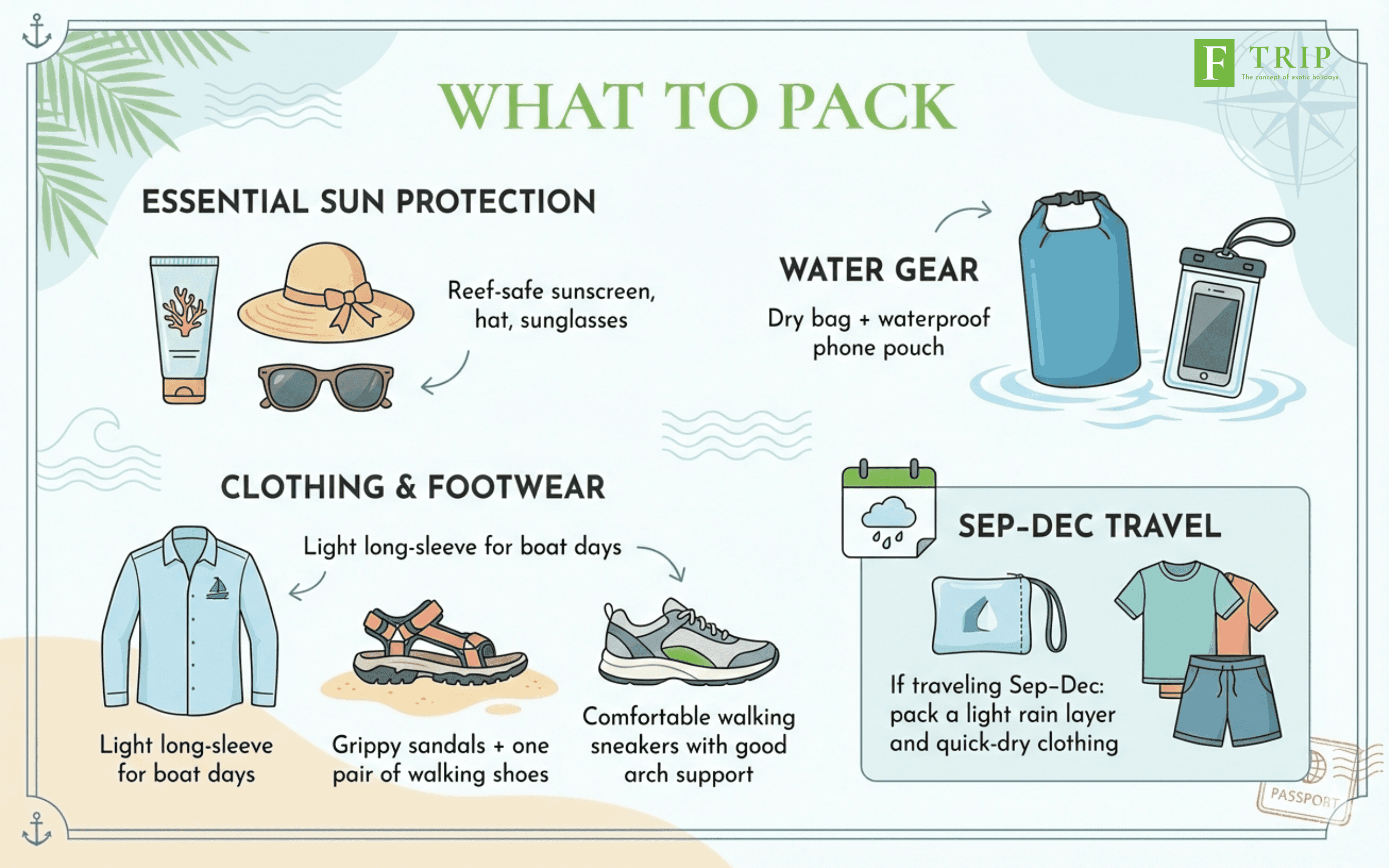
What to pack (beach + dive optimized)
- Reef-safe sunscreen, hat, sunglasses
- Dry bag + waterproof phone pouch
- Light long-sleeve for boat days (sun + wind)
- Grippy sandals + one pair of walking shoes
- If traveling Sep–Dec: pack a light rain layer and quick-dry clothing
Read more: Best Time to Visit Vietnam: Weather, Costs, and Travel Activities
FAQs
What is the best month to visit Nha Trang for beaches? For most travelers, February to May is the easiest sweet spot: sunny, comfortable, and low rain risk.
When is the rainy season in Nha Trang? It’s commonly described as September to December, with October - November often the wettest.
What months have the best scuba diving visibility in Nha Trang? Many dive guides recommend April - June for calmer seas and strong visibility, with good diving often extending through much of the drier season.
Is October a good time to visit Nha Trang? October is often among the rainiest months, so it’s not ideal if your trip is mainly beach + boat + diving. It can still work for spa + food + downtime, with beach days as a bonus.
Conclusion
If your priority is sunshine + smooth sea days, plan Nha Trang between January and August. For the best mix of beach time and clear-water diving, target April to June when conditions are frequently described as especially friendly. If you’re traveling in October–November, go in expecting real rain risk and build a spa-and-food-first itinerary - then treat any clear island day as a win.


Founder & Photography Guide
Specialties: Culture, landscape, portrait, hiking, active and adventurous tour
Besides my unlimited passion for traveling, a professional tour guide for over a decade, I have been taking photographs since sitting at Hanoi of the University of Culture in the early 2000s. Photography started as a hobby but it was seriously taken due to my work relations and my significant passion for the beauty of our world, especially in Southeast Asian parts such as Vietnam, Laos, Cambodia, and Myanmar.
Within a few years of taking photographs, my works began to be recognized by many reliable international publications such as AFAR Travel, The Times, and The Daily Telegraph newspaper. In addition, I continuously add to my growing profile by winning numerous major awards: 3rd Position of The Independent Photographer 2018, 1st Position of Amateur Photographer of the year 2018, Grand Prize Winner of the AFAR Travel Photography 2019, and a Gold Award of San Francisco Bay International Photography 2020.
I photograph a wide variety of subjects, from travel to landscapes to street scenes. I enjoy documenting the East’s rich cultural heritage and its land soaked in glorious sunrise or sunset light in remote and secluded spots. And, I am very happy to share my knowledge and experience with you. You can visit Luminousvietnamtour to explore tour!