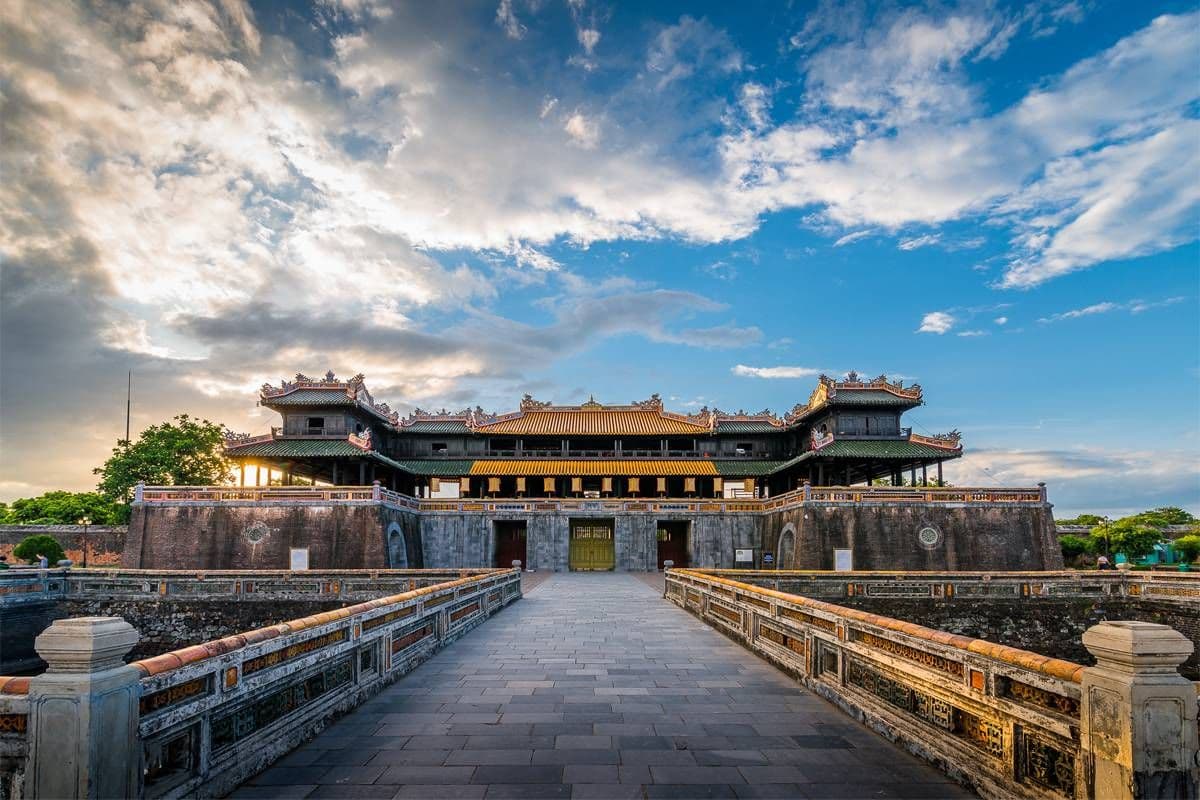
- Why timing matters in Hue
- Best for heritage sightseeing (first-timers)
- Month-by-month planner for Hue (scannable)
- Best heritage activities to pair with the best season
- Dry/comfortable-season “perfect Hue day” (Feb–Apr sweet spot)
- Rainier-season “still worth it” Hue (Sep–Dec)
- High-impact planning tips (so the trip feels effortless)
- 1) Start early, always
- 2) Don’t schedule Hue like a checklist
- 3) Be cautious with Oct–Nov itineraries
- 4) Pair Hue logically with nearby bases
- What to pack (quick, practical)
- FtripVietnam services
- FAQs
- Conclusion
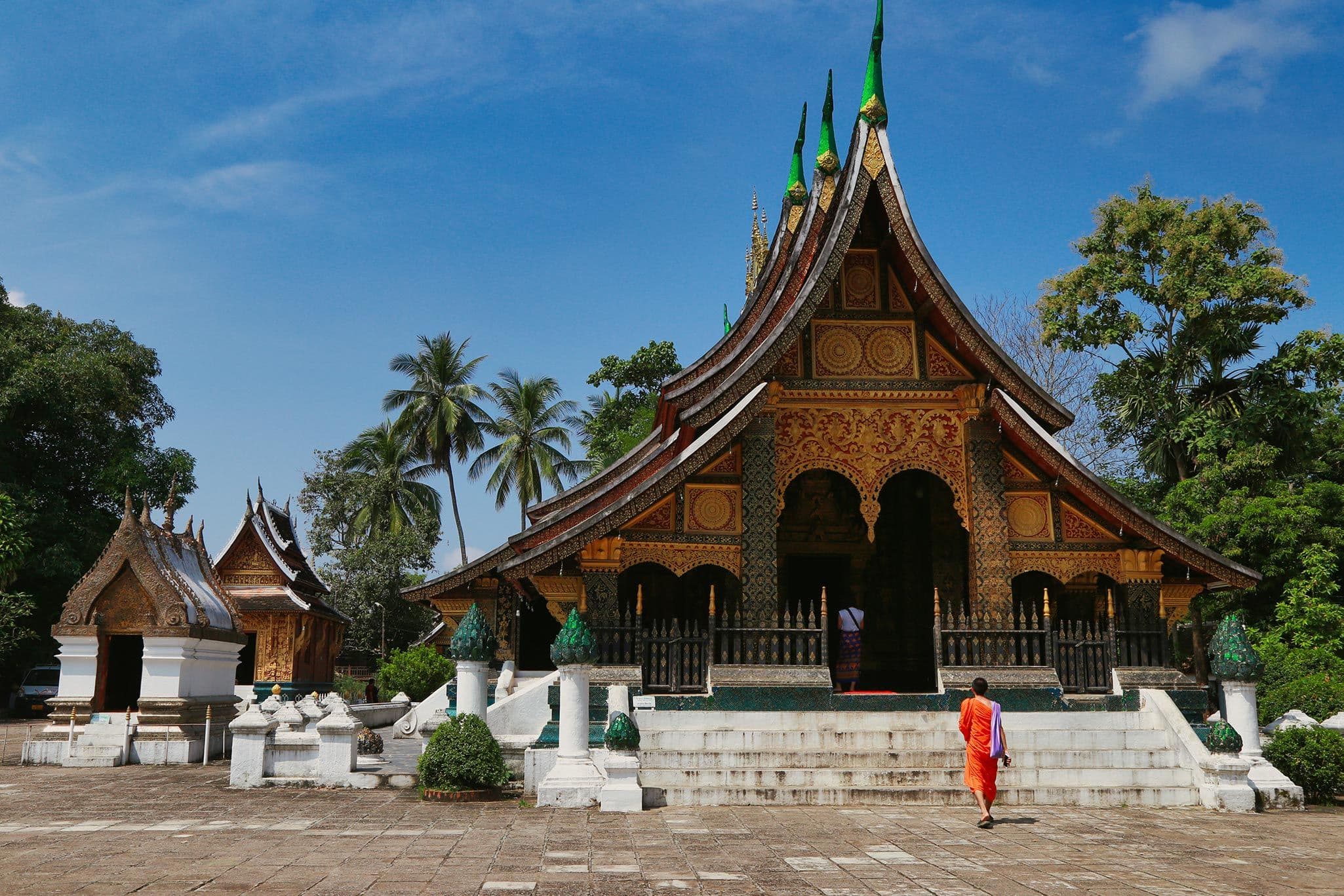
Hue is at its best when you can linger—slow walks inside the Imperial City of Hue, incense-scented tomb gardens, and Perfume River sunsets without racing to hide from rain. The “perfect” time to visit is when comfortable weather overlaps with Hue’s biggest cultural moments.
Why timing matters in Hue
Hue is a “walking city” for travelers—its best experiences involve outdoor heritage time (Citadel courtyards, tomb gardens, riverfront evenings). That means rainfall and heat shape your trip more than in cities where you can “museum-hop” all day.
What “best time” means in this guide:
- Comfort: long outdoor days without constant heat breaks or rain detours
- Reliability: fewer weather cancellations and less schedule stress
- Culture: festival programming you can actually catch (without gambling the trip on one week)
Hue weather in 30 seconds
Hue’s rainfall is highly seasonal. Based on average monthly precipitation, the city is much wetter from September to November, with October typically the rainiest month.
Practical takeaway:
- If your trip is mainly heritage + photos + day trips, aim for Feb–Apr.
- If you’re coming in Oct–Nov, plan Hue as a flexible, backup-friendly stop (and do not lock in must-do outdoor days).
Best time to visit Hue by traveler goal
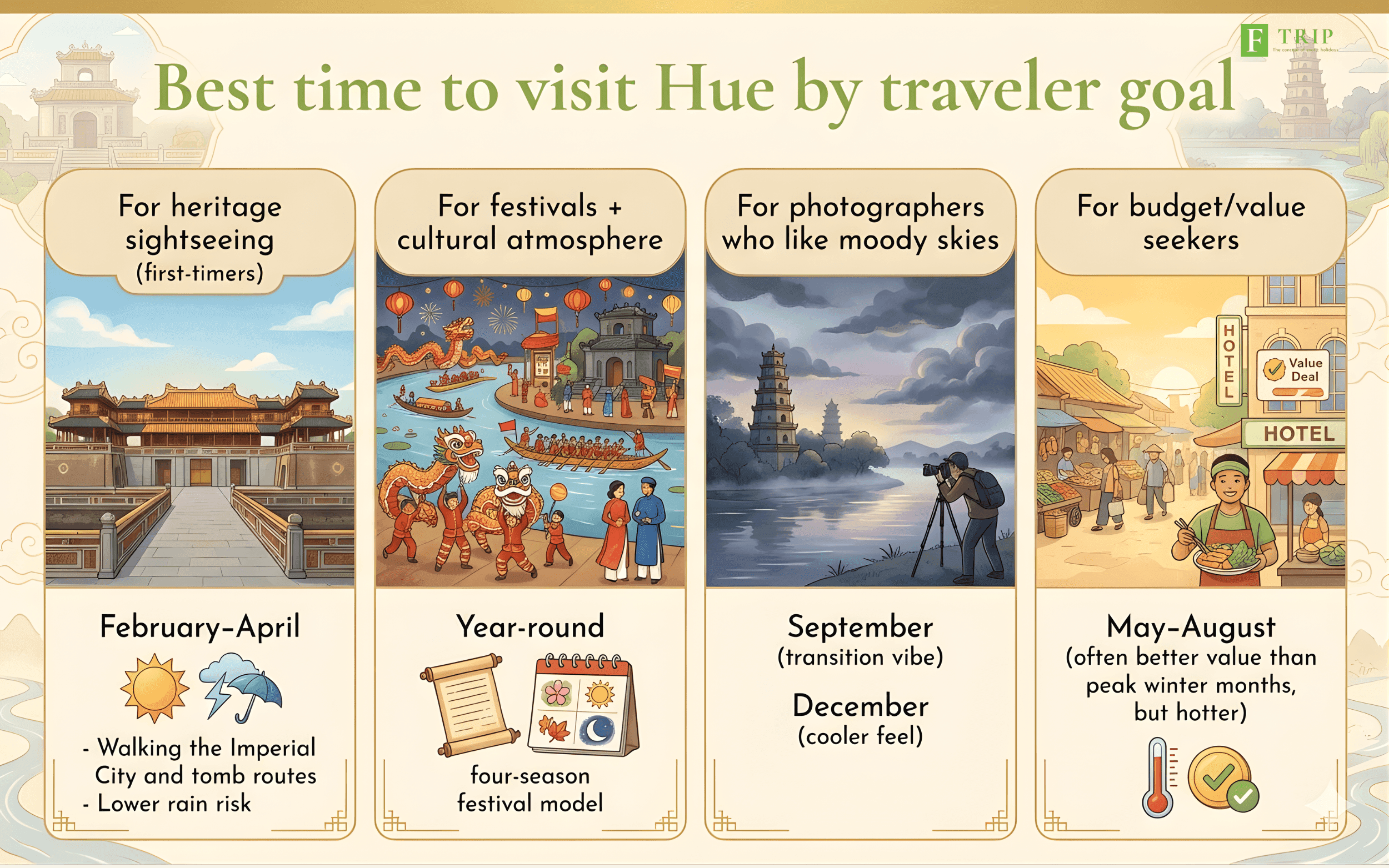
Best for heritage sightseeing (first-timers)
February–April
- Comfortable for walking the Imperial City and tomb routes
- Lower rain risk compared with late-year months
Why it works: you get the most “easy-mode Hue” days—strolls, cycling, and long photo windows.
Best for festivals + cultural atmosphere
Hue is now promoted as a year-round, four-season festival model with programming grouped across the year (Spring/Summer/Autumn/Winter).
How to plan festivals the smart way:
- Choose your travel month for weather first (ideally Feb–Apr or Mar–Aug for outdoor comfort).
- Then check the latest event schedule closer to departure because exact dates and headline weeks can shift year to year.
Best for photographers who like moody skies
September (transition vibe) or December (cooler feel)
- You can get dramatic clouds and softer light
- But rain risk rises fast in the fall—plan flexible days
Best for budget/value seekers
May–August (often better value than peak winter months, but hotter)
- You’ll trade some midday heat for potentially better rates
- Start early, rest mid-day, and go heavier on evening riverfront + food experiences
Read more: Best Time to Visit Ho Chi Minh Vietnam: Weather, Crowds, and Local Festivals
Month-by-month planner for Hue (scannable)
Use this to pick your month fast.
| Month | Weather comfort | Best for | Watch-outs |
|---|---|---|---|
| Jan | Cooler, can be damp | Food + slower sightseeing | Shorter “perfect photo” windows |
| Feb | Excellent balance | Imperial City + tombs | Popular travel period |
| Mar–Apr | Prime comfort | Heritage + day trips | Book good hotels earlier |
| May–Aug | Hotter, generally workable | Big outdoor days (early starts), beach add-ons via Da Nang | Midday heat |
| Sep | Transition month | Flexible travelers | Rain risk increasing |
| Oct–Nov | Highest disruption risk | Only if you’re flexible | Heavy rain/flood risk in Central Vietnam |
| Dec | Cooler, often wetter than spring | Cozy Hue vibe | Plan indoor backups |
Festival planning: Hue’s signature advantage
If culture is your main reason to go, Hue is uniquely strong because of its festival programming spread across seasons, rather than only a single annual peak.
How to check dates (high-success method):
- Confirm your month for weather first.
- Check the official festival calendar and your hotel/tour operator the week you arrive for any updates.
Best heritage activities to pair with the best season
Dry/comfortable-season “perfect Hue day” (Feb–Apr sweet spot)
- Morning: Imperial City (coolest hours = best photos)
- Afternoon: Royal tomb loop (choose 2–3, not all)
- Evening: Perfume River sunset + Hue cuisine tasting
Rainier-season “still worth it” Hue (Sep–Dec)
- Museums + craft spaces + sheltered cafés
- Short outdoor windows for tomb gardens (when the rain pauses)
- Make boat trips a bonus, not the plan
Read more: Best Time to Visit Vietnam Hoi An: Lantern Festivals and Dry Season Tips
High-impact planning tips (so the trip feels effortless)
1) Start early, always
Hue is dramatically better when you do outdoor heritage sites early in the morning, especially in warmer months.
2) Don’t schedule Hue like a checklist
The Imperial City + 2 tombs + river sunset is already a “full” day. Your trip feels more premium when it’s paced.
3) Be cautious with Oct–Nov itineraries
Central Vietnam can face severe rain and flooding in heavy periods—if your dates sit in this window, build buffer time and keep bookings flexible.
4) Pair Hue logically with nearby bases
If you’re combining Hue with Hoi An and Da Nang, place Hue on the days you want heritage depth, then finish with beach/slow time afterward.
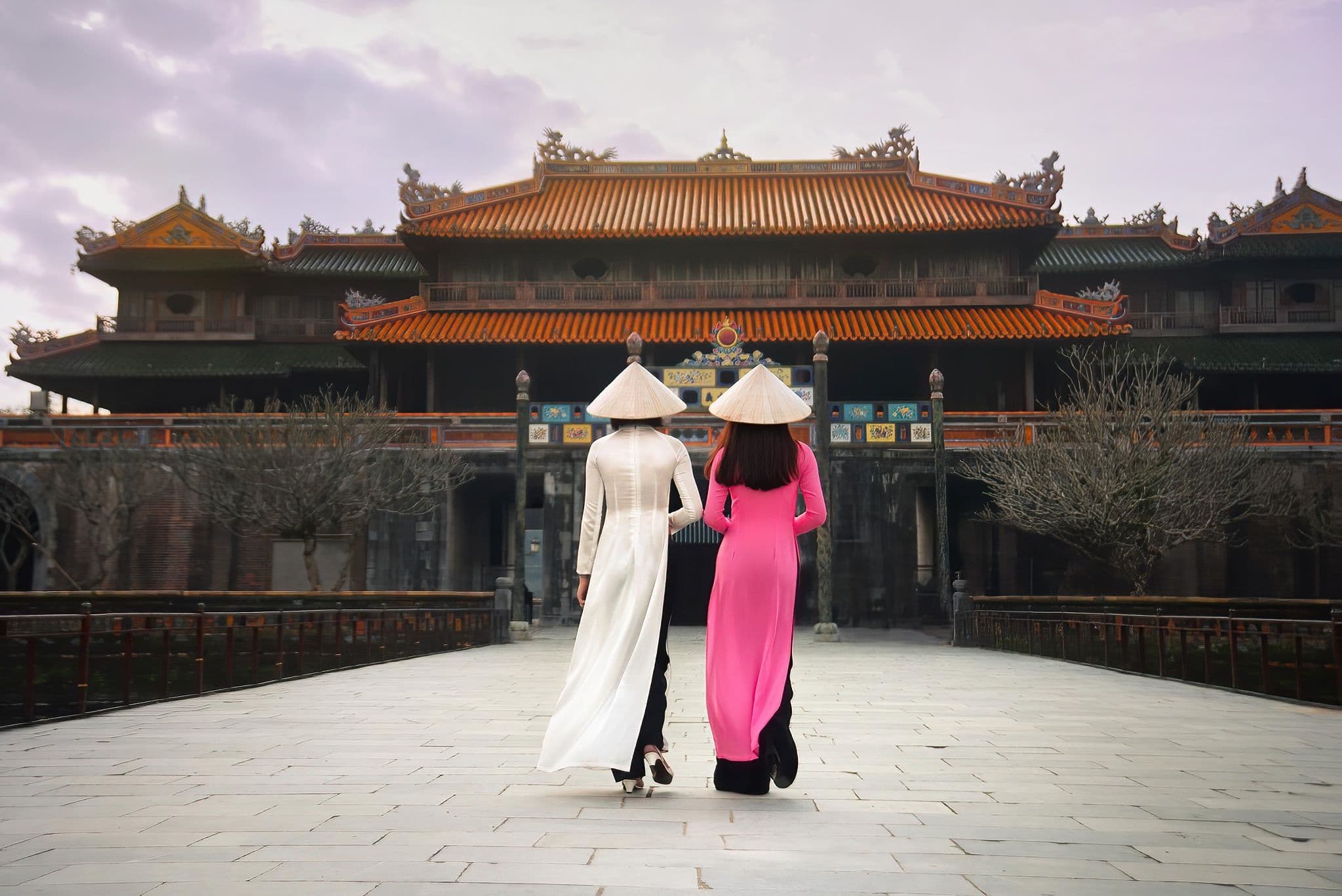
What to pack (quick, practical)
Feb–Apr (comfort season):
- Breathable clothes + light layer for evenings
- Comfortable walking shoes (Citadel stone paths)
May–Aug (hot season):
- Sun protection + refillable water bottle
- Lightweight long-sleeve for heat + sun
Sep–Dec (rainier months):
- Light rain jacket/poncho, waterproof shoes
- Phone waterproof pouch + quick-dry clothes
FtripVietnam services
- Season-smart routing: pick the best Hue dates for heritage comfort (especially Feb–Apr) or align with festival programming weeks.
- Weather-proof planning: indoor backups + flexible day structure during rainier months.
- End-to-end logistics: private transfers between Hue ↔ Da Nang/Hoi An, tomb-route planning, and “early-start” scheduling so you avoid heat and crowds.
Read more: Which Is the Best Time to Visit Vietnam for First-Time Travelers?
FAQs
What is the best month to visit Hue for good weather? February to April is the most reliable comfort window for outdoor heritage sightseeing.
When is Hue’s rainy season? Rainfall typically rises sharply from September and peaks around October–November.
Does Hue have festivals year-round? Hue is promoted with a four-season, year-round festival model with programs across the year.
Is October a good time to visit Hue? Only if you’re flexible—October is commonly the rainiest month and can bring major disruption risk in Central Vietnam.
Conclusion
For first-time visitors, February to April is Hue’s safest “sweet spot”: comfortable walking weather, lower rainfall, and ideal conditions for the Imperial City and royal tomb routes.
If you’re coming specifically for cultural programming, Hue’s four-season festival model makes it possible to plan around events throughout the year. But if you want the smoothest, lowest-stress trip, avoid locking your core outdoor heritage days into October–November, when heavy rain can seriously affect Central Vietnam travel plans.

Founder & Photography Guide
Specialties: Culture, landscape, portrait, hiking, active and adventurous tour
Besides my unlimited passion for traveling, a professional tour guide for over a decade, I have been taking photographs since sitting at Hanoi of the University of Culture in the early 2000s. Photography started as a hobby but it was seriously taken due to my work relations and my significant passion for the beauty of our world, especially in Southeast Asian parts such as Vietnam, Laos, Cambodia, and Myanmar.
Within a few years of taking photographs, my works began to be recognized by many reliable international publications such as AFAR Travel, The Times, and The Daily Telegraph newspaper. In addition, I continuously add to my growing profile by winning numerous major awards: 3rd Position of The Independent Photographer 2018, 1st Position of Amateur Photographer of the year 2018, Grand Prize Winner of the AFAR Travel Photography 2019, and a Gold Award of San Francisco Bay International Photography 2020.
I photograph a wide variety of subjects, from travel to landscapes to street scenes. I enjoy documenting the East’s rich cultural heritage and its land soaked in glorious sunrise or sunset light in remote and secluded spots. And, I am very happy to share my knowledge and experience with you. You can visit Luminousvietnamtour to explore tour!