- What Does “Sunshine” in Nha Trang Really Mean?
- Sunshine is not always the same as beach-perfect
- Nha Trang has a simple two-season pattern
- Best Time to Visit Nha Trang for Sunshine
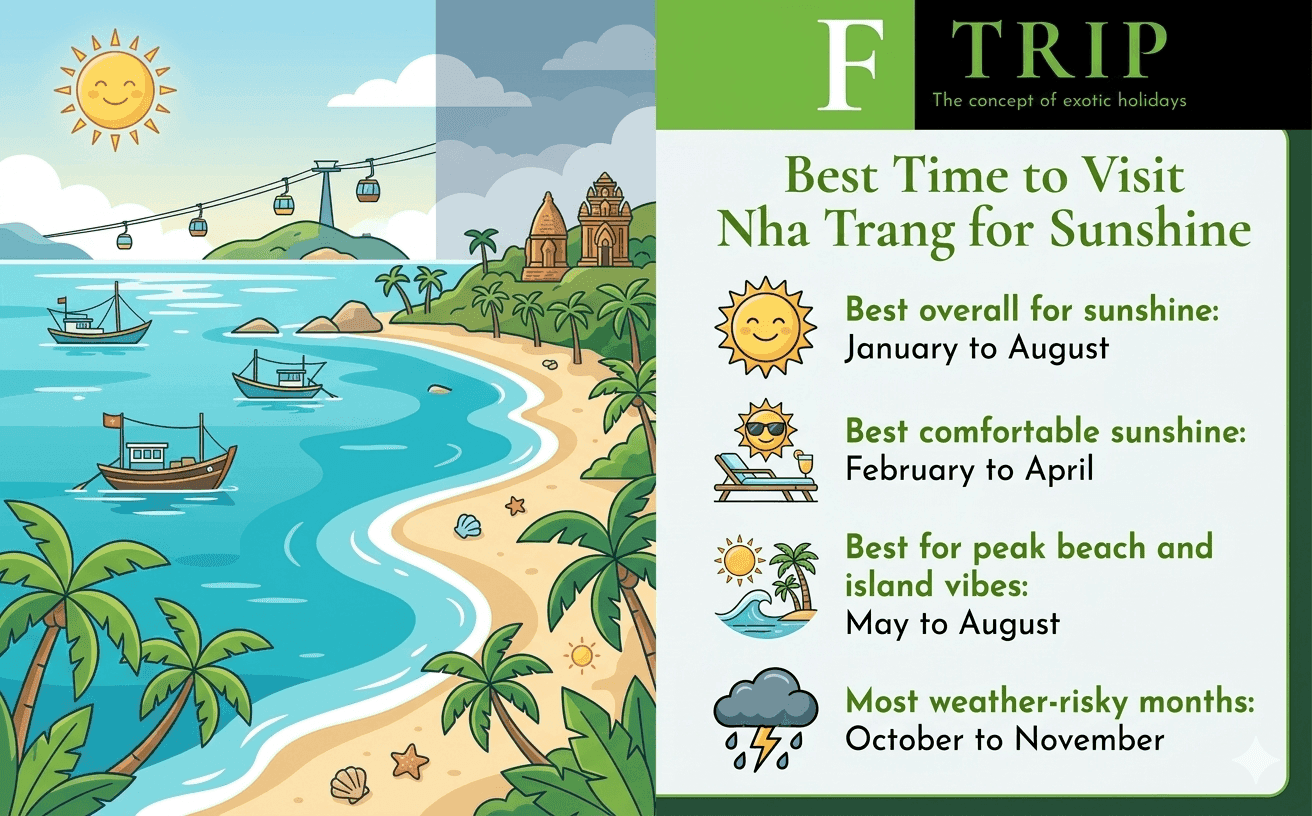
- Best overall for sunshine: January to August
- Best comfortable sunshine: February to April
- Best for peak beach and island vibes: May to August
- Most weather-risky months: October to November
- Month-by-Month Quick Picks
- January to February
- March to April
- May to August
- September
- October to November
- December
- Dry Season vs Rainy Season: What Changes for Travelers
- Why do travelers prefer the dry season
- What the rainy season changes
- Best Time of Day to Maximize Sunshine
- Morning
- Late afternoon
- What to Pack for a Sunshine-First Nha Trang Trip?
- Dry season essentials
- If traveling closer to rainy season
- Booking Checklist
- FAQs
- What is the sunniest month to visit Nha Trang?
- Is Nha Trang still sunny in September?
- When is the rainy season in Nha Trang?
- Why do people avoid Nha Trang in October and November?
- Conclusion
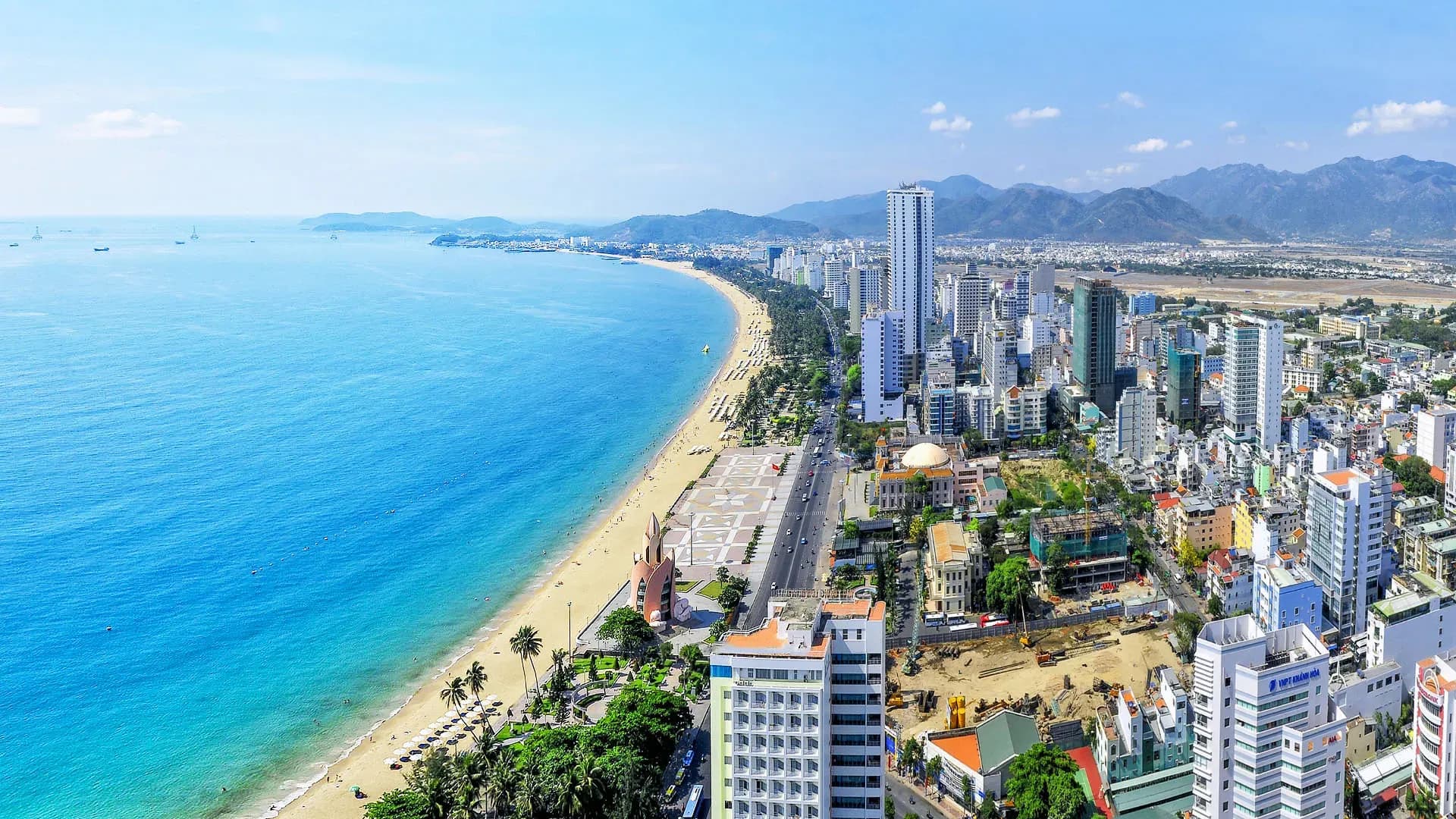
Nha Trang is one of Vietnam’s most reliable sun-and-sea destinations, but timing still matters. In the right months, you get bright skies, calmer beach days, and clearer water for island-hopping. In the wrong window, sunshine becomes less reliable, with more rain and rougher conditions affecting beach comfort and boat trips. Vietnam’s official tourism site says Nha Trang gets more than 300 days of sunshine per year, the most in the country, while also noting that monsoon conditions usually affect the city from September to December.
For a sunshine-first trip, the safest answer is the dry season from January to August. Vietnam Airlines’ season guide for Central Vietnam describes January to August as the dry season and September to November as the rainy season, with February to May or June to August both recommended windows depending on whether you want milder weather or peak beach conditions. Tourism and local climate sources also consistently flag October and November as the riskiest months for heavy rain and disruption.
What Does “Sunshine” in Nha Trang Really Mean?
Sunshine is not always the same as beach-perfect
You can still see sunny spells in the shoulder months, but that does not always mean ideal beach conditions. For most travelers, “good sunshine” also means lower rain frequency, better water clarity, and calmer conditions for boat trips. Vietnam’s official tourism site links Nha Trang’s appeal not just to sunshine, but to year-round sea breezes and a relatively short rainy period compared with many other destinations in Vietnam.
Nha Trang has a simple two-season pattern
The cleanest way to understand the city is this: dry season from January to August, then a wetter period from September to December. That framework is repeated by Vietnam Airlines for Central Vietnam and reinforced by local climate summaries for Nha Trang.
Best Time to Visit Nha Trang for Sunshine
Best overall for sunshine: January to August
If sunshine is your top priority, January to August is the strongest overall window. Vietnam Airlines classifies this as Nha Trang’s dry season, and Vietnam’s official tourism site says the city has the country’s highest amount of sunshine and only a short monsoon period later in the year.
Best comfortable sunshine: February to April
For many travelers, February to April is the sweet spot. Vietnam Airlines specifically recommends February to May as a best-time window for Central Vietnam, which includes Nha Trang. This period generally offers strong sunshine with a slightly easier feel for walking, beach time, and sightseeing than the hotter core-summer months.
Best for peak beach and island vibes: May to August
If you want the classic Nha Trang beach mood, May to August is ideal. Vietnam’s monthly travel guide highlights sunny July in Nha Trang, with clear blue skies, warm waters, and island-hopping as a must-do activity. Vietnam Airlines also says nearby Hon Tre Island is best from June to August, when sunshine is abundant, and the waters are crystal clear for swimming and water sports.
Most weather-risky months: October to November
If your whole trip depends on reliable sunshine, October and November are the months to treat most cautiously. Local climate references say the rainy season lasts from September to December, and recent Nha Trang weather guides describe October as a month of heavy rainfall and high humidity.
Month-by-Month Quick Picks
January to February
These months are a strong start to the dry season. Vietnam Airlines says Nha Trang’s dry season begins in January, and their monsoon-season guidance notes that early January can still work for beach travel when rainfall is lighter, and typhoon risk is lower than the peak late-year period.
March to April
This is one of the easiest windows to recommend. It sits inside the airline-recommended February to May period for Central Vietnam and is a strong choice for travelers who want both beach time and easy daytime exploring.
May to August
These are peak sunshine-and-swim months. Vietnam’s official tourism content highlights sunny midsummer beach conditions in Nha Trang, while Hon Tre guidance points to June to August for abundant sunshine and crystal-clear water. Expect hotter weather and more demand at popular coastal stays.
September
September is a transition month. It can still deliver good beach days, but it sits at the front edge of the wetter season in many climate summaries. This means sunshine is less predictable than in spring or midsummer, so flexibility starts to matter more.
October to November
These are commonly the wettest and least reliable months for a sunshine-first trip. Local and recent travel sources consistently point to heavier rain and higher disruption risk here.
December
December is still usually treated as part of the wetter period in local Nha Trang sources, though improvement can happen toward late December depending on the year. This is a month where checking short-range forecasts matters much more than relying on broad seasonal averages.
Dry Season vs Rainy Season: What Changes for Travelers
Why do travelers prefer the dry season
The biggest benefit of January to August is not just more sun. It also means easier planning for beach lounging, island-hopping, snorkeling, diving, and sunset outings. Vietnam’s official tourism guide specifically highlights Nha Trang’s sunshine advantage, and Vietnam’s monthly travel guide links the sunnier part of the year to island-hopping and beach activities.
What the rainy season changes
During September to December, expect more cloud cover, short heavy showers, and a greater chance of rougher sea conditions affecting boat plans. That does not make Nha Trang impossible, but it does make sunshine less dependable and island itineraries harder to lock in. This is supported by local climate summaries and recent October weather references showing heavier rainfall in the late-year period.
Best Time of Day to Maximize Sunshine
Morning
Morning is often the easiest way to get the best of Nha Trang. Light is cleaner, temperatures are lower, and beach walks feel calmer before midday heat builds. This is especially useful from May to August, when the hot sun becomes more intense later in the day. That is a practical inference from official and airline guidance describing strong sunshine and hot days in midsummer.
Late afternoon
Late afternoon gives you softer light and a more relaxed vacation atmosphere. It is also a smarter time for shoreline walks and photos if you want sunshine without the harshest heat. This follows naturally from Nha Trang’s strong-sun profile in the dry season.
What to Pack for a Sunshine-First Nha Trang Trip?
Dry season essentials
For January to August, pack high-SPF sunscreen, sunglasses, a hat, lightweight clothing, and a waterproof pouch. If snorkeling is part of your trip, reef-safe sunscreen is a good addition. These are practical essentials because official tourism sources describe Nha Trang as one of Vietnam’s sunniest beach destinations, with especially hot days in July and August.
If traveling closer to rainy season
For September to December, add a lightweight rain jacket or poncho, quick-dry clothes, sandals with grip, and a dry bag for electronics. Those items matter more once rain and humidity become less predictable.
Booking Checklist
If sunshine is your number one goal, prioritize January to August, especially February to April for comfortable weather or May to August for classic beach energy. That recommendation follows Vietnam Airlines’ dry-season framework and best-time guidance for Central Vietnam.
If you are traveling in October or November, keep island tours flexible and avoid overloading your itinerary with fixed boat days. Adding one buffer day is also smart if your trip depends on marine activities. This is a practical conclusion based on the much higher rain risk consistently described for late-year months.
FAQs
What is the sunniest month to visit Nha Trang?
There is not one single official “sunniest month,” but March to August is the strongest stretch overall, and June to August is especially strong for beach-focused travel thanks to abundant sunshine and clear water.
Is Nha Trang still sunny in September?
It can be, but September is more transitional than earlier dry-season months. You can still get beach-friendly weather, but rain risk begins to rise, so conditions are less consistent than from January to August.
When is the rainy season in Nha Trang?
Most reliable summaries describe the rainy season as September to December, though Vietnam Airlines’ Central Vietnam overview narrows the core rainy period to September to November.
Why do people avoid Nha Trang in October and November?
Those months usually bring the highest rain risk and the most disruption to beach plans and boat trips. Recent October guidance and local climate summaries both support that pattern.
Conclusion
For sunshine-first travel, the safest choice in Nha Trang is the dry season from January to August. Within that long window, February to April often feels like the easiest balance of bright weather and comfort, while May to August delivers peak beach energy, strong sun, and excellent conditions for island trips.
If your trip depends heavily on beach days and boat tours, be much more cautious in October and November, when rainfall and disruption risk tend to peak. Choose the right season, plan your best outdoor time for mornings and late afternoons, and Nha Trang can deliver one of Vietnam’s most reliable coastal holidays for sunshine seekers.


Founder & Photography Guide
Specialties: Culture, landscape, portrait, hiking, active and adventurous tour
Besides my unlimited passion for traveling, a professional tour guide for over a decade, I have been taking photographs since sitting at Hanoi of the University of Culture in the early 2000s. Photography started as a hobby but it was seriously taken due to my work relations and my significant passion for the beauty of our world, especially in Southeast Asian parts such as Vietnam, Laos, Cambodia, and Myanmar.
Within a few years of taking photographs, my works began to be recognized by many reliable international publications such as AFAR Travel, The Times, and The Daily Telegraph newspaper. In addition, I continuously add to my growing profile by winning numerous major awards: 3rd Position of The Independent Photographer 2018, 1st Position of Amateur Photographer of the year 2018, Grand Prize Winner of the AFAR Travel Photography 2019, and a Gold Award of San Francisco Bay International Photography 2020.
I photograph a wide variety of subjects, from travel to landscapes to street scenes. I enjoy documenting the East’s rich cultural heritage and its land soaked in glorious sunrise or sunset light in remote and secluded spots. And, I am very happy to share my knowledge and experience with you. You can visit Luminousvietnamtour to explore tour!